Article
Search results:
-
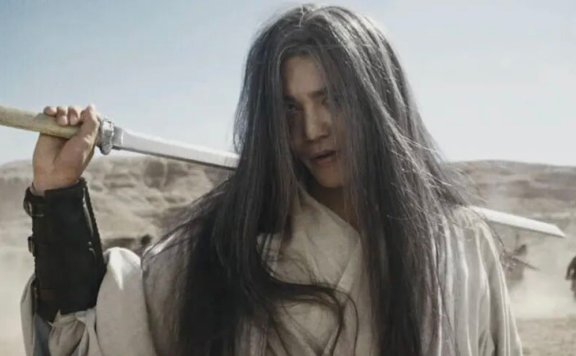
Blades of the Guardians: The Ancient Sleeve-Tying Wisdom in Wuxia
Why Do Martial Arts Heroes Always Tie Their Sleeves? The Ancient Hack That Makes Blades of the Guardians (镖人) So Authentic There is a moment in every great martial arts drama when the hero prepares for a fight. They roll their shoulders, crack their neck, and then—without fail—they bind their sleeves. It happens in Blades of the Guardians, the new film that has audiences cheering for the return of true Wuxia spirit. The gesture is small, almost ceremonial, yet it carries the weight of centuries. Without it, the entire aesthetic collapses. Why is this simple act of tying fabric so crucial to the genre? The answer lies not just in cinematic style, but in the practical, earthbound wisdom of ancient China. This is a story about how our ancestors solved a daily problem, and how that solution became a visual shorthand for readiness, discipline, and cool. Armor for the Arms: The Warrior's Rigor The most straightforward reason for binding sleeves is pure physics. Loose fabric, however elegant, is a liability in a brawl. A wide sleeve can catch a blade, snag on a spear, or simply slow down a punch. Ancient warriors needed a way to secure their clothing without… -
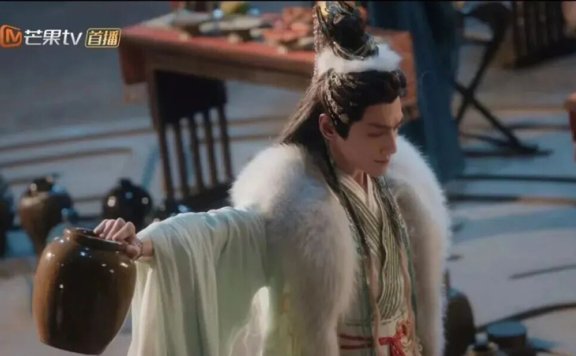
The Character Depth and Plot Intrigue of Wuxia Series Whispers of Fate
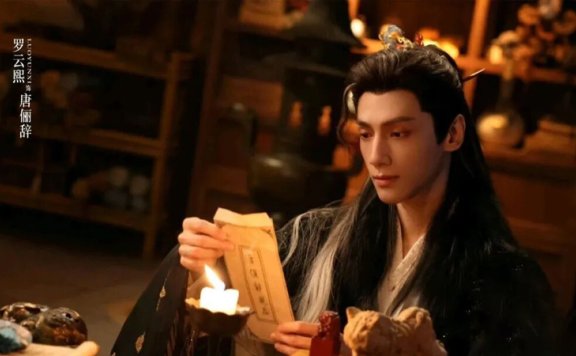
When the Chinese fantasy series Whispers of Fate (水龙吟) debuted with a surprisingly low 5.7 rating on Douban, it sparked widespread debate among viewers. Many critics immediately focused on its flamboyant costumes, dramatic makeup, and comparisons to other works, but this initial reaction overlooks the drama's substantial narrative strengths and character development. This series, set in a rich Wuxia universe, challenges audiences to move beyond superficial judgments and appreciate its intricate storytelling and emotional depth. Rather than conforming to typical genre expectations, it carves out a unique space with unpredictable twists and a memorable ensemble cast that keeps viewers invested episode after episode. Character Depths The central conflict in Whispers of Fate revolves around Tang Lici (唐俪辞) and Liu Yan (柳眼), whose relationship is a volatile mix of deep-seated resentment and unspoken bonds. Liu Yan's relentless pursuit of vengeance against Tang Lici drives much of the plot, yet his motivations are layered with personal tragedy and misunderstanding. Instead of a straightforward villain, he embodies a tortured soul whose actions stem from perceived betrayals, making his character both infuriating and sympathetic. This complexity forces audiences to question who is truly at fault, adding a psychological dimension to their clashes. Supporting characters… -
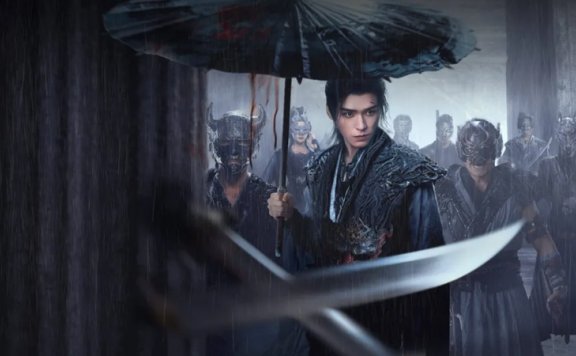
Blood River’s Finale and the Shift in Wuxia Audience Expectations
How did a White-Haired Sword Saint's Tears Redefine Modern Wuxia? When the final episodes of Blood River (暗河传) unlocked early access, social media platforms were instantly flooded with clips of Gong Jun's (龚俊) character, Su Muyu (苏暮雨), with hair as white as snow. A two-minute scene of him fighting with his sword, his hair turning white, garnered 300 million views in just one hour. The barrage of comments, filled with phrases like "This acting is god-tier," completely obscured the screen. The platform's backend saw a surge of over two million new subscribers within three hours of the finale's release. Even "Su Muyu's same-style white hair" became a trending search on online shopping sites. This frenzy was not just about a dramatic visual transformation; it was a testament to an actor's profound embodiment of a role that resonated deeply with audiences. The Anatomy of a Scene The duel against the eunuch Zhuo Qing (浊清) in episode 36 stands as a masterclass in physical acting. The camera meticulously follows the details: the bulging veins on his hand as he grips the Jian (剑, sword), the sharp roll of his Adam's apple as he unleashes a powerful technique, and the final, devastating moment… -
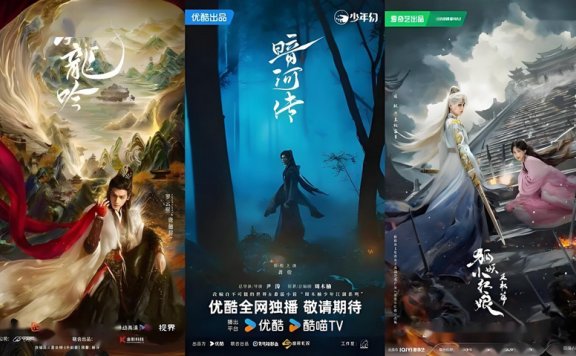
Can Fantasy Elements Help Wuxia Dramas Break Through the Rut?
Martial arts storytelling is entering a dynamic phase of innovation. The concept of Xuanxia (玄侠) merges mystical realms with classic warrior ethics, offering new narrative dimensions. Whispers of Fate (水龙吟) exemplifies this by building an original "Xuanxia" universe. Blood River (暗河传) presents Gao Wu Di Xuan (高武低玄), where physical prowess overshadows supernatural elements. Meanwhile, Sword and Beloved (天地剑心) blends fantasy, romance, and Wuxia foundations to create engaging plots. These changes expand the genre's creative boundaries, yet they invite scrutiny. Defining these hybrid categories proves difficult. Balancing imaginative and traditional components requires careful thought. Whether this evolution can address longstanding issues in martial arts drama is uncertain, but it undoubtedly fosters artistic diversity and viewer interest. 1. Fantasy Fuels Wuxia's New Era Traditional Wuxia stories have long centered on chivalry and martial honor, weaving tales of loyalty and revenge within a grounded world of skilled fighters. Now, a fresh wave of narratives is emerging, blending these elements with supernatural features to create something entirely new. This fusion not only expands the scope of action but also reshapes how audiences engage with these sagas, moving beyond physical combat into realms where imagination fuels the drama. Story Foundations In series like Whispers of… -
Is Whispers of Fate Revolutionizing Fantasy Wuxia Television?
The sudden premiere of Whispers of Fate (水龙吟) on Mango TV has sent ripples through the world of period dramas. After watching the first three episodes, it is clear this series is not just another addition to the genre. It feels like a fresh gust of wind, promising to redefine what audiences expect from fantasy and martial arts storytelling. With its intricate plot and compelling characters, the show immediately grabs hold and refuses to let go. It weaves a tale that is both familiar in its roots and startlingly new in its execution, setting the stage for what could be the most talked-about release this year. Narrative Drive At its core, Whispers of Fate is a masterful blend of fantasy, Wuxia, and detective mystery. The story kicks off with the brutal massacre of the Hao family (郝府) during a wedding ceremony. The sole survivor, a young bride named A Shui (阿谁), is left to identify the alleged perpetrator, a man named Tang Lizci (唐俪辞). This event forces him out of seclusion and into a dangerous investigation. The plot moves at a breakneck speed, packing each scene with clues, action, and character development that demands the viewer's full attention. The integration… -
Unpacking Youku’s New Wuxia Series Blood River
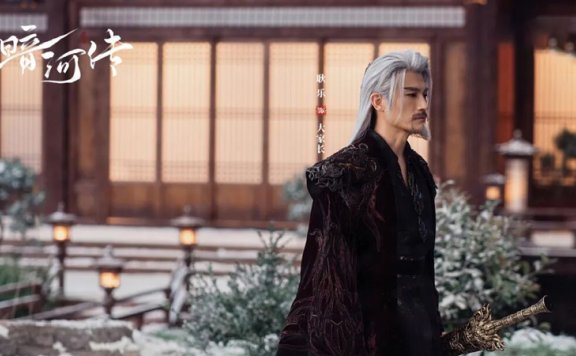
What happens when the most feared assassin in the land is the one trying to prevent a war? This is the central question gripping viewers of the new Wuxia series, Blood River (暗河传), which premiered its first five episodes on October 20th on the Youku platform. The show plunges audiences into the shadowy world of Anhe (暗河), a legendary and mysterious guild of killers. Based on the novel by Zhou Munan, this series exists within the same narrative universe as his previous hits, The Blood of Youth (少年歌行) and Dashing Youth (少年白马醉春风), sharing the same director and screenwriter. Unlike its more brightly lit predecessors, Blood River immediately establishes a darker, more morally complex tone. The story ignites when the guild's patriarch, returning from a duel, is mortally poisoned, creating a power vacuum that threatens to shatter the organization from within. At the heart of the ensuing storm are two master assassins, whose brotherhood is about to be tested by ambition and conflicting loyalties. The Web of Loyalty The Patriarch's survival hinges on finding the reclusive healer, Baihe Huai. He dispatches his most trusted operative, the ghostly Zhi San Gui (执伞鬼) or "Umbrella Ghost," Su Muyu (苏暮雨), played by Gong Jun.… -
Will Luo Yunxi's Whispers of Fate Redefine Wuxia Storytelling?
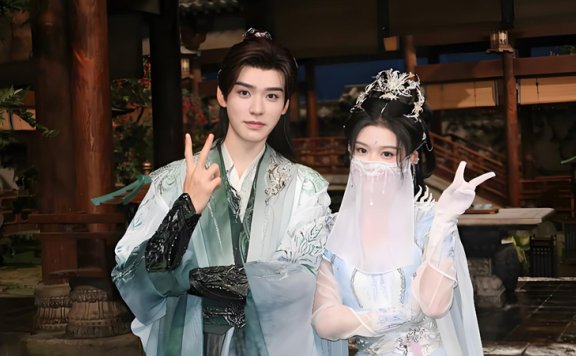
Fans of martial arts epics have a new reason to celebrate. The Wuxia drama Whispers of Fate (水龙吟) arrives on screens this October, bringing with it a wave of anticipation. Led by the acclaimed actor Luo Yunxi (罗云熙), the series boasts a cast of familiar faces and fresh talent, all set against the backdrop of a troubled Jianghu. This isn't just another tale of swordfights and honor; it promises a deeper journey into the psyche of its characters. Viewers can expect a story where personal redemption clashes with overarching duty, all woven together with visually stunning sequences that aim to push the boundaries of the genre. The show's blend of mystical elements and grounded emotional stakes could make it a standout entry in television this year. A Reluctant Hero At the heart of the narrative is Tang Lici (唐俪辞), a man desperately seeking peace. Having once led the powerful Extreme Joy Sect, he left that life behind, hoping to escape the endless conflicts of the martial world. His quiet exile is shattered when a brutal massacre forces him back into the fray. What he discovers is a web of conspiracy far more dangerous than he imagined. An old acquaintance from… -
Will Tales of Dark Rivers Become Your Next Wuxia Addiction?
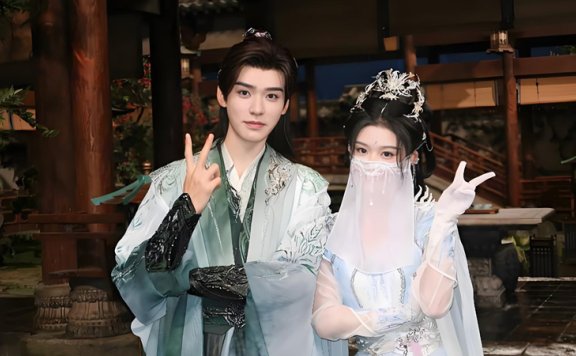
A new series is poised to capture the attention of martial arts enthusiasts and drama lovers alike. Tales of Dark Rivers (暗河传), scheduled for a late October release on Youku, brings together a stellar cast including Gong Jun (龚俊) and Peng Xiaoran (彭小苒) in a narrative that promises to blend intense action with deep moral conflicts. Set within a secretive assassin organization, the story delves into the brutal power struggles that erupt when its leader falls gravely ill. This isn't just another Wuxia tale of sword fights; it's a complex exploration of loyalty, ambition, and the fragile line between darkness and light. The anticipation is already building, fueled by gripping trailers and the compelling chemistry of its leads, making it a potential standout in the genre. A Deadly World The Tales of Dark Rivers organization serves as the volatile heart of the series, a place where fear reigns and three great families—Su (苏), Xie (谢), and Mu (幕)—wield immense influence. Their precarious balance of power shatters when the group's patriarch is poisoned, triggering a frantic scramble for control. Assassins who once followed orders now sharpen their blades, each maneuvered by family agendas and personal gain. This setting is not merely… -
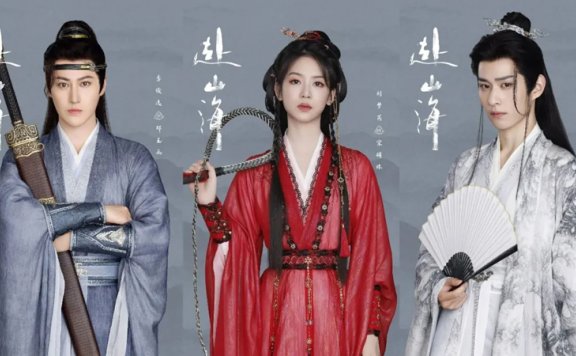
How is Cheng Yi's The Journey of Legend Reshaping Modern Wuxia Television?
The landscape of Wuxia drama on television is undergoing a profound transformation, moving away from the gritty, blood-stained arenas of the past toward a world where aesthetics often overshadow the core spirit of the Jianghu. The recent series The Journey of Legend (赴山海), starring actor Cheng Yi (成毅), has become a focal point for this discussion. Its popularity highlights a significant shift in how stories of chivalry and honor are being told for contemporary audiences. This change reflects broader trends in production, audience preference, and the very definition of what constitutes a hero in today's media-saturated environment. The debate is not merely about style versus substance, but about the evolution of a cultural genre that has long held a special place in the hearts of viewers. Visual Revolution The visual language of Wuxia has changed dramatically. Earlier productions, influenced by directors like Zhang Che (张彻) and King Hu, prized a sense of raw authenticity. Fight scenes were often brutal and unpolished, and characters bore the physical marks of their hard lives. Their costumes were functional, sometimes even shabby, reinforcing the idea of a harsh, unpredictable world. This aesthetic made the Jianghu feel tangible and dangerous, a place where survival was… -
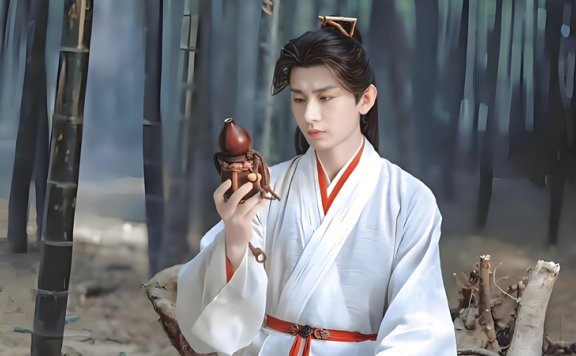
The Legend of Journey: A Modern Soul in a Wuxia World
When a television series opens with a disillusioned modern writer suddenly thrust into the world of his own creation, expectations are immediately subverted. This is the premise of the new drama The Legend of Journey (赴山海), which has sparked intense debate since its debut. At first glance, the combination of a 'book-transmigration' plot, a tech-based system, and the classic Wuxia genre seems like a chaotic mix. Yet, beneath what some dismiss as a gimmicky surface lies a thoughtful examination of a timeless question: what does it mean to be a hero in a world that prioritizes survival over chivalry? The series uses its unconventional framework not to mock tradition, but to ask if ancient virtues can withstand the pressures of contemporary life, making it far more than the sum of its seemingly disjointed parts. A Hero for Today The protagonist, Xiao Mingming (肖明明), is a character countless viewers will recognize. He is a modern office worker, his dreams of grandeur flattened by the daily grind. When he finds himself inhabiting the body of the heroic Xiao Qiushui (萧秋水), he brings with him a modern cynicism and a desperate desire to avoid danger. This creates the central tension. The original Xiao… -
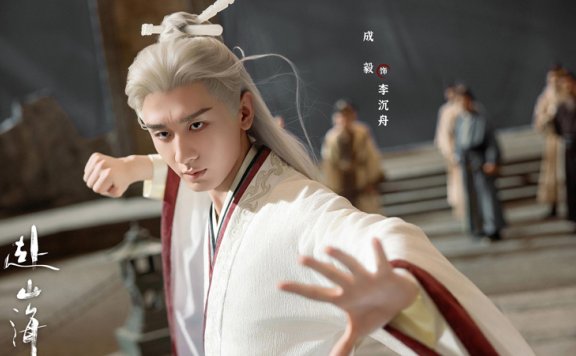
A New Wuxia Cdrama: Cheng Yi in The Journey of Legend
Time-travel into novels, game-like systems, and "infinite flow" (a popular Chinese internet term for stories where characters face endless quests or survival scenarios)—The Journey of Legend (赴山海) is giving the wuxia genre a fresh reset. The series is jointly produced by iQIYI, Tencent Video, Straw Bear Pictures, Yehua Film, and Tongle Media, directed by Ren Haitao and Lin Feng, with Liu Fang as head writer. Starring Cheng Yi and Nazha, it is currently streaming on iQIYI and Tencent Video. Adapted from the classic novel Shenzhou Qixia (神州奇侠) by wuxia master Wen Rui'an, the story follows modern youth Xiao Mingming, who suddenly gets pulled into the novel itself. Bound by a "demonic system," he becomes the young swordsman Xiao Qiushui and must live through the book's storyline. Only by completing the main quest—unifying the martial world—can he return to reality. By blending an innovative meta concept with traditional wuxia values, The Journey of Legend puts martial arts dramas back in the spotlight. Breaking Out with Skyrocketing Popularity Judging from the first week's numbers, The Journey of Legend had a spectacular launch. Even before release, pre-orders on both iQIYI and Tencent Video surpassed ten million. Many viewers jokingly called it "embryo-watching mode"… -
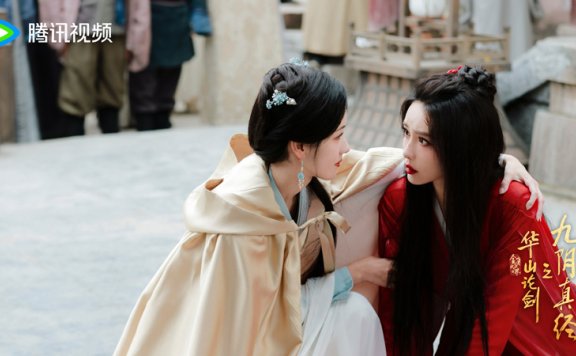
Duel on Mount Hua: Opening up A New Path for Wuxia Drama
Recently, the wuxia drama Duel on Mount Hua (华山论剑), co-produced by Tencent Video and Yaoke Media, directed by Xu Bing, Deng Ke, Cao Dun, and Zang Xichuan, officially wrapped up. The cast lineup (listed by story timeline) includes Zhou Yiwei, Gao Weiguang, Chen Duling, Peter Ho, Hankiz Omar, Ming Dao, Meng Ziyi, and He Yu. Last year's Iron Blood and Loyal Heart (铁血丹心) followed the classic spirit of Jin Yong's original, while Duel on Mount Hua takes a bolder approach. Its four story arcs—Eastern Heretic and Western Venom (东邪西毒), Southern Emperor and Northern Beggar (南帝北丐), The Five (五绝争锋), and Nine Yin True Sutra (九阴真经)—reconstruct the characters in surprising ways. Together, these two dramas create a "Jin Yong Wuxia Universe" that both respects tradition and experiments with form, bringing new energy into the genre. In today's market, producing a wuxia drama already requires a dose of passion and chivalry. We spoke with producer Zhang Yingying, who worked on both Iron Blood and Loyal Heart and Duel on Mount Hua, to unpack how this unique Jin Yong world was shaped for modern viewers and why it resonates. The Wuxia Starting Point, and a Fresh Unit-Story Approach From his first novel The Book… -
2 Wuxia Productions: A Contrast in Capturing the Genre's Essence
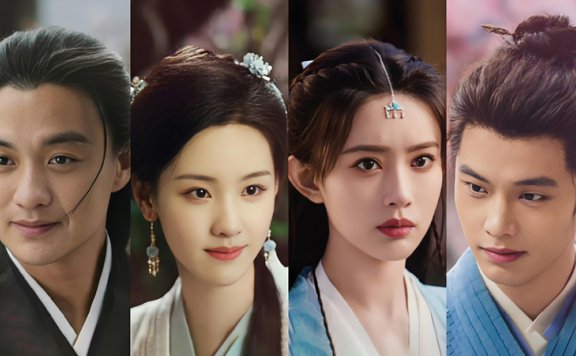
Two productions drawing from the same legendary wuxia universe couldn’t be more different in execution. While Jiuyin Zhenjing (九阴真经) offers a simplistic, romance-focused tale centered solely on its protagonist, Dongxie Xidu (东邪西毒) crafts a sprawling, gritty tapestry of authentic martial arts, complex characters, and profound themes reflecting a crumbling dynasty. The contrast exposes what truly makes Wuxia resonate: not just power fantasies, but the human struggle within a vast, unforgiving world. Fighting Spirit One relies solely on superficial spectacle. Jiuyin Zhenjing substitutes genuine martial prowess with endless slow motion, frantic camera cuts, and heavy reliance on wind machines and CGI blasts. Fight sequences feel weightless, devoid of distinct styles or credible threat. Mei Chaofeng (梅超风) masters advanced techniques like Bibo Palm implausibly fast, undermining the value of martial arts cultivation. Key figures like Huang Yaoshi (黄药师) appear weakened, acting inconsistently—such as bloodying his hands in a brawl, contradicting his established fastidious nature. The world feels small, limited to a single school, one coveted manual, and basic weapons. Conversely, Dongxie Xidu delivers visceral, varied combat grounded in martial philosophy. Different factions bring unique weapons and styles: the Zijin Tang (紫金堂) sect showcases practitioners like Yu Dian (俞典) wielding intricate bamboo umbrellas… -
6 New Wuxia Cdramas You Can't Miss in 2025
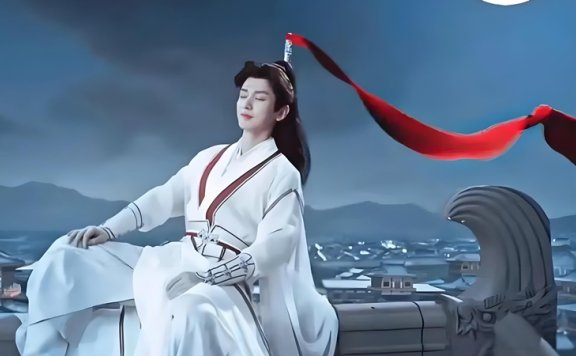
Get ready to immerse yourself in a golden age of Wuxia storytelling. Following acclaimed hits like Mysterious Lotus Casebook (莲花楼) and Who Is the Hero (说英雄谁是英雄), six highly anticipated martial arts epics are set to conquer screens throughout 2025. This unprecedented wave offers diverse narratives, from intricate political conspiracies and mystical quests to gritty underworld struggles, all woven with the timeless threads of honor, betrayal, and breathtaking combat. With powerhouse casts, renowned directors, and adaptations of beloved literary works, these series promise to redefine the genre and captivate global audiences. Prepare for a year where the ancient art of swordsmanship and chivalry takes center stage like never before. 1. An He Zhuan Three major productions are poised to ignite the summer viewing season. An He Zhuan (暗河传) emerges as a pure martial arts spectacle. Set within the same expansive universe as The Blood of Youth (少年歌行), it plunges viewers into the brutal underworld of assassins, where loyalties fracture and survival demands ruthless choices. This series delves into the grittier, more perilous aspects of the martial world – assassination plots, stark clashes between righteousness and evil, themes of redemption, and painful betrayals. Director Yin Tao (尹涛) steers this adaptation penned by… -
Fu Shan Hai: Cheng Yi's 3 Role Ignites Summer Wuxia Craze
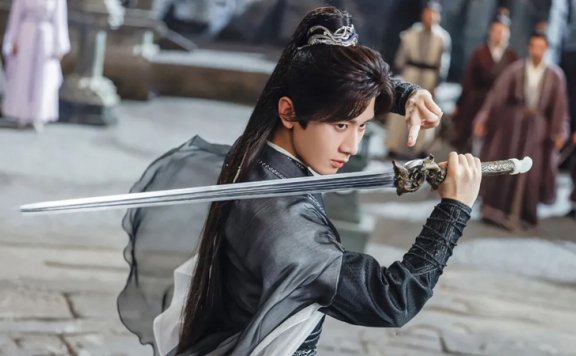
The highly anticipated Wuxia drama Fu Shan Hai (赴山海) is poised to set the summer viewing season ablaze, premiering on iQiyi July 22nd. This S+ production, a flagship entry in iQiyi's "Eastern Legends" lineup, has already shattered genre presale records, surpassing 8 million reservations across platforms. Adapted from Wen Rui'an's (温瑞安) revered Divine Land Swordsman (神州奇侠), the series injects a bold twist into the classic tale: a disillusioned modern editor, Xiao Mingming (played by Cheng Yi), finds himself transported into the very martial arts world he once penned. Thrust into the body of the youthful swordsman Xiao Qiushui (萧秋水), his journey from novice to revered hero unfolds against a backdrop of breathtaking landscapes and intricate conspiracies, promising a potent mix of nostalgia and novelty that has captivated audiences even before its debut. Transmigration Meets Tradition Fu Shan Hai masterfully blends the established lore of Wen Rui'an's universe with a contemporary "transmigration" narrative device. Xiao Mingming's (肖明明) abrupt transition from office drudgery to the perilous Jianghu creates immediate comedic and dramatic friction. His modern sensibilities clash humorously with ancient customs, offering fresh commentary on classic Wuxia tropes. Crucially, the adaptation retains the essence of the source material. Iconic characters like the… -
Every Wuxia Film Owes Something to This One
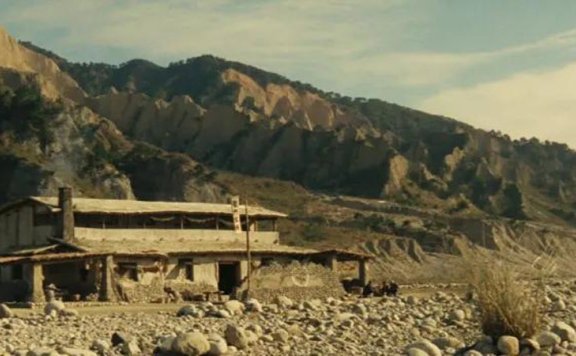
Dragon Inn sits in the middle of a desolate desert, looking like just another pit stop for weary travelers. Its thatched roof and mud-brick walls blend into the dry, rocky landscape that stretches for miles. A few strings of chili peppers and bundles of husks hanging on the walls are the only splashes of color. Inside, the layout is bare but orderly: a few wooden tables, and a staircase that leads up to some narrow rooms on the second floor. The place is set somewhere on the northern frontier of China, remote and anonymous—meant to be a quiet, forgettable location. A Standoff Under One Roof But when it first appeared on screen in King Hu's (胡金铨) Dragon Inn (1967), a group of mysterious men were already walking toward its door. You just knew trouble was about to walk in. Like the saloons in Westerns or the empty suburban houses in horror films, the humble setting becomes the perfect arena for a showdown. The flimsy walls and paper windows won't keep anything out. If A Touch of Zen—the three-hour epic Hu made four years later—is considered his most imaginative work, then Dragon Inn is where his visual language becomes the most… -

Move Over, Heroic Tropes: The Wuxia Comedy That's Actually Funny
Let's face it: Most martial arts dramas take themselves way too seriously. Flowing robes, brooding heroes, and speeches about honor get old fast. But Xia Ke Xing Bu Tong (侠客行不通, lit. Heroism Doesn't Work) , a raucous new comedy streaming on Tencent Video, flips the script. Starring standup comic Xu Zhisheng (徐志胜) as a bumbling "anti-hero," this show isn't just poking fun at wuxia clichés. It's skewering modern bureaucracy, workplace politics, and the absurdity of trying to be noble in a world that rewards schemers. And guess what? It's hilarious. The Villain Is the Hero Meet Gou Lingfeng (Xu Zhisheng), a rich kid with a heart of gold… and a face only a mother could love. After his nanny is killed by a demonic cult, he vows to become a hero. But here's the catch: His "master", a doddering old man who crashes into his mansion one night, accidentally trains him in forbidden dark arts (mo gong 魔功). Fast-forward 18 years. Gou descends the mountain, ready to save the world… only to learn that heroism now requires a government license. To legally fight evil, he must pass exams held by the Martial Heroes Alliance (武林侠会), a corrupt guild more interested… -

Cheng Yi's Triple Role and the Reinvention of Wuxia Drama
The Chinese entertainment landscape is witnessing a resurgence of wuxia dramas, and Fu Shan Hai (赴山海, translated as To the Mountains and Seas) stands at the forefront of this revival. Slated for a 2025 release on Dragon TV (东方卫视), this 40-episode series adapts Wen Rui'an's iconic novel Legendary Heroes of the Land (神州奇侠), blending classic Jianghu themes with time-travel twists and Gen-Z sensibilities. Starring Cheng Yi (成毅), Gulnazar (古力娜扎), and a powerhouse supporting cast, the drama has already generated buzz for its ambitious storytelling, meticulous production, and Cheng Yi's career-defining triple role. Plot & Innovation: Bridging Generations The series follows Xiao Mingming, a disillusioned modern-day office worker who accidentally slips into the martial arts novel he's editing, embodying its protagonist, Xiao Qiushui. From a bumbling novice to a hero defending his nation, Xiao's journey intertwines workplace disillusionment with classic wuxia tropes—think The Matrix meets Condor Heroes. This meta-narrative injects "anti-burnout" themes resonating with younger audiences while preserving the genre's core values of loyalty and justice. On one hand, it retains the classic tropes that fans of the genre have come to love—righteous warriors, enigmatic enemies, and dramatic showdowns. On the other, it subtly incorporates elements of modern storytelling, such as… -
Can Jin Yong's Wuxia Legacy Survive the Generational Divide
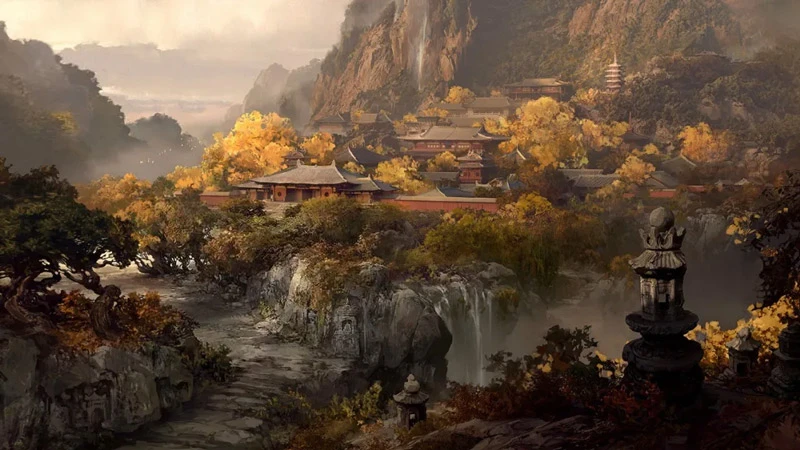
The Wuxia Titan and the Crisis of Time For decades, the name Jin Yong (金庸) has been synonymous with the soul of Chinese Wuxia (martial heroes) culture. His 15 novels, including The Legend of the Condor Heroes and The Demi-Gods and Semi-Devils (天龙八部), have sold over 300 million copies worldwide, inspiring generations with tales of chivalry, loyalty, and moral dilemmas set against sweeping historical backdrops. To many, Jin Yong is China's answer to J.R.R. Tolkien. Yet, as the world commemorated Jin Yong's 100th birth anniversary in 2024, a sobering reality emerged: the once-unshakable IP empire is struggling to bridge the generational gap. Lavish adaptations—from a 87 million yuan TV series The Legend of Heroes (金庸武侠世界) to the 100 million yuan open-world MMO The Legend of the Condor Heroes—have stumbled, criticized as relics clinging to outdated formulas. Younger audiences, raised on TikTok rhythms and anime aesthetics, increasingly view Jin Yong's world as their parents' nostalgia—a "generational island" adrift in a sea of modern pop culture. But why does this matter to global audiences? Wuxia is more than a genre; it's a gateway to understanding Chinese philosophy, history, and collective identity. Jin Yong's works, in particular, distill Confucian ideals of righteousness (yi)… -
Secrets of the Shadow Sect: 2024 Wuxia Drama
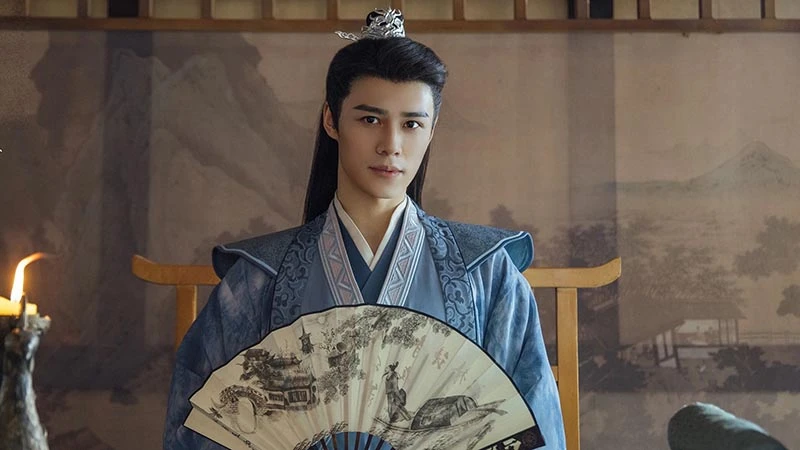
The Double Lives of the Moonlit Flame In the world of martial arts drama, Secrets of the shadow sect (皎月流火) emerges as a striking short series. It masterfully intertwines themes of love, power, and betrayal, breaking away from the typical archetypes of the genre. At its core lies the mysterious Ling Tian Palace (灵天宫), a reclusive yet formidable force in the martial world. The palace harbors secrets as deep as its influence, and at the heart of it all is its enigmatic heir, Ling Xuan (灵玹). Ten years prior, Ling Xuan crossed paths with a dying pair of siblings. In a moment of compassion cloaked in cold calculation, she struck a bargain—saving the sister's life in exchange for the brother, a young man she saw potential in. Promising him a chance to prove himself, she brought him to the palace’s shadowy training division, the Shadow Pavilion. If he could survive its brutal trials, he would serve her as her most trusted ally. Years later, the boy emerges as Ying Shi, hardened yet loyal, only to find the palace teetering on the edge of chaos. Its master plots to seize Ling Xuan's mother's ultimate martial arts secret, the Wanxin Technique, sowing…