Search Results for: tang
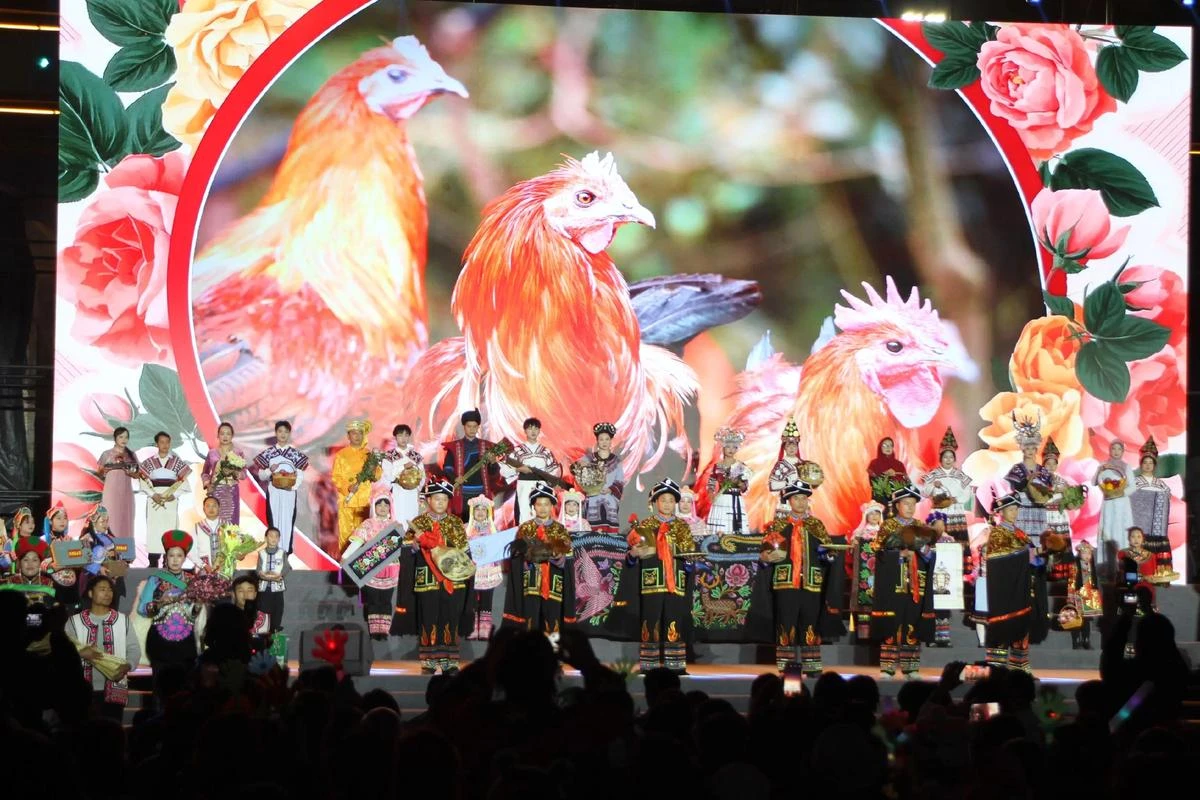
Nanjing Yunjin Goes Overseas: National Group Launch Wows Guests
On the afternoon of July 15, the event “Millennium Splendor ICH Gala: Nanjing’s First National ICH Batch Goes Overseas” (千年华章·非遗盛典) opened at the Nanjing China-Finland International Exchange Center. Built around five segments — an industry matchmaking salon, craft presentations, cooperation signings, live demonstrations, and overseas resource matchmaking — the gala set out to open a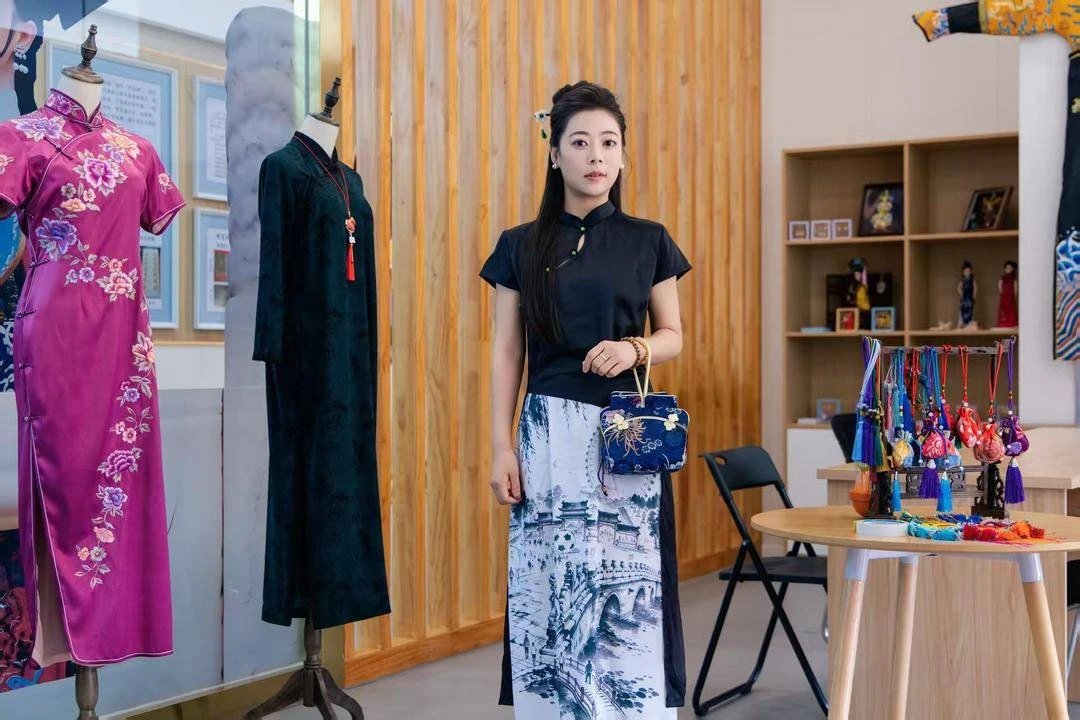
Shenyang Qipao Exhibition: Embroidery and Paper-Cutting
The Yuhong District Qipao Intangible Cultural Heritage Exhibition opened July 12 in Shenyang, Liaoning Province, as a core event of the district’s Qipao Culture Season. Organized by the Yuhong District Publicity Department under the theme “Qi Yun Liu Zhuan, Yi Chuan Fang Fang” (The Flowing Charm of Qipao, The Fragrance of Heritage), the exhibition gathers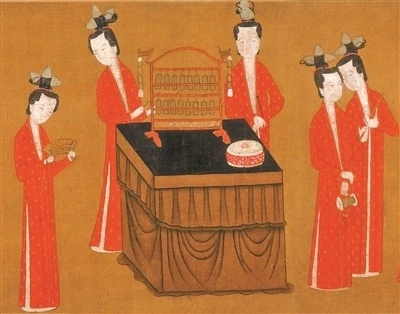
Song Dynasty Beizi Hanfu: Styling, and Modern Revival
No single garment defined Song dynasty fashion more than the Beizi. Worn by empresses and market vendors alike, this straight-collared, side-slit robe appeared in nearly every scene of daily life across the 300-year dynasty. But the Beizi did not stay the same through those centuries — its silhouette shifted from loose Northern Song casual wear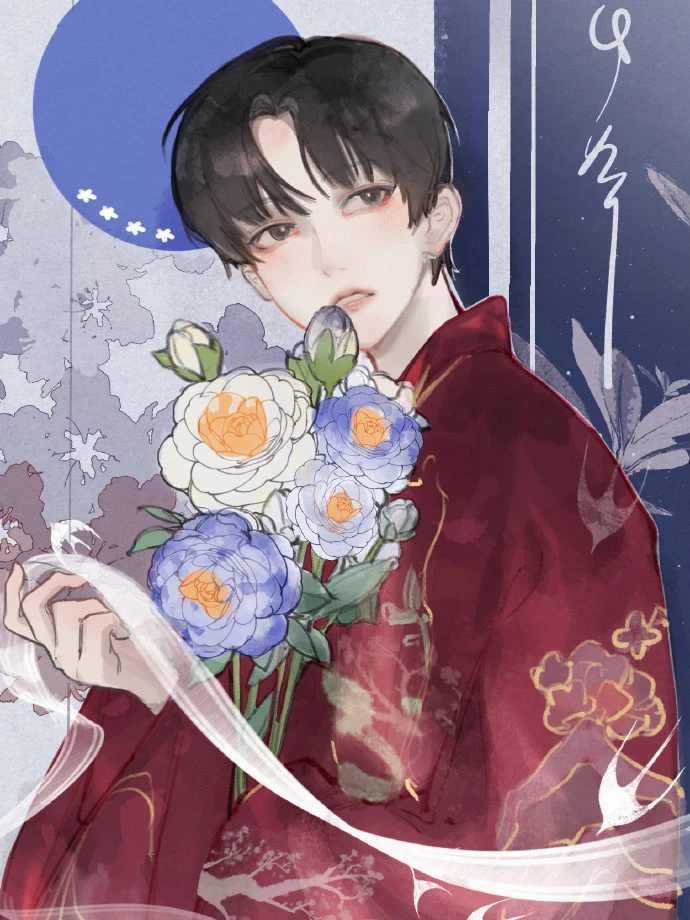
Hanfu Boy Painting, Ukiyo-e Style
1. Hanfu boy painting, ukiyo-e style Comments Pendergrass · Great painting👍 SeveralOnions · Wooahh! So pretty! 2. What’s the difference? Japanese traditional clothing seems to be very similar to Hanfu Comments Merriel · Hi, where does the image come from? I mean from which anime? The character could be wearing hanfu, even from a japanese
Top 5 Iconic Lightning Users in Chinese Animation
Chinese animation has a peculiar obsession with lightning. Not the gentle static of a winter sweater, but the sky-splitting, mountain-crushing, god-defying kind. From Taoist priests who treat thunder like morning tai chi to warriors who wear storm clouds as capes, these five characters don’t just use electricity—they are the storm. But what makes each of
How Our Ancestors Beat Summer Heat With Light Hanfu
Did ancient Chinese really wear layer upon layer of heavy robes during scorching summers, with no air conditioning or electric fans? If you’ve watched historical dramas like Story of Yanxi Palace or Empresses in the Palace, you’ve probably wondered: were they sweating through those elaborate costumes while filming in July? The short answer is no—our
Can LV Trademark China’s Centuries-Old Motifs?
How did Louis Vuitton’s Monogram find its roots in ancient China? The controversy is not just about lawsuits over tote bags; it is about who owns the visual language of human civilization. When a French fashion house claims ownership over a four-petal flower, a checkerboard, or an interlocking circle, they are not just protecting a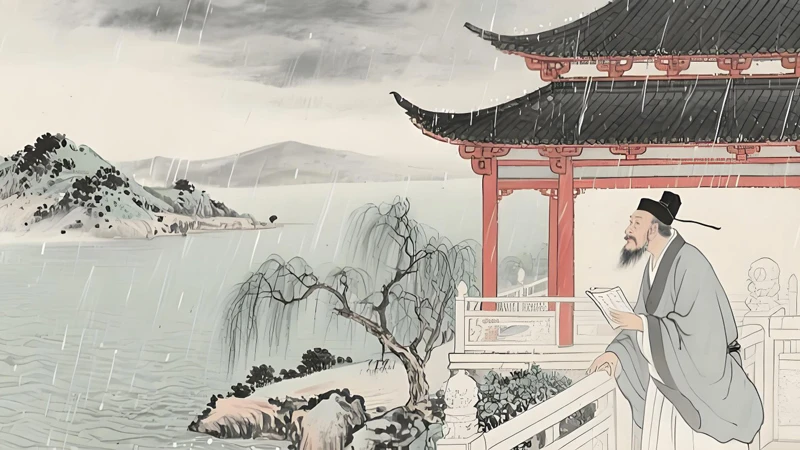
3 Clever Rainproof Outfits From Old China
Modern commuters know the dread of a rainy morning—splashed trousers, squelching socks, and a damp chill that lingers all day. We rely on rubber boots and synthetic raincoats. But what did people do two thousand years ago, before these inventions? Ancient Chinese developed ingenious solutions: woven grass raincoats, oil-silk coats, wooden clogs, and nailed shoes.