The Xiyueshanfang Summer Lifestyle Festival — featuring Hangzhou’s first “Extra Cool” Hanfu Styling Competition — ran July 10–12 at Fuyicang, a Qing-dynasty grain depot on the Grand Canal in Gongshu District. The three-day program combined a traditional festival pattern exhibition, a Hanfu styling contest, folk music performances, heritage craft workshops, and an artisan market, all set within the 1880 brick-and-timber warehouse complex.
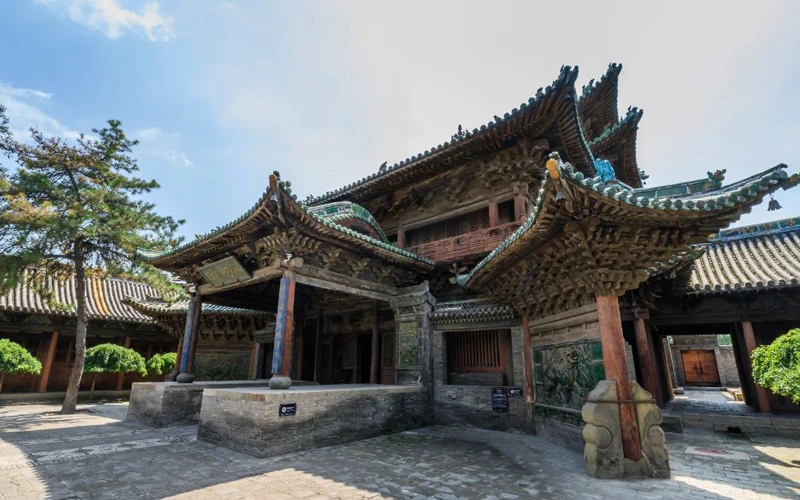
Fuyicang, built in the sixth year of the Guangxu reign (1880), takes its name from the Confucian saying “seek prosperity through benevolence, achieve righteousness through harmony.” Along with Beijing’s Nanxincang, it ranks among China’s best-known historical granaries and is a core heritage point of the Grand Canal World Heritage listing. Its Qing-era timber-frame architecture — black-tiled roofs, mortise-and-tenon beams, and courtyard light falling on flagstone floors — provided an atmospheric backdrop for the seven-track program.
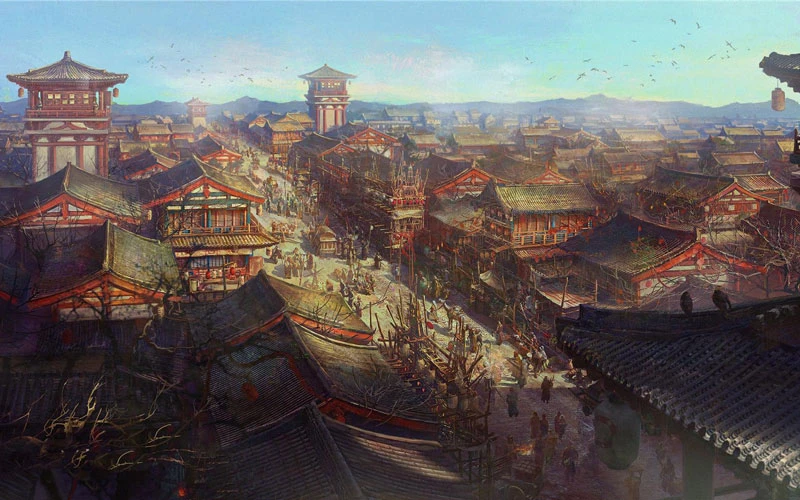
The centerpiece exhibition, “Seasonal Customs: Traditional Festival Motif Folk Art Exhibition,” runs through September 15. Five sections trace the Song-dynasty seasonal calendar: Midsummer boating on the Tiankuang Festival, the first autumn leaf marking Liqiu, the Qixi Festival needlework contest beneath the stars, and the Zhongyuan ancestral remembrance. Historical records in Zhou Mi’s Wulin Jushi describe Song-era summer leisure: boats drifting into deep willow shade, anglers staying until moonrise, and market stalls selling iced treats alongside sachets and painted fans.
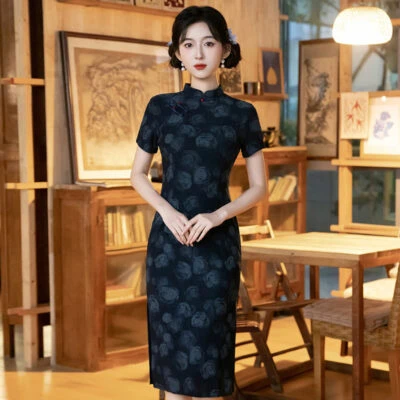
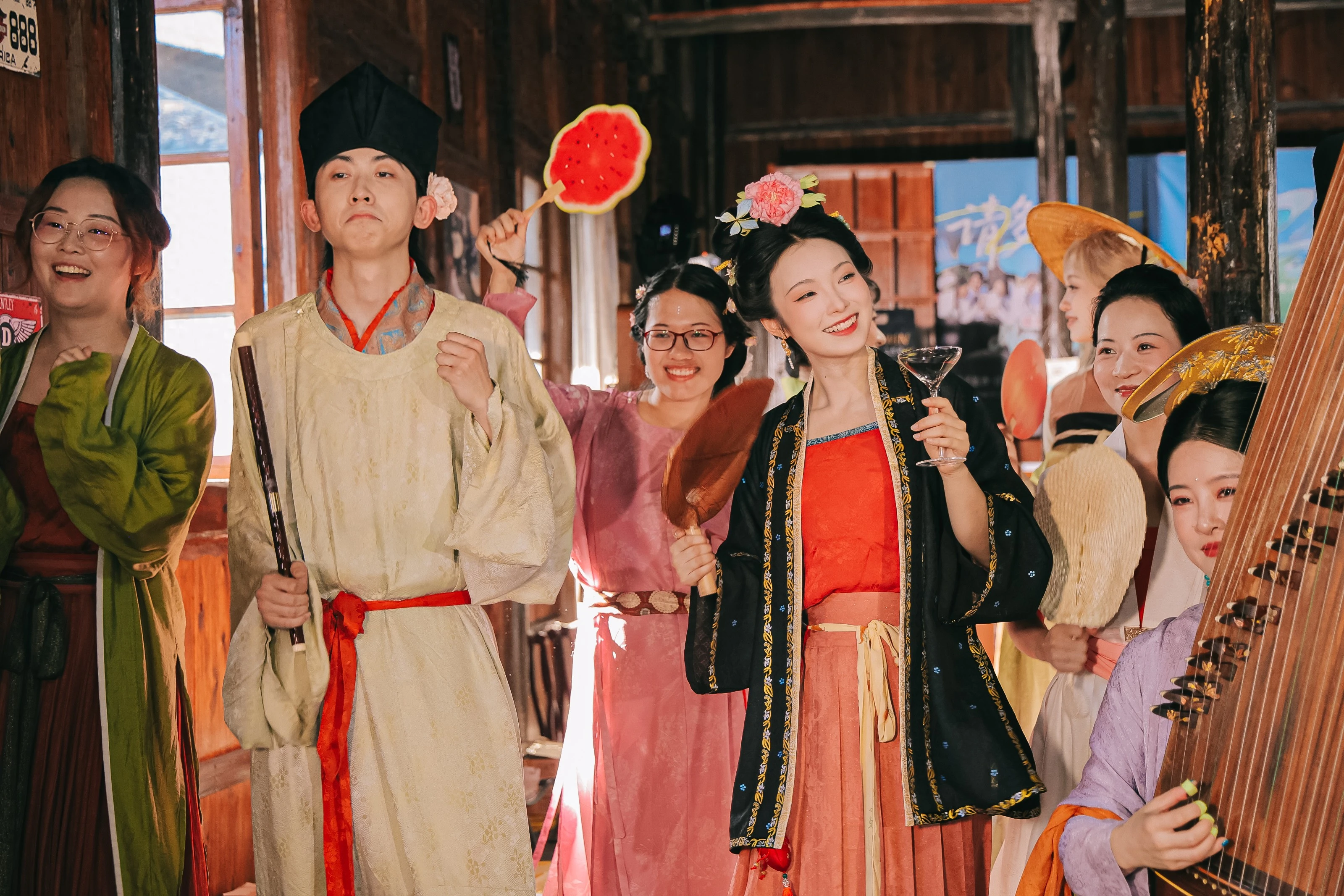
The “Extra Cool” Hanfu Styling Competition broke the expectation that Chinese-style dress must be heavy and layered. Attendees voted with Zanhua flower hairpins for the breeziest looks, and participants mixed Song-style Beizi robes and Pibo sashes in lightweight summer fabrics — silk gauze, ramie, and thin cotton replaced the usual brocade and satin. Traditional costume researcher Zhong Hongsang delivered a lecture on Song-dynasty collar embroidery patterns. The Bantang Xihuan folk orchestra performed original compositions blending classical instruments with contemporary arrangements. Fanghuichuntang, a heritage Chinese medicine house, offered seasonal health consultations focused on summer wellness practices.
Heritage craft stations rotated through bamboo weaving, tin engraving, vase painting, herbal sachet sewing, and Jiaozi block printing — each open for hands-on participation. A food alley recreated Song-market flavors with traditional cold treats and herbal teas. Zhejiang TV’s Fenghua Hehuoren pop-up served limited-edition specialty drinks, and the artisan market featured coin-themed souvenirs, embroidery handcrafts, ink-wash portraits, and Eastern-style fragrance products. The event was free and open daily 10:00–18:00, accessible via Xiangjisi Station on Metro Line 3, a short walk from the canal-side venue.