Article
Search results:
-
Drama to Destination: How The Story of Suzhou Boosted TV and Tourism
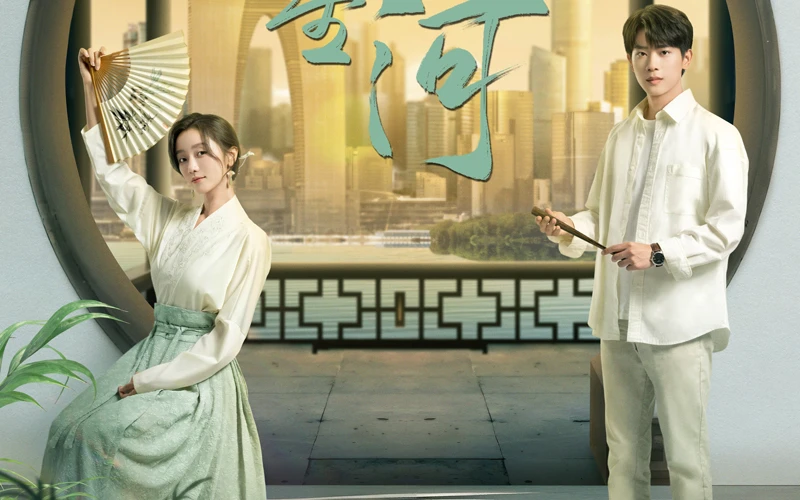
The initial attraction to "The Story of Suzhou" was its poetic poster. The ancient city’s flowing water, misty bridges, and a beautiful woman standing on a stone slab, separated from the bustling city, captivated many. The poster featured a couplet: "In spring, Suzhou's greenery spans the river, stone bridges and red towers remain unchanged." As the premiere approached, this poetic atmosphere only intensified. The official social media account wrote: "Unveiling the splendor of Suzhou's intangible cultural heritage, weaving a new chapter of millennia-old cultural lineage." Lead actress Xiao Yan said, "Within the opening and closing of scenes, one sees the beauty of intangible heritage, and encounters the vibrant life of Jiangnan in the streets and alleys." In today's extensive audio-visual entertainment landscape, how should cultural and tourism micro-dramas position themselves? What role should these short dramas play in promoting local culture and tourism? "The Story of Suzhou" provides the answer: a key, that fully unlocks the audience's curiosity and desire to explore. Literature once played this role. Wang Anyi casually wrote in her book, "The moonlight in Suzhou seems especially cool and smooth, people feel refreshingly clear, even sleep is clear and bright," sparking readers' longing. "The Story of Suzhou"… -

A Guide to the Top 10 Historical Murals in China
On May, the much-anticipated exhibition "The Diverse Life of Song-Jin Dynasty Murals in Shanxi" opened at the Shanxi Museum. For the first time, this exhibition brings together 89 pieces (15 groups) of precious Song and Jin Dynasty murals and brick carvings from Shanxi, inviting us to delve into the unique allure of these historical artworks. The exhibition vividly showcases themes such as home, celebrations, family values, and wishes depicted in Song-Jin murals, transporting us back to the everyday life of that era. For instance, the mural tomb in Nanguan Village, Fanshi County, Shanxi Province, is a Jin Dynasty brick-carved mural tomb. The tomb murals reflect the traditional layout of Jin Dynasty burial customs in the Central Plains, featuring various treasures, male and female attendants, rockeries and birds, offerings of wealth, and guardian spirits, all illustrating the colorful imagination of the afterlife, striving to ensure a prosperous and stable future world. Murals, one of the oldest forms of Chinese painting. Often found on the walls and ceilings of halls, tombs, temples, and grottoes, these murals provide a glimpse into the social, religious, architectural, artistic, and folk developments over the past two thousand years. In addition to Shanxi’s rich murals, regions from… -
Chinese Culture: The Untold Stories of Female Merchants in Ancient China
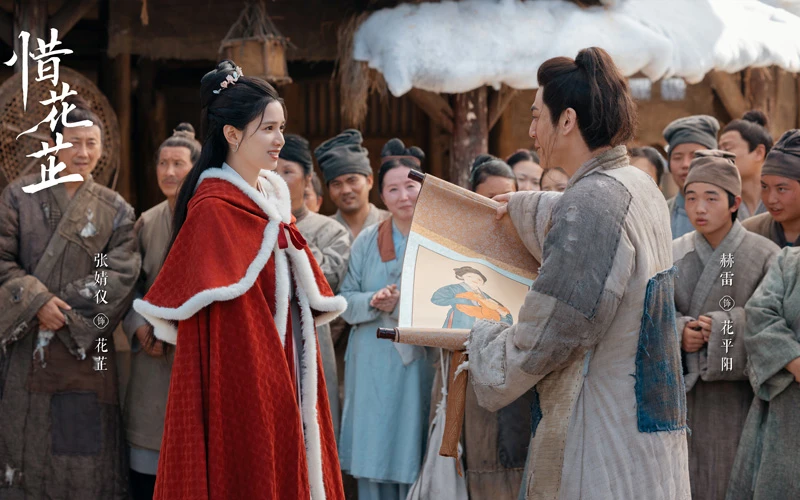
In recent years, the trend of female-centric dramas, including ensemble cast dramas and strong female lead dramas, has become prominent. This trend has extended into historical dramas, leading to new narratives where female protagonists build their fortunes and conquer the business world through their own efforts. For instance, "Blossoms in Adversity," which concluded in early May, tells the story of the noblewoman Huazhi who, along with her family, overcomes adversity by starting a business. This wave of female protagonists navigating the business world in historical dramas shows no signs of slowing down. Numerous dramas wrapped filming from last year to this year, featuring female leads as businesswomen. According to official synopses, the female lead in "Liu Zhou Story," Liu Miantang, opens a porcelain shop; the protagonist in "Brocade Odyssey," Ji Yingying, is involved in the Shu brocade business; and the lead in "The Story of Pearl Girl," Duanwu, deals in jewelry. Moreover, the ongoing production "Flourished Peony" will narrate the story of He Weifang, who starts a flower business. Adding to this, "A Dream of Splendor," which aired last year, centers on the tea house owner Zhao Pan'er, who expands her small tea house into the largest restaurant in Dongjing.… -
Chinese Dramas in May: What's Hot and What's Not
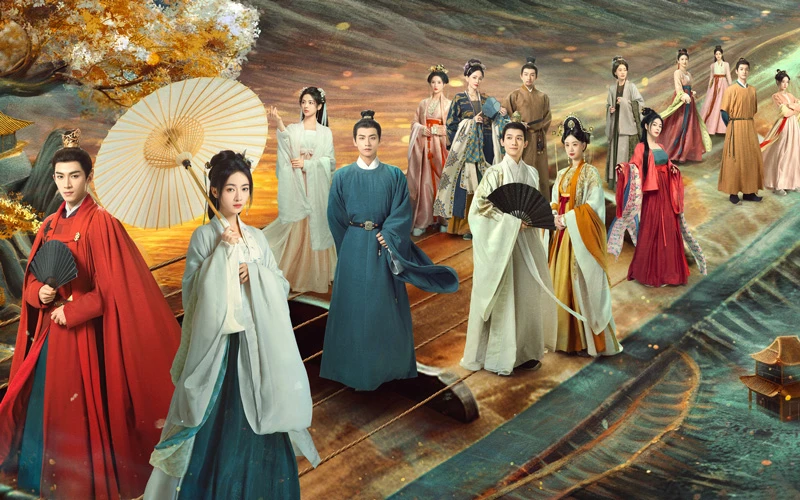
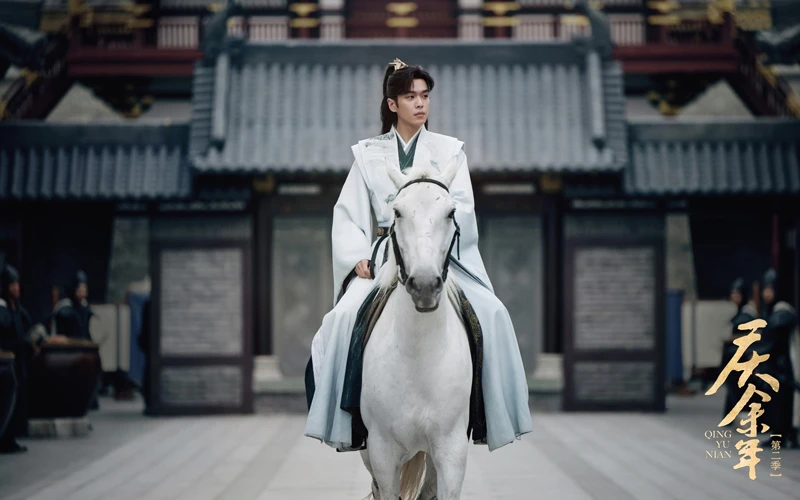
In early May, two mini-series, "Regeneration" and "To the Wonder," quickly stood out with their unique narrative structures, cinematic visuals, and profound philosophical reflections on human nature, rapidly gaining popularity both within and outside the industry. Mid-month, after a five-year hiatus, "Joy of Life Season 2" was finally released, with soaring viewership breaking records and unprecedented competition among advertisers for prime slots, cementing its status upon its debut. By the end of the month, "Fox Spirit Matchmaker: Red-Moon Pact" and "Golden Trio" made a high-profile entrance, sparking heated discussions with their high-profile cast, injecting fresh energy into adaptations and dramas focused on older audiences. From a market performance perspective, "Joy of Life 2" maintained an exceptionally high level of popularity and market share, dominating the landscape. "Fox Spirit Matchmaker: Red-Moon Pact" and "Golden Trio" leveraged strong public appeal to maintain their core audiences. "Regeneration" and "To the Wonder" exceeded market expectations with significant long-tail effects post-broadcast. However, "Reblooming Blue," "Heroes," and "Tell No One" either suffered from limited subject matter appeal or were overshadowed by surprise releases, resulting in relatively underwhelming performances. In terms of reputation, most series scored below 7 out of 10, with no shows reaching a 9.… -
A Retrospective and Future Outlook of Male-Oriented Dramas
Since the premiere of "Joy of Life Season 2," the drama's popularity and discussion levels have soared, leaving other shows behind. Scenes such as the Baoyue Lou and Fan Xian's wedding have continued to be hot topics, with Tencent's peak heat index breaking the 34,000 mark, solidifying its reputation as the "drama king." From the first season of "Joy of Life" in 2019 to the second season five years later, the consistently high levels of discussion and viewership prove the success of "Joy of Life" as a male-oriented IP adaptation. More notably, the second season featured a large number of customized advertisements, demonstrating the market's successful bet on its hit status, adding commercial certainty to such male-oriented IP adaptations. Before "Joy of Life," adaptations of male-oriented dramass had not achieved landmark success. Many male-oriented dramas, after adaptation and airing, did not perform as expected, either due to issues with the plot adaptation or production quality. Therefore, examining the success of "Joy of Life" can outline a replicable commercial path for successful adaptations of male-oriented dramass. The double success of "Joy of Life" over five years has reignited market expectations for male-oriented dramas dramas. Who will be the next drama king?… -

Inside Fox Spirit Matchmaker: Moon Red Chapter - The Impact of Yang Mi and Gong Jun's Performances
The market for historical costume dramas, primarily targeting young audiences, has always welcomed the arrival of dramas with higher attractiveness, fresher faces, and more sophisticated costume and set designs. Even before the arrival of summer, various types of historical costume dramas based on IP have flooded the market. Leading the charge is "Fox Spirit Matchmaker: Red-Moon Pact," the first live-action adaptation of the popular anime "Fox Spirit Matchmaker," produced by iQIYI. Starring Yang Mi and Gong Jun, it is an eastern fantasy drama. The strong appeal of A-list actors, magnificent scenery, and exquisite costume design have become the magic weapons for attracting attention and winning over fans. With top-notch production values, the series delivers a visual feast, presenting a dazzling array of beauties and scenery imbued with Eastern charm, immersing viewers in its splendor. Many have predicted that "Fox Spirit Matchmaker: Red-Moon Pact" will surely secure a place on the hot drama charts at the end of May. As expected, the drama's premiere attracted attention, with its popularity on streaming platforms surpassing 8888 within 19 hours. It quickly climbed to the top spot on popular drama charts on platforms from the second day of its TV broadcast. Various trending topics… -
Seeking Tradition: How Ancient Chinese Shielded Themselves from the Sun
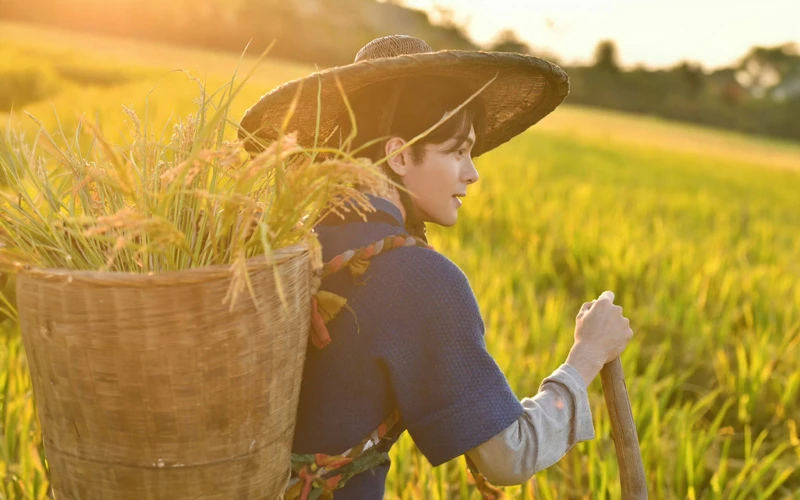
In the scorching heat of summer, ancient Chinese people didn't have sunscreen, but they took sun protection seriously. Though the concept of physical sunscreen is a recent development, the approach to sun protection was quite similar: "shade" was key. Follow BAZAAR CHINOISERIE to learn how ancient people protected themselves from the sun. To shield themselves from the sun while staying mobile, a sun hat is the perfect summer accessory. Surprisingly, "sun hats" aren't a modern invention; they're mentioned directly in ancient texts. For instance, during the Ming Dynasty, the "Xu Tong Dian" listed various hats, mentioning: "Sun hats were permitted for scholars entering the imperial examinations during the early Ming Dynasty. (遮阳帽,明初士人贡举入监者许戴之。)" Similarly, the "Jian Hu Ji" describes the "sun hat" as follows: "According to Ming regulations, scholars could wear large sun hats after completing their studies at the imperial college, similar to the ancient bamboo hats or the Tang dynasty silk hats. (明制。士子入胄监满日。许戴遮阳大帽。即古笠。又唐时所谓席帽也。)" In addition, there were also Weimao (帷帽) popular during the Tang and Song dynasties. These hats had thin gauze attached under wide brims, offering advanced sun protection while also shielding against some wind and dust. Curtain hats, also known as Zhaojun hats, are said to be… -
What Makes Fox Spirit Matchmaker: Red-Moon Pact a Must-Watch
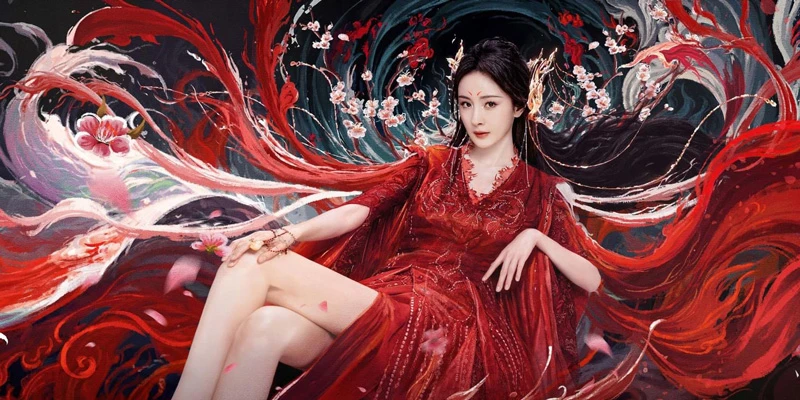
The long-awaited "Fox Spirit Matchmaker: Red-Moon Pact" has finally premiered. Before its release, the number of reservations on the platform has surpassed 7.94 million, breaking the historical record for reservations on iQIYI, igniting tremendous excitement. Adapted from the manga "Fox Spirit Matchmaker" by Xiao Xin Tuo. In a world of constant conflict between humans and spirits, the righteous head of the Tu Mountain Fox Clan, Tu Shan Hong Hong (played by Yang Mi), hopes for peace between both sides. To achieve this, she joins forces with Dongfang Yue Chu (played by Gong Jun), an orphan from the Dongfang family, to embark on a mission to foster love between humans and spirits. Their goal is to resist the dark forces threatening the Tu Mountain and to dissolve the sinister powers fueling the discord between humans and spirits. The stellar cast includes Yang Mi and Gong Jun as the lead actors, with special appearances by Guo Xiaoting, Wei Zheming, Hu Lianxin, and Wen Zhengrong. The three romantic storylines feature the heartfelt performances of Zhu Xudan and Yang Shize, Chen Yao and Mao Zijun, and Chen Duling and Zhang Linghe. With their outstanding looks, acting skills, and popularity, this lineup has stirred up… -
Screening Insights of Fox Spirit Matchmaker: Moon Red Chapter
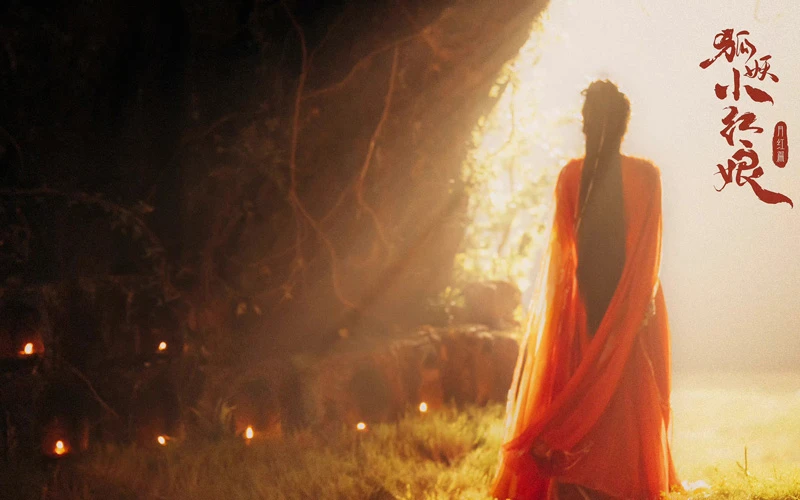
On the afternoon of May 22nd, "Fox Spirit Matchmaker: Red-Moon Pact" held an advance screening in Beijing. Five specially invited experts, along with media representatives and 300 audience members, gathered to watch the exciting first two episodes of "Fox Spirit Matchmaker: Red-Moon Pact" on the big screen. They engaged in in-depth discussions with the executive producer of "Fox Spirit Matchmaker: Red-Moon Pact" and senior vice president of iQIYI, Dai Ying, as well as directors Mai Guanzhi and Du Lin. The five experts were Wang Yichuan, Vice Chairman of the China Literary Critics Association; Kang Wei, Editor-in-Chief of China Art News; screenwriter Song Fangjin; renowned director Lin Nan, known for his expertise in fantasy genres; and Li Yinghui, an expert in filigree inlay and lecturer at Zhejiang International Studies University. Li Yinghui was also involved in the prop production for the series and shared the rich history of filigree inlay craftsmanship with the audience, highlighting its clever application in the show. The experts provided immediate feedback and shared their impressions and evaluations of "Fox Spirit Matchmaker: Red-Moon Pact." Wang Yichuan: Embodies the chivalrous spirit of traditional Chinese culture I've had limited exposure to fantasy dramas in the past, so I… -
How Chinese Post-85 Actresses Changing the Cdrama Industry
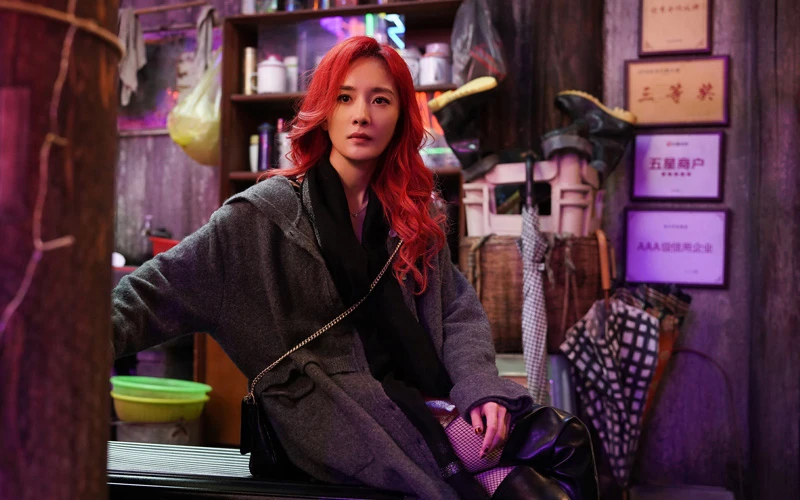
This year, the film industry has witnessed a perplexing move with the movie "Nothing Can't Be Undone by a Hotpot" being pulled from theaters and switched to streaming online. Just five days after its release, the film was withdrawn from cinemas, citing "various environmental factors" leading to low scheduling rates, with plans to re-release it at a later date. However, just six days after its withdrawal, this movie, originally intended for theatrical release, suddenly appeared online where it became accessible to subscribers without even a separate fee, leaving those who had paid for tickets feeling betrayed. This shift has significantly impacted Yang Mi, the lead actress, beyond just the director. This year has been pivotal for her, with not only "Nothing Can't Be Undone by a Hotpot" but also the spy drama "In the Name of the Brother," marking a substantial shift in her career towards both film and television. These roles signal a clear intention to transform, aligning with the broader trend among her peers from the post-85 actors, striving to redefine their artistic directions. Post-85 Full-scale Transformation in Film and Drama With "In the Name of the Brother" setting the stage and "Nothing Can't Be Undone by… -
Cultural Reflections in Heroes: A Modern Take on Historical Narratives
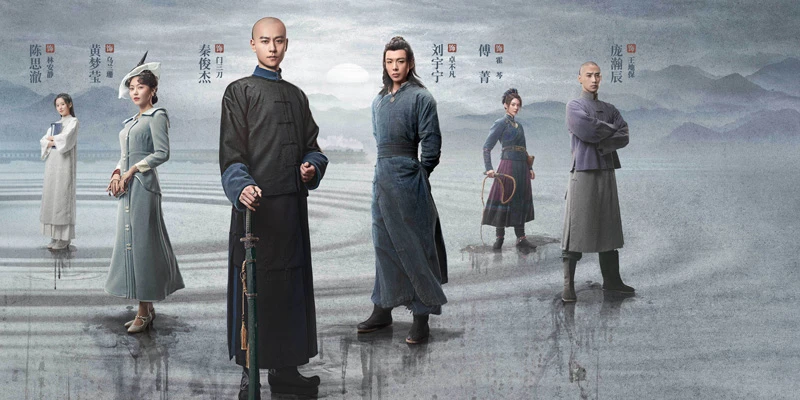
The audience for male-oriented dramas tends to believe in seeing is believing. They won't easily recommend a show or become fans of it just because it's based on a popular work or stars a well-known actor unless they've seen it with their own eyes. Recently, a lot of people have been enthusiastically recommending "Heroes" on social media, which premiered on Tencent Video and iQIYI on May 8th. The series, created by Bai Yicong with directors Lou Jian (known for "The Imperial Coroner" with a rating of 8.0 on Douban) and Wei Lizhou (director of "Ultimate Notes" with a rating of 8.2 on Douban), focuses on a martial arts theme set in a tumultuous era. It features mysterious cases, legendary heroes, treasure hunting in chaotic times, and a strong sense of patriotism. Although it hasn't been rated on Douban yet, the word-of-mouth has been rapidly and positively spreading. Just four episodes in, Tencent Video's binge-watching audience rated it an impressive 9.2. Discussions about the details of the drama are always heated, whether on social media platforms or in the comment sections of the two major streaming services. For instance, the real identity of Lin Anjing (played by Chen Siche) was guessed… -
Discovering Su Dongpo in Ding Feng Bo - Classic Chinese Documentary
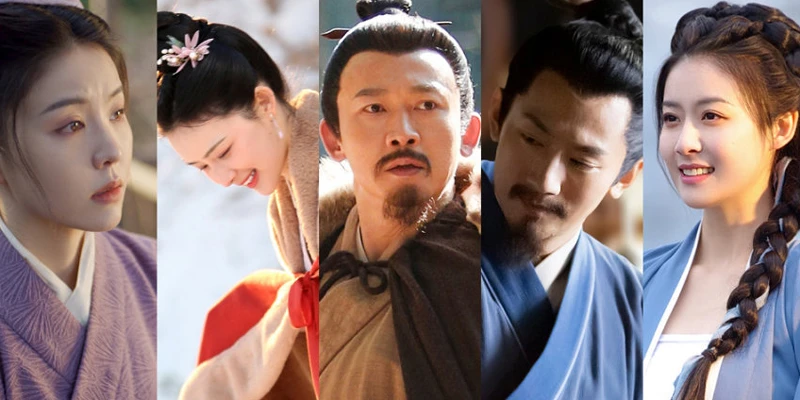
In 2023, China Central Television released a remarkable documentary about Su Shi titled "Ding Feng Bo (定风波)". Covering themes like poetry, art, cuisine, travel, and society, the series revisits the tumultuous life of Su Shi, also known as Su Dongpo, highlighting how his attitude toward life continues to inspire us today. Su Shi is portrayed by Nie Yuan, who, at 45, skillfully captures Su Shi's life from his 20s to his old age. Whether it's his youthful ambition as he begins his official career, his diligence in serving the people, his despair during the "Crow Terrace Poetry Case," or his optimism after being exiled, Nie brings each phase of Su Shi's life to vivid life, making this arguably the best on-screen portrayal of Su Shi to date. The five episodes of "Ding Feng Bo" are titled "Chu Chuan Ji," "Hu Shan Ji," "Mo Jie Ji," "Xuan Hu Ji," and "Jie Lu Ji." The cinematography greatly enhances the aesthetic quality of the series, perfectly aligning with the artistic ambiance of Su Shi's poetry. Every frame is stunning enough to be a wallpaper. Su Shi is often remembered as a literary giant who loved life, but in truth, he faced much hardship,… -
Navigating 2024's Chinese TV Dramas: New Themes, Global Appeal, and Innovative Storytelling
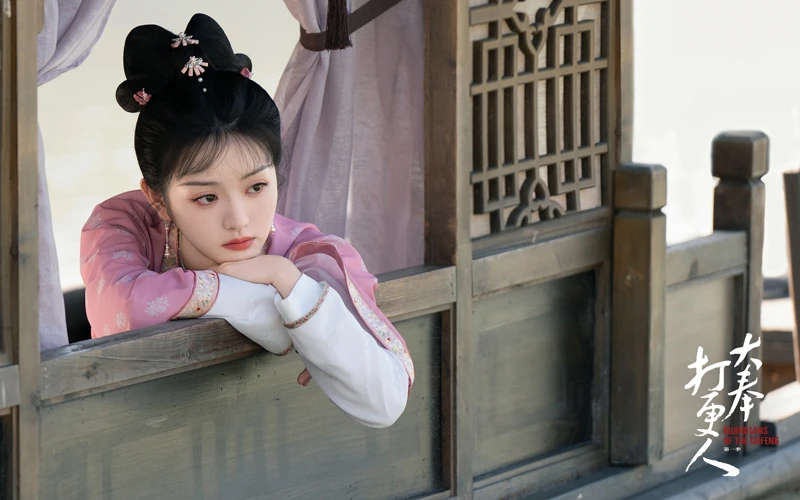
Currently, after shedding the excesses of previous bubbles, long-form video content has entered a phase of steady, high-quality growth. As the most crucial sector of long-form video, series have become the primary battleground for platforms. However, competition in this space has evolved to be more positive. Rather than resorting to cutthroat tactics, platforms are solidifying their unique advantages based on historical experience, cultivating differentiation that cannot easily be replicated by competitors. They are reinforcing their distinctive brands to build a content moat. A retrospective view of the 2023 series market and a preview of 2024 through platform content lists reveals this underlying logic clearly. Reflecting on 2023 Series In 2023, effective cumulative plays for series surpassed 300 billion across the entire network. Despite challenging external conditions, the market achieved remarkable breakthroughs. Two main pillars supported this performance. Major flagship dramas on each platform exhibited outstanding market performance, primarily in conventional mainstream genres. Examples include "The Knockout", and "Who Is He", which are suspense series that enjoy broad audience appeal. Their concurrent premieres on both online and traditional TV platforms achieved high online popularity and television viewership. Ancient romances drama like "Till the End of the Moon", "Lost You Forever",… -
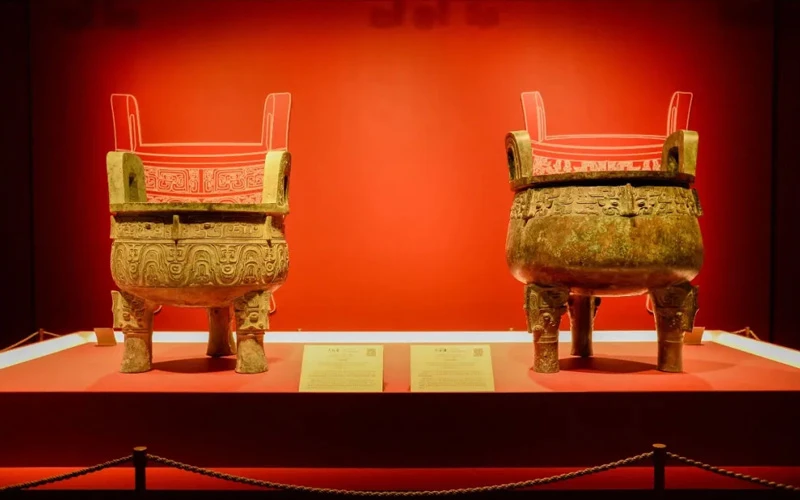
Discover China's 10 Most Iconic Bronze Ding: Symbols of Power and Ceremony
Two weeks ago, at a significant meeting on the "Archaeology of China" project, held in Huainan, Anhui Province, a major discovery was announced. Archaeologists revealed that a bronze Ding unearthed from the "Wu Wangdun" site, the largest and most intricate high-status Chu tomb excavated to date, set a new record for the largest Chu cultural Ding found in China. Measuring 88.3 cm in diameter and about 1.2 m in height, this vessel surpasses the renowned Zhuke Dading (or "Chu Dading"), a prized artifact of the Anhui Museum. Although it doesn't rival the monumental Houmuwu Ding, its discovery has still sparked great excitement. As China national treasure, each bronze vessel is not only a marvel to craft but also a supreme symbol of power. Historically, the Ding size indicated one's status and authority. Records show that ancient nobles cooked various meats separately in different vessel, directly serving from them. Later, the Zhou Li stipulated a hierarchy of Dings: nine for the emperor, seven for lords, five for ministers, and three for officials. Thus, their size and weight took on special meaning, remaining a point of fascination even today. We know the largest and heaviest Ding in China is the Houmuwu Ding,… -
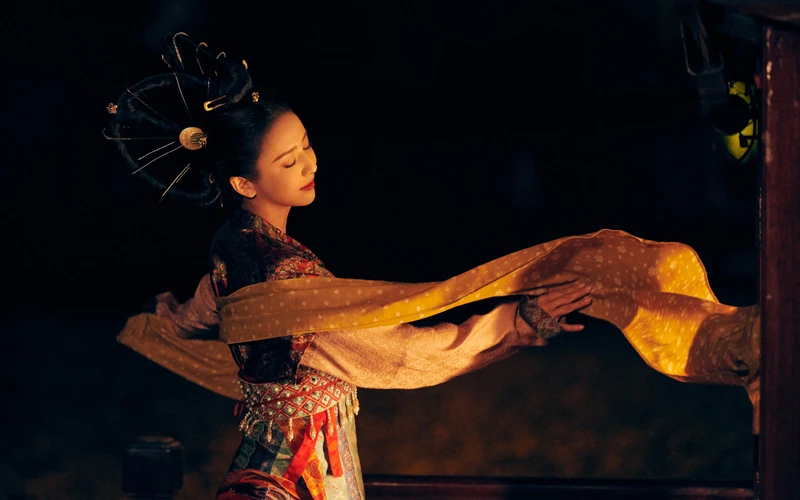
Tong Liya Captivates in Traditional Hanfu at the Majestic Longmen Grottoes in Luoyang
Spring in Luoyang offers countless reasons to visit: feel the breeze by the Luo River, admire the late-blooming peonies, savor the street-side beef soup, and perhaps even encounter a celebrity. Not long ago, Tong Liya visited Luoyang, where she witnessed the millennia-old charm and blooming vitality of the city. When actress Tong Liya encounters the ancient capital that thrived through thirteen dynasties, what breathtaking scenes unfold? The April issue of "National Geographic Traveler," themed "Blossoming Luoyang," has the answer. As night descends and the lanterns glow, the Longmen Grottoes light up with the brilliance of three thousand lamps, merging light and shadow art with the cave sculptures and natural scenery into a dazzling visual feast. Each moment in Luoyang's millennia-old history, from its landscapes to its cultural treasures, has traversed the passage of time to reach us today. Late at night, as boats glide past the Longmen Grottoes, fluttering garments and shimmering reflections on the water tell the city's thousand-year story. Over the 5,000-year stretch of civilization, Luoyang has witnessed countless ebbs and flows, while peonies have intertwined with the city's history like silent witnesses, narrating the brilliance and splendor of Luoyang's past through their beauty. Every April and May,… -
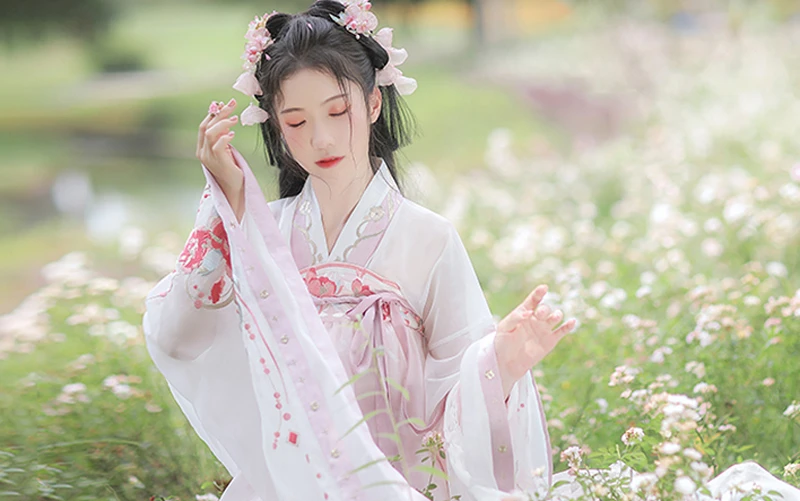
The Evolution of Spring Hanfu Attire Across Dynasties
Spring, the revival of nature, brings new life and hope. As everything is renewed, hanfu enthusiasts are also looking for inspiration for the new season's outfits. Spring is the perfect time to show off the style of hanfu, with the perfect combination of light fabrics, bright colors and classical designs, displaying an irresistible charm. In this article, we'll take a look at the latest trends in hanfu for spring 2024, so let's step into a fashion world full of classical beauty and feel the perfect blend of ancient style and modern aesthetics. Spring Dressing in Ancient China Shan (衫, shirts) and Ao (袄, jackets) are garments frequently worn in the springtime within the traditional hanfu attire. Typically crafted from lighter, more delicate materials such as brocade and silk, they suit the climatic characteristics of spring. The Banbi (半臂, half-sleeve shirt), owing to its lightweight nature, is especially popular during this season. It can serve both as an inner shirt and as an outer garment. Highlighting the interlined garments that provide warmth without causing overheating, thus becoming the favored choice in spring hanfu. These consist of a single layer underneath with a silk outer layer. Since the pre-Qin period, it… -
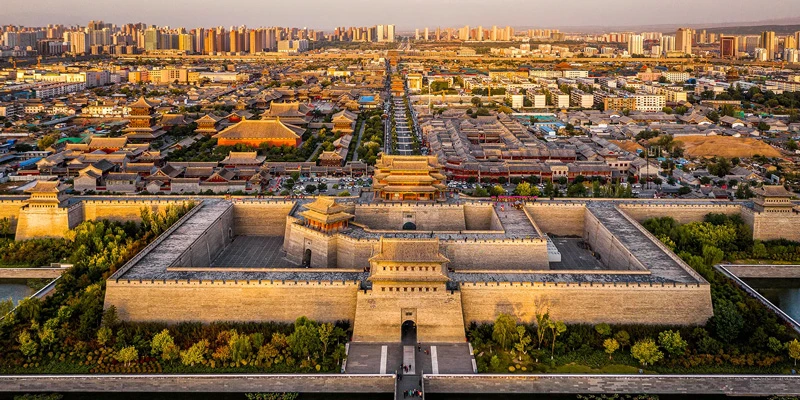
A Journey Through City Datong: From Hanging Temples to Historical Yungang Grottoes
In our historical memory, there is such an ancient city: here, King Wuling of Zhao implemented the Hu-style clothing and archery, cultivating a dominant northern power that could rival the Qin Dynasty among the seven warring states; Emperor Gaozu of Han, Liu Bang, battled fiercely against the Xiongnu, marking the rise of the Great Han Empire and engaging in ultimate clashes with the peak period lords of the grasslands; Emperor Xiaowen of Northern Wei carried out reforms here, sowing the seeds of a prosperous era, as writer Yu Qiuyu praised, "China advanced towards the Tang Dynasty from here." This is city Datong. In this article, let us follow the Di Dao Feng Wu to understand this city together. In recent years, more and more people have rediscovered Shanxi, uncovering the dazzling ancient architectural treasure trove hidden behind the coal and vinegar; and more and more attention has been drawn to Datong, this understated ancient city just over 330 kilometers away from Beijing. People flock here, marveling at the grandiose rebuilt city walls, lingering in the magnificent and exquisite Yungang Grottoes that have stood for a thousand years, and being amazed by the Hanging Monastery perched on the cliff; yet this… -
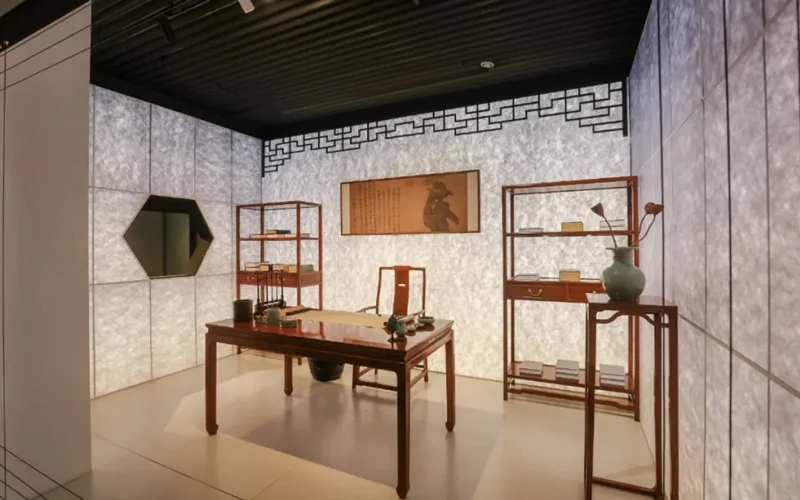
The Traditional Chinese Study Room: A Haven for Literati
The ancient Chinese revered the saying "Read ten thousand books, travel ten thousand miles" as the supreme path to pursuing knowledge. While traveling ten thousand miles requires venturing out into the vast lands, where should one go to read ten thousand books? Some may argue that in the past, there were examples like Kuang Heng of the Han Dynasty who read by the light coming through a hole in the wall, or Che Yin of the Jin Dynasty who read by the light of fireflies in a sack. As long as there is a desire to read, does it really matter where one reads? Is a specific location truly necessary? Ancient literati believed that they were a group with aspirations, where each day included moments of quiet contemplation, accompanied by tea, poetry recitation, writing poems, and ultimately, writing in the Shu Zhai (书斋, study room). The study room was a specific space for literati to read and write, akin to a modern-day studio. However, the study was not merely a functional physical space; it encompassed rich spiritual and cultural symbolism, existing as a unique entity in the minds of literati. From site selection, design, construction, and decoration, to naming, couplet… -
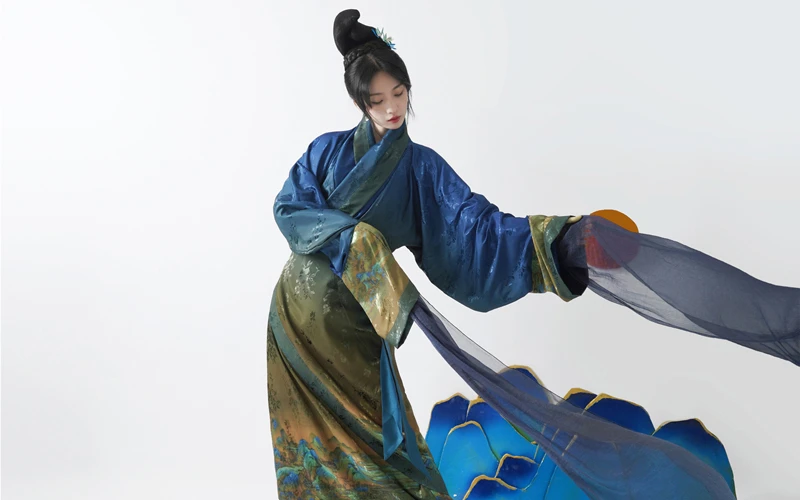
From Dynasties to Daily Wear: The Resurgence of Hanfu Fashion
Mamian skirt, Qixiong dress, and the hundred-pleat skirt; wearing traditional Hanfu has become a new trend in public attire in recent years, whether it be for sightseeing, wedding ceremonies, shopping, friend gatherings, and various other occasions. The "Hanfu craze" continues to rise, blending tradition with modernity, activating cultural resources, igniting the consumer market, and driving industrial development. In recent years, Hanfu has gradually gained popularity among the younger generation, with their youthful expression and fashionable presentation bringing Chinese traditional culture into daily life in a tangible and palpable form. The long-standing Chinese traditional clothing culture embodies a blend of Chinese aesthetic interests, reflecting not only a consumer choice but also the Chinese people's love for outstanding traditional culture. Demand exceeds supply During the Spring Festival and Lantern Festival of the Year of the Dragon, the activity of "wearing Chinese costumes for free to visit the Confucian Temples" in Qufu City, Jining, Shandong, has been well received. Wang Chunling, a visitor from Liaoning, traveled a long distance with friends to play here, attracted by the lively atmosphere of night tours in the ancient city of Qufu and folk performances, and dressed in Hanfu to join the parade. This year, garments… -
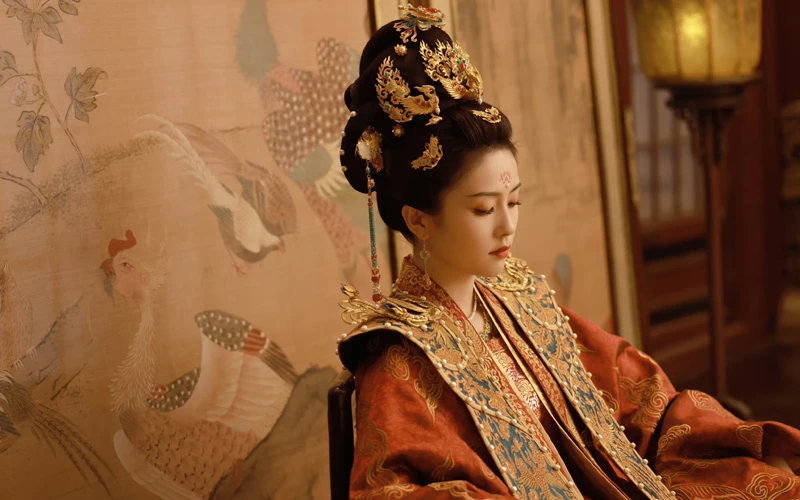
Huadian Through the Ages: Its Significance and Evolution in Chinese Television
The recent short drama "Fortune Writer" has gained popularity, with its exquisite costume and constantly twisting plot captivating many netizens. Seizing this momentum, many people have revisited acclaimed short dramas such as "A Familiar Stranger" and "The Killer Is Also Romantic," only to discover a commonality in the art direction - almost all female characters are adorned with Huadian makeup. Not only in short dramas, but also in large-scale costume dramas, there seems to be a strong preference for Huadian makeup, as seen in productions like "Story of Kunning Palace," "A Journey to Love," and "Yong An Dream." The prevalence of Huadian makeup seems to set a unified aesthetic trend in historical costume dramas. Why do period dramas favor the use of Huadian makeup? And why are these Huadian often red in color? Huadian: The Creative Aesthetics of Ancient China The beautiful Huadian makeup actually dates back to the Spring and Autumn Period and the Warring States Period in ancient China. Professor Cao Lifen from Liaoning Normal University's School of Literature once mentioned that on the faces of painted female figurines unearthed from Chu tombs in Changsha during the Warring States period, there were three rows of circular dots…