Search Results for: tang
Pankou: Shanghai Show Revives the Frog-Button Craft
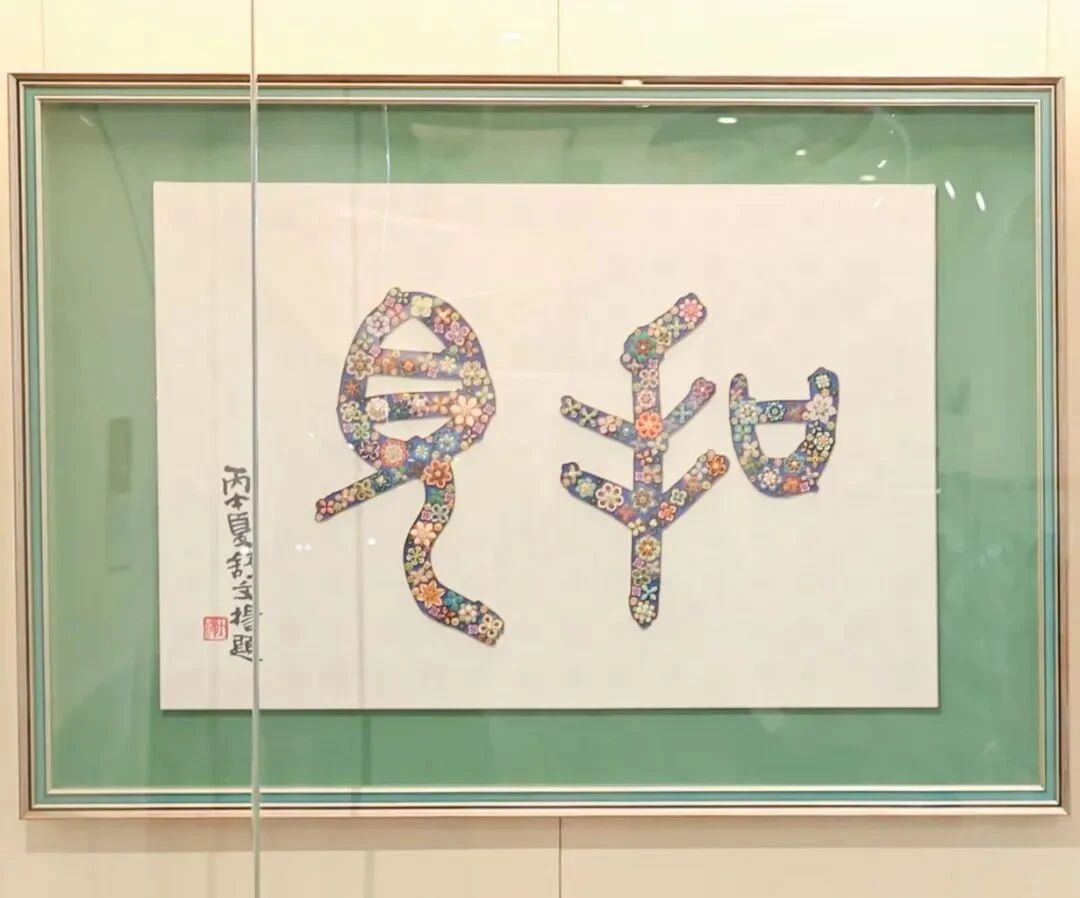
Shanghai’s Zhangyuan Art Museum (张渊艺术馆) in Minhang District set out to answer one question with its current exhibition: what happens to a craft once it leaves the seam of a garment? The result, “Kou Jian: Worlds Between Fingertips — a Shanghai-style Pankou art exhibition”, opened on August 13 and runs through August 31, from 10:00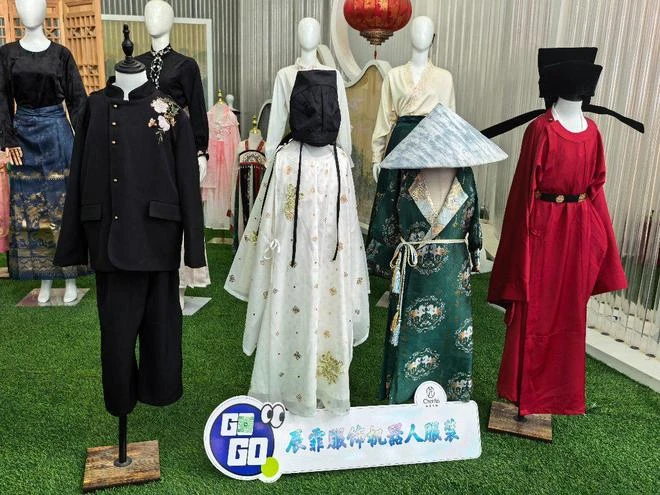
Caoxian’s Robot Hanfu Line Books 2,000 Orders in 4 Months
2,822 Hanfu companies, 15,627 online stores, 224 physical experience shops, a workforce of nearly 100,000 and 13 billion yuan in 2025 sales — those are the numbers Caoxian County (曹县) in Shandong built its reputation on. Its newest line of business is clothes for humanoid robots, and orders are arriving faster than the county’s usual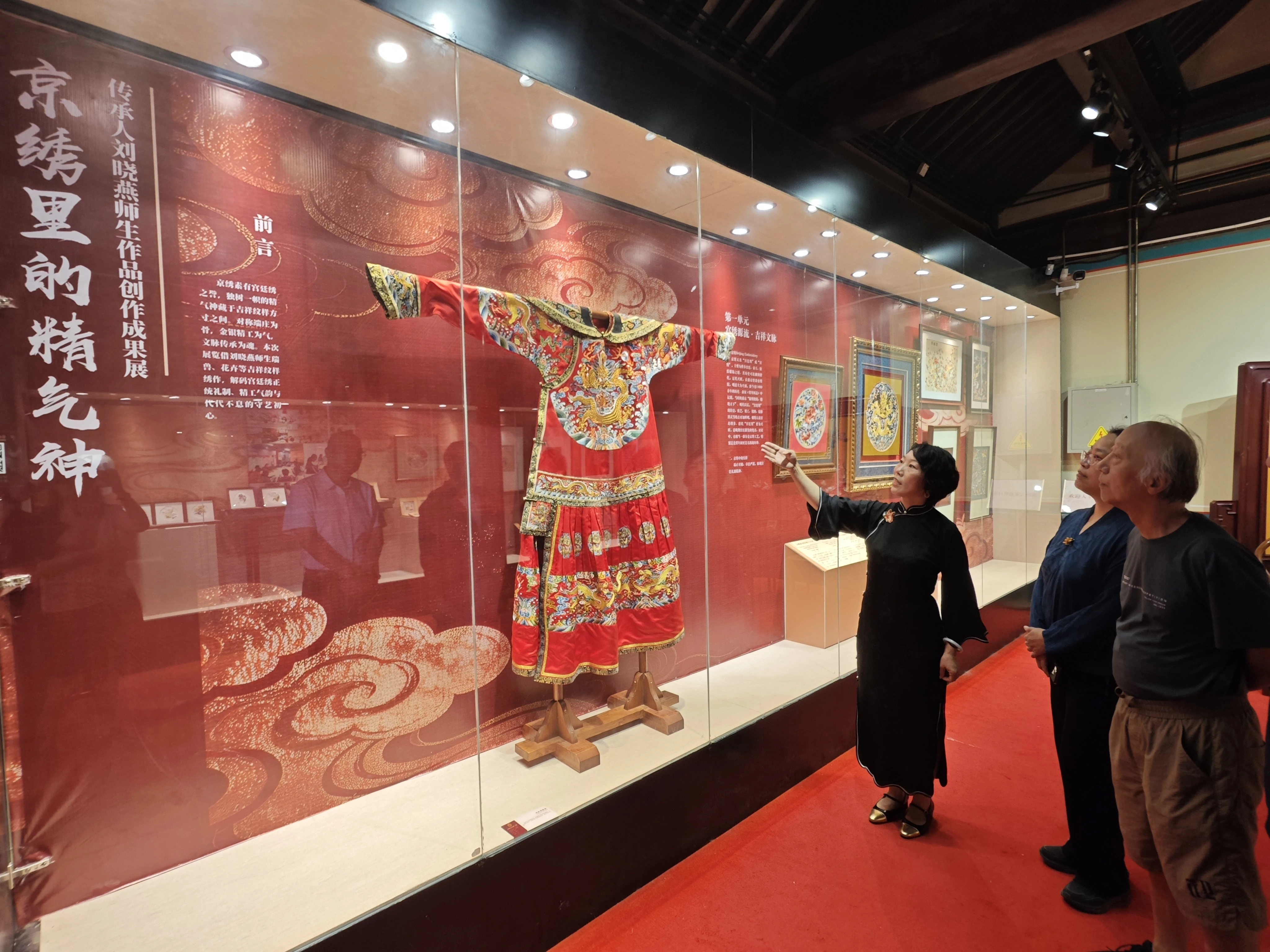
Yanjing Bada Museum Welcomes Jing Embroidery’s Spirit Show
On August 22, “The Spirit of Jing Embroidery” (京绣里的精气神), a teacher-student exhibition of Li-family Jing embroidery by fifth-generation inheritor Liu Xiaoyan (刘晓燕), opened at the Yanjing Bada Museum (北京燕京八绝博物馆) in Beijing’s Shijingshan District (石景山区). The show presents close to a hundred recent works of Jing embroidery (京绣) and runs through October 22. The Palace Embroidery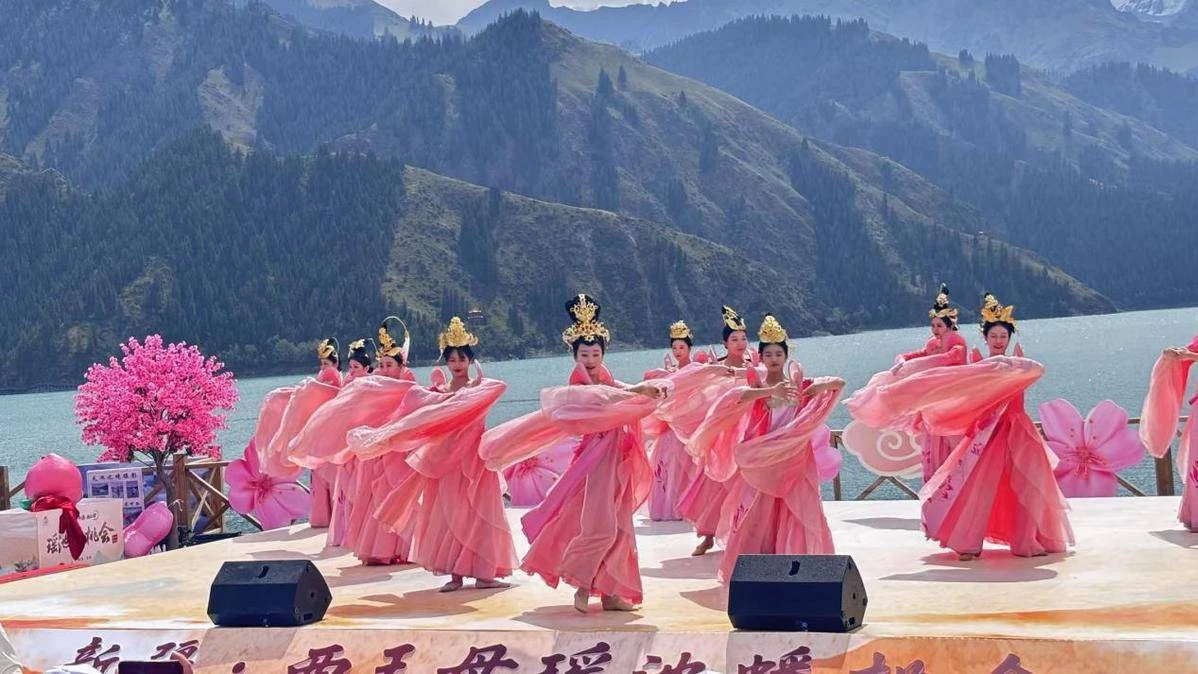
Xiwangmu Peach Festival Opens With a 1,000-Seat Feast
At dusk on August 21, the two blocks of Yaochi Tianjie (瑶池天街) filled with tables placed end to end, and servers dressed as the fairies of the Jade Pool moved down the line with platters. The moment marked the opening of the 2026 Xiwangmu Yaochi Peach Festival (西王母瑶池蟠桃会) at the Tianshan Tianchi (天山天池) scenic area
Gu Embroidery’s 20th Anniversary Show Lands in Songjiang
When an international invitational exhibition makes its first stop in Songjiang (松江), it arrives with a local reason for being there: this year marks twenty years since Gu embroidery (顾绣), the district’s signature needle art, was listed in the first national batch of intangible cultural heritage. The occasion is the subject of a dedicated gallery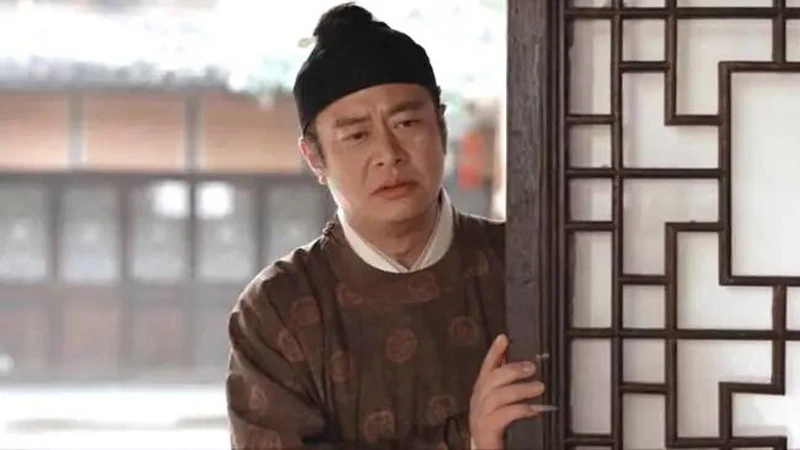
When Long Nails Marked Chinese Male Nobility
In the period drama The Mo (家业), a curious detail catches the eye: Lord Yan (言), a male character from the Ming dynasty, sports an elongated and glossy fingernail on his little finger. It looks deliberately manicured—almost like modern nail art. This seems odd. Ancient Chinese men grooming their nails? Many viewers immediately assume he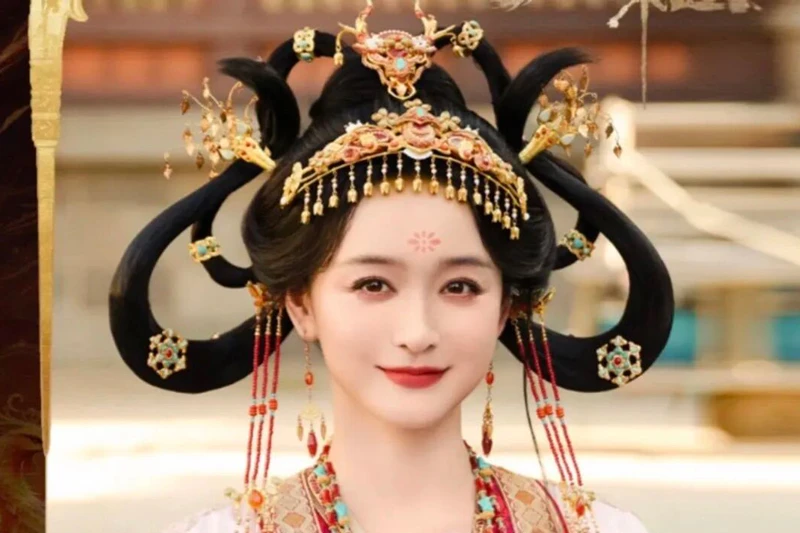
Yiji: The Hidden Engineering of Old Chinese Hairdos
How did ancient Chinese women achieve gravity-defying hairstyles without modern tools? The answer lies not in natural hair volume, but in a sophisticated system of wigs, hidden pins, and natural styling gels that would impress any modern hairstylist. From the towering buns of the Tang Dynasty to the seemingly loose, floating locks of the Wei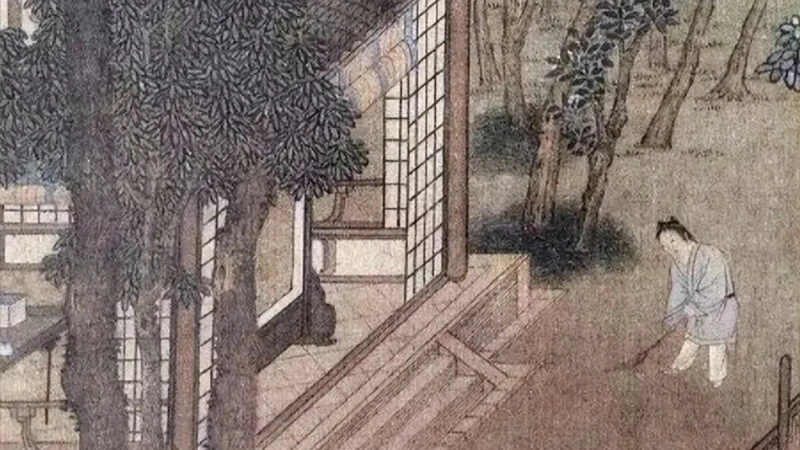
What Did Ancient Chinese Use Instead of Wardrobes?
Open any modern closet, and you will see rows of hangers, folded stacks, and perhaps a chaotic pile of clothes you keep meaning to organize. Now, imagine traveling back in time to ancient China. You would search in vain for a closet as you know it. So where did they keep their garments? The answer