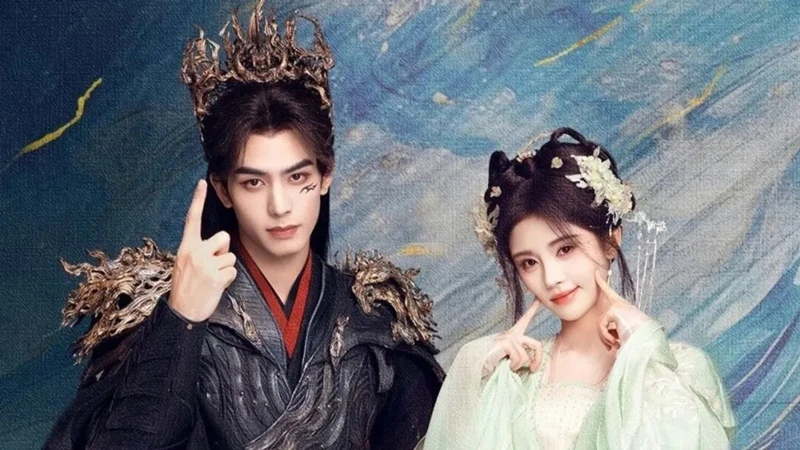
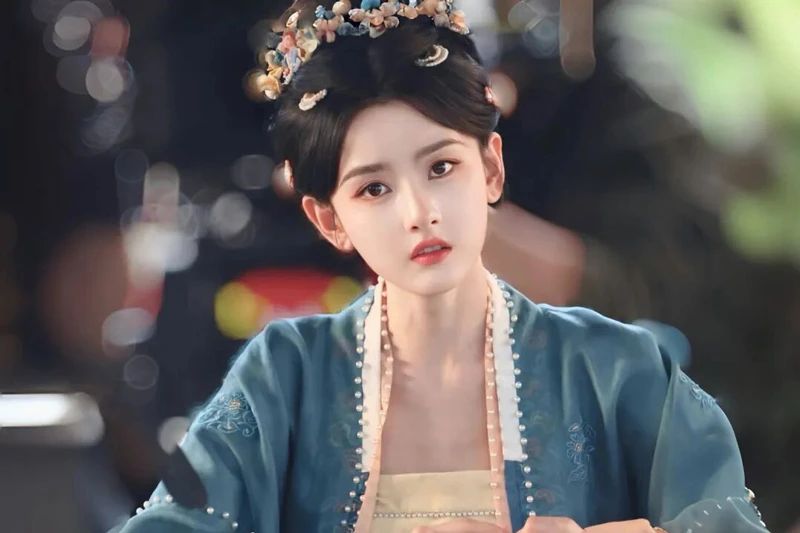
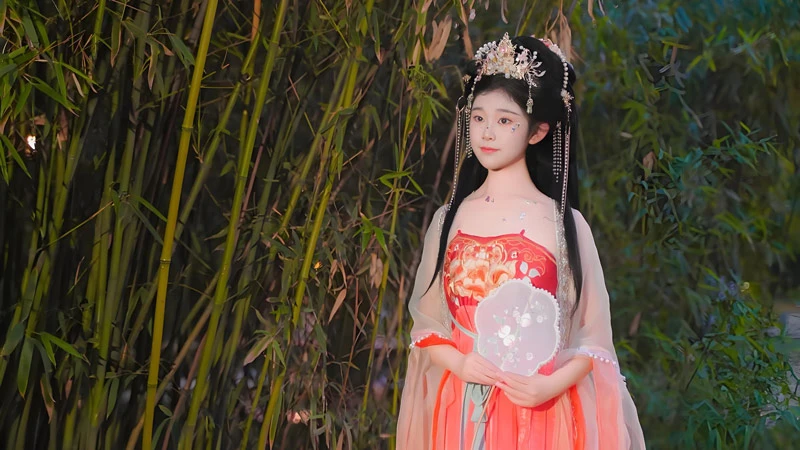
It dropped without warning. Four episodes aired yesterday on Youku, and the forty-episode costume Xianxia (仙侠) fantasy is already causing a stir. Starring Ju Jingyi (鞠婧祎) and Song Weilong (宋威龙), this one landed with zero prior fanfare after months of postponed dates. Three episodes in, and the laughter hasn’t stopped. It feels like a genuine
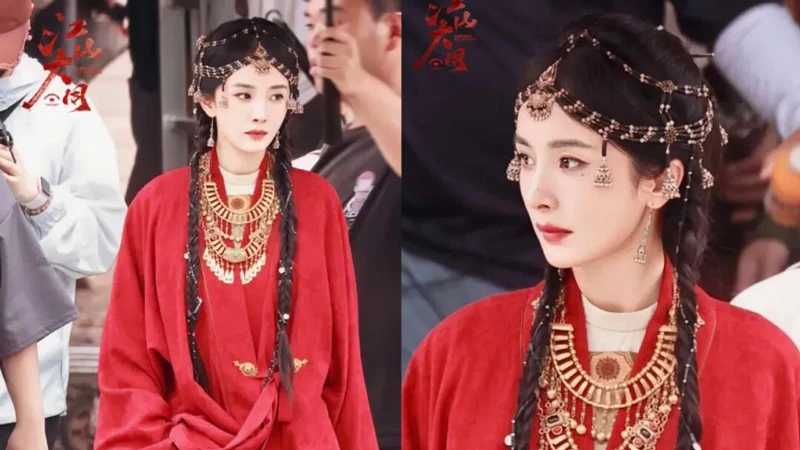
Yang Mi (杨幂), the Chinese actress, recently stepped into the spotlight wearing a deep vermillion robe for her role in the historical drama Jiangshan Datong (江山大同). The internet buzzed not just about her performance, but about the color itself. It is a common belief in China that wearing red improves one’s complexion. But is it
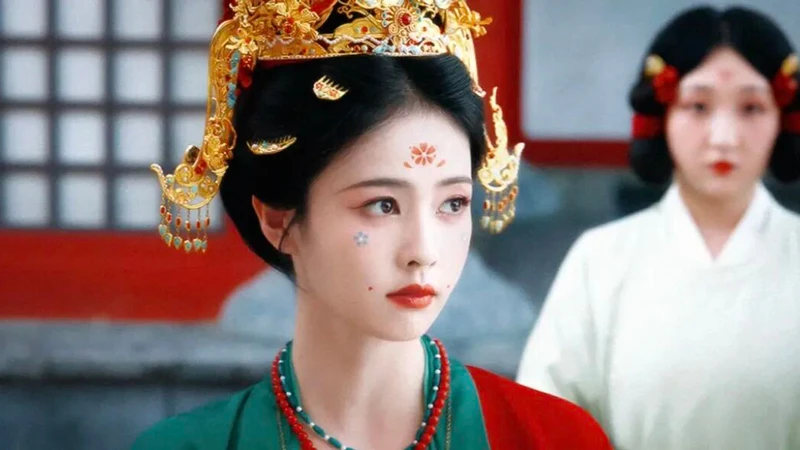
It is a common saying that the devil is in the details. This is particularly true for historical dramas, where the visual aesthetic is critical to the storytelling. The recent drama The First Jasmine (莫离) sparked debate when its wedding scene featuring actress Bai Lu (白鹿) began circulating online. While the overall look of the
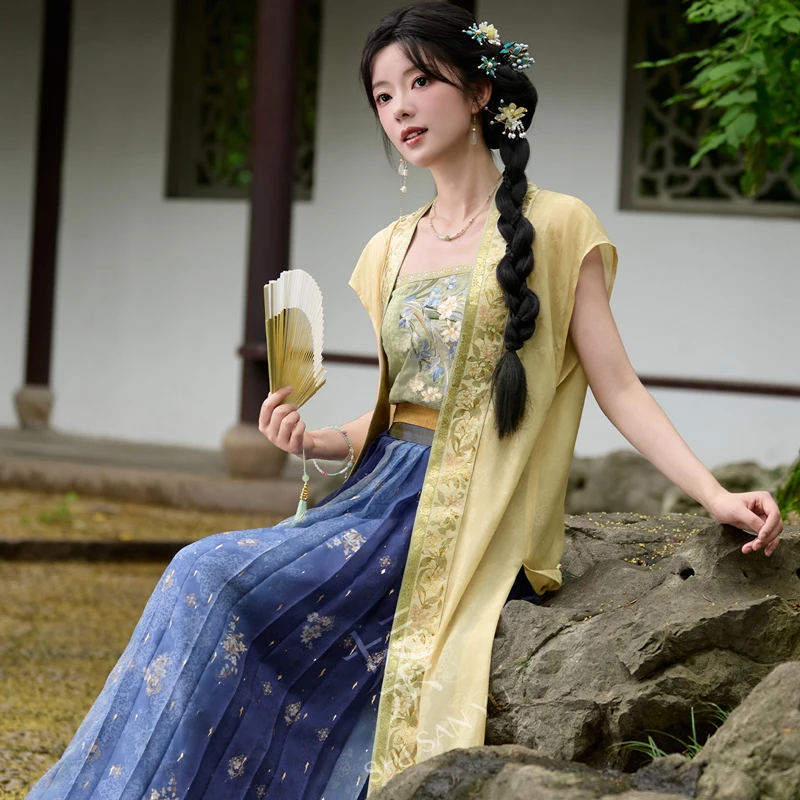
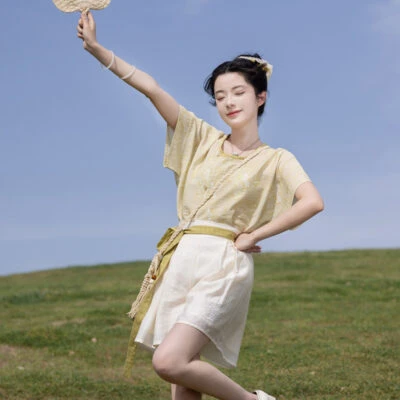
Brand: Shi San Yu (十三余)
Original Listing on Taobao: Jin Yue Ye (金月夜)
Tips: you may need to login Taobao to access the page.
Item Includes: 3-Piece Set / 1x camisole, 1x shirt, 1x skirt
Please note that the pattern print is not fixed, the position will be random and differ from the product images, and the items do not include the accessories and jewelry shown in the model picture, such as the headdress, necklace, fan, belt, etc.
Measurement of the clothes (S/M/L/XL):
Camisole Chest: 78-92/82-96/86-100/90-104CM
Camisole Length: 56.5/57/57.5/58CM
Shirt Chest: 113/117/121/125CM
Shirt Length: 111.5/114/116.5/119CM
Skirt Waist: 98/102/106/110CM
Skirt Length: 99/102/105/108CM
*Note: The unit is CM, 1 inch = 2.54 cm; Please make sure the product's measurements will fit your daily wear size, or view the complete Size Guide Chart to get more help.
If you have ever watched a historical Chinese drama set in the Song or Ming dynasties, you might have noticed a peculiar detail on the costumes. Whether it was a nobleman in elaborate silk robes or a scholar in simple linen, a stark, clean white border often framed the collar. It is a visual detail
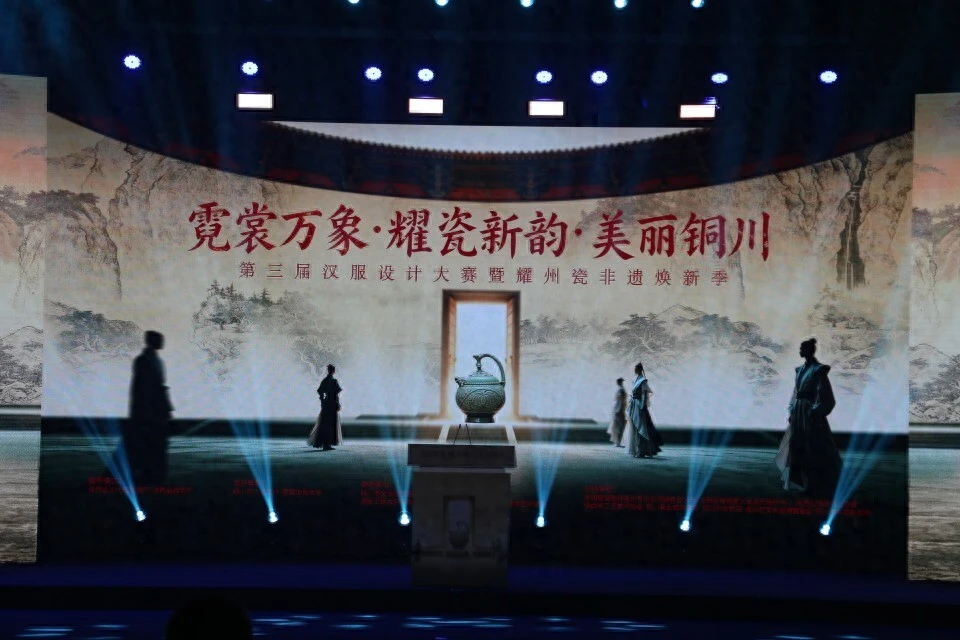
On the evening of June 26, the Third Hanfu Design Competition and Yaozhou Ceramic Intangible Cultural Heritage Renewal Season launched at the Tongchuan Gymnasium in Shaanxi Province. Co-hosted by the Tongchuan Municipal Government and Xi’an Polytechnic University under the guidance of the Shaanxi Provincial Department of Culture and Tourism and the Shaanxi Provincial Department of
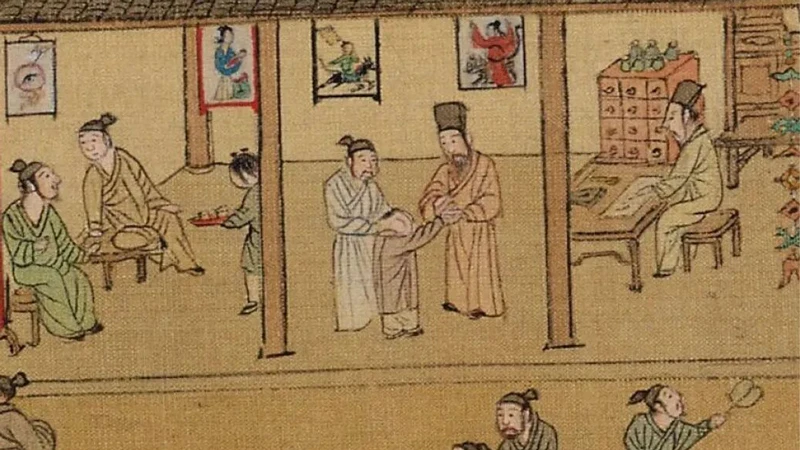
The ancient Chinese medical clinic is a familiar scene in period dramas. In Empresses in the Palace (甄嬛传), we see the wise doctor feeling the pulse of a noble consort. At first glance, the clinic looks like a quiet room filled with mysterious herbs and an elderly physician. However, if you look closer, you will
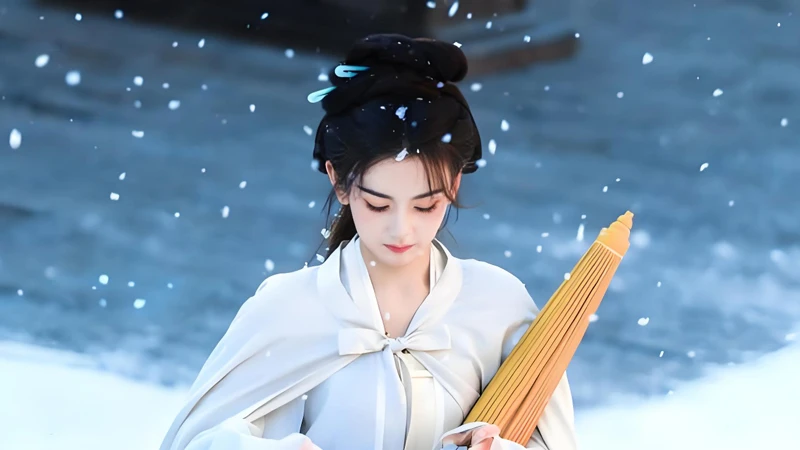
Wuxia (武侠) spectacles are defined by their iconic backdrops: the bamboo forest, the mountaintop monastery, the rain-swept alley. But in recent years, the Guochao (国潮) trend has carved out a new, almost sacred space for the modern historical drama: the snow-covered courtyard. It has become a cinematic cliché, a “pre-made highlight” designed to capture a
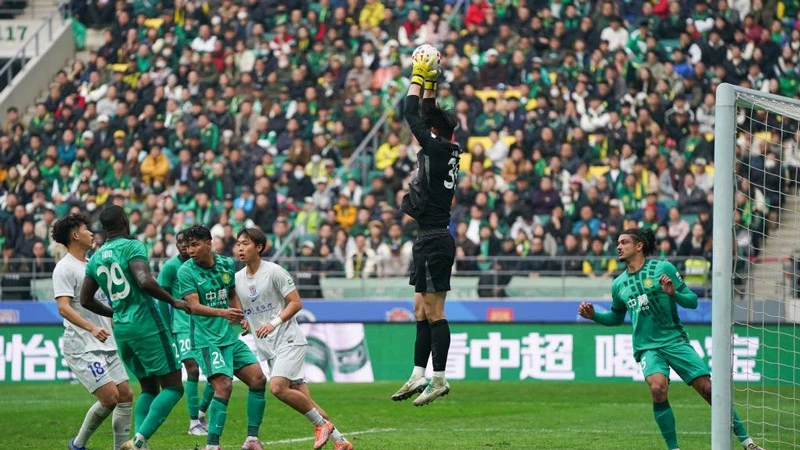
Hanfu enthusiasts across China are currently glued to their screens, watching provincial football leagues and the Chinese Super League. The roar of the crowds is infectious, sparking a nationwide wave of sporting fever. But while you’re cheering for your favorite team, have you ever wondered: what did the ancients do for fun when they weren’t
Hanfu isn’t just clothing. It is a walking philosophy, a visual etiquette manual, and a three-thousand-year-old aesthetic system that the Chinese people have worn on their backs. If you have strolled through any historical site or popular Instagram spot in China recently, you have seen it—flowing robes, wide sleeves, and a quiet elegance that stands