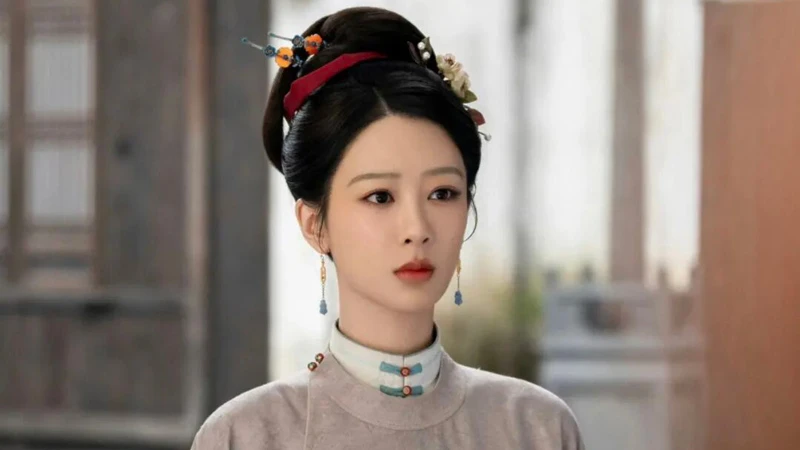
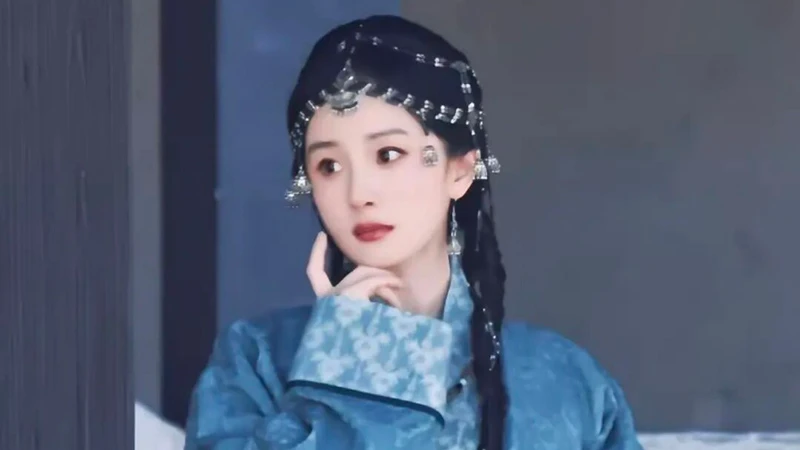
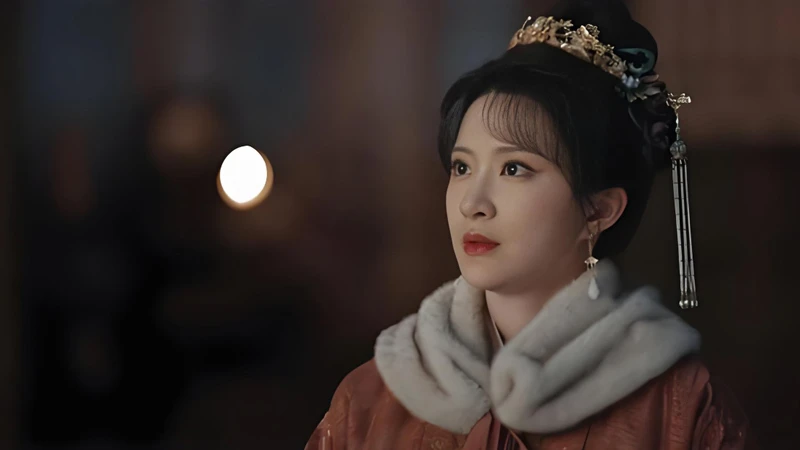
Why does Yang Zi (杨紫) stick what looks like an ear pick into her hair in the new drama The Mo (家业)? It’s not a prop mistake. It’s a clever ancient design that turns a personal hygiene tool into a stunning hair accessory. The moment you notice it, you can’t unsee it—and you’ll start spotting
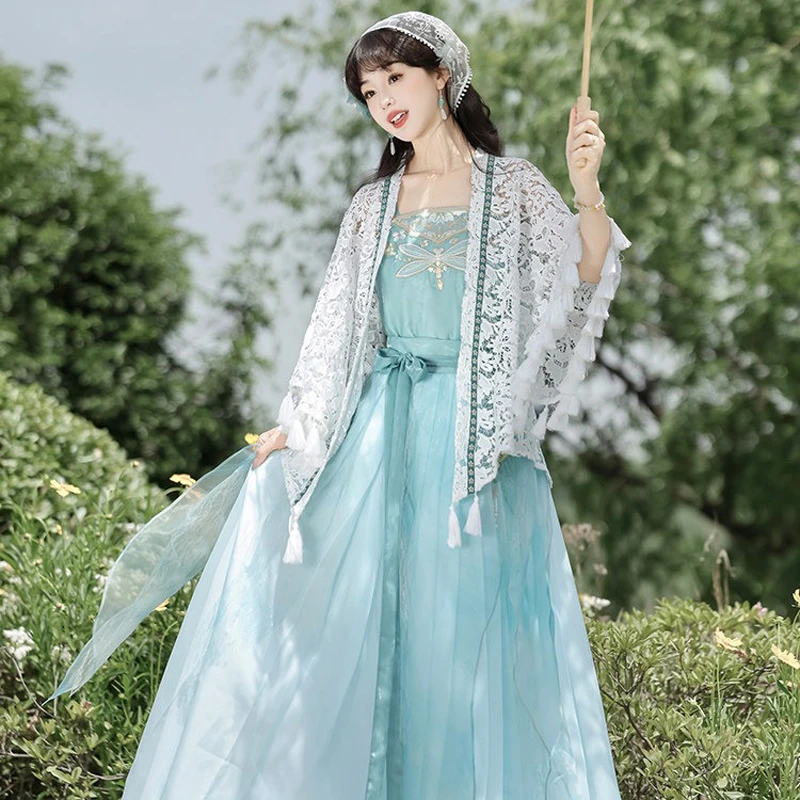
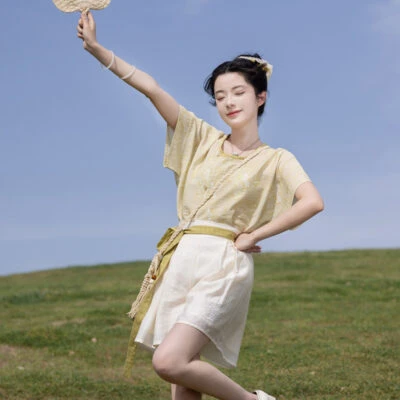
Item Includes: 3-Piece Set / 1x camisole, 1x shirt, 1x wrap skirt
Please note that the pattern print is not fixed, the position will be random and differ from the product images, and the items do not include the accessories and jewelry shown in the model picture, such as the headdress, necklace, fan, belt, etc.
Measurement of the clothes (S/M/L/XL):
Shirt Chest: 88/92/96/100CM
Shirt Length:62/63/64/65CM
Skirt Waist: 102/103/104/105CM
Skirt Length: 96/98/100/102CM
*Note: The unit is CM, 1 inch = 2.54 cm; Please make sure the product's measurements will fit your daily wear size, or view the complete Size Guide Chart to get more help.
Material: Polyester
Recommend Hand-wash with your favorite mild detergent; Cold or warm water, maximum temperature 40°C. When washed, shake off any excess water and let them air dry. (Alternate: washing machine - put clothes into a soft mesh wash bag and run with gentle cycle).
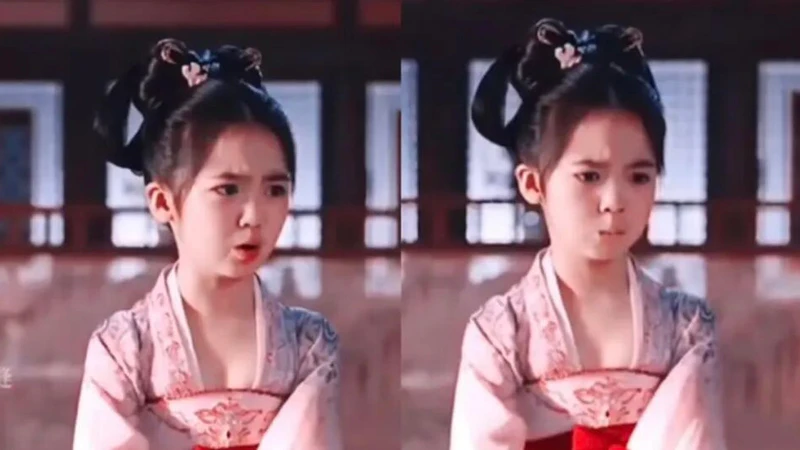
Remember Doudou (肚兜, a traditional Chinese child’s undervest) kid from Nezha? Where is he? That iconic red undervest, worn by the young hero as he romped through summer scenes, is etched into the childhood memories of millions. Yet today’s period dramas rarely show such playful, authentic child characters. Instead, toddlers and young kids appear in
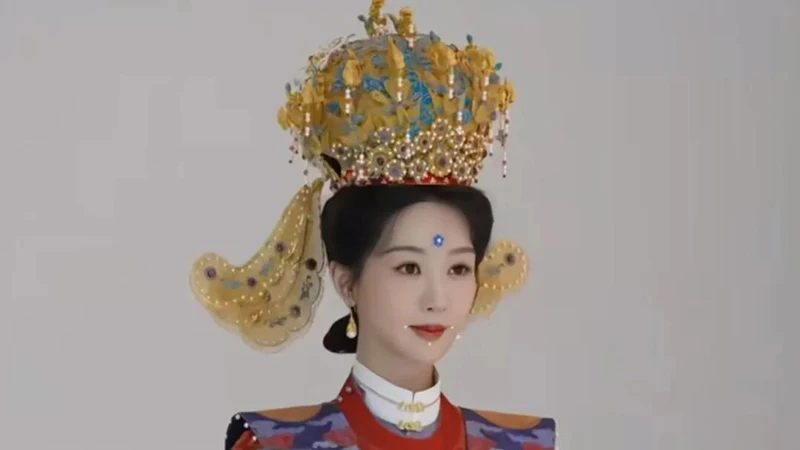
Fans of historical Chinese dramas were stunned when behind-the-scenes photos surfaced of actress Yang Zi in a breathtaking bridal crown from the unreleased episodes of The Mo (家业). The headpiece, a replica of the legendary Twelve-Dragon Nine-Phoenix Crown, never made it to the screen. Why would a production team invest in such meticulous craftsmanship only
On June 11, 2026, the “Heritage Treasures, Guochao Renewal” (非遗好物 国潮焕新) Intangible Cultural Heritage Summer Shopping Month opened with a main event in Suzhou’s Pingjiang Road Historic and Cultural District, Jiangsu Province. Running through late July, the nationwide initiative brings together over 100 intangible heritage workshops and inheritors across three curated themes: heritage cuisine, traditional
When Yang Mi stepped onto the set of the new period drama Jiangshan Datong (江山大同), a single accessory stole the spotlight. A silver-chained headdress with dangling beads and jingling bells—it looked exotic, almost otherworldly. But few knew that this wasn’t some fantasy designer’s whim. Its true origin lies buried in the dirt of the Ma
In the historical drama The Mo (家业), two women suffer betrayal by their own brothers. But one of them—a gifted ink-maker named Luo Mengzhen (骆梦真)—ends up losing her youth, her face, her name, and nearly her life. The other, Tian Ronghua (田荣华), fights back and eventually finds freedom. Why does one sister pay ten times
Did Ancient Chinese Enjoy Sweeter Lives Than Us? From sticky malt treats to lion-shaped sugar sculptures, ancient China turned sweetness into art long before chocolate arrived. This journey through dynasties reveals how malt sugar fueled warriors, how Zhang Qian (张骞) brought back stone honey as a luxury, and how a Tang poet claimed one spoon
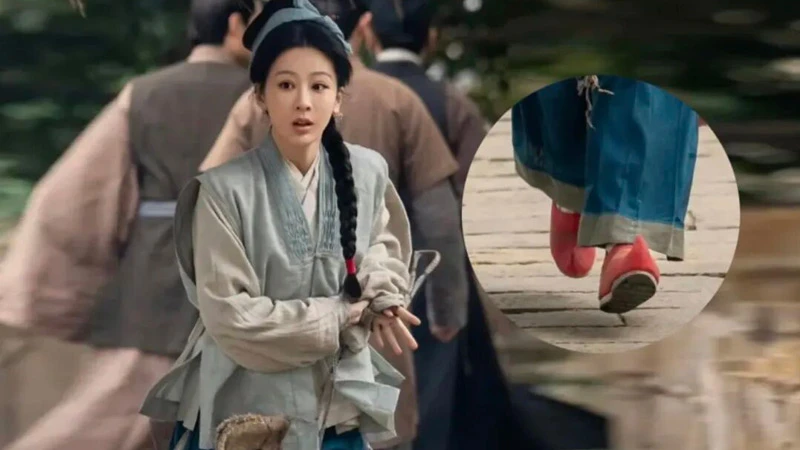
Have you ever watched a Chinese historical drama and suddenly noticed the strange, upturned toes on a character’s shoes? In the recent series The Mo (家业), actress Yang Zi (杨紫) wears a pair of footwear that looks almost like little wooden boats curled up at the front. Viewers often wonder: is this just odd costume
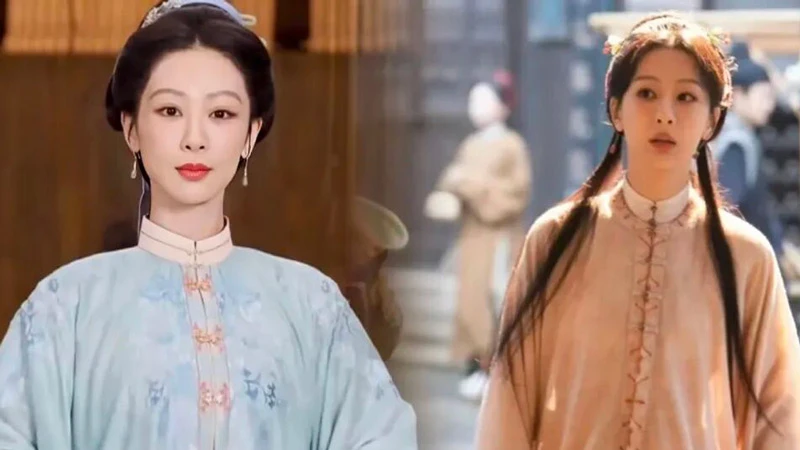
Is The Mo (家业), the hit period drama starring Yang Zi (杨紫) as Li Zhen (李祯), getting its Ming Dynasty (1368–1644) costumes all wrong? Sharp-eyed viewers have noticed a puzzling detail: the cloth buttons on her outfits sometimes look like simple fabric knots, other times like metal snap fasteners. The real debate, however, centers on