
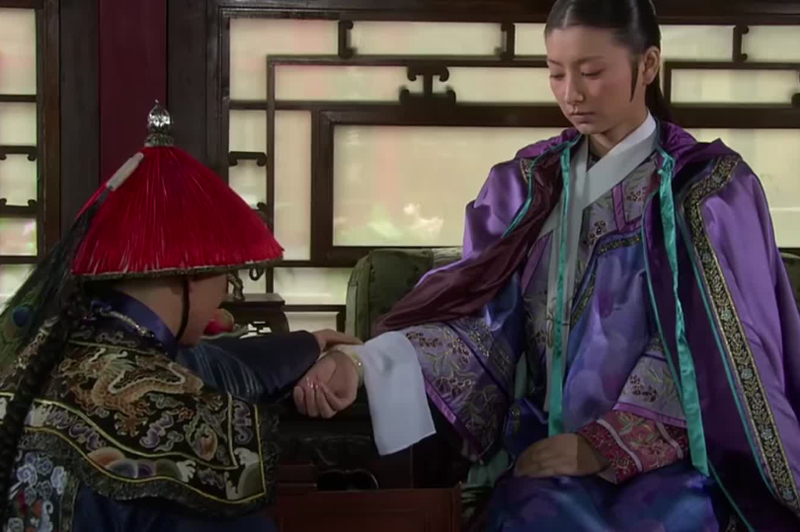
The ancient Chinese medical clinic is a familiar scene in period dramas. In Empresses in the Palace (甄嬛传), we see the wise doctor feeling the pulse of a noble consort. At first glance, the clinic looks like a quiet room filled with mysterious herbs and an elderly physician. However, if you look closer, you will notice a fascinating array of tools. These are not just props placed by the set designers for visual effect. They are the practical equipment of Traditional Chinese Medicine (TCM). This gear represents a history of innovation that spans thousands of years. Let us step into the past and examine the real instruments that were hidden in these historical healing spaces.
Diagnostic Tools
The most iconic item in any clinic was the pulse pillow. It was a small, curved object, often made of wood, ceramic, or fine jadeite. Its purpose was simple but vital. It raised the patient's wrist just enough to allow the doctor to read the pulse accurately. A high-end clinic often housed pillows with beautiful carvings. The carving was not just for beauty; it reflected the cultural idea of the "benevolent heart of a healer." Alongside it sat the tongue depressor. Unlike the wooden sticks of modern times, these were crafted from smooth bamboo or ivory. They were polished until round and shiny so they would not hurt the patient's mouth. He used it to check the tongue coating and color, which gave him clues about the patient's internal health.
Perhaps the most impressive piece of equipment was the acupuncture bronze figure. Created in the Northern Song Dynasty, this was the "smart model" for testing doctors. It was a life-size bronze statue with tiny holes in the skin where the acupuncture points were located. The creators poured water inside and sealed the surface with wax. If a student inserted a needle into the correct point, water would leak out. If it was wrong, the needle would not enter. This was a brilliant invention, and it was created nearly one thousand years before the modern medical model. It was also a powerful examination tool.
Therapeutic Implements
In the treatment room, the acupuncture needles were the star of the show. They were not just one type of tool. The "Nine Needles" were a complete set of nine different shapes. Each one had a specific job. Some were sharp for pricking, some were flat for scraping, and others were used for draining blood or applying pressure. The materials changed over time. Early versions were stone or bone, but later they were made of copper, silver, and even gold. The ability to use this set was a sign of a true master. Nearby, the doctor might prepare the cupping jars. This ancient "suction therapy" originally used animal horns. By the time of the Han Dynasty, it had developed into bamboo or ceramic cups. The doctor would burn a small amount of fuel inside to remove the air, creating negative pressure that stuck to the skin to relieve cold and dampness.
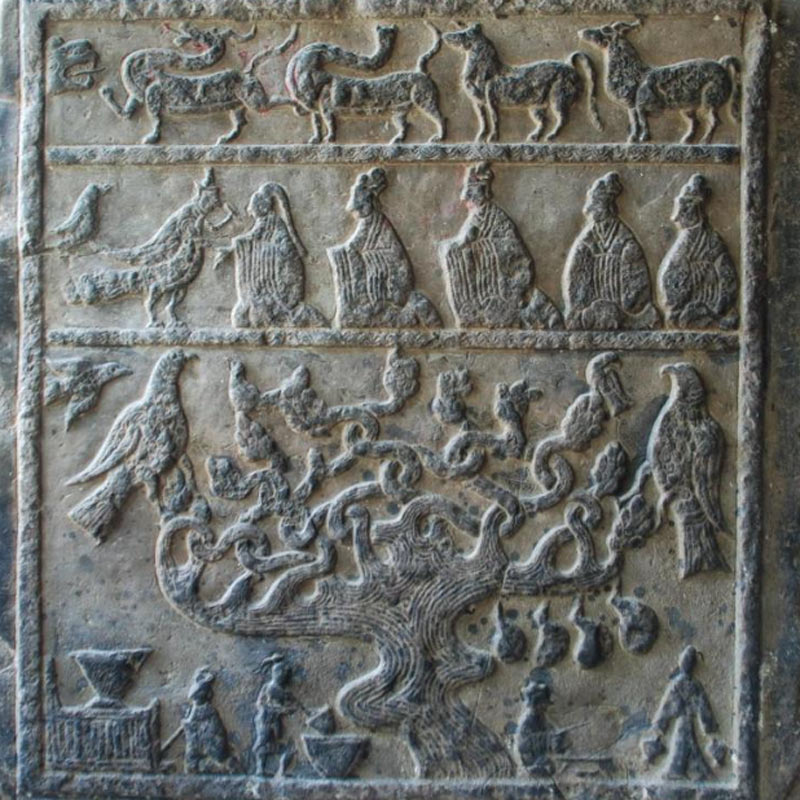
Many people are surprised to learn that surgical tools were also part of the inventory. In the time of the famous surgeon Hua Tuo (华佗), there were implements for simple operations. These included a scalpel, forceps, and probes. The text Essential Prescriptions Worth a Thousand Gold (千金要方) from the Tang Dynasty lists a complete surgical kit. It even included small splints and traction devices for setting broken bones. These tools show that TCM was not just about herbal drinks; it was a complex medical system that handled trauma and surgery as well.
Pharmacy Equipment
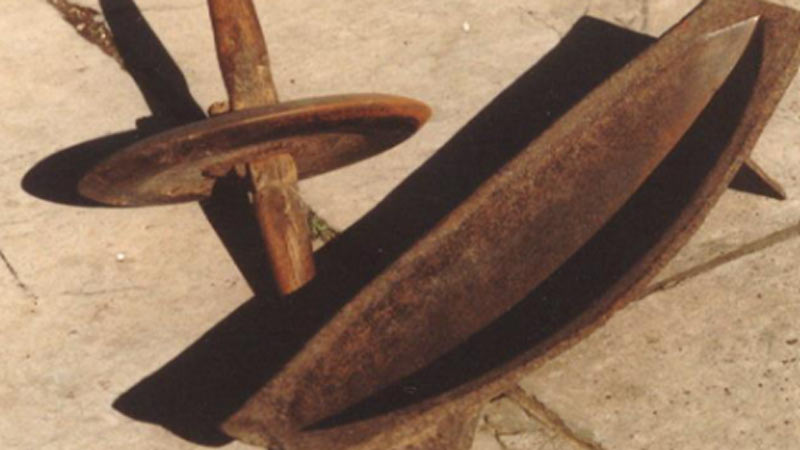
Walking toward the back of the clinic, you would hear the rhythmic sound of crushing. This came from the medicine grinder, also known as the grinding boat. It looked like a small ship, and it had a heavy wheel inside. The apprentice would sit on the floor and pedal the wheel to grind the herbs into a fine powder. In a large clinic, the grinding noise mixed with the smell of herbs to create a unique atmosphere. Next to it was the steelyard. This was a precision scale. It was a small lever balance, but it was extremely delicate. It could measure ingredients down to a fraction of a gram. This accuracy was essential because the wrong dose could be dangerous. Several different sizes of these scales were usually placed on the counter to ensure that no ingredient was off by a single unit.
The mortar and pestle were the oldest tools in the pharmacy. Usually made of stone or bronze, they were used for crushing and mixing ingredients. Many clinics had a large stone mortar near the entrance. It was a practical tool, but it was also a sign of the trade. Of course, the most recognizable piece was the medicine cabinet. This was known as the "Hundred Children Cabinet." It was a massive piece of furniture with dozens or even hundreds of small drawers. Each drawer was divided into four sections to hold different herbs. The names of the herbs were written on the outside, and they were arranged according to the theories of TCM. This layout helped the pharmacist find the right herb quickly and efficiently.
Practice & Symbolism
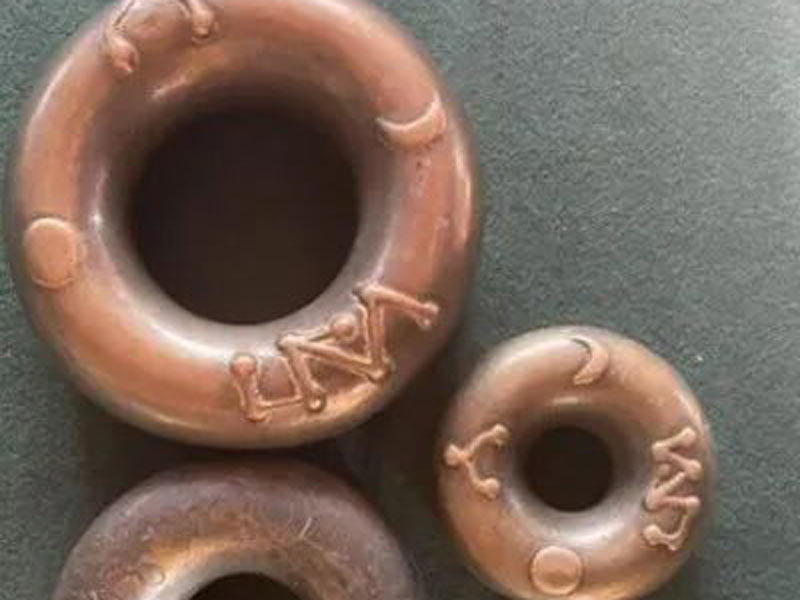
To get the attention of the public, the traveling physician used a hand bell, also called the "Tiger Rattle." It was a round hollow iron ring with a ball bearing inside. When he shook it, it made a loud ringing sound. People in the village would hear it and know a doctor had arrived. Interestingly, the design of the bell had rules. If a doctor had treated the emperor, his bell could be carved with a dragon motif. All other doctors had to use a bell carved with a tiger. Hanging outside the building was the signboard. It was often made of wood or cloth. It displayed symbols like the gourd, which stood for "healing the world," or the crane, which represented good health.
The clinic also served as a center for knowledge. Doctors kept detailed medical records. They wrote down the symptoms, diagnosis, and treatment for typical cases. The prescriptions were written in a special format. This format was a type of code that prevented patients from buying the wrong medicine on their own. Finally, in times of plague, the clinic had protective gear. They had face coverings, isolation rooms, and fumigation devices. The Tang Dynasty even had special wards for infectious diseases called "Li Ren Fang (疠人坊)." These old clinics were truly equipped with wisdom that protected health and advanced science, and their legacy lives on in old pharmacies.
