Article
Search results:
-

Qingdao's Hanfu Ruohua Floss Flower Auntie
Bringing Ancient Skills Back to Life The inheritor of 'Yu's Floss Flowers', Yu Hui, uses her dexterous hands and passion to revive this millennium - old skill. In the courtyard of Building 25, Xingguo Road, Yongping Road Community, Xinghua Road Sub - district, Licang District, everyone knows Yu Hui. In her home, there are many exquisite floss flower works, each lifelike and full of unique charm. Yu Hui has breathed new life into the ancient art of floss flower making. Family Heritage Yu Hui, 46 years old this year, was introduced to floss flowers in her childhood. Her ancestors were court floss flower craftsmen in the late Qing Dynasty, and the family skill has been passed down for generations. The sight of her grandmother making ornaments made her fall in love with floss flowers. When she grew up, she actively asked the elders to teach her. Although it was tough, she mastered the essence and realized that only by infusing her heart could the floss flowers come alive. During the inheritance process, she found that some traditional techniques were missing and had to figure them out through practice. Adhering to the Craftsmanship With the passage of time, the floss flower… -

At 34, Li Yitong Wears a Guanyin Veil and Dunhuang Hanfu
At 34, Li Yitong (李一桐) wears a Guanyin veil and Dunhuang-style Hanfu, looking like a dancing elf in the wind. With such good looks, she is truly cut out for ancient idol dramas! Li Yitong became well - known for her role in My Half - Fairy Princess. Her beauty combines sweetness with a touch of innocent allure, different from the typical delicate - flower appearance. Many people say she has an under - the - radar star quality, as none of her works have achieved huge popularity. However, everyone knows her, and she has a good rapport with the audience. Although she is in her 30s, her face still looks young, like a little girl, which doesn't seem out of place in her roles. Her recent ancient costumes have really taken people by surprise. Compared with her peers, Li Yitong takes good care of her face. Her eyes are full of sparkle, so she has no problem playing young girls. However, she was criticized for her performance in The Knockout, indicating that she may not be suitable for mature and intellectual roles. The Guanyin veil is a commonly seen headpiece in recent ancient dramas. Usually, we see short or… -

Gulnazar in Wei and Jin Dynasty Hanfu
Gulnazar looks like a dragon princess in the Hanfu of the Wei and Jin Dynasties. She is like a flower without fragrance but is beautiful enough. In terms of beauty, Gulnazar definitely belongs to the high - value group in the entertainment circle. It's said that Xinjiang people tend to look old as they age, but this doesn't seem to apply to Gulnazar. Her skin remains delicate and resistant to aging. This set of Hanfu has amazed many people. It gives a strong sense of a dragon princess appearing. As a Xinjiang native, Gulnazar has a natural exotic charm, with bold and delicate facial features. She is a typical gorgeous beauty. The blue long - sleeved Ru Hanfu of the Wei and Jin Dynasties exudes an air of elegance and luxury everywhere. The Hanfu is also exquisitely made. Beautiful clothes should be worn by beautiful women, and the Hanfu will then be endowed with a soul. The spacious long sleeves give a sense of security and add a touch of playfulness. There is a thin shirt and embroidery on the outside. It not only has a good texture but also looks very noble. At the same time, it adds a… -
58-Year-Old Carmen Lee Stuns in Hanfu
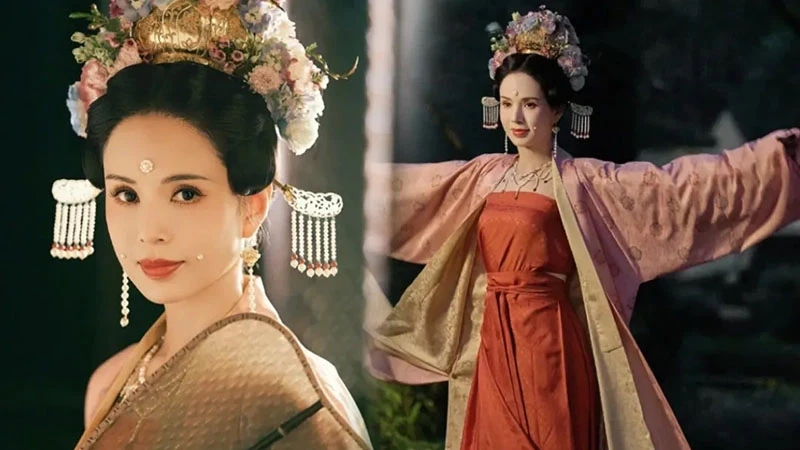
Carmen Lee (李若彤), the actress best known for her iconic role as the "Dragon Girl" in Return Of The Condor Heroes (神雕侠侣), has once again captured the public’s attention—this time, not for her acting, but for her breathtaking appearance in Hanfu, traditional Chinese clothing. At 58, Lee’s grace and poise have left fans in awe, proving that true beauty transcends age. Whether in modern attire or ancient garments, she exudes a blend of elegance and strength that continues to inspire. A Perfect Match for Song Dynasty Style Lee’s recent Hanfu looks draw inspiration from the Song Dynasty, a period renowned for its understated yet sophisticated fashion. Her outfits typically feature a cross-collar blouse paired with pleated skirts, a classic combination that reflects the refined taste of noblewomen from that era. The addition of a pibo (披帛, a long silk scarf) adds a touch of fluidity and grace, enhancing the overall aesthetic. Her makeup, reminiscent of the Tang and Song dynasties’ Feixia style (飞霞妆), involves a light layer of rouge topped with white powder, creating a delicate, rosy glow. This technique, also seen in Liu Yifei’s (刘亦菲) portrayal in A Dream of Splendor (梦华录), complements warm skin tones beautifully, making it… -
Hanfu in Modern Education: Integrating Traditional Attire into School Curriculums
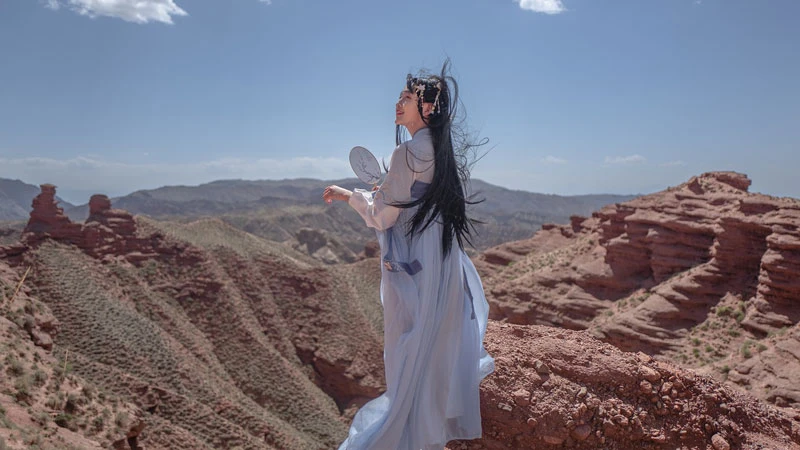
In recent years, the resurgence of Hanfu, the traditional clothing of the Han Chinese people, has gained significant momentum. This revival is not just a fashion statement but a cultural movement aimed at reconnecting with China’s rich heritage. With increasing interest in traditional culture, a growing number of educators and scholars are advocating for the integration of Hanfu into modern school curriculums. But how can historical attire fit into today’s fast-paced, technology-driven education system? Let’s explore the potential benefits, challenges, and practical methods of incorporating Hanfu into modern education. The Historical Significance of Hanfu Before diving into how Hanfu can be introduced into education, it's crucial to understand why it matters. Hanfu, which dates back over 3,000 years, represents the essence of traditional Chinese aesthetics, etiquette, and philosophy. It was the standard attire throughout numerous dynasties until the late Ming and early Qing periods when it was replaced by Manchu-style clothing. Hanfu is not just fabric and embroidery; it is a reflection of Confucian ideals, hierarchical social structures, and historical craftsmanship. By integrating Hanfu into education, schools can offer students a tangible link to their cultural roots. In a globalized world, where Western influences dominate fashion and lifestyle choices, Hanfu… -

Decoding Wang Churan’s Hanfu
During the CCTV Spring Festival special Golden Snake Dance: The Flavor of Chinese New Year (金蛇起舞•中国年味), actress Wang Churan (王楚然) made a stunning appearance in traditional Hanfu attire. However, it wasn’t her flowing robes that caught the audience’s attention—it was her hairstyle. Two neatly trimmed strands of hair framing her face led some viewers to question: Was this a nod to Japanese hime cut (公主切), or a genuine representation of ancient Chinese fashion? The Truth Behind the Hairstyle The hairstyle in question, known as chuishao ji (垂髾髻), dates back to the Han (206 BCE–220 CE) and Jin (266–420 CE) dynasties. Historical artworks like Admonitions of the Instructress to the Court Ladies (女史箴图) and The Wise and Benevolent Women (列女仁智图) depict women with high buns adorned with strands of hair neatly trimmed at the temples. This style, often enhanced with hairpieces, was a hallmark of aristocratic fashion during the Eastern Han Dynasty. The chuishao ji wasn’t just a random choice—it was a deliberate aesthetic statement. The trimmed strands, known as fenshao (分髾), were meant to frame the face elegantly, creating a balance between structure and softness. Archaeological findings, such as jade carvings from the Warring States period (475–221 BCE) and murals… -
Finding Fabrics: "Thrifted" Hanfu Materials
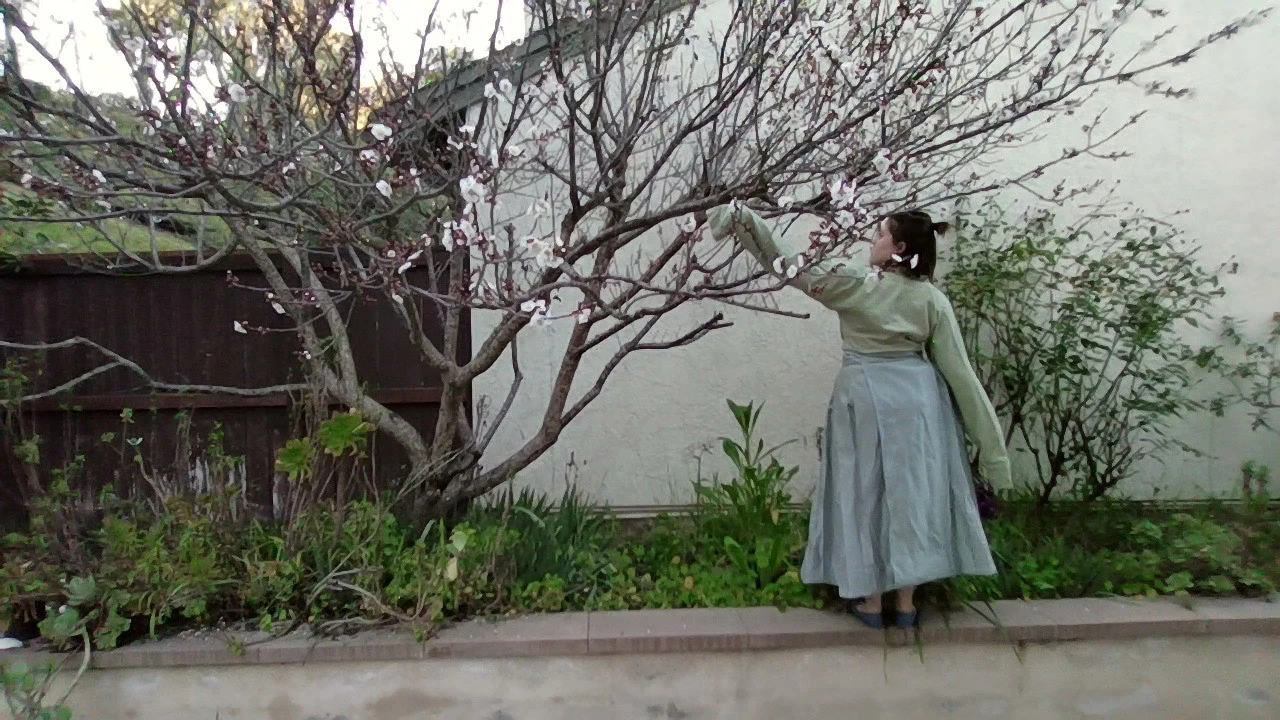
Why should hanfu makers turn to thrift stores? For the deals, of course! -
Yang Zi Stuns in Ming Dynasty-Inspired Hanfu
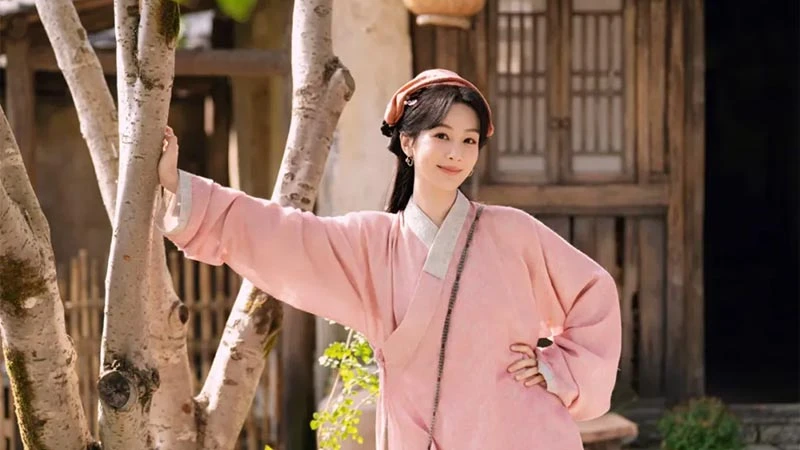
Chinese actress Yang Zi (杨紫), known for her versatile roles in television dramas, has once again captured the public’s attention—this time, not for her acting, but for her impeccable fashion sense. Recently, the star shared photos of herself dressed in Hanfu, traditional Chinese clothing, to celebrate the Lantern Festival. The images, which quickly went viral, showcased Yang Zi in two stunning Ming Dynasty-inspired outfits, sparking discussions about the modern revival of Hanfu and its place in everyday fashion. A Nod to Ming Dynasty Elegance Yang Zi’s Hanfu choices are rooted in the Ming Dynasty (1368–1644), a period known for its rich cultural heritage and distinctive fashion. The two outfits she wore are variations of aoqun (袄裙), a traditional style consisting of a top (ao) and a skirt (qun). The first ensemble features a soft pink ao with a crossed collar, paired with a gray pleated skirt. The second look is a refreshing green ao with a front-opening design, layered over a subtle red undergarment, creating a harmonious yet striking color contrast. What makes Yang Zi’s outfits stand out is their accessibility. Unlike the elaborate Hanfu often seen in historical dramas, her choices are tailored for modern wear. The muted tones—pink,… -
Neon Robe Competition: Hanfu Design in Universities
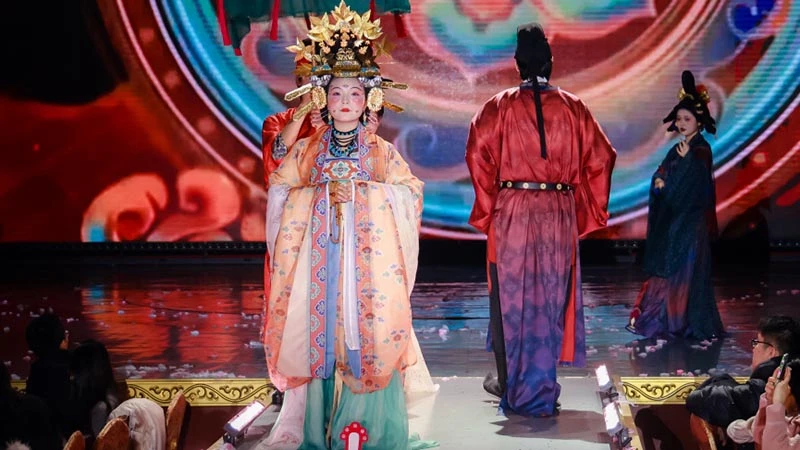
In the heart of Xi'an, the “Neon Robe (霓裳萬象)” First National Hanfu Design Competition concluded on January 20, 2025, marking a significant milestone for both fashion and cultural heritage. This inaugural event, a collaboration of over 120 universities and independent designers from around the world, has brought Hanfu—the traditional Chinese attire—into the limelight, encouraging not only a revival of ancient garments but also innovation in their design. The competition, held at Xi’an Engineering University, highlighted the vibrant academic and creative energy that has been brewing in Chinese fashion institutions. A staggering 1,100 entries were submitted, showcasing a global mix of talent from prestigious universities like Tsinghua University, Central Academy of Fine Arts, and Jiangnan University, as well as international participation from the University of Southampton and Ewha Womans University. At the heart of this movement is a strong desire to merge traditional craftsmanship with modern sensibilities. Wang Zizhu (王梓竹) from Tsinghua University earned the top honor with her exquisite design, "Ruo Yi Yì Zi Yan" (罗衣曳紫烟), which combines delicate historical elements with contemporary flair. This piece, which reflects the profound cultural symbols woven into Hanfu, marks a culmination of technical skill and a deep understanding of the garment’s symbolic significance.… -
Xi'an's Hanfu: Youth Embrace Ancient Chinese Cultural Aesthetics
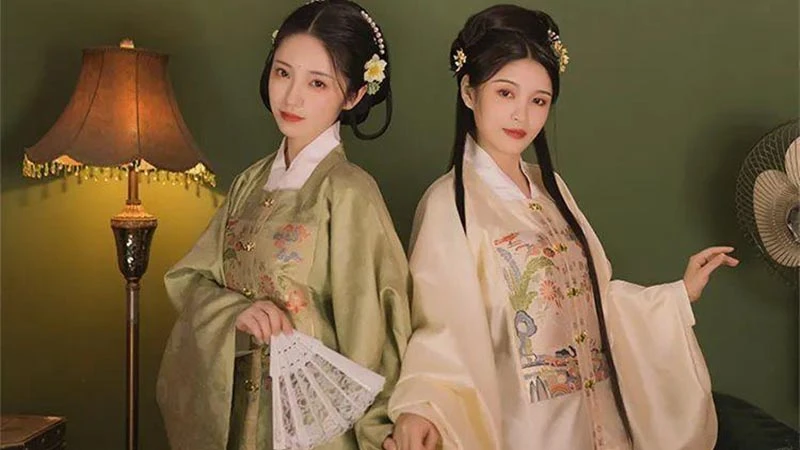
The vibrant city of Xi'an, historically known as the cradle of Chinese civilization, has witnessed a cultural renaissance of sorts. In recent years, the streets and landmarks of this ancient city have become a living museum of traditional Chinese fashion—particularly Hanfu, the traditional clothing that dates back to the Han Dynasty. What was once considered an artifact of history has now made a bold return to the streets, worn by young people in daily life and by tourists looking to engage with Chinese heritage in a deeply immersive way. This resurgence has sparked interest worldwide, making Xi'an one of China's leading cultural hubs. In this article, we delve into the multifaceted role of Hanfu in Xi'an, its relationship to cultural confidence, and the broader implications for China's cultural identity today. Xi'an, known as the ancient capital for over 13 dynasties, is a city where history and modernity collide. For thousands of years, the city has been a center of political, cultural, and economic power in China. The Han and Tang dynasties, in particular, left an indelible mark on the city’s legacy, contributing to an atmosphere filled with ancient cultural relics and awe-inspiring architectural wonders. With the rise of Hanfu,… -
Li Ziqi Wears Hu Bugui’s Viral Hanfu
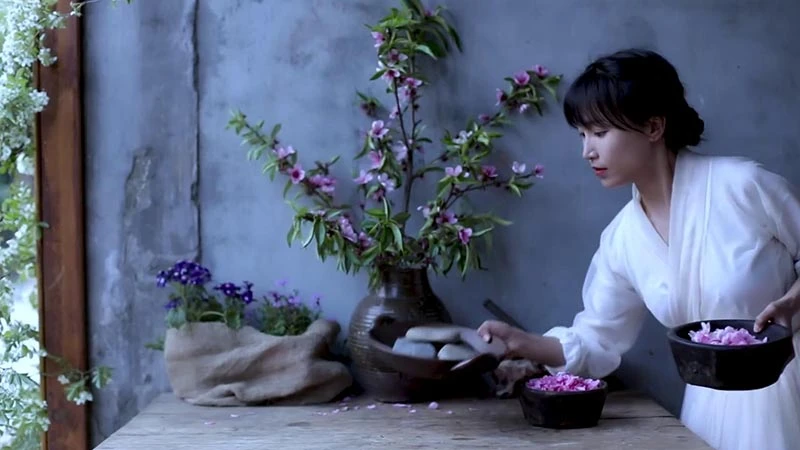
A Fortuitous Spotlight When Henan TV released its Chinese New Year Gala teaser on January 15th, a particular moment sparked excitement across social media. Internet sensation Li Ziqi (李子柒) appeared in a dazzling red modified Hanfu, holding a lion lantern, exuding an ethereal beauty. Astute fans soon connected her stunning outfit to a popular design sold on an e-commerce platform—a creation by Hu Bugui (胡不归), a rising star in Hanfu design. Hu, both the shop owner and designer, hadn’t anticipated this moment of fame. “It was a complete surprise,” she admitted in an interview. “We never collaborated with Li Ziqi, but seeing her wear my design felt surreal.” Within hours, her store was inundated with inquiries, with buyers scrambling to own what was now dubbed the "Li Ziqi Hanfu." The Story Behind the Design The Hanfu in question, a three-piece modified Ming-style ensemble named Yu Nian (余年), has been one of Hu’s bestsellers. Priced at around 1,400 RMB, it features a red jacket inspired by palace walls, a high-necked blouse, and a horse-face skirt embroidered with golden characters reading “岁岁长安皆有所盼” (Hopes for everlasting peace and prosperity). Hu designed it three years ago with the theme of New Year festivities in… -
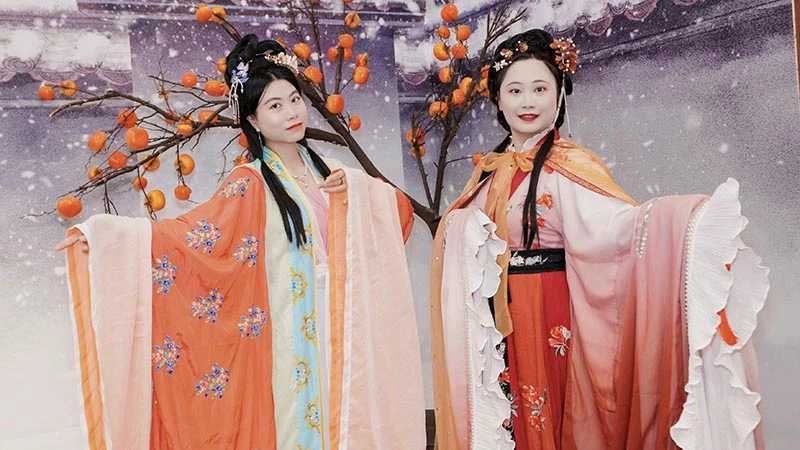
The Latest Hanfu Trend in Modern China
The revival of Hanfu, traditional clothing of the Han ethnic group, has become a defining cultural trend in modern China. From parks to shopping malls, young enthusiasts can be seen wearing the elegant, flowing garments, reflecting both aesthetic appreciation and cultural pride. This phenomenon is more than a passing trend; it signifies a deeper connection to history and tradition. Hanfu’s history is a testament to the cultural evolution of the Han people. Broadly speaking, it encompasses various traditional styles developed over millennia, absorbing elements from different ethnic groups. Narrowly defined, it often refers to garments from the Han Dynasty, which established core stylistic elements such as crossed collars, wide sleeves, flat cutting techniques, and the use of silk or hemp materials. While Hanfu adapted and evolved, these fundamental characteristics remained unchanged, highlighting its ability to blend innovation with tradition over 2,000 years. This adaptability is a key reason why Hanfu has endured and now resurges as a symbol of cultural pride. The Challenges Facing the Hanfu Movement Despite its historical roots, the modern Hanfu movement is not without controversy. The rapid growth of the Hanfu market, now valued at over 10 billion RMB, has led to significant challenges. Some designs… -
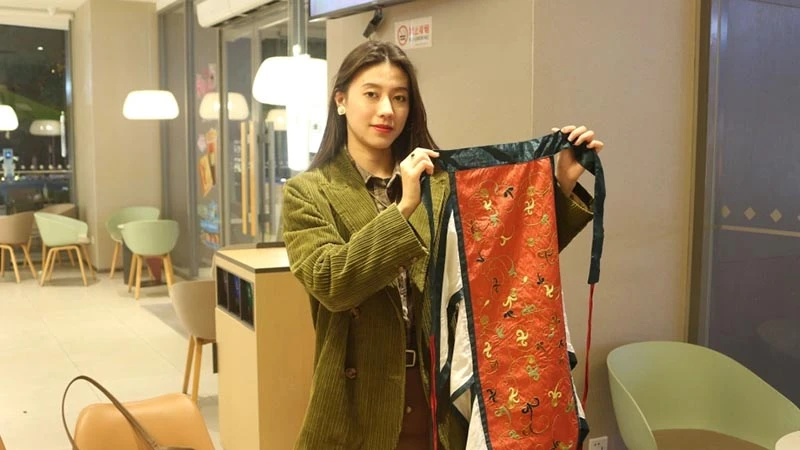
Breathing New Life into Wei-Jin Hanfu
In a world increasingly captivated by modern fashion, a young designer at Wuhan Textile University is proving that ancient styles can be just as enchanting. Li Yanjun (李艳君), a graduate student with a passion for traditional Chinese culture, has recreated the flowing garments of the Wei-Jin period, inspired by the legendary Luo Shen Fu painting (洛神赋图) by Gu Kaizhi (顾恺之). Her meticulous work, showcased in a serene photoshoot at the Qingchuan Pavilion (晴川阁), has garnered widespread acclaim, with her video on Bilibili amassing over 14,000 views. A Vision of Wei-Jin Hanfu Li's recreation draws directly from the Luo Shen Fu painting, a celebrated Eastern Jin masterpiece illustrating the romantic tale of Cao Zhi and the goddess Luo Shen. The attire, known as the "zaju chuishou" (杂裾垂髾) ensemble, includes a flowing daxiushan (大袖衫, large-sleeved robe), a banbi (半臂, short-sleeved garment), a biji (蔽膝, knee cover), and a ruqun (襦裙, skirt). Li spent 40 hours intricately embroidering a crimson biji with starry cloud patterns, a design chosen to reflect the ethereal nature of the goddess. “The biji is more than just an accessory,” Li explained. “Its triangular drape was key to the elegance and symbolism of Wei-Jin attire, marking status and adding… -
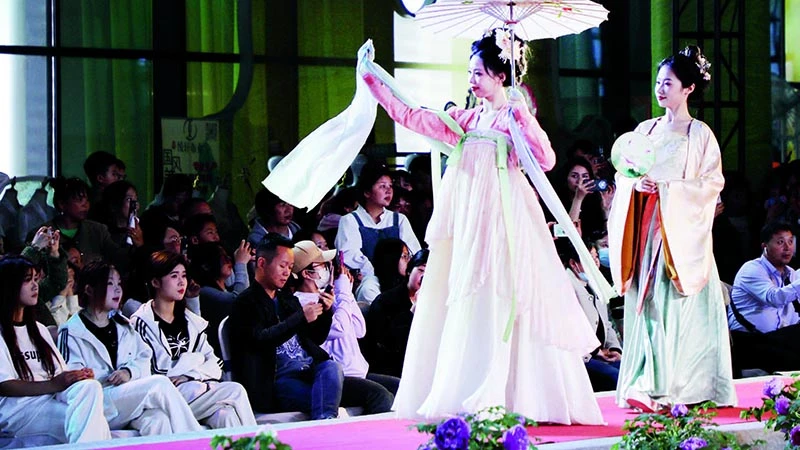
Dong Mingzhu's Hanfu Experience in Cao County
It was an ordinary day in the historic streets of Luoyang when Dong Mingzhu (董明珠), a celebrated Chinese business leader, donned her first Hanfu—a pale blue Ming-style ensemble that caught the eyes of onlookers. Just eight days later, she returned, this time wearing a regal Tang dynasty outfit that matched her commanding presence. Accompanied by her friends, each draped in their chosen styles, Dong’s adventures became a viral moment for Hanfu lovers across China. While Dong’s choice in Hanfu showcased her unique personality, the quiet star of her story was an unassuming county in Shandong—Cao County (曹县). The Hanfu she wore, like many others seen in ancient-style photoshoots or festivals, originated from this lesser-known corner of China. The Small Town with Big Hanfu Dreams Located in southeastern Shandong, Cao County has undergone a cultural and economic metamorphosis. On the surface, it remains humble—far from the bustling touristy image one might expect. But venture fifteen kilometers to Daji Township, and you step into a thriving hub of creativity and entrepreneurship, where small shops handle everything from fabric cutting to digital printing and logistics. Once famous for its mass production of performance costumes, Cao County has emerged as a center of affordable… -
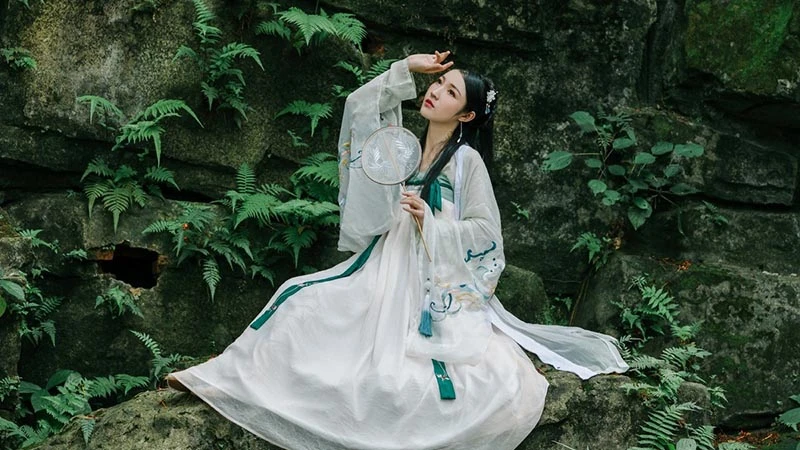
The Heart of Hanfu in Melbourne, Australia
On a clear day in Melbourne, Australia, a picturesque scene unfolded as a group of students adorned in flowing Tang-style skirts hosted a cultural gathering. This unique event introduced the charm of Hanfu—traditional Chinese clothing—to a diverse audience, creating an unforgettable celebration of heritage, artistry, and community. Hanfu’s growing popularity in Melbourne owes much to the dedication of a unique community. Originally founded as a student interest group at the University of Melbourne, the Melbourne Hanfu Society has blossomed into a citywide organization, welcoming members from various universities and walks of life. Jin Qianying (靳倩莹), a graduate student in urban planning and the society's president, reflects on this evolution: “Initially, we were a small university club. Over time, more people outside our campus became interested in Hanfu, so we expanded our reach to all of Melbourne,” Jin explains. At a recent cultural gathering, the society transformed a park into a space for cultural immersion and social connection. Attendees dressed in Hanfu posed for photos, exchanged stories, and bonded over a shared passion for tradition. “Many participants said they not only experienced the beauty of Hanfu but also met like-minded individuals,” Jin adds. Reviving the Past, Inspiring the Present Hanfu’s revival… -

Hanfu Vibes: Wearing Tradition with New Style
Hanfu, the traditional attire of the Han people, is more than just clothing. It embodies over 4,000 years of history, reflecting Chinese etiquette, philosophy, and aesthetic values. Recently, the Hanfu revival movement has flourished, reconnecting the present with the past. From digital platforms to offline gatherings, Hanfu enthusiasts are bringing this cultural treasure back to modern life. In the historic city of Suzhou, a group of young Hanfu enthusiasts stands out. Predominantly from the post-80s and 90s generation, these professionals and students have found a common passion in wearing Hanfu. Their mission? To integrate Hanfu into everyday life and revive its presence. “We believe that restoring Hanfu is a step toward reconnecting with our cultural roots,” says Wang Zhen (王震), founder of the Gusu (姑苏) Hanfu Society. Blending Hanfu with Modern Living Suzhou, a city renowned for its 2,500 years of history, offers the perfect backdrop for Hanfu's resurgence. Members of the Gusu Hanfu Society incorporate Hanfu into their daily routines, from shopping at the local market to attending cultural events. One member, Lan Xiaoli, embraces this lifestyle wholeheartedly. She often shops for ingredients at the local market while wearing Hanfu, drawing curiosity and admiration from vendors and shoppers alike.… -
The Hanfu Craze in Guangzhou City
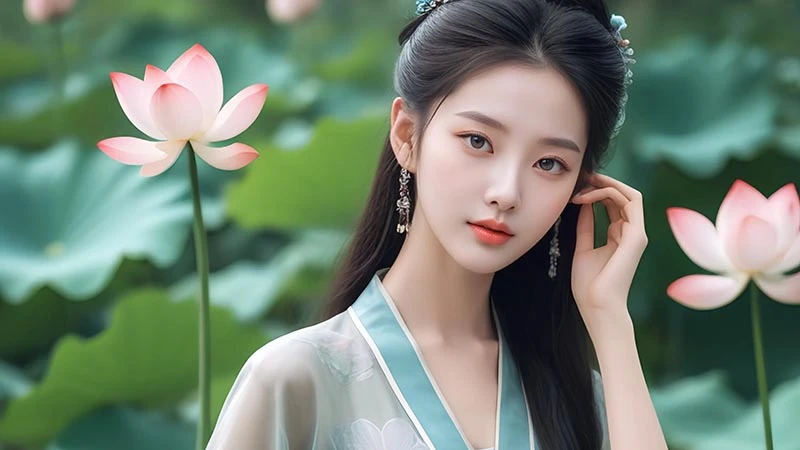
In recent years, Guangzhou has become a vibrant canvas for Hanfu culture, with enthusiasts donning traditional Chinese attire on festive streets. These flowing garments, reflecting ancient Chinese aesthetics, are more than just fashion statements—they embody a deep appreciation for cultural heritage. From bustling commercial hubs to serene gardens, Hanfu's resurgence highlights the city’s commitment to celebrating tradition in contemporary ways. The Rise of the Hanfu Economy The booming popularity of Hanfu has transformed parts of Guangzhou into cultural hotspots, with businesses catering to this niche. Areas like Yongqingfang (永庆坊) and the cultural zone around the Guangzhou Cultural Center have become home to flourishing Hanfu shops, offering everything from rentals to professional makeup and photography services. For as little as 28 yuan, customers can rent a Hanfu outfit; full makeup and photography packages start at just over 100 yuan. Shops like those managed by Xiaoxiao (晓晓), a young entrepreneur, stock hundreds of Hanfu pieces—ranging from intricate Tang dynasty robes to elegant Song dynasty styles and stately Ming dynasty attire. "Our collection spans diverse styles and price points," Xiaoxiao explains. "Even though my shop is small, our inventory is worth over 200,000 yuan." Other areas, such as Dezhen Science and Technology Innovation… -
The Renaissance of Hanfu: From Ancient Murals to Parisian Runways
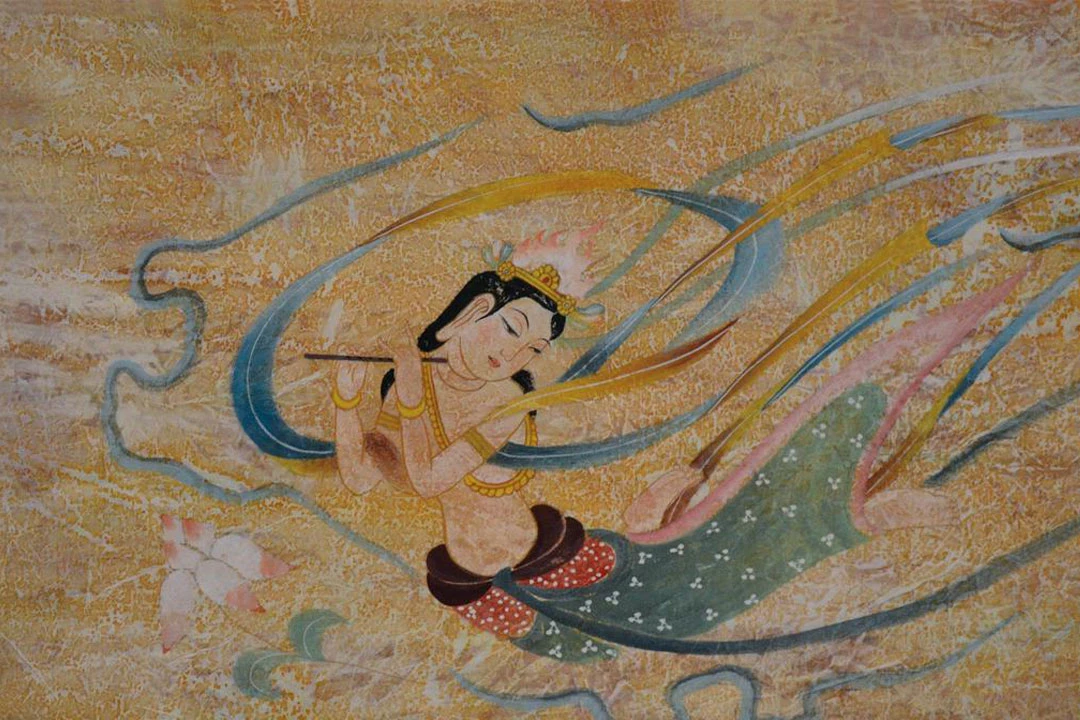
In recent years, a fascinating cultural phenomenon has been sweeping across the globe, captivating the hearts and minds of fashion enthusiasts and history buffs alike. The resurgence of Hanfu, the traditional clothing of China's Han ethnic majority, has transcended its original borders and found a new audience on the international stage. This revival is not just a nostalgic nod to the past, but a vibrant celebration of cultural heritage that's making waves from the ancient caves of Dunhuang to the chic streets of Paris. The Artisans Behind the Movement: Weaving Tradition into Modern Fashion At the heart of this Hanfu renaissance are passionate artisans and entrepreneurs who are breathing new life into age-old designs. Take, for example, the story of Qin Weifeng and Zhou Wanchao, a millennial couple from Hangzhou who have become unexpected champions of traditional Chinese fashion. Their journey began in the textile mills of Chongxian, a once-thriving center of silk production in northern Hangzhou. Qin and Zhou's venture into the world of Hanfu was serendipitous. As the demand for traditional silk bedding waned, the couple found themselves at a crossroads. Rather than abandoning their family's textile legacy, they saw an opportunity to pivot towards creating authentic Hanfu… -
Revitalizing Tradition: New Hanfu in Modern China
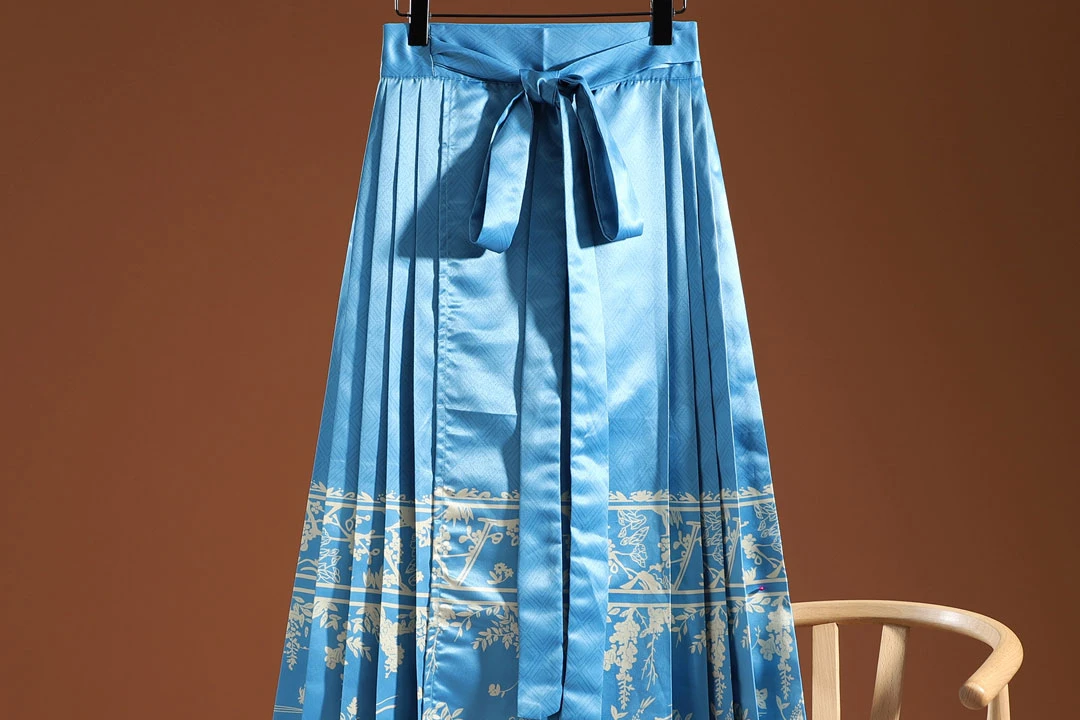
Embracing Cultural Heritage: The Evolution of New Hanfu New Hanfu, the traditional attire of the Han Chinese, has seen a remarkable resurgence in recent years, reflecting a broader cultural reawakening in China. Rooted deeply in millennia-old traditions, Hanfu embodies classical beauty and serves as a cultural emblem carrying the genes of ancient times. As Chinese cultural confidence grows, traditional elements are seamlessly integrating into modern life, with Hanfu leading as a prevailing trend. Across major cities and universities, grassroots Hanfu enthusiasts have formed numerous communities, marking a vibrant expansion in the New Hanfu industry. Supported by governmental initiatives like "Chinese Hanfu Day," cultural activities promoting Hanfu are on the rise, enhancing public awareness and appreciation for traditional attire. This concerted effort has bolstered Hanfu's market presence and expanded its cultural footprint. Digital Renaissance: Hanfu Culture's Journey through Short Videos The evolution of Hanfu from physical stores to e-commerce and now to short-video platforms has been instrumental in its widespread adoption. Platforms like Douyin (TikTok) and Kuaishou (Kwai) have played a pivotal role in popularizing Hanfu culture among a younger audience. Short videos showcasing Hanfu outfits, styling tips, and historical insights have garnered billions of views, significantly boosting cultural awareness and… -

Embracing Tradition and Innovation: Caoxian's Hanfu Industry
Reviving Heritage: Caoxian's Journey to Cultural Prominence In the bustling districts of Caoxian, Shandong Province, a quiet revolution is underway, fueled by the resurgence of traditional Hanfu clothing. What was once a niche interest has blossomed into a booming industry that not only revitalizes cultural pride but also drives economic growth. This transformation is emblematic of Caoxian's innovative approach to integrating heritage with modern entrepreneurship, paving the way for sustainable development in rural China. From Tradition to Trend: The Hanfu Renaissance in Caoxian The story begins with the humble origins of Hanfu, ancient Chinese attire revived to captivate a new generation. Caoxian, historically renowned for its cultural richness, has become a nucleus for Hanfu production, drawing on centuries-old craftsmanship to meet contemporary demands. This resurgence has not only preserved traditional textile techniques but also introduced innovations like lightweight fabrics and modern designs, appealing to a diverse demographic across China and beyond. Cultural Confidence Driving Economic Expansion The success of Caoxian's Hanfu industry is not just about fashion; it's a testament to cultural confidence. As the market for Hanfu expands exponentially, local entrepreneurs are leveraging this cultural resurgence to propel economic growth. The shift from seasonal to year-round production has bolstered…