-

What to Watch: 88 New Films in the 2025 Summer
In the summer of 2025, a total of 88 new films are set to hit the screens, with the potential to break through the 1.5 - billion - yuan box office mark. Shanghai Film Group released a slate of 26 films and TV shows, including highly - anticipated domestic movies like Little Monster from Langlang Mountain. Wanda Film disclosed dozens of movies and TV series, such as Malice and Strange Tales from a Lonely Studio: Lanruo Temple. Industry insiders said they expect more films to boost the summer - schedule market performance and surpass that of the same period last year. This year's summer - schedule film slate is evenly distributed, which is expected to continuously drive the box office during the period. As the ten - day Shanghai International Film Festival is about to end, the film market officially enters its most important time of the year. According to Maoyan Professional Edition data, the total box office (including pre - sales) for the 2025 summer schedule has exceeded 100 million yuan. Among the 88 films to be released during this period, there are much - awaited domestic movies like She's Got No Name, The Lychees of Chang'an, East Pole…- 0
- 0
- 144
-
Can Animated Films Recapture Their Stronghold in the Summer Movie Season?
The afterglow of Ne Zha: Rebirth of the Demon still lingers. With the arrival of the summer movie season, animated films are stirring again. The summer movie season, as a peak period for teenage movie - goers, has always been the stronghold of animated films, and this year is no exception. According to Maoyan Professional Edition data, as of June 20th, 85 movies are expected to be released during the season, among which there are a full 17 animated films. It's another big year for anime. The anime craze in the film market has lasted for quite a long time. From the fierce competition of animated films in the 2024 summer movie season to the nationwide viewing boom of Ne Zha 2 during the 2025 Spring Festival, animated films have always had a high profile. However, this hustle and bustle is only reflected in the number of films. Or rather, the excitement belongs to Ne Zha 2 alone. The continuous slump in box - office performance is the norm for the animated film market. Facing the situation of 'one super - strong and many weak', can animated films recapture their stronghold this summer? Animated Films The clustering of animated films…- 1
- 0
- 161
-
The Dawn of a New Era: China's Animation Renaissance in 2025
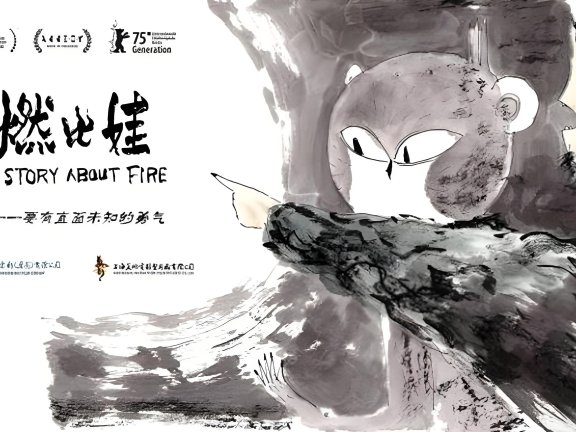
2025 marks a monumental year for Chinese animation, signaling a cultural renaissance that has fans worldwide buzzing with anticipation. This isn't just a wave - it's a tsunami of creativity, with over a dozen highly anticipated films set to debut, reflecting China's growing confidence in storytelling and technological innovation. For decades, Japanese and Western animations dominated the global scene, but 2025 changes the game. Studios like Shanghai Animation Film Studio and creators such as Yi Zhongtian (易中天) (famed for his historical expertise) are pushing boundaries, blending ancient myths with cutting-edge CGI. The lineup includes titles ranging from fantasy adventures to historical epics, all poised to captivate audiences with their unique narratives. This surge is fueled by rising domestic talent and international recognition, as seen in films like A Story About Fire (燃比娃), which premiered at the Berlin International Festival. For anime enthusiasts, this year promises an unprecedented feast of imagination, where every release feels like a step toward redefining what animation can achieve in the 21st century. Stories That Redefine Fantasy Among the standout films, Endless Journey of Love (时间之子) stands out with its blend of historical Shanghai and supernatural intrigue. Set for release on May 30, it follows Qian…- 0
- 0
- 323
-
Sinners: Blues, Blood, and Broken Promises in Black Cinema
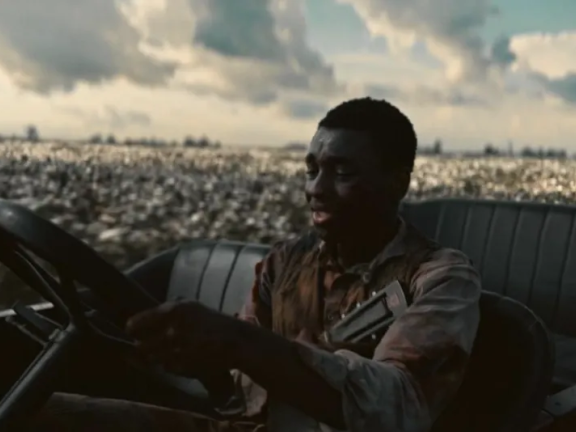
Sinners masterfully employs blues music not merely as soundtrack, but as the dying heartbeat of Black cultural autonomy. Protagonist Sammy’s guitar symbolizes resistance against cultural erasure - a defiant stance against the whitewashing of Black musical heritage. His transition from blues to jazz mirrors a painful truth: the commodification of Black art dilutes its soul. Blues, born from the agony of slavery and systemic oppression, loses its raw authenticity when repackaged for mainstream consumption. Sammy’s lament, "My joy ended before that sunset," echoes the grief of generations witnessing their narratives sanitized for palatability. Hollywood’s reduction of Black characters to tropes - absent fathers, drug dealers, or comic relief - stands in stark contrast to Sinners’s textured portrayal. The film critiques how Black culture is flattened into marketable stereotypes: gold chains, sagging pants, and violence. This commodification creates a vicious cycle where audiences internalize these caricatures as reality, stifling authentic representation. When Sammy clings to his guitar, he isn’t just holding an instrument; he’s grasping the last thread of unadulterated Black expression in a landscape dominated by cultural vultures. The erosion depicted extends beyond art into identity. As blues morphs into entertainment, Black intellectuals grapple with a hollow victory: visibility without…- 0
- 0
- 125
-
Chinese Studio: Lanruo Temple Unveils Voice Magic
Behind the shimmering visuals of Chinese Studio: Lanruo Temple (聊斋:兰若寺) lies an equally compelling story - one told not by brushstrokes or pixels, but by the art of voice acting. The film’s newly released voice acting featurette reveals a bold experiment: a squad of seasoned voice talents stepping up to breathe life into thirteen lead characters across six distinct tales. This isn’t just a casting choice; it’s a masterclass in versatility. Take Zhang He (张赫) and Lin Qiang (林强), the voices of Xuanguizi and Lingchan Shiren in The Well Story (井下故事) and The Taoist of Mount Lao (崂山道士). Their recording sessions, as shown in the featurette, are a playful dance of creativity. “We just went with what felt fun,” Zhang quips, while Lin adds whimsical animal sounds - from growls to chirps - to amplify the characters’ quirks. For The Lotus Princess (莲花公主), young actor Fu Bohan (傅铂涵), voicing Dou Xu (窦旭), found himself charmed by co-actor Cheng Li’s delicate voice, mistakenly assuming she was a child. “She sounds so sweet and innocent!” he admits, a testament to the voice actors’ ability to transcend age and form. Equally striking is the emotional depth these artists bring. For The Painted Skin…- 0
- 0
- 244
-
Beyond the Blade: She's Got No Name's Echo Through Time
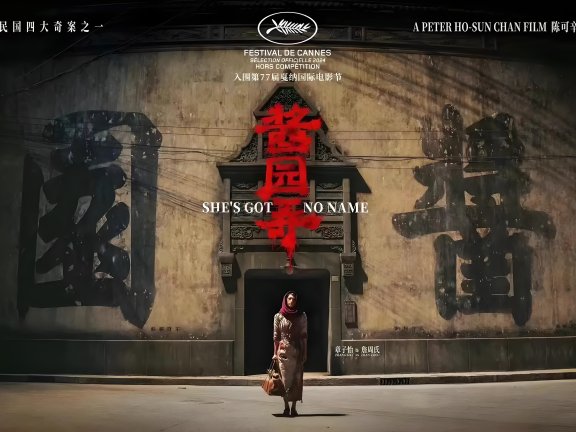
The shadowed alleyways of 1940s Shanghai hold more than crumbling bricks; they cradle the defiant spirit of Zhan Zhoushi (Zhang Ziyi). Her story in She's Got No Name (酱园弄) isn’t an isolated tragedy. It reverberates with the haunting cries of "Little Cabbage" (Bai Xiugu), a 19th-century woman similarly ensnared in a web of marital brutality and societal apathy. Both women were branded "husband-killers," their lives reduced to sensational trials where their guilt seemed preordained simply because they were women. Little Cabbage’s torment lay in her powerlessness - a pawn tortured into false confessions, her body broken to serve corrupt officials. Zhan Zhoushi’s agony, however, ignites into agency. Sold into marriage to a hulking, abusive gambler ("Big Block" James), her existence is a litany of bruises and humiliation. When she finally grasps the cleaver, it’s not just a weapon against her tormentor; it’s a shattering blow against the iron law of "husband as sovereign." Her trial becomes less about proving innocence and more about surviving a society eager to silence her. The film masterfully suspends us in this tension - Zhan Zhoushi’s fate literally "hanging" between old-world brutality and fragile modernity. Initially broken by police torture, a spark ignites within her…- 0
- 0
- 182
-
At 120, Chinese Cinema Rewrites Its Future in Shanghai’s Spotlight
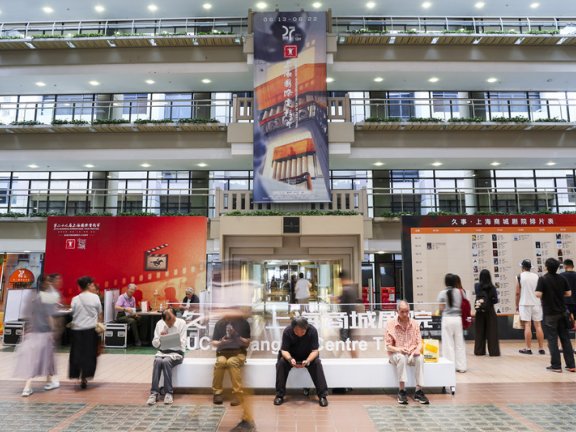
Crisis or Opportunity? The atmosphere at Shanghai Film City during the 27th Shanghai International Film Festival (SIFF) was electric. Audiences queued for hours to catch Claude Lanzmann’s nine-hour Holocaust documentary Shoah or David Lynch’s midnight trilogy. Yet outside this bubble, reality bites: China’s overall box office revenue for May 2025 plummeted to 1.7 billion yuan, down 42% year-on-year. This stark duality frames Chinese cinema’s 120th anniversary - a celebration shadowed by existential questions. Veteran Hong Kong action director Yuen Heping (袁和平) struck a defiant note: "Chinese cinema has many more 120 years. Film will not disappear" . But as producers and directors gathered at forums, their discussions centered on reinvention. With rising production costs, fragmented audiences, and streaming rivals, how does an industry built on theatrical spectacle evolve? When Film Festivals Outshine Theatres Zhou You's (周游) experience mirrors the film festival's screening craze. Despite accounting for less than 0.1% of showtimes, SIFF ranked 5th in daily box office from June 16-18, grabbing over 8% of daily revenue. That's wild - proof cinephiles will go all out for rare screenings. For ten days, Shanghai transformed into a cinephile’s pilgrimage site. Diehards like Zhou You crammed five films daily, fueled by coffee…- 0
- 0
- 96
-
A Decade-Long Journey to "The Monkey King"
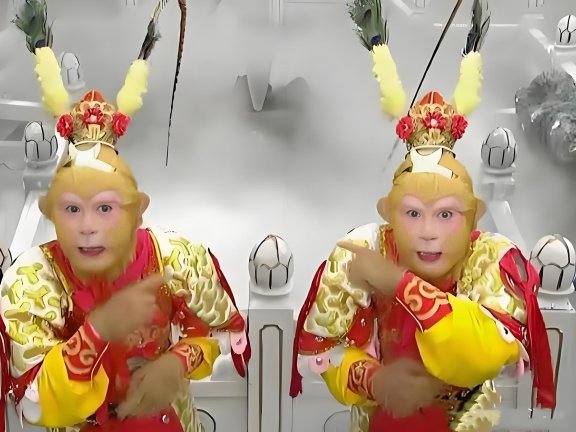
64 Monkeys Herald a Legend's Return The internet erupted. A single image - 64 spectral monkeys locked in furious combat across a roiling cloud sea - instantly reignited decades of collective memory. This wasn't just concept art; it was a clarion call. After a staggering ten years in development limbo, the cinematic adaptation of Journey to the West's (西游记) most enigmatic chapter, "The True and False Monkey King," finally has tangible form, aiming for a 2026 release. At its heart lies the unparalleled legacy of Liu Xiao Ling Tong, the actor whose portrayal of Sun Wukong in the seminal 1986 TV series remains the undisputed gold standard, etched into the DNA of Chinese popular culture. Liu Xiao Ling Tong (六小龄童), now 64, embodies the Monkey King like no other. His iconic silhouette - the phoenix-feather crown, the shimmering golden staff - transcends mere performance; it is Sun Wukong for generations. His famous, often-misunderstood declaration - "Adaptation is not random fabrication; dramatic interpretation is not nonsensical chatter" - resonates with newfound weight today. Once perceived as artistic arrogance, it now reads as fierce cultural custodianship, a shield forged from deep reverence against decades of derivative, often disrespectful, commercial exploitation of the…- 0
- 0
- 97
-
A Cool Fish Swims Global: Twin Tales of Fortune and Meaning
The Shanghai International Film Festival shimmered with surprise on June 14th as director Rao Xiaozhi (饶晓志) unveiled not one, but two highly anticipated sequels to his groundbreaking black comedy franchise, A Cool Fish (无名之辈). Nobody: Turning Tide (否极泰来) will ignite summer screens on July 5th, while Nobody: What Truly Matters (意义非凡) promises a darkly humorous New Year’s Eve celebration on December 31st. This bold dual release strategy marks an ambitious expansion for the series, transforming standalone tales of provincial chaos into a globally interconnected saga. Seven years after the original film became a sleeper hit, its unique blend of razor-sharp wit and profound empathy for society’s underdogs continues to resonate. The first A Cool Fish wasn’t just a box office success; it etched characters like Hu Guangzhi (Zhang Yu) and Ma Jianyin (Ren Suxi) into China’s cinematic consciousness, proving that stories of small-town desperation could capture nationwide hearts. The announcement of dual sequels signals Rao’s confidence in evolving these beloved misfits from local curiosities into accidental players on an international stage. Returning with the original creative nucleus, the sequels promise amplified stakes and broader horizons. Ren Suxi (任素汐) reprises her role, hinting that Turning Tide descends into "sheer madness, drama,…- 0
- 0
- 158
-
Yu Ao: Painting Time with Golden Tears
The most unexpected magic happens not in fantasy realms, but in animation studios. Yu Ao's (于奥) debut feature, Endless Journey of Love (时间之子) - a visually breathtaking tale of time manipulation and star-crossed love - has quietly become China's most emotionally resonant animated film of 2025, grossing ¥130 million ($18 million) since its release on the Dragon Boat Festival. But what audiences experience as spellbinding cinema began as something far more personal: a journey through grief. "In 2019, Tienan (铁男) and I faced a loss that reshaped our world," Yu reveals during our conversation in Beijing, her hands cradling a cup of jasmine tea. "We didn't set out to make a blockbuster. We needed to find meaning in goodbye." This raw emotional truth became the foundation for the protagonist, Qianxiao (千晓), and the film's central promise: "to guard one day of love for a lifetime." Test screenings revealed unexpected therapeutic power - teenagers clutching weeping parents, estranged siblings reconnecting after decades of silence. Yu's artistic vision was forged in Qingdao's theatrical world, where her father worked. Childhood viewings of classics like Lotus Lantern (宝莲灯) (featuring Chen Peisi's legendary voice work) taught her that "true animation magic lives in emotional authenticity,…- 0
- 0
- 160
-
Beyond the Dress Scandal - A Star's Rebirth
A single dress draped on China’s beloved superstar, Zhao Liying (赵丽颖), ignited not applause, but a digital firestorm so intense it scorched her stylist and set social media ablaze. The offending garment? A voluminous Oscar de la Renta floral gown from the 2025 Spring collection, promptly dubbed the “Bed Sheet Dress” by legions of online critics. This wasn’t just a fashion misstep; it became a potent symbol of the intense scrutiny and complex journey Zhao navigates as she evolves from idol to icon. When Fashion Becomes Fodder for Transformation's Tumult The imagery was harsh: pink florals spilling across a white expanse were likened to a child’s chaotic finger painting on hotel linen. The lack of defined structure, critics jeered, swallowed her petite frame whole, while an unwieldy hem forced an awkward gait amplified by overly large heels. Close-ups mercilessly captured every perceived flaw. Yet, the mockery wasn't merely about aesthetics; it was the deafening culmination of mounting frustration among her fiercely protective fanbase. Zhao’s recent red carpet moments had become a recurring source of dismay - from the awkwardly cropped silhouette at the Singapore Film Festival, derided as unflatteringly "short-legged," to the "borrowed-from-mom" critique of another ensemble. Each "miss" chipped…- 0
- 0
- 201
-
The Golden Era of Kung Fu Cinema
Long before algorithms and virtual production dominated film sets, there existed a breed of storytellers who poured blood, sweat, and an unyielding love for martial arts into every frame. Among them stands Rigo (里戈), a name etched into the annals of kung fu cinema, and Yu Rongguang (于荣光), the actor-director whose voice now bridges past and future. In the heyday of classic kung fu films, Yu Rongguang was more than a performer - he was a custodian of tradition. Working alongside iconic directors and leading studios, he and his peers approached each project with the gravity of preserving a cultural legacy. “We staked our all to craft something unforgettable,” Yu reflects, his words carrying the weight of late-night rehearsals, bruised limbs, and the shared urgency of a generation determined to make kung fu not just a genre, but a global language. These were the days when every kick, every parry, and every emotional beat was honed through sheer physicality. Films like Once Upon a Time in China (黄飞鸿) and Crouching Tiger, Hidden Dragon (卧虎藏龙) had already planted kung fu’s flag on the world stage, but it was the unsung labor of artists like Yu - stunt coordinators, fight choreographers, and…- 0
- 0
- 132
-
Zhang Manyu: The Epitome of Cheongsam Goddess
"If I had a ferry ticket, would you come with me? If there was another one, would you take me along?" Whenever I hear this line, the classic melody by Shigeru Umebayashi plays in my ear, and the scene unfolds before my eyes: Su Lizhen (played by Zhang Manyu) in a cheongsam, carrying a thermos and buying a bowl of wonton noodles on the street in the dimly lit alley at night, then meeting Chow Mo-wan (Tony Leung) who's also caught in the rain on her way back... The ambiguous tension brews quietly, with a foreseeable ending. This is Wong Kar-wai's artistic expression of love, and this line has become the most regrettable confession in Chinese film history. If there's a movie that can fully showcase the beauty of cheongsams, it must be "In the Mood for Love". Even 23 years after its release, Su Lizhen played by Zhang Manyu still lives in the hearts of countless audiences. Few can wear cheongsams as impressively as she did. Her tall and slender figure, graceful posture, and every step exude charm. The grace of the cheongsam and the reserved charm of Oriental women blend perfectly, presenting a multi - dimensional view of…- 0
- 0
- 175
-
Su Lizhen: A Peak in the History of Chinese Cheongsam
Today, let's continue our special topic on In the Mood for Love and appreciate the beauty of Maggie Cheung's cheongsams. Before delving into the topic, let's talk about the behind - the - scenes details of this movie. Maggie Cheung changed into 23 cheongsams in In the Mood for Love, all designed by the Hong Kong art director Cheung Shu - ping himself. Some of the cheongsam fabrics were his personal collections over the years, and the patterns and fabrics were already out of print. So, it's almost an eternal regret that it's impossible to recreate Su Lizhen's beauty exactly. Then, these cheongsams were handmade by Hong Kong master Leung Long - kwong, who has over sixty years of experience in cheongsam making. As he said, "I've never changed my profession in my life. I earn money with my heart." For these 23 cheongsams, Cheung Shu - ping was mainly responsible for design, color matching and sourcing fabrics, while Leung Long - kwong was in charge of measuring the body, cutting and sewing. It can be said that without the seamless cooperation of these two masters, there wouldn't be this world - renowned Chinese masterpiece. The emergence of In the…- 0
- 0
- 190
-
The Master of Gong Er's Beijing-style Cheongsams
"There is a Western writer (was it Bernard Shaw?) who once complained that most women choose their husbands far less attentively and carefully than they choose their hats. Even the most heartless woman speaks with affection when she talks about 'that brocade-lined robe from last year.'" This passage is from Eileen Chang's Record of Changing Clothes, with Ms. Chang's usual sharp and incisive writing style and unique perspective. Women's love for clothes seems to be innate. The colors, patterns, and styles of clothes are not only a source of beauty in women's lives but also reveal the diverse and rich inner worlds of their souls. For women, clothes not only enhance and reflect beauty but also relate to a person's deeper inner operating rules and aesthetic creative desires. In other words, they are the visible external features of a person's inner self. This is true for people, and even more so for a film with extremely high artistic value. For a director like Wong Kar-wai, who has an almost extreme pursuit of audio-visual language, women's clothes are the second language in his films. So, in In the Mood for Love, the cheongsam is the most direct manifestation of Su Lizhen's…- 0
- 0
- 171
-
Why Diao Chanlu is So Cool in Fengshen
In the movie Fengshen 2, the character Diao Chanlu leaves a lasting impression. Many viewers have praised the cultural elements in the film, which surpass previous portrayals of female generals. Diao Chanlu is not a mere accessory to anyone; she is an independent female general. In relationships, she is rational, while on the battlefield, she exudes unwavering confidence. What makes Diao Chanlu so memorable? Her appearance is striking—she has a sun-kissed complexion, well-defined muscles, and minimal makeup, embodying a healthy aesthetic. Her gaze carries an air of authority. Her attire includes armor, a practical braid, and a beast-faced forehead ornament, with her armor adorned in similar motifs. Beast - faced Patterns Beast - faced patterns, often depicting Taotie, are common in bronze artifacts. Taotie is a mythical creature symbolizing solemnity and mystery. These patterns, symmetrical and centered around a nose ridge, feature eyes, horns, and ears, sometimes extending to include bodies and claws. Such designs add a majestic aura to characters, as seen in Nezha 2 on Li Jing and his wife’s armor. Unlike the impractical high ponytails often seen in historical dramas, Diao Chanlu’s braided hair reflects Shang Dynasty styles, emphasizing her decisiveness. Braids remained popular until the Han Dynasty…- 0
- 0
- 174
-
Why Daji Doesn't Wear Warring States Robe in Fengshen
For a while, many people dressed up as Daji wearing the so - called 'Warring States Robe,' especially after the release of the 'Fengshen' movie series. However, some noticed that Daji never actually wore such attire. So, what should Daji wear? What is the 'Warring States Robe'? First, let's clarify what the 'Warring States Robe' is. The term is closely tied to the Mashan No.1 Chu Tomb, where well - preserved prototypes of Warring States period clothing, specifically the 'Zhi Ju Robe,' were discovered. Most modern reproductions are based on artifacts from this tomb. Although originating from the Chu Tomb, due to limited research on unearthed artifacts, the Zhi Ju Robe's appearance is somewhat similar to indirect relics like murals from the same period. Thus, it's often loosely assumed that the Zhi Ju Robe represents noble attire popular across the six states. Clothing Styles of Different Periods However, there are distinct differences between the clothing styles of the Xia - Shang - Zhou, Spring and Autumn, and Warring States periods. The Xia - Shang - Zhou era marked a transition from primitive to civilized society, reflected in clothing. Nobles, officials, and commoners wore more refined garments, while slaves still donned…- 0
- 0
- 274
-

Packed House! "Ne Zha 2" Officially Premieres in Belgium
On March 26 local time, the Chinese animated film "Ne Zha: Reborn from Fire" ("Ne Zha 2") officially premiered in Belgium. On the opening night, the cinema hall in Brussels was packed with audiences. Many viewers said that although they had heard that the film was excellent, its actual quality still exceeded their expectations. According to the local cinema, the version of "Ne Zha 2" currently showing in Belgium is with English subtitles. Starting from mid - April, a version with French subtitles will be available, which is expected to attract more local audiences.- 0
- 0
- 147
-
How Ne Zha 2 Became China’s First Billion-Dollar Super IP
The box office triumph of Ne Zha 2 is no longer just about cinema. The film has ignited a commercial frenzy, proving that China’s cultural IPs can rival global giants like Marvel or Disney. With over 20 brands racing to collaborate and licensing fees doubling overnight, this animated sequel has rewritten the rules of IP monetization in China—and the world is taking notice. A New Era for Chinese IPs When Ne Zha 2 stormed global box office charts, it didn’t just break records—it shattered ceilings. The film’s IP licensing fees skyrocketed from 700,000 to 1.25 million, yet brands still clamored for partnerships. From dairy giant Mengniu to pop-culture powerhouse Pop Mart, collaborations spanned industries: themed milk cartons sold 12 million units in 10 days, while limited-edition blind boxes sold out within seconds, later reselling at 10x their original price. Analysts at Kaiyuan Securities estimate the IP’s 衍生品 (derivative products) revenue could hit 1.5–2.1 billion, with the franchise’s total commercial value reaching 4.2–4.9 billion. This isn’t just about toys or T-shirts; it’s about a cultural reset. As one industry expert noted, “Ne Zha is China’s first true super IP—transcending age, industry, and borders”. Bridging East and West The film’s global success…- 0
- 0
- 441
-
Stephen Chow's Soccer Saga - Lady Goal
After two years of anticipation, Stephen Chow’s Lady Goal—a film centered on women’s soccer—is finally set to begin production. But the leaked casting list has ignited heated discussions across Chinese social media, raising questions about the comedy legend’s ability to adapt to modern cinema trends. The rumored lineup includes a curious blend of talent: Zhang Xiaofei, the 42-year-old comedy powerhouse fresh off her Hi, Mom success; Zhang Yixing (a.k.a. Lay), the K-pop-turned-actor idol; 22-year-old model Zhang Tianyi; and even South Korean actor Song Kang-ho, an Oscar-winning heavyweight. Add to this a sprinkle of Gen-Z influencers like actress Ami and former K-pop idol Zhou Jieqiong, and the ensemble feels more like a streaming platform’s algorithm-generated wishlist than a cohesive cinematic vision. Fans are split. On Weibo, one user quipped: “This isn’t a soccer team—it’s a talent show lineup!” Others worry that Chow, whose last directorial effort The New King of Comedy (2019) flopped with a dismal 5.7/10 Douban rating, might be relying too heavily on star power to compensate for creative uncertainty. Can Chow Still Kick It? Chow’s legacy as the “King of Mo Lei Tau” (nonsense comedy) is undisputed. Films like Shaolin Soccer (2001) and Kung Fu Hustle (2004) redefined…- 0
- 0
- 257
-
Ne Zha: The Rise of a Chinese Animation Phenomenon
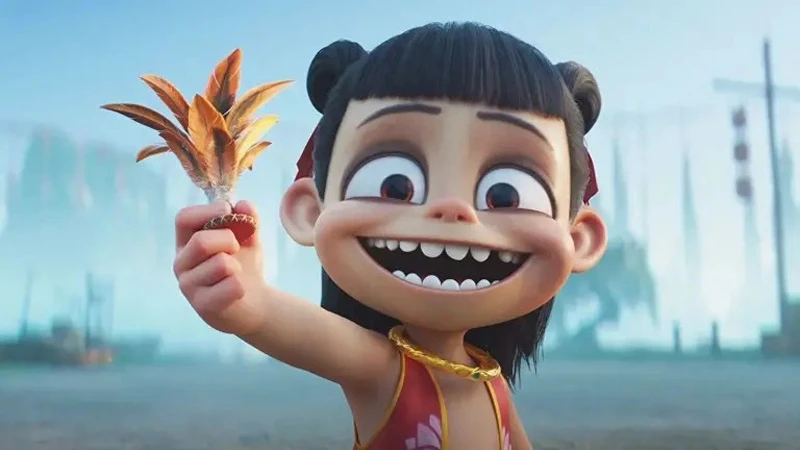
In early 2025, the animated film Ne Zha 2 (哪吒2) stormed into theaters, shattering box office records and captivating audiences worldwide. Not only did it become the highest-grossing film in Chinese cinema history, surpassing even Star Wars: The Force Awakens in single-market earnings, but it also marked a historic milestone as the first Asian film to break into the global top 30 box office rankings. With an impressive 87.3 score on China’s Film Audience Satisfaction Survey, an 8.5 on Douban, and an 8.3 on IMDb, the film has cemented its place as a cultural and commercial triumph. But what makes Ne Zha 2 so special? Beyond its perfect timing during the Lunar New Year holiday and the enduring popularity of the Ne Zha IP, the film’s success lies in its masterful storytelling, cutting-edge animation, and deep cultural resonance. A Modern Twist on a Myth Ne Zha, a beloved figure in Chinese mythology, has been reimagined countless times across literature, theater, and film. From the mischievous child deity in Havoc in Heaven (大闹天宫) to the tragic hero in Ne Zha Conquers the Dragon King (哪吒闹海), each iteration has emphasized his rebellious spirit and supernatural prowess. However, Ne Zha 2 takes a…- 0
- 0
- 349
-
Deng Chanyu: Redefining the Warrior Woman Archetype in Global Cinema
In the sprawling mythological epic Creation of The Gods Ⅱ: Demon Forces Demon: Battle of the West (封神第二部:战火西岐), one character has emerged as a cultural lightning rod: Deng Chanyu (Fengshen), the fearless general whose presence redefines what it means to be a warrior woman on screen. Portrayed by Mongolian actress Nashi (那尔那茜), Deng Chanyu is not merely a "strong female character" but a nuanced, self-possessed figure who challenges both cinematic tropes and societal norms. Here’s why her portrayal has resonated so deeply with audiences worldwide. A Visual Revolution: Subverting Gender Stereotypes Through Design Deng Chanyu’s design is a masterclass in blending historical authenticity with modern symbolism. Her wheat-toned skin, muscular physique, and minimal makeup reject the porcelain-doll aesthetics often imposed on female characters in period dramas. Instead, she embodies a health-driven beauty that radiates strength and vitality. Her armor, adorned with taotie (饕餮) motifs—a mythical beast symbolizing power and protection—anchors her in the visual language of ancient Chinese bronzeware (青铜器). Unlike the impractical "high ponytails" seen in many historical fantasies, her tightly braided hair reflects the practicality of Shang Dynasty hairstyles, emphasizing her role as a battlefield strategist rather than a decorative figure. This design choice not only honors historical…- 0
- 0
- 956
-
The Traveller: A Visual and Narrative Masterpiece by Wuershan
After the monumental success of The Creation of the Gods trilogy (封神三部曲), director Wuershan (乌尔善) is back with another ambitious project: The Traveller (异人之下), a live-action adaptation of the wildly popular Chinese comic The Traveller. Known for his ability to blend traditional Chinese culture with modern cinematic techniques, Wuershan has once again proven his mastery in bringing fantastical worlds to life. This time, he tackles the challenge of adapting a beloved comic series, balancing the expectations of die-hard fans with the need to create a standalone cinematic experience. The Challenge of Adapting a Comic Icon Adapting a comic into a film is no small feat, especially when the source material is as revered as The Traveller. The comic, which has amassed over 30 billion views since its debut eight years ago, is a cultural phenomenon in China. It boasts a rich narrative tapestry, blending traditional Chinese philosophy with a unique, almost anarchic comic style. The story revolves around a hidden world of "Outcasts"—individuals who can manipulate a mysterious energy called "Qi" to perform extraordinary feats. Wuershan's task was to translate this intricate world into a live-action format without losing the essence of the original. The result is a film that…- 0
- 0
- 325
-
The Finless Promise: A Cinematic Dive into Conservation
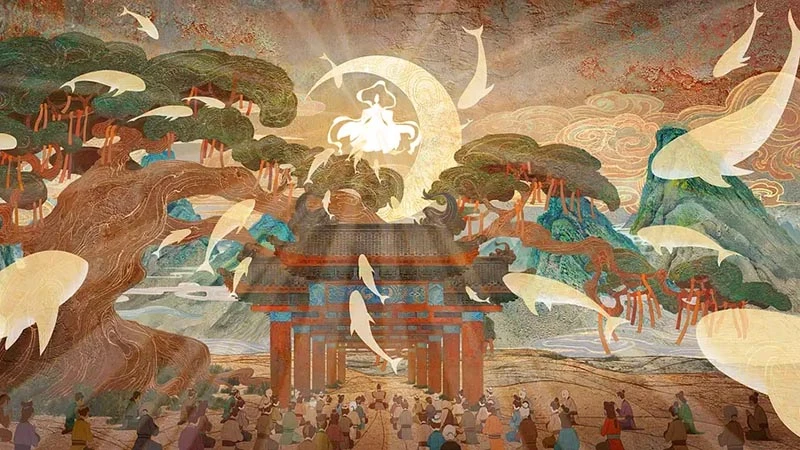
A Bold New Frontier in Animation and Ecology As the first domestic animated film to tackle the theme of the Yangtze River’s unique ecosystem, The Dance With the Finless Promise (江豚·风时舞) boldly ventures into a relatively untouched genre. Its main character, the Yangtze River dolphin, shines a light on China’s endangered aquatic wildlife and broader environmental concerns. Despite the technical and storytelling challenges of portraying aquatic life, this film attempts to immerse viewers in an underrepresented realm of nature that is both visually complex and emotionally delicate. While animal-themed films have long enchanted audiences worldwide, they mostly center on terrestrial animals. Films about underwater creatures remain rare, often limited by technical constraints, the challenge of capturing aquatic behavior, and viewers' limited emotional connection to marine animals. These factors set The Dance With the Finless Promise apart, as it ambitiously combines an artistic portrayal of an endangered species with the practical goals of raising awareness about ecological preservation. Creating a realistic underwater world poses significant technical challenges. Underwater scenes demand specialized equipment and expertise, such as high-quality underwater cameras, lighting adjustments for variable water conditions, and the need to replicate water’s movement realistically. The high production costs and complex requirements for…- 0
- 0
- 274
Movie















Scan to open current page
-
$CouponsLimitation of use:Expired and UnavailableLimitation of use:
before
Limitation of use:Permanently validCoupon ID:×Available for the following products: Available for the following products categories: Unrestricted use:Available for all products and product types