Behind the shimmering visuals of Chinese Studio: Lanruo Temple (聊斋:兰若寺) lies an equally compelling story - one told not by brushstrokes or pixels, but by the art of voice acting. The film’s newly released voice acting featurette reveals a bold experiment: a squad of seasoned voice talents stepping up to breathe life into thirteen lead characters across six distinct tales. This isn’t just a casting choice; it’s a masterclass in versatility.
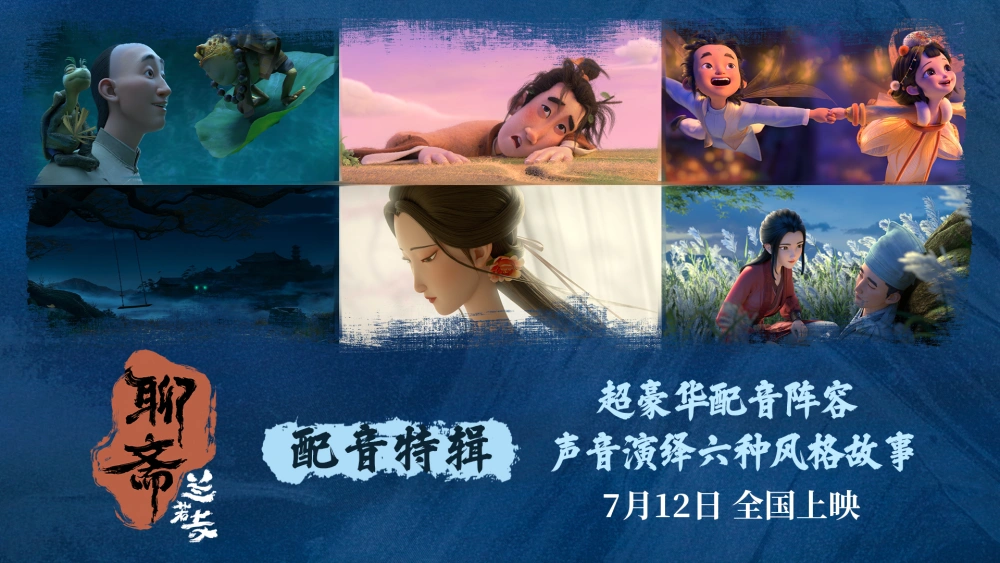
Take Zhang He (张赫) and Lin Qiang (林强), the voices of Xuanguizi and Lingchan Shiren in The Well Story (井下故事) and The Taoist of Mount Lao (崂山道士). Their recording sessions, as shown in the featurette, are a playful dance of creativity. “We just went with what felt fun,” Zhang quips, while Lin adds whimsical animal sounds - from growls to chirps - to amplify the characters’ quirks. For The Lotus Princess (莲花公主), young actor Fu Bohan (傅铂涵), voicing Dou Xu (窦旭), found himself charmed by co-actor Cheng Li’s delicate voice, mistakenly assuming she was a child. “She sounds so sweet and innocent!” he admits, a testament to the voice actors’ ability to transcend age and form.
Equally striking is the emotional depth these artists bring. For The Painted Skin (画皮), Fu Tingyun (傅婷云) describes her role as “building a layered soul,” while Liu Xiaoyu, voice of Nie Xiaoqian, calls her first encounter with the script “a pleasant shock.” Ning Caichen’s voice, provided by Gu Jiangshan, highlights the film’s balance of reverence and innovation: “The team respects the original Chinese Studio but dares to reimagine it - something that makes the story feel both timeless and fresh.”
Resurrecting Chinese Studio’s World through Sound
Chinese Studio: Lanruo Temple isn’t just an adaptation - it’s a celebration of Chinese Studio’s boundless imagination. Structured as a “1+5” narrative, the film weaves a main thread (The Well Story) through five standalone chapters: The Taoist of Mount Lao, The Lotus Princess, Nie Xiaoqian (聂小倩), The Painted Skin, and The Lady of Lord Lu (鲁公女). Each chapter, as voice director Yang Tianxiang (杨天翔) notes, carries its own flavor: “Comedy, innocence, raw emotion - even echoes of modern family life.”
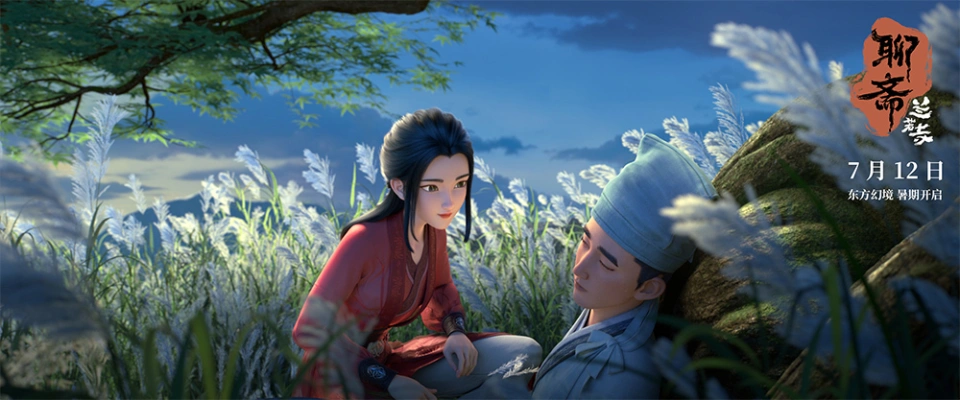
The voice cast mirrors this diversity. Chen Ziping, dubbed “the comedy genius” of the group, infuses The Taoist of Mount Lao’s Wang Cheng with rhythmic, playful tones that blend “suffering, humor, and absurdity” seamlessly. In Chinese Studio: Lanruo Temple, Li Shimeng and Sun Lulu craft a “dashing vs.cute and awkward” dynamic, earning the pairing a fan-favorite title for its delightful contrast. Together, these voices transform the pages of Chinese Studio into a living, breathing world where viewers “witness greed, sincerity, love in chaos, marital bonds, and life-and-death devotion.”
This richness isn’t accidental. The film’s creators, eager to honor Pu Songling’’s legacy, have re-examined the original stories to unearth hidden layers. “We wanted to show that Chinese Studio isn’t just about ghosts - it’s about humanity,” explains one crew member. Through voice acting, they’ve succeeded: each character’s tone, from the mischievous to the mournful, becomes a window into the depths of human experience.
Blending Tradition with Cutting-Edge Animation
Chinese Studio: Lanruo Temple marks a homecoming for fans of Chinese animation - specifically, those who adored The Longest Day in Chang'an (长安三万里). The film is the second installment in Light Chaser Animation’s “New Culture” series, helmed by the same creative minds behind the historical epic. This continuity isn’t just about talent; it’s about a shared vision to redefine how traditional stories meet modern audiences.
The studio’s track record speaks for itself: White Snake 2: Green Snake (白蛇2:青蛇劫起), New God List Yang Jian (新神榜:杨戬), The Longest Day in Chang'an, and White Snake: Afloat (白蛇:浮生) have all set benchmarks for visual and narrative innovation. Now,Chinese Studio pushes the envelope further, merging lush, hand-painted backgrounds with dynamic CGI to recreate Pu Songling’s “world of strange and wonderful beings.” “We’re not just animating - we’re resurrecting a cultural treasure,” says a lead animator.
Set to hit theaters on July 12, the film is backed by a stellar lineup of producers: Light Chaser Animation, Shanghai Ruyi Film, Wanda Film, Taopiaopiao, China Film Group, and more. As summer approaches, Chinese Studio: Lanruo Temple promises to be more than a movie - it’s an invitation to step through a portal into a realm where myths and humanity collide, brought to life by voices that feel as familiar as old friends and as vibrant as a summer night’s dream.