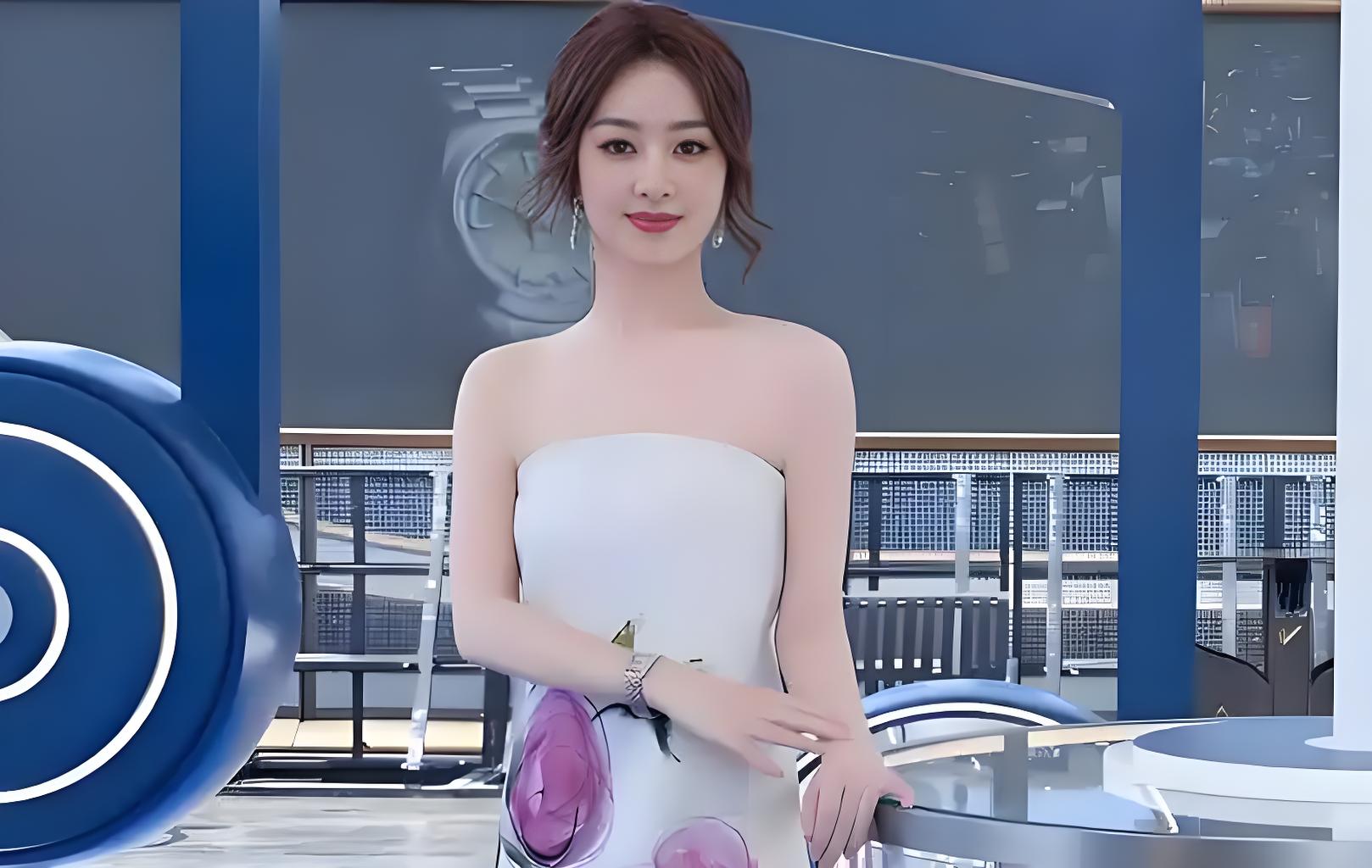
A single dress draped on China’s beloved superstar, Zhao Liying (赵丽颖), ignited not applause, but a digital firestorm so intense it scorched her stylist and set social media ablaze. The offending garment? A voluminous Oscar de la Renta floral gown from the 2025 Spring collection, promptly dubbed the “Bed Sheet Dress” by legions of online critics. This wasn’t just a fashion misstep; it became a potent symbol of the intense scrutiny and complex journey Zhao navigates as she evolves from idol to icon.
When Fashion Becomes Fodder for Transformation's Tumult
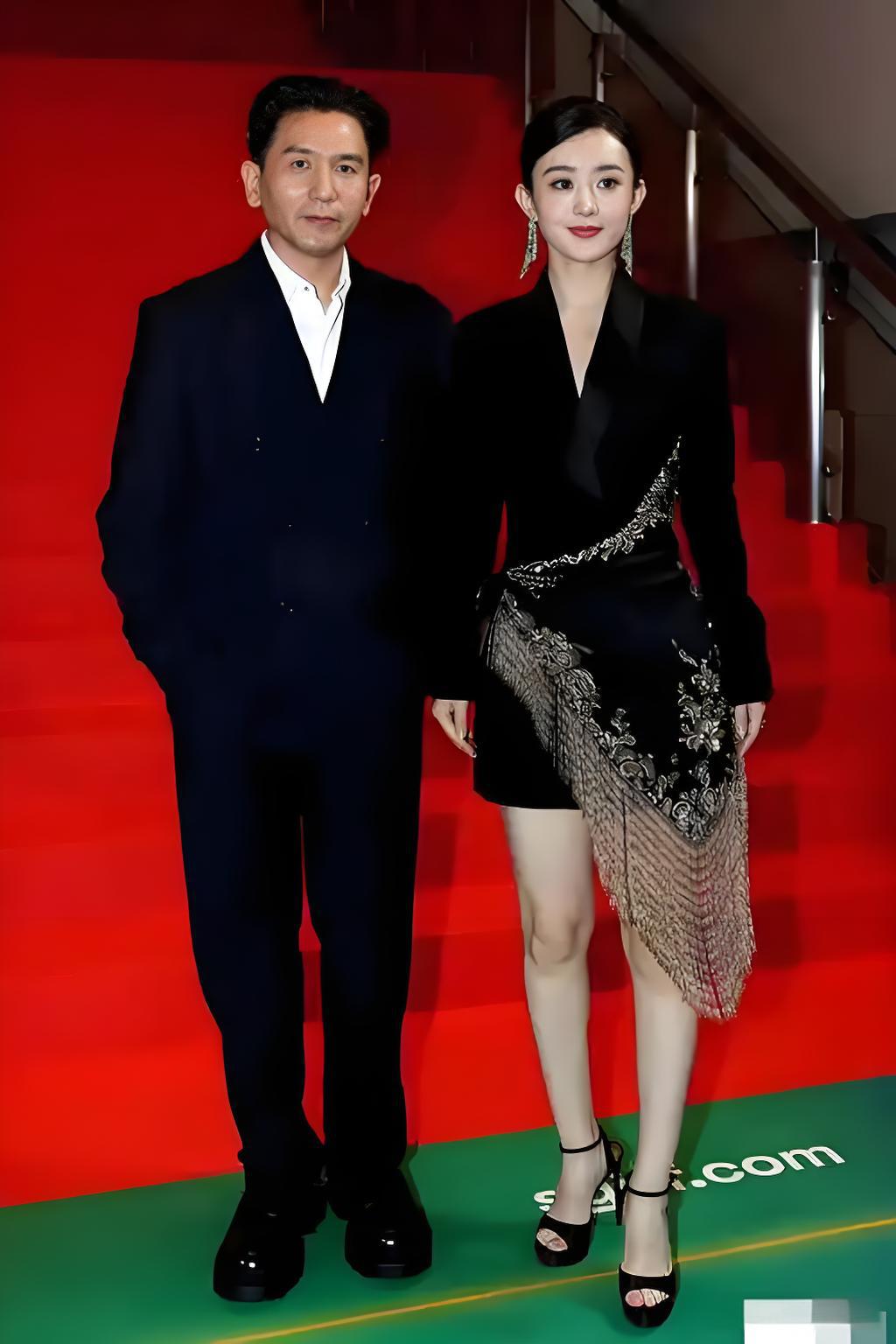
The imagery was harsh: pink florals spilling across a white expanse were likened to a child’s chaotic finger painting on hotel linen. The lack of defined structure, critics jeered, swallowed her petite frame whole, while an unwieldy hem forced an awkward gait amplified by overly large heels. Close-ups mercilessly captured every perceived flaw. Yet, the mockery wasn't merely about aesthetics; it was the deafening culmination of mounting frustration among her fiercely protective fanbase. Zhao’s recent red carpet moments had become a recurring source of dismay - from the awkwardly cropped silhouette at the Singapore Film Festival, derided as unflatteringly "short-legged," to the "borrowed-from-mom" critique of another ensemble. Each "miss" chipped away at patience.
The backlash swiftly zeroed in on stylist Sanmao (三毛), whose acclaimed work with other stars like Song Qian (Victoria Song) and Yu Shuxin seemed conspicuously absent for Zhao. Fans launched a coordinated assault, flooding her studio’s social media channels with urgent demands: "Fire Sanmao!" They weaponized past triumphs - recalling the elegant mastery of her 2024 Hundred Flowers Awards look - as evidence of current decline. Rumors even swirled of restrictive clauses in high-stakes brand contracts, suggesting Zhao may have traded sartorial freedom for lucrative continuity. The implication stung: had the "brand" eclipsed the individual?
Amidst the curated chaos, Zhao Liying, the performer, stood resolute. Observers noted her unwavering commitment: enduring sweltering temperatures under a heavy, mandatory wig, engaging warmly with fans throughout the long event, her demeanor betraying no frustration. The spotlight, unforgiving as it was on the dress, also illuminated her undeniable poise. High-definition cameras captured flawless skin and sculpted features; her smile remained radiant, effortless. This professionalism - performing under heat, literally and figuratively - earned respect even from some who questioned the gown.
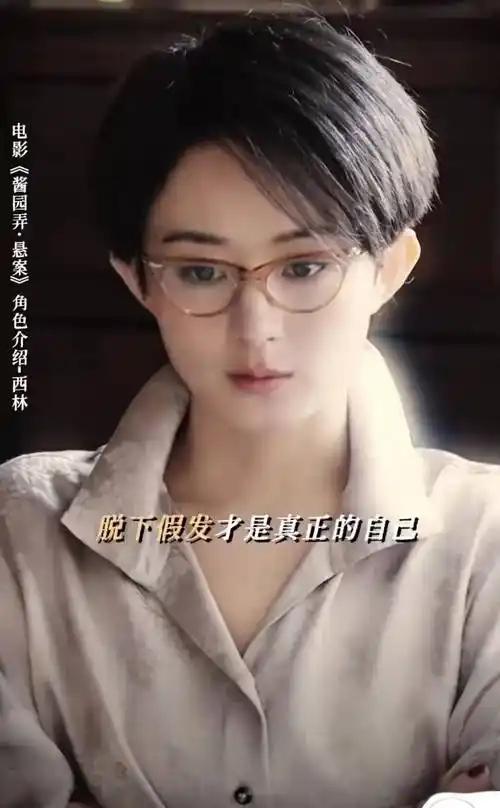
The "bed sheet" fracas is merely the latest, loudest skirmish in Zhao Liying’s ongoing, highly public war of transformation. At 38, she occupies a pivotal space - purposefully shifting from the safety of crowd-pleasing "traffic dramas" towards the demanding terrain of serious character work in projects like the much-anticipated film She's Got No Name (酱园弄). Early glimpses in the trailer, however, ignited debate, proving her path is paved with scrutiny. Simultaneously, navigating the natural effects of time adds its own layer of challenge. Whispers about "subtle enhancements" clash with her own reported stance against excessive intervention, highlighting the cruel paradox: an industry that demands perpetual youthfulness pressures stars towards procedures they might privately reject, while also punishing visible signs of resisting that pressure.
Romance whispers with director Midi Z fuel tabloids, potentially clouding perceptions of her hard-won independence. She grapples with the universal experience of aging - the refinement of facial contours, the subtle shifts in jawline - amplified into scandal by the entertainment lens.
Zhao Liying walks a tightrope. The audience craves the familiar, the eternally youthful idol, even as she actively dismantles that image, reaching for roles that demand greater vulnerability and authenticity. The backlash over a dress, intense as it was, resonated because it touched on these deeper, more unsettling transitions. It wasn't just about Sanmao’s taste; it tapped into the collective anxiety about change, agency, and the price of evolution in a gaze that rarely softens. Her quiet resolve and the undeniable spark in her eyes when performing suggest a woman processing, adapting, but firmly focused on the horizon. This dress won't be her defining moment; it's merely a vivid footnote in a complex, unfolding chapter about finding an authentic expression beyond the prescribed roles.
Zhao Liying’s Audacious Leap Beyond the Spotlight
The noise surrounding the white dress, while deafening, ultimately fades against the backdrop of a more profound narrative unfolding: Zhao Liying’s deliberate, often bruising, but unwavering pivot towards artistic substance. This journey is marked not by red-carpet perfection, but by deliberate choices that redefine her place in the industry.
Zhao Liying’s transformation coincides, inevitably, with the passage of time - a reality amplified mercilessly by the modern media lens. Here lies a stark paradox emblematic of the industry: audiences often critique the artificiality of excessive cosmetic procedures, yet simultaneously pounce on the natural signs of maturation. The subtle shifts in facial contours visible in unguarded moments, intrinsic to any individual nearing their fourth decade, become fuel for speculation about procedures or proof of decline. This societal tightrope demands near-impossible navigation. Zhao finds herself caught between pressures: internal artistic ambition pushing her towards nuanced portrayals requiring authenticity, and an external environment fixated on preserving an ageless facade. Her reported personal aversion to aggressive interventions adds another layer of personal tension to this professional metamorphosis.
Complicating her narrative are persistent rumors linking her professionally and personally to director Midi Z. While unconfirmed, they introduce a new dynamic scrutinized under the unforgiving light of her hard-earned "independent woman" persona. Accusations surface – perhaps unfairly - that association translates to privileged access to auteur-driven projects, a subtle undermining of her own proven work ethic and talent. This perception battle threatens to cloud her achievements, presenting a cruel irony: an actress who fought her way up fiercely against industry biases now potentially perceived as benefiting from personal ties, regardless of the truth. It forces a continual reassertion of her individual merit in the face of interconnected gossip. Her recent strategic absence from certain high-profile festivals, whether planned or circumstantial, becomes read through this lens, adding another variable to the complex equation of her public image.