
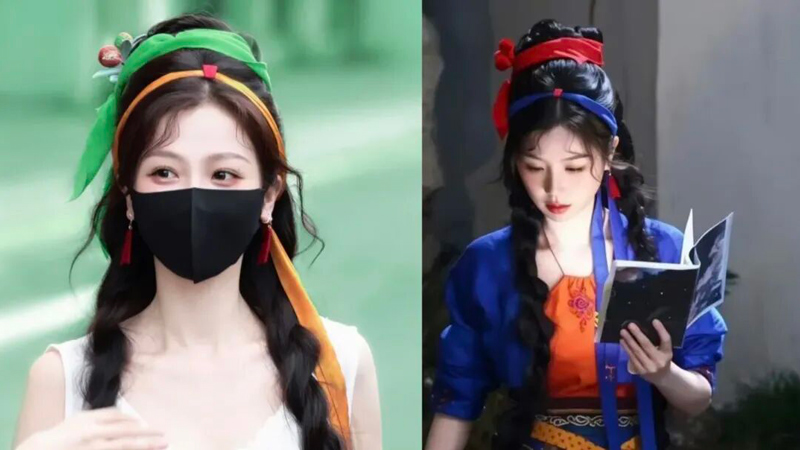
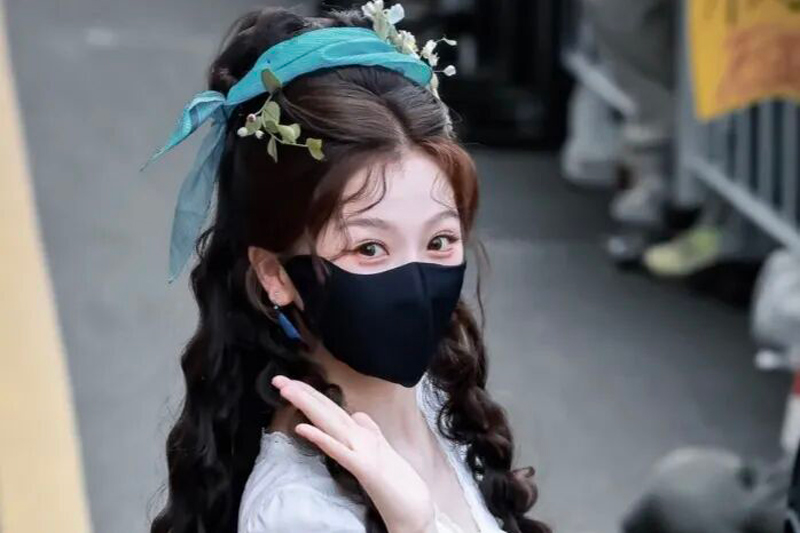
Yu Shuxin’s (虞书欣) headband in the costume drama Nian Xiang Si (念相思) has stirred more buzz than the show’s protagonist. How could a simple strip of cloth steal the spotlight from a fantasy epic? The answer lies not in modern styling tricks, but in a tradition that has quietly endured for over a thousand years. Recent set photos revealed He Pan (何盼), a clam spirit played by Yu, wearing flowing ribbons of vivid colors. Within hours, these images triggered a buying frenzy among fans. They debated if the bow style looked too contemporary for ancient settings.
In reality, this accessory is no invention of fashion bloggers. It is the “Xu” (pronounced “shoo”; a cloth band for binding hair), a common hair tie from the Song Dynasty that proves our ancestors were already masters of effortless beauty. Its recent popularity is not a fad but a revival—a link between the street stalls of ancient Lin’an (临安, now Hangzhou) and the modern Xianxia genre. This piece explores how a piece of silk became a timeless symbol of style.
The Ancient “Xu” and Its Vernacular Roots
The official name for this ancient hair tie is “Xu,” a term documented in several classical texts. Unlike the elaborate crowns worn by nobility, it was the most accessible daily accessory for common women. According to Zhu Zi’s Family Rituals (朱子·家礼), it was simply a piece of fine hemp cloth, about eight inches long, used to bind the hair at the roots while leaving the ends dangling. This simplicity made it ubiquitous. In the Southern Song historical records like Yijian Zhi (夷坚志补) note that street vendors in Lin’an sold these bands alongside combs. They were not confined to the elite; it was an equalizer of fashion, worn by maids and noblewomen alike. In colloquial terms, people called it “Sitao” (丝绦) or “Caitiao” (彩绦), names that evoke the colorful silk threads used in traditional Chinese knotting.
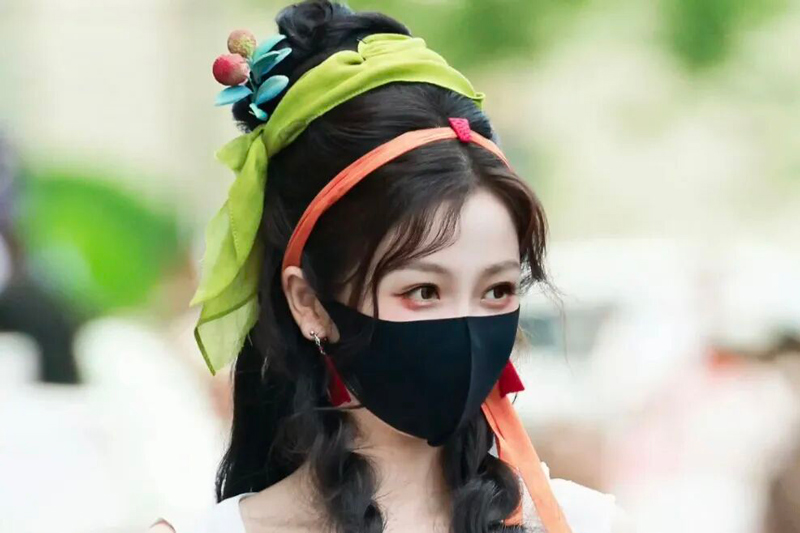
It is important to distinguish this item from later accessories. By the mid-Ming Dynasty, vernacular novels began referring to it as “Sheng” (绳), or head rope, further embedding it into daily language. This transition from formal ritual records to popular slang shows its deep integration into society. It was not a ceremonial piece but a staple of everyday life, much like a hairbrush today. The phenomenon observed with Yu Shuxin—where a minor accessory dominates public attention—mirrors historical reality where the “Xu” was a quiet constant in women’s lives. It served a practical purpose of keeping hair tidy, but it also allowed for personal expression through color and fabric choice, a trend that resonates with modern consumers seeking individuality.
Butterfly Knots: A Song Dynasty Legacy
Critics argued that the “butterfly knot” style of Yu’s headband seemed too modern for a Xianxia setting. They are mistaken. Archaeological evidence from Song Dynasty tomb murals in Henan (河南) clearly depicts women tying ribbons into loops at the crown of their heads. These loops are round and elegant, strikingly similar to the popular bows we see today. This specific technique is known in traditional Chinese knotting as the “Oxalis Knot” , named for its clover-like petal shapes. This knot was already widely used in silk accessories during the Tang and Song dynasties. Therefore, the “butterfly” is not a product of Western or modern fashion but a native aesthetic choice with a long history.
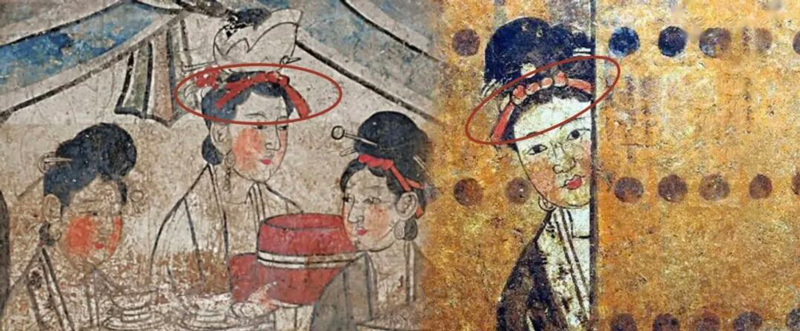
This discovery reframes the current trend. When Yu Shuxin wears that bow, she is not imposing a contemporary preference onto an ancient character; she is accurately portraying a tradition rooted in the everyday aesthetics of the Song Dynasty. The subtlety of this detail speaks volumes. While modern adaptations often use expensive gold and jade to signify status, the choice of a silk ribbon here conveys a different narrative—one of accessibility and ethereal grace. It aligns with the character’s identity as a clam spirit rather than a celestial goddess, using texture and color rather than weight to define personality. The “Oxalis Knot” represents a cultural memory encoded in fabric, proving that the so-called “modern” look is merely a rediscovery of a long-forgotten classic.
Why Silk Ribbons Outshine Heavy Crowns
The recent trend in costume dramas—seen in A Dream Within a Dream (书卷一梦) and The Last Immortal (神隐)—shows a clear shift from heavy headdresses to flowing ribbons. Producers favor this style for its high adaptability and low cost. It flatters every face shape and works with both long and short hair, offering a classical vibe suitable for daily wear. In Yu Shuxin’s case, the vibrant colors of the ribbons not only enhanced the visual appeal but also elevated her character’s personality. It allowed the Xianxia character to appear both otherworldly and approachable. This is the core reason the headband in Nian Xiang Si overshadowed the lead role’s narrative; it provided immediate visual satisfaction and served as achievable beauty inspiration for viewers.
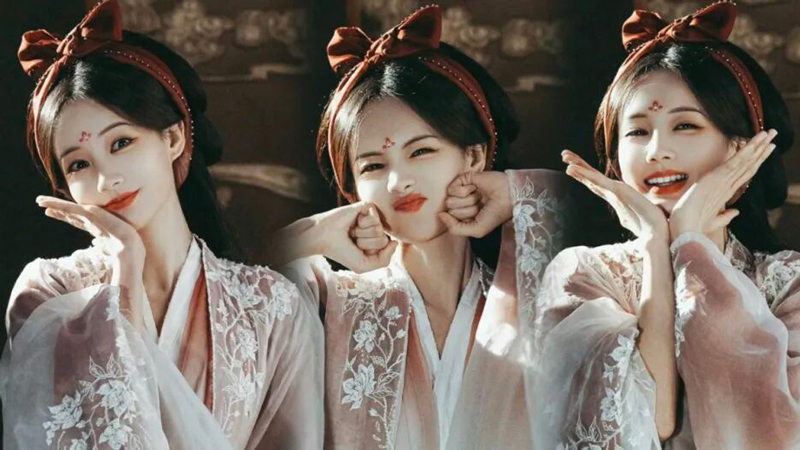
However, its success is not just about practicality. It embodies an ancient philosophy of aesthetics: the profound beauty of restraint. Where elaborate metalwork shouts for attention, a gently hanging ribbon suggests a quiet, lingering charm. The fabric moves with the wearer, catching the light and wind, creating a living painting. In the Song Dynasty murals, the ribbons possess a refined, dignified air without appearing frivolous. This balance of dignity and vitality is what modern costume designers strive to achieve. The ribbed silk from the “Xu” tradition holds a unique drape that cannot be easily replicated. It carries the weight of history—the stories of countless women who adorned themselves with the same simple elegance—and translates them into a contemporary trend that resonates on a massive scale.
Yu Shuxin’s headband is far more than a viral accessory. It is a tangible thread connecting us to the aesthetic wisdom of the ancients. In its simplicity lies a thousand years of history, from the bustling markets of Lin’an to the fantasy realms of modern television. It proves that true style is timeless, and sometimes, a single piece of silk is enough to reveal an entire cultural heritage. What is your take on this revival of ancient grace?
