
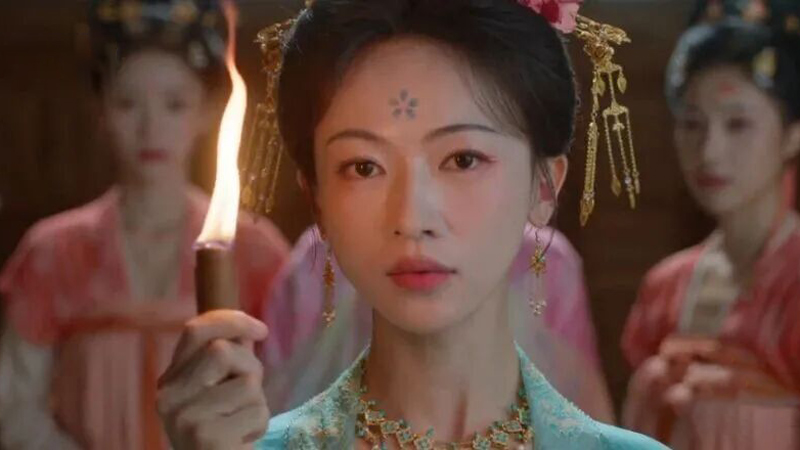
Why does Meng Tinghui (孟廷辉), the heroine of Royal Betrothal (御廷谣), fight so brutally when she has everything to lose? The answer reveals a new kind of storytelling where survival instincts outweigh royal favor, and where winning doesn't erase trauma. Unlike the usual palace schemers, she wasn’t born into a noble house. She crawled out of a slaver’s pit, and that changes everything about how she swings a knife.
The series doesn’t just deliver the satisfying payback audiences crave; it dissects the logic behind it. This is not the gentle art of courtly maneuvering. This is the raw, unpolished muscle memory of a woman who learned that the only thing a hostage can negotiate with is her own life.
Her Only Weapon
When Jiang Meier (蒋美儿) threatens her with a blade, Meng Tinghui doesn’t flinch. She takes it from her. When a trap is set to burn her, she turns the fire back on the instigator. Many viewers question her recklessness: how can a commoner afford to provoke the niece of a provincial governor? The answer lies in her origin. She grew up in a den of human traffickers, a place where rules didn't exist. In that world, politeness is a death sentence. It has nothing to do with bravery and everything to do with mathematics. If you beg, you lose. If you run, they hunt. The only variable you can control is the cost of catching you.
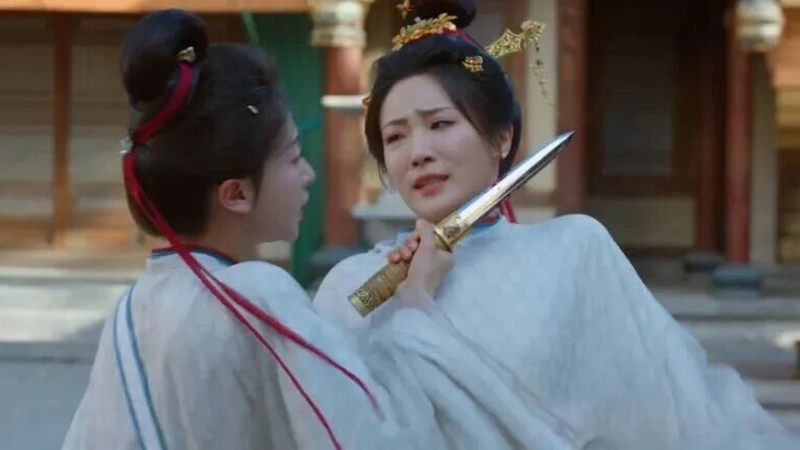
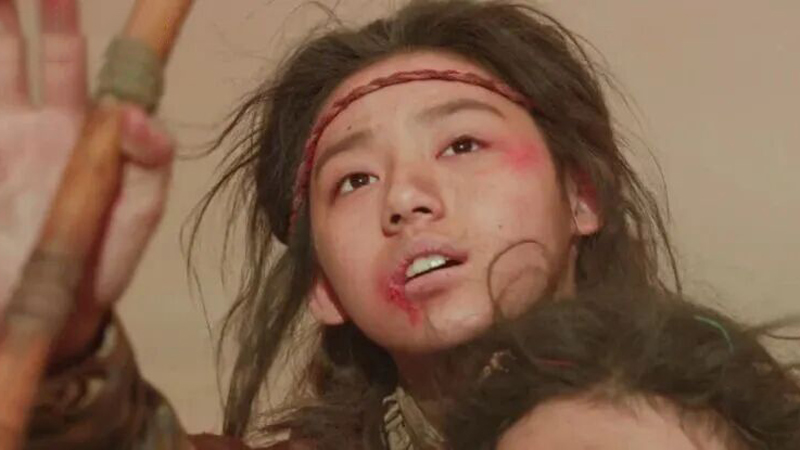
She watched Sister A Xiang (阿香) die because of submission. That lesson is burned into her bones. She knows that a bully stops only when the victim becomes more trouble than they are worth. Her response to Jiang Meier is a calculated price tag: "You want to break me? It will cost you blood." It is a business transaction born from poverty. She does not have the luxury of cunning plans over years; she only has the moment in front of her. Her “violence” is simply the most efficient negotiation tactic available to those who own nothing but their determination to breathe free air.
The Lost Order
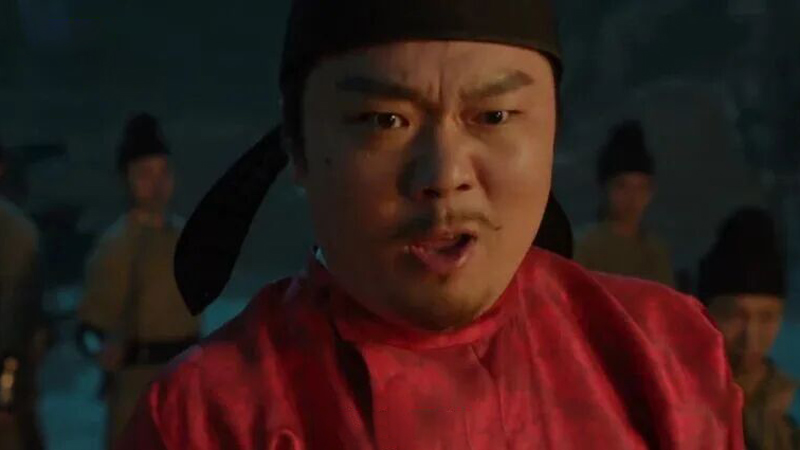
In Shazhou (沙州), the law is a distant rumor. This is a frontier city, far from the emperor’s sight, where the real authority is the Black Tiger Hall and their patron, the sinister Minister Xu Ting (徐亭). The local governor’s cruelty mirrors the chaos above. It is an ecosystem of predation. When a wedding procession crosses a funeral, the tyrants make the groom wear mourning clothes. When an inn opens its doors with colorful flags, the guests are chased down with swords. There is no justice here; there is only the whim of the powerful.
This explains why Meng Tinghui does not seek official intervention. She knows the system is the weapon used against her. To be "civilized" in Shazhou is to be a target. When Jiang Meier expels a student named Wen Xiaomei (文小妹) for no reason, the girl hides, yet still ends up scalded. Passive resistance failed. It always fails. The show makes a deliberate choice: the heroine doesn't win by exposing the villain's crimes to a judge, because the judge is on the villain's payroll. Her victory relies on making the bully feel the heat of her own fire, creating a temporary stalemate that lets her breathe. It's not about changing the world in one night; it's about surviving until morning.
Bitter Victory
Wu Jinyan (吴谨言), the actor behind the role, plays Meng Tinghui with a sharp edge, but the show wisely slows down to capture the silence after the storm. The "joy" of winning is short-lived. After each triumph, the character is haunted by nightmares of the trafficking den. She doesn't sleep peacefully; she wakes up gasping. The most profound moment isn't the duel; it is the scene where she recovers her "qin gong" (亲供)—the official exam permit that is her lifeline to a career in the imperial bureaucracy. She takes it back, but then stands alone in the courtyard, crying as sunlight filters through golden maple leaves.
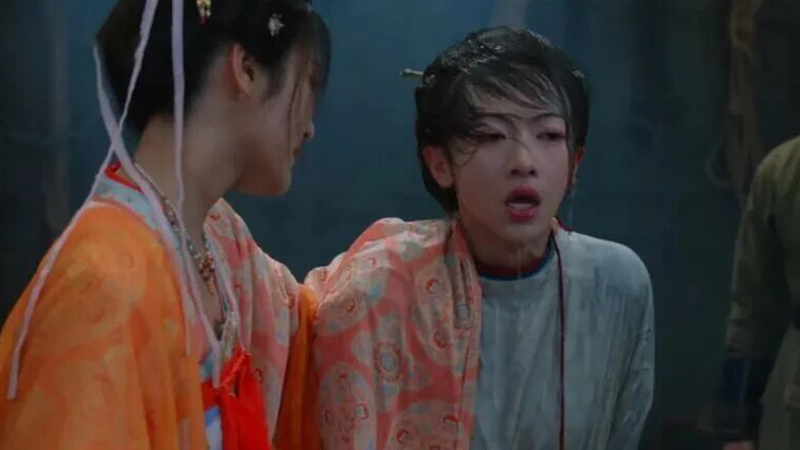
This is where Royal Betrothal separates itself from shallow fantasies. The narrative forces us to witness the weight of survival. Yes, she saved her ticket to the future. But the tears are for the girl she used to be, the friends she couldn't save, and the terrifying truth that this fight is forever. She is physically safe for a moment, but mentally still trapped. The “satisfaction” is layered with grief. We see that the strength she uses to cut down her enemies is the same strength she uses to hold herself together. It is a heavy burden. Every "win" is a flashback to a loss. The show suggests that true strength isn't the ability to fight, but the ability to keep walking after the fight is over, even when you are exhausted and alone.
A Different Kind of Hero
Ultimately, Meng Tinghui’s journey is not a power fantasy. It is a tribute to the resilience of the dispossessed. The usual "palace intrigue" heroine relies on clever schemes and a prince’s favor. She relies on pain. Her intelligence is not academic; it is the street-smart ability to read a predator's eyes. Her victories are not magic; they are statistics. She knows that if you are going to be hanged anyway for stealing a sheep, you might as well steal the whole herd. This is the lesson ingrained in her by a merciless upbringing.
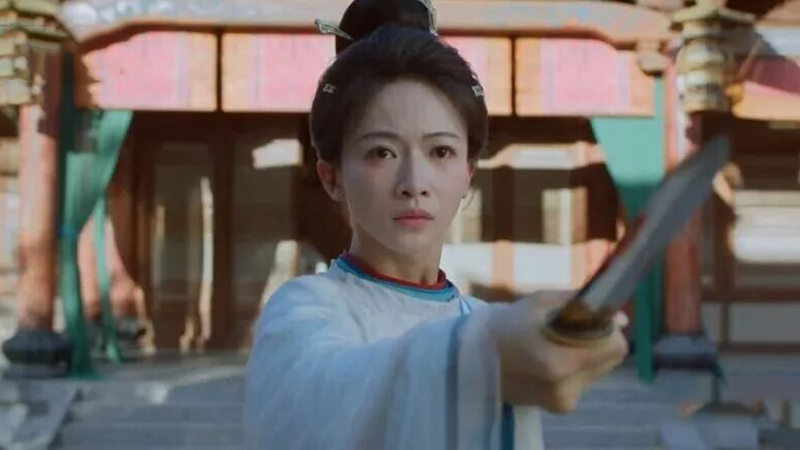
Her ruthlessness is actually precision. She doesn't lash out randomly; she targets the hand that holds the whip. She understands the cost of every action because she has paid for lessons in flesh. The show invites us to think: what happens to the human soul when it is forged in a furnace? It becomes harder, but it also becomes brittle. She is not a comfortable heroine. She makes us uneasy because we recognize that her methods are necessary. The drama is not about teaching us a moral; it is about showing us a mirror of a world where survival is the only morality. The "cool" victories have a bitter taste, and that bitterness makes the story linger in the memory long after the final credits roll.
