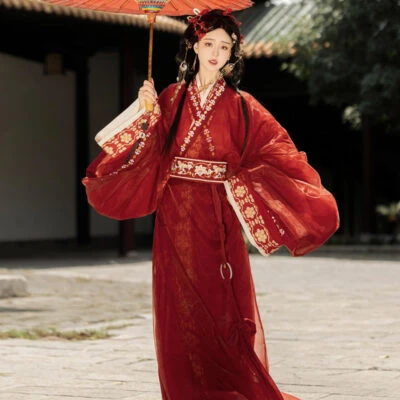
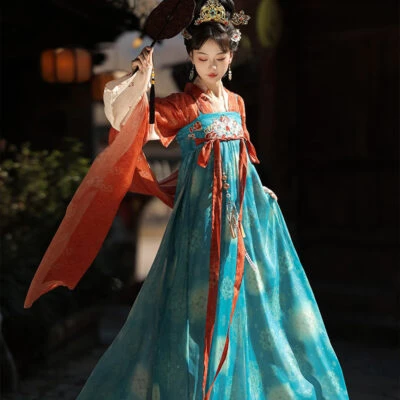
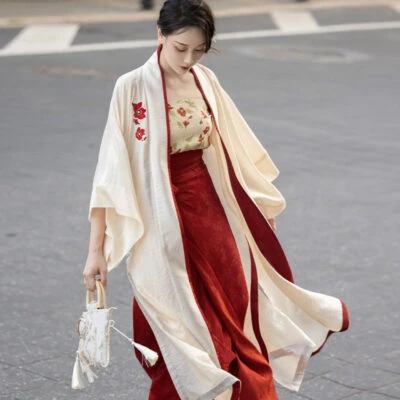
The 2026 Chinese costume drama landscape is marked by a pronounced shift toward Ming dynasty (1368–1644) settings and historically grounded costume design. Major platforms — Tencent Video, iQiyi, and Youku — are competing not only on IP and casting but on the authenticity of their textile, color, and silhouette choices, raising the bar for what audiences expect from period production design.
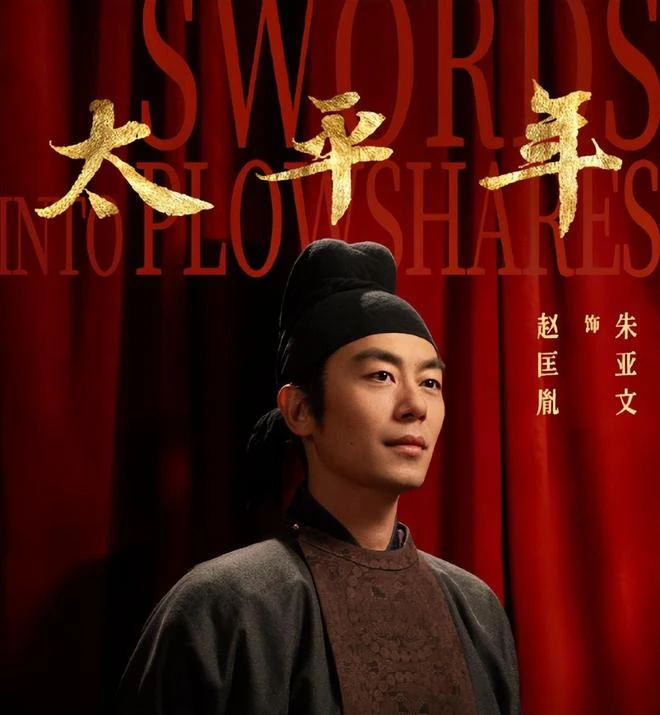
Leading the charge is CCTV’s “Taiping Nian” (太平年, “The Year of Peace”), which premiered on CCTV-1’s prime-time slot on January 23, 2026. Directed by Yang Lei and written by Dong Zhe, the drama dramatizes the “Return of Territory to the Song” event at the end of the Five Dynasties and Ten Kingdoms period. While set slightly before the Ming, the production’s costume department adopted a rigorous archaeological approach — referencing surviving textiles, official rank badges, and jade belt fittings — that has influenced the broader industry’s attitude toward period accuracy.
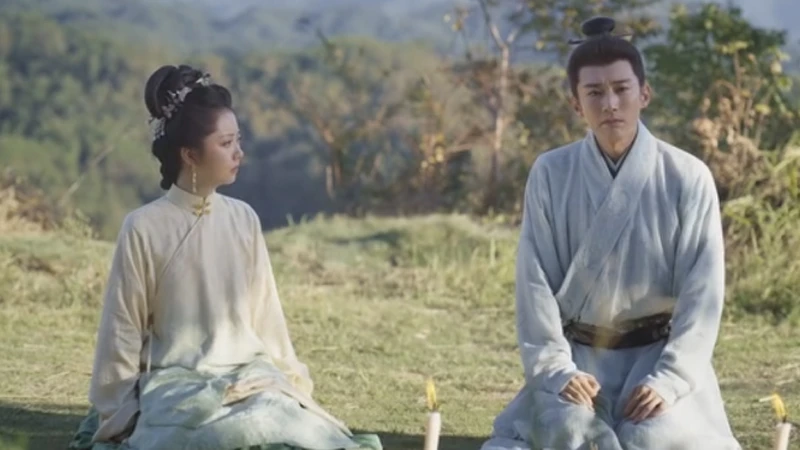
The most explicitly Ming-focused production is “Baiyi Gongqing” (白衣公卿, “The White-Robed Minister”), a 36-episode martial-arts and political intrigue drama set during the Yongle reign (1402–1424) of the Ming dynasty. Produced by XiXi Pictures and Tencent Video, the series stars Gong Jun as a young man who infiltrates the Jinyiwei — the Ming secret police — to investigate his family’s massacre, and Nie Yuan as the jinyiwei commander who both exploits and mentors him. The production design references “Four Seasons Landscape Paintings” and “Spring Morning in the Han Palace” for its visual language, and the costume team has drawn directly from the Ming Hui Dian (Collected Statues of the Ming Dynasty) and Tiangong Kaiwu (The Exploitation of the Works of Nature) for fabric patterns, rank insignia, and accessory specifications.
Three Trends Reshaping Costume Drama Production
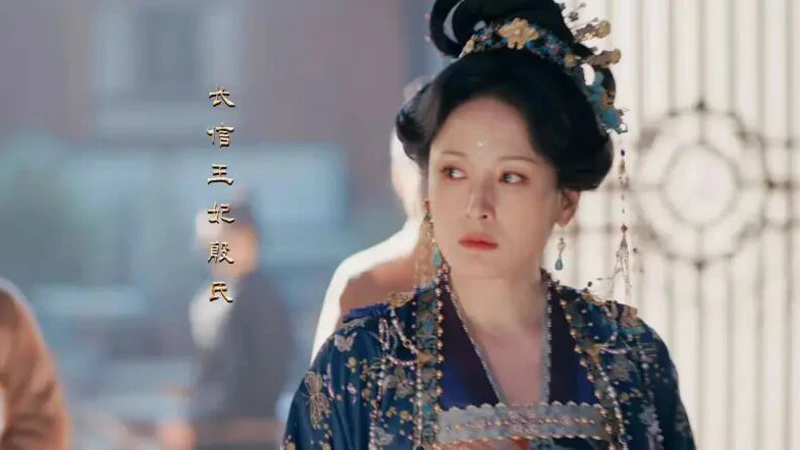
First, genre hybridization. Dramas like “Huakai Jinxiu” (花开锦绣) blend salt-merchant commerce, jianghu underworld politics, and officialdom marital dynamics, demanding costumes that can read credibly across multiple social strata. Second, production scale. “Yulin Ling” (雨霖铃), starring Yang Yang, was shot with cinema-grade practical location photography, requiring costumes that hold up under high-resolution scrutiny rather than soft-focus television lighting. Third, interactive engagement. “Zhuyu” (逐玉), starring Zhang Linghe and Tian Xiwei, generated over 300 million bullet-comment interactions, with costume details becoming a significant topic of viewer discussion and debate.
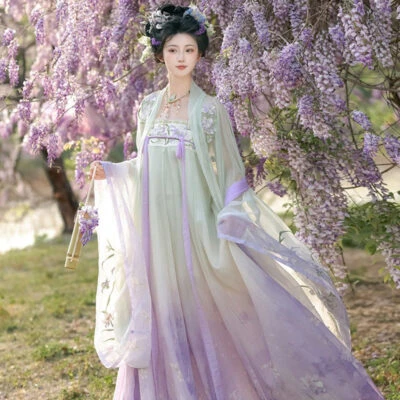
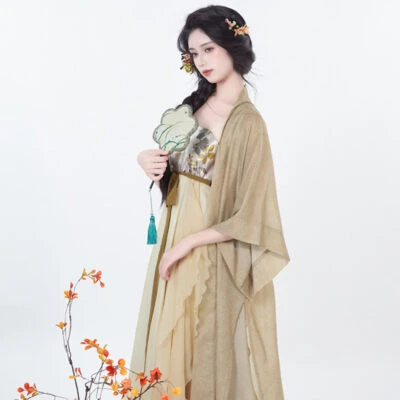
The trend toward Ming aesthetics carries structural weight beyond individual productions. The Ming dynasty’s elaborate sumptuary laws produced a highly codified visual language — official rank squares (buzi), dragon robes with specific claw counts, color hierarchies — that gives costume designers a rich vocabulary to work with while also setting a high bar for accuracy. Audiences, increasingly educated by hanfu communities and museum exhibitions, are quick to spot anachronisms. This feedback loop between production teams, hanfu scholars, and viewers is pushing costume design from decorative afterthought to core production value.