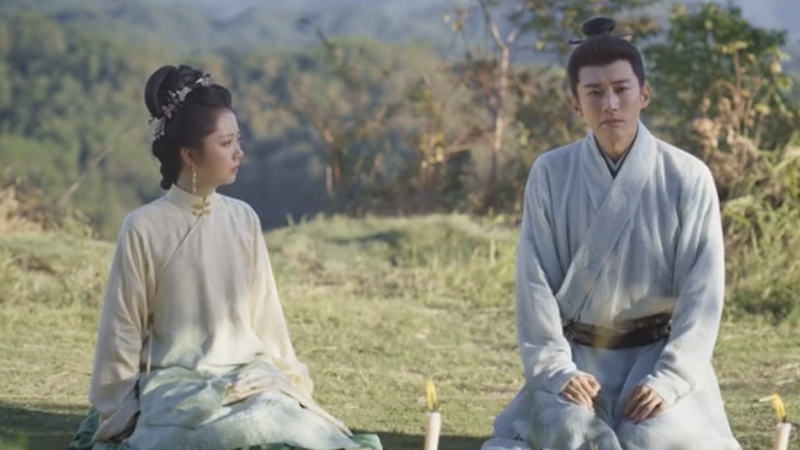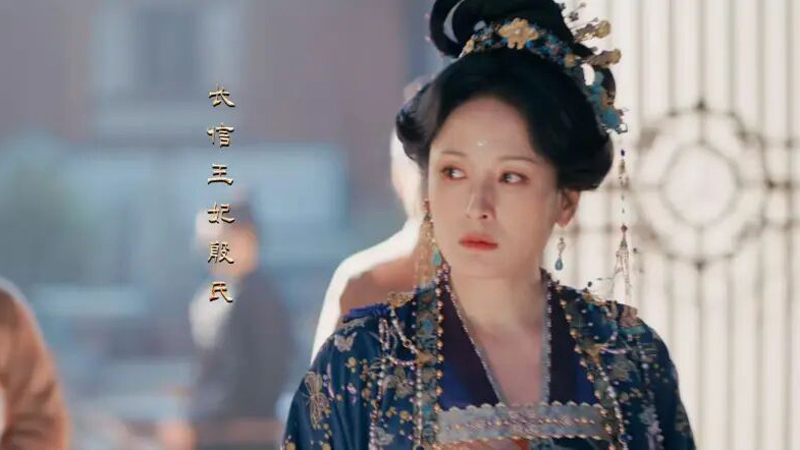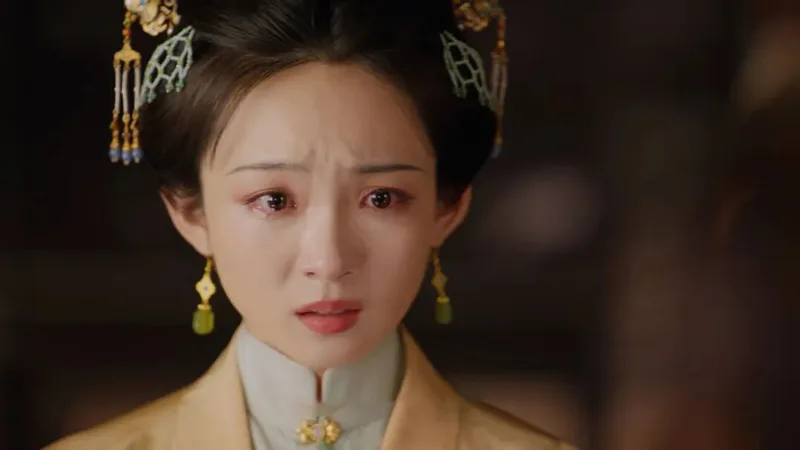
After the finale of Against the Current (兰香如故), one argument keeps returning: Lin Xiuru (林秀茹) is the most wicked woman in the Lin family. The proof? She used an amicable divorce to secure the Yuan family estate, then stained the dead Yuan Shaohui (袁绍辉) with rumors of military failure. Because of her, her daughters fell from a marquis’s children to ordinary rich girls. It sounds damning. But this reading is too simple. Lin Xiuru was not gentle, and her methods were not clean. Still, calling her the worst requires ignoring the trap around her. She was a widow in a clan that saw her as a temporary obstacle. The real question is not whether she was nice. It is whether she had any safe way to be nice.
The Divorce Gambit
Lin Xiuru entered the Yuan household and gave birth to daughters. Old Madame Yuan pressured Yuan Shaohui to take Biwu (碧芜) as a concubine. Biwu was close to Third Granduncle. His branch had a plan: if Biwu produced a son, they could control the boy, then swallow the estate and noble title. Lin Xiuru and the eldest daughter saw the scheme. That is why the amicable divorce threat appeared. To stop a divorce, the Yuan family agreed that property could pass only to children of the principal wife, and the Lin family would choose any concubine. This was not romantic. It was a legal wall built before the flood.
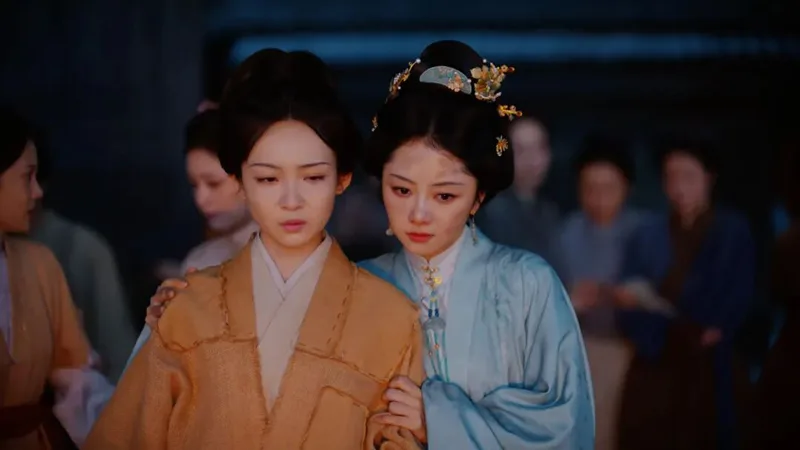
Critics call her greedy for “taking” Yuan property. Yet without that clause, the clansmen would have taken it first. In that era, a widow without a powerful male heir had a fragile claim. A concubine’s son backed by Third Granduncle could push her aside. Her daughters might become dependents, then burdens, then bargaining pieces. The divorce gambit forced written limits. She did not create the rules; she used them. If a locked door is the only shelter, using the key is not villainy. The truly cold actors were those who treated women and children as tools for title and money.
Yes, her move made enemies. It placed her daughters inside clan politics. But the alternative was worse: no home, no income, no voice, and possibly forced marriages. A mother who chooses survival over popularity may look hard. But “worst in the Lin family” is a heavy label for a woman who refused to be plundered. The divorce gambit was ugly. It was also understandable.
After the Hero Dies
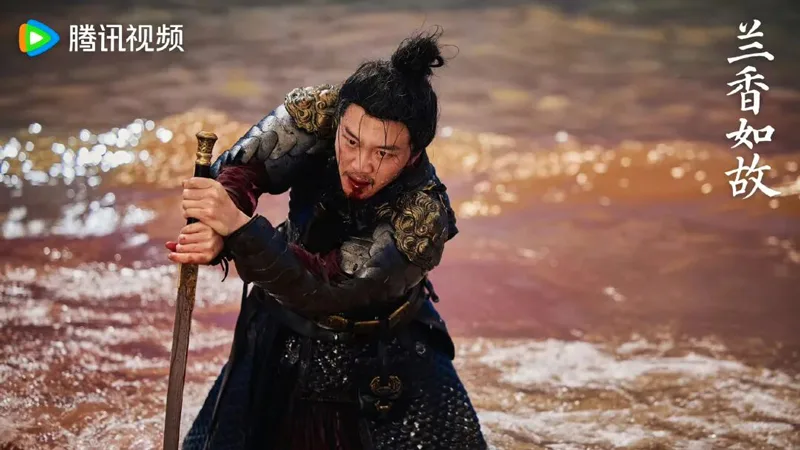
Then Yuan Shaohui dies. He was killed by Du Cuique’s (杜翠雀) people, a sacrifice for the country. Soon Jinling (金陵) hears rumors: he delayed military intelligence, caused soldiers’ deaths, and the emperor may strip his title and punish him. Lin Xiuru reportedly fled to her natal home with her children. Third Granduncle rushed to the Lin family to sever clan ties with Marquis Yuan’s branch. The estate then fell to Lin Xiuru and her children. Many call this heartless. A hero should not carry a dirty name.
Morally, yes, the dead man deserved better. But look at her position. Her husband was gone. Clansmen were hungry. They wanted the title first, property next. If she did nothing, she and her daughters might lose even a roof. They could starve, be humiliated, be expelled, or be married off as bargaining chips. The rumor was a weapon, but it was also a shield. It made the branch toxic to Third Granduncle. He chose distance. That distance gave her room to keep what her husband had left.
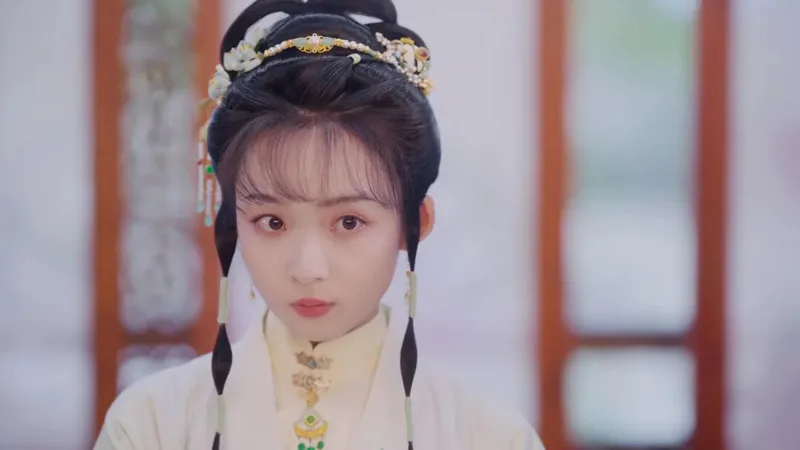
Could she have adopted a clan boy through clan adoption to inherit the title? In theory, yes. In practice, no. Yuan Shaohui died suddenly. Where would she find a boy loyal to her, not open to clan manipulation? Even a biological son could be turned by whispers. A chosen heir could die “accidentally,” forcing another adoption. Or he could grow distant, and under the rule that a widow obeys her son, she would surrender her voice. She chose a clean break: wealth, safety, and daughters together. Was it perfect? No. Was it criminal? Hardly. In her place, many would do the same.