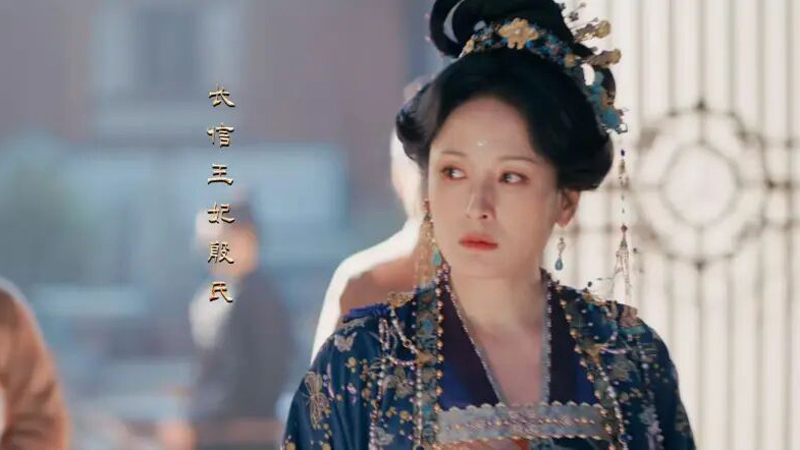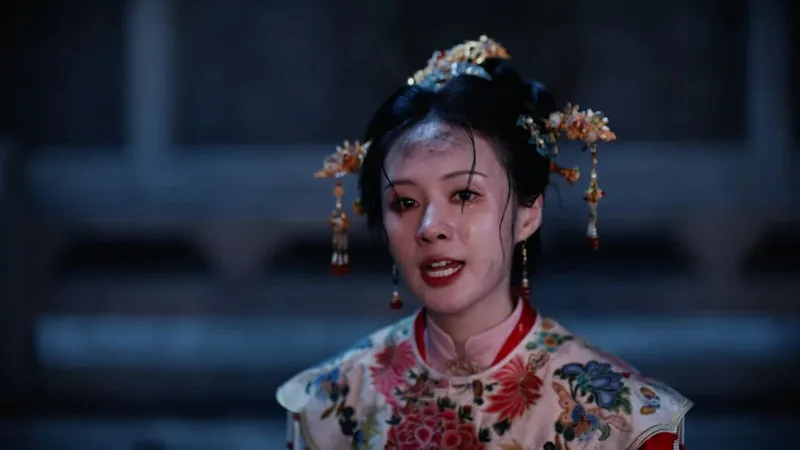
In the finale of Against the Current (兰香如故), Du Cuique (杜翠雀) dies outside the Lin estate. Before the flames reach her, she has already lost three times to Lanxiang (兰香). The first scheme, built around larkspur and aimed at Lin Jinqi (林锦岐), falls apart. The second, a poison plot inside the Lin household, is exposed. The third, a bid to seize Jinling (金陵) during chaos, is crushed by Lanxiang and Lin Jinqi together. Talent and cunning should have kept Du alive. So why does she keep losing? The answer is not a hero’s luck. It lives in First Madam.
Emotion’s Cost
Du’s three defeats look like battles of strategy, yet each one is decided by something smaller and sharper: her temper. She can read people, build traps, and hide motives. She cannot pause before anger speaks. When Lanxiang uncovers a secret or turns a crowd, Du answers with heat. That heat burns the plan. The Lin estate poison, the larkspur trick, the Jinling gambit—all three fail at the same point. Du mistakes intensity for control. She thinks she is pushing others; in truth, her own feelings are pushing her.
The pirate phase makes this plain. Du hides while Lanxiang and Lin Jinqi stand in the open. She kills Marquis Yuan and wraps her real goal—burning grain—inside a revenge story. It is a strong move. Then Lanxiang names her past in public. Du’s face changes. Rage takes the wheel. A person in reason checks angles; a person in rage checks only the wound. Lanxiang understands this. She knows which old shame will make Du forget the mission. The insult lands, and Du stops thinking like a leader. She starts thinking like a wounded ego.
Lanxiang’s bait works because it speaks Du’s language. “Hit the face when you hit; expose the sore when you scold,” the story suggests. Du does not disappoint. One thought remains: kill Lanxiang with her own hands. That thought is the trap. Du walks in, certain she is still in charge, while the real target slips away. She loses not because she lacks ability. She loses because she lets fury choose her moves. The final fire outside the Lin gate is cruel, but it is not random. It is the last bill for a life ruled by feeling.
The three losses follow one pattern. The larkspur plan tests Lin Jinqi, but Lanxiang spots the design. The poison plot targets the Lin household, but Lanxiang reads the signs. The Jinling grab uses chaos as cover, but Lanxiang and Lin Jinqi close the net. Each time, Du has a clever opening. Each time, she cannot adjust when the first move fails. First Madam survives a far worse start because she adjusts every day. She separates what she feels from what must be done. Du never learns that skill. Her intelligence becomes a sword with no handle, and every swing cuts her own hand.
The Matriarch’s Answer
First Madam shows another way. She enters the Lin family and finds little comfort. Her husband avoids responsibility, favors concubines, and destroys her chance at motherhood. The couple spends most of their lives apart. For a woman of that time, losing a husband’s favor often means losing standing. First Madam does not. She earns respect through order, judgment, and patience. Even the Old Master trusts her. Her authority does not come from love or birth. It comes from what she builds while others are busy feeding their pride.
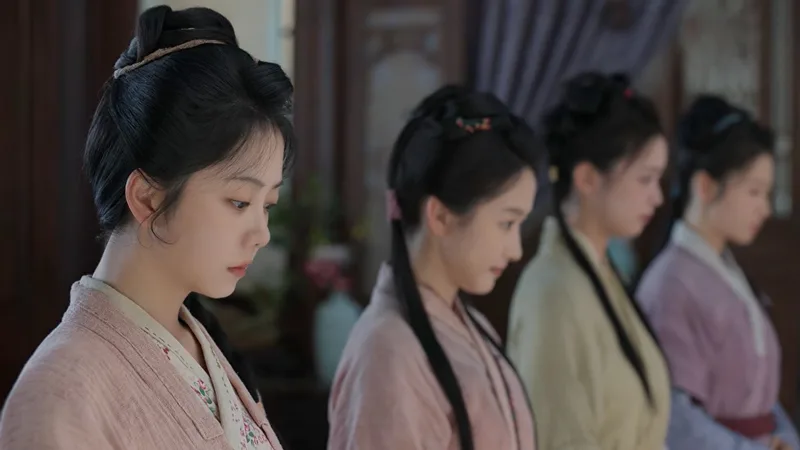
She runs the household and raises the grandchildren. Under her, the younger generation learns a simple rule: one person’s honor or shame belongs to the whole family. They think about the group before they act. That lesson is not a speech. It is her daily example. The mother of the Eldest Miss caused her to lose a child. She could have hated the girl. Instead, she teaches her how to keep accounts. The Third Miss is born to a concubine. First Madam could ignore her. Instead, she sends the Fourth Miss to keep her company. She refuses to let pain write her choices.

Du is the mirror opposite. Her fall is not about being born low. It is about being ruled by emotion. First Madam begins with a broken marriage and still widens her road. Du begins with talent, beauty, and nerve, then narrows her own path until only fire remains. People can feel anger, jealousy, and hurt. The danger starts when those feelings give orders. So why does Du lose to Lanxiang again and again? Because Lanxiang plays the board, while Du plays her wounds. One keeps her head. The other keeps her rage. That is the whole answer.
The contrast is plain. First Madam cannot choose her husband, her era, or the cruelty around her. She can choose whether bitterness becomes her guide. Du can choose the same, but she chooses pride. She wants revenge, respect, and proof that she is superior. Those wants are not evil by themselves. They become fatal when they harden into commands. Lanxiang wins because she waits, reads, and strikes at the right moment. Du loses because she charges when her ego is scratched. In the end, the question is not why Du fails three times. The real question is why anyone would let emotion hold the pen while writing their fate.