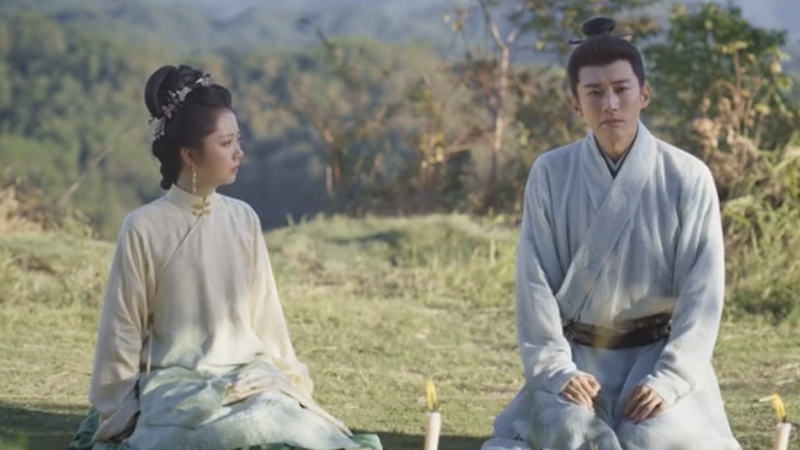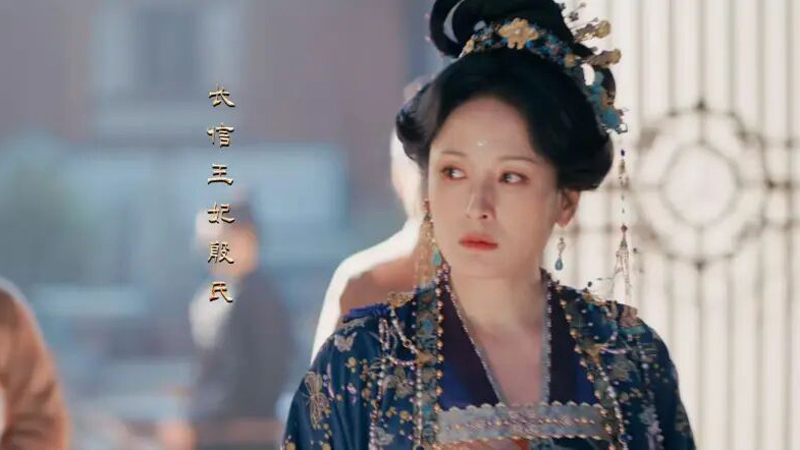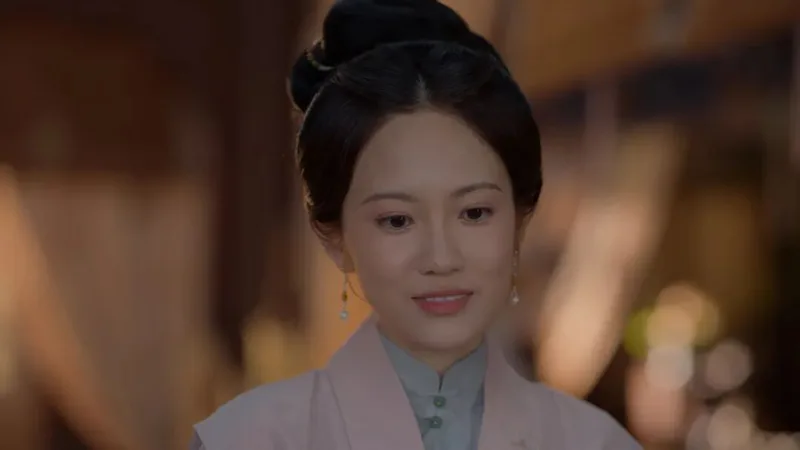
At the end of Against the Current (兰香如故), four servant girls stand near Lanxiang (兰香): Xiaolian (小莲), Yuchan (玉蝉), Gantang (甘棠), and Baogai (宝盖). Each has a different bond with her mistress. Xiaolian feels closest. Yuchan works best. Gantang reads people with quiet wisdom.
Yet the one who remains beside Lanxiang the longest is Baogai. Why? The easy answer is that Baogai never found a good marriage like the others. That answer misses the point. Baogai stays because she needs Lanxiang more than any of them do. Inside Lin Estate, loyalty is not only a virtue; it is also a bargain, a shelter, and sometimes a last road out. The finale turns this quiet truth into its sharpest question. The answer is not about rank or talent.
Close but Limited
Xiaolian grew up with a warm family. Her father died early, but her mother, grandmother, and brother treated her as a treasure. That love made her loud, kind, and sunny. She laughs easily, speaks without calculation, and assumes the world can be gentle. When Nanke (南客) asked to marry her, she rose from servant to official’s wife. For her, closeness with Lanxiang is a bright extra, not the root of happiness. Her family is the root. She can love Lanxiang and still walk away without feeling hollow. Her life has another center, and that center is not in the Lin Estate. This is not betrayal. It is simply a different map of need. She gives loyalty freely because she is not starving for it.
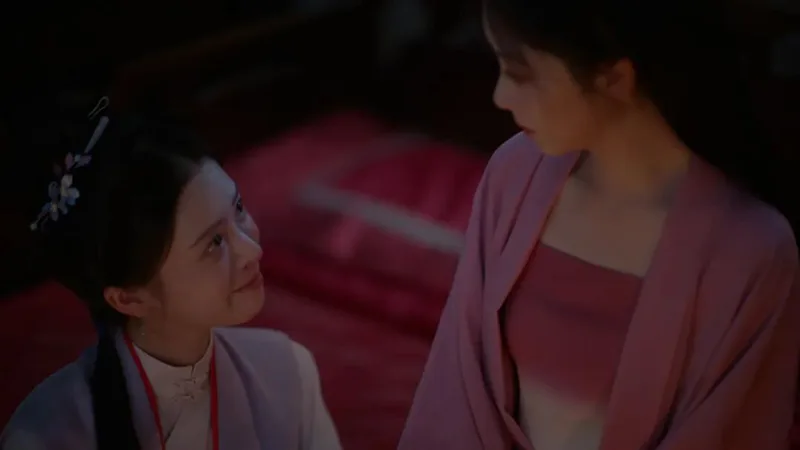
Yuchan is the most capable. She grew up inside the Lin household. The First Master valued her. Jiugao (九皋) liked her. Granny Wu (吴) treated her like a daughter. In many ways, those ties matter more to her than Lanxiang does. Yuchan serves Lanxiang because Lanxiang is Lin Jinqi’s (林锦岐) wife. If Lin Jinqi married another woman, Yuchan would serve that woman instead. Her loyalty attaches to a position, not a person. The Lin Estate gave her warmth, protection, and a place to belong. Lanxiang is important, but she is not Yuchan’s whole sky. When the household changes, Yuchan can change with it. Her skill travels with her; her identity does not depend on one mistress. That does not make her cold; it makes her rooted elsewhere.
Gantang was born into the Lin household and entered service at the same time as Lanxiang. Her own family was cruel. Her parents would have married her off to any man who could pay her brother’s bride price. Still, Gantang held traditional views. She believed marriage was a road a woman should walk. She also wanted to make her own choice. When danger came, she quickly studied her options and asked to marry Xiaolian’s brother. It was not a romantic dream; it was a practical escape and a claim on her own future. Her wisdom is not only in books; it is in timing. Xiaolian, Yuchan, and Gantang each have goals that Lanxiang cannot fully satisfy. Some goals even require distance from her. They care for Lanxiang, but they do not depend on her for survival, meaning, or identity.
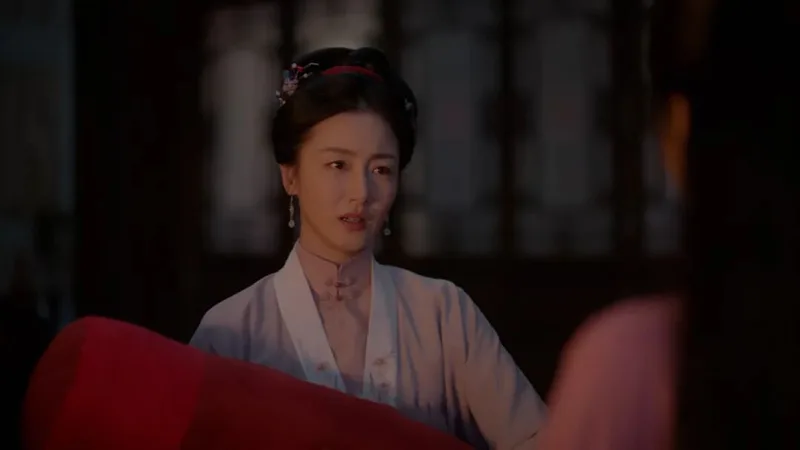
Need Makes Loyalty
Baogai’s story is different. Her father died young. Her mother remarried and had several more children. Baogai was the extra one, the child nobody chose. She received little warmth, so she learned to keep her heart small. She said she had only herself. That alone might not have kept her unmarried forever. What truly sets her apart is her rebellious streak. She did not believe children owed parents endless debt. She did not believe a servant owed a master blind devotion. She judged each action by one question: does it help me? Such a person could have become hard, selfish, and alone. Instead, she found one person who made selfishness unnecessary. Her defiance was quiet, but it shaped every choice.
Then she met Lanxiang. From her mistress, she felt genuine human kindness. She learned to read and write. Lanxiang’s influence widened her mind. To Baogai, Lanxiang became a benefactor, a teacher, and a safe harbor. Baogai had no other reliable person. She did not hunger for a husband’s home or a family of her own. Marriage might repeat her mother’s fate, tying her to a man who saw her as extra. Staying unmarried and serving Lanxiang became the best path she could imagine. It gave her stability without swallowing her freedom. It gave her affection without demanding that she become someone else. In a harsh world, that combination was rare, and Baogai knew it. For the first time, dependence did not feel like a cage.
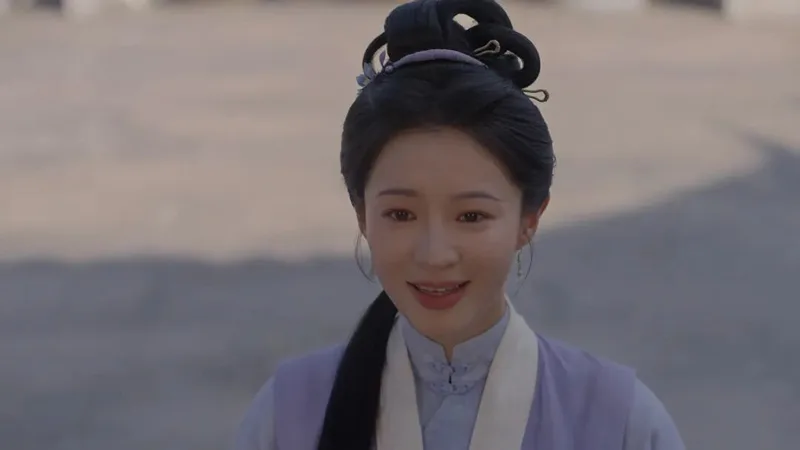
In many stories, the powerful decide how long the weak stay. In truth, the weak also decide. They stay as long as the powerful can give them what they want. Xiaolian, Yuchan, and Gantang want things Lanxiang cannot exclusively provide. They have people and duties that matter more. Baogai wants warmth, security as Lanxiang’s favored maid, and a guide who keeps her from bitterness. Only Lanxiang can give those things. In Baogai’s world, no one outranks Lanxiang. So she stays, not because she is the softest or the strongest, but because she is the one whose deepest need has found a home. What do you think? Was Baogai loyal, dependent, wise, or simply human? The final image is not a servant trailing behind a mistress; it is a woman choosing the life that fits her.