
Chinese dining in 2026 is in the middle of a quiet but consequential shift. The era of the "super-regional cuisine" — Sichuan and Hunan as national defaults, Cantonese dim sum as the universal Chinese restaurant touchstone — is giving way to a more granular approach. Regional dishes are being refined into smaller, more focused offerings, and operators are increasingly leaning into specific sub-regional identities rather than presenting a single province's food as one undifferentiated whole.

From Provincial to Sub-Regional
The clearest expression of this trend is the move from "Sichuan" to specific Sichuan sub-cuisines. Rather than the broad "Sichuan spicy" category, 2026 menus increasingly distinguish between Chengdu-style (heavier oil, mala, signature items like mapo tofu and chengdu-style hotpot), Zigong-style (saltier, more concentrated flavors, specializing in small cured-meat dishes), and Yibin-style (the original home of burning noodles, with a vinegar-led flavor profile). The same disaggregation is happening in Guangdong (separating Chaoshan from Cantonese from Hakka), in Hunan (separating Xiangtan from Changsha from Hengyang), and in Shaanxi (separating Xi'an from Hanzhong from northern Shaanbei).
The shift is partly driven by social media. Short-video platforms have created dedicated followings for sub-regional cuisines that previously had no national visibility. A small restaurant in Zigong that only ships its cured rabbit meat to three provinces can, with the right video, generate nationwide demand within a week.
Smaller, More Focused Menus
The second defining trend is the contraction of menu size. Where 2010s Chinese restaurants typically offered 80-150 dishes designed to cover broad customer preferences, 2026 establishments are increasingly operating with 20-40 dish menus, each refined. The logic is restaurant-economics: a smaller menu allows tighter ingredient sourcing, more consistent execution, and clearer brand identity.
Several high-profile Beijing and Shanghai restaurants have led this shift, with menus that openly state "we only cook 28 dishes, all from a single sub-region" as a brand promise. The approach has been particularly effective for newer, chef-led restaurants, and it has spread into mid-market chains. Even large chain operators are reorganizing their menus to feature "region of the month" rotations.
The Rise of Single-Ingredient Restaurants
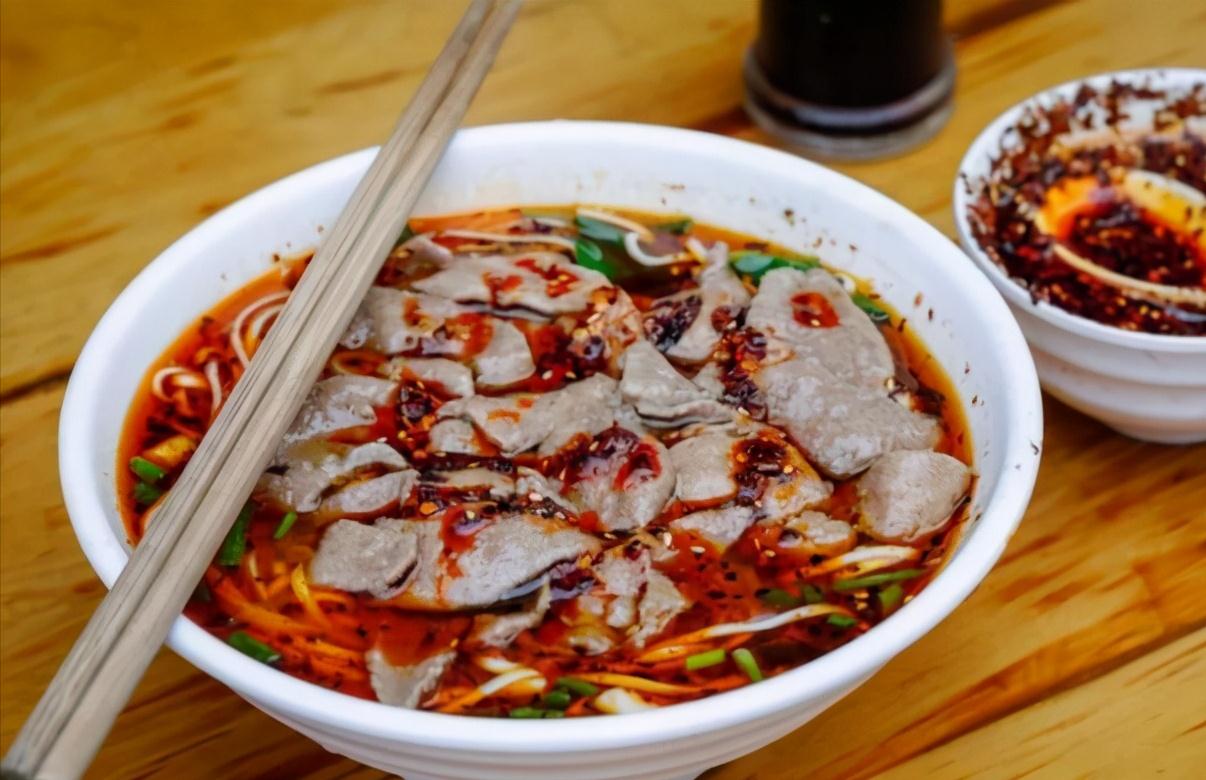
A more visible expression of the refinement trend is the proliferation of single-ingredient restaurants. In Beijing, Shanghai, and Chengdu, the past 18 months have seen dedicated restaurants open around a single core ingredient: a beef-noodle shop that uses only one breed of cattle from a specific county, a fish restaurant that sources from a single lake, a chicken restaurant that specializes in one heritage breed. The format has been especially strong in the Yangtze River Delta region, where consumers have responded well to the "I know exactly what I'm eating" pitch.
Street Food Goes Premium
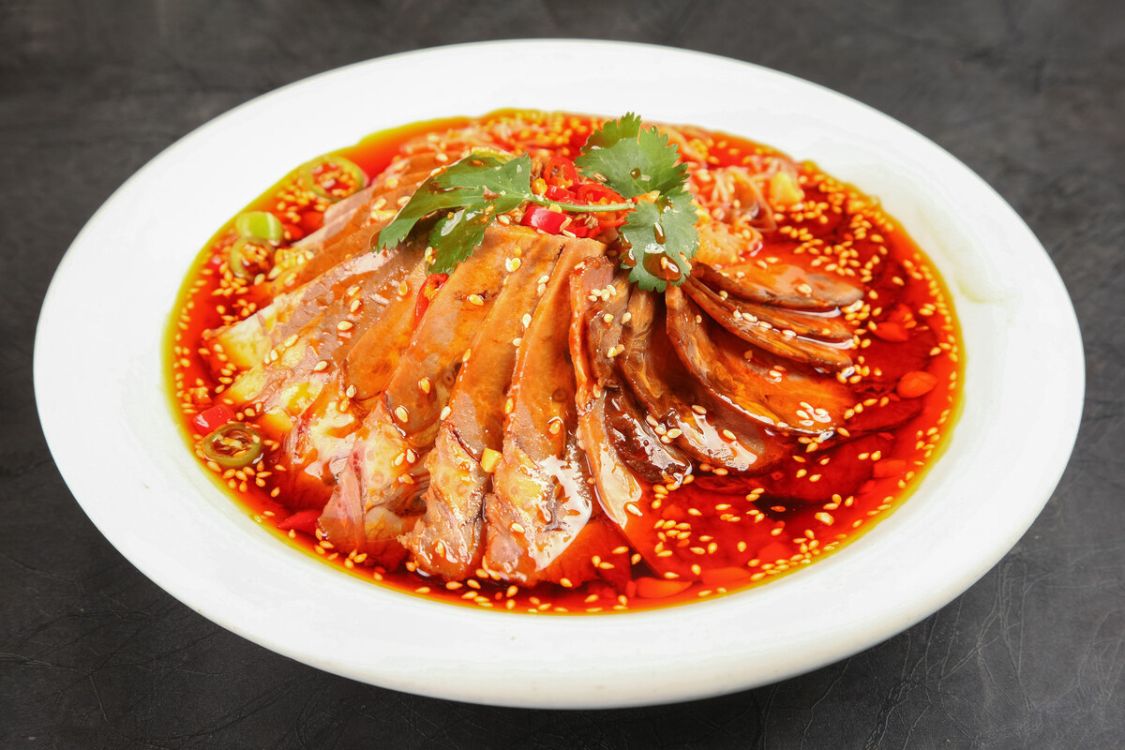
A related development is the "premium street food" trend, where humble dishes historically sold for a few yuan at outdoor stalls are being re-presented in more refined settings at higher price points. Chongqing small noodles (重庆小面), Shanghai pan-fried buns (生煎), and Wuhan hot dry noodles (热干面) have all appeared in 2026 restaurant openings that charge two to four times the street price but offer better ingredients, more comfortable seating, and clearer provenance.
This trend has its critics. Some observers argue that the "premium street food" format is a contradiction in terms, while others have welcomed the increased compensation that comes to traditional food producers. The format has been a particular success with tourists, who often want the "real" version of a famous dish in a setting that feels more comfortable than a street stall.
For cultural observers, the 2026 trends are notable because they push back against the homogenization of Chinese cuisine that defined the 2010s. The sub-regional disaggregation, the smaller menus, and the single-ingredient focus all reward producers who can articulate a specific, locally rooted food identity. The pattern also has potential spillover into the cultural sphere: hanfu communities have already begun to align regional hanfu styling with regional cuisine, treating local food as part of a broader "everyday regional heritage" framework.
For travelers, the practical takeaway is that 2026 is an unusually good time to eat regionally specific food. Cities that were once culinary also-rans are now developing distinct, defensible food scenes, and even secondary destinations have often developed a "must try" dish that has clear local provenance. The Dragon Boat Festival travel period in particular has emerged as a culinary-tourism peak, with travelers building itineraries around specific regional specialties rather than general "try local food" recommendations.
