The Dragon Boat Festival (端午节, Duanwu Festival) falls on June 19, 2026. It is one of China’s three major traditional holidays, alongside Spring Festival and Mid-Autumn Festival. For newhanfu.com readers, it is also one of the best occasions in the year to wear Hanfu in a contextually appropriate way — and to understand the cultural layers behind the food, the races, and the customs.
Where the Festival Comes From
The most widely accepted origin story centers on Qu Yuan (340–278 BCE), a patriotic poet and minister of the State of Chu during the Warring States period. After his homeland fell to invading Qin forces, Qu Yuan drowned himself in the Miluo River in present-day Hunan Province. Local villagers raced their boats onto the river to try to save him, banging drums and splashing paddles to scare fish away from his body. They also threw rice dumplings into the water as an offering, that the fish would eat the rice instead of Qu Yuan’s remains.
Over the more than 2,000 years since, these rescue attempts evolved into the two signature traditions of the festival: dragon boat racing and eating zongzi (sticky rice dumplings wrapped in bamboo or reed leaves).
The Food: Zongzi in All Its Regional Variety
Zongzi are the single most recognizable element of the festival. They are made of glutinous rice wrapped in bamboo, reed, or lotus leaves, then tied with string and boiled or steamed. The fillings vary dramatically by region:
- Sweet zongzi (northern China preference): Red bean paste, Chinese dates (jujube), chestnuts, or plain white rice sweetened with sugar. Common in Beijing, Shaanxi, and northeastern provinces.
- Savory zongzi (southern China preference): Pork belly with salted egg yolk, shiitake mushrooms, mung beans, or cured pork. Common in Guangdong, Fujian, and Zhejiang provinces.
- Modern innovations (2020s–2026): Matcha, chocolate, fruit, and even ice cream zongzi have appeared in urban centers. These are marketed toward younger consumers and are widely debated online.
In 2026, zongzi has also become a premium gift item. Department stores and e-commerce platforms begin selling elaborate zongzi gift boxes in early June, with prices ranging from 50 yuan for a basic box to more than 500 yuan for luxury versions featuring organic ingredients and handmade wrapping.
Dragon Boat Racing: From Local Ritual to Global Sport
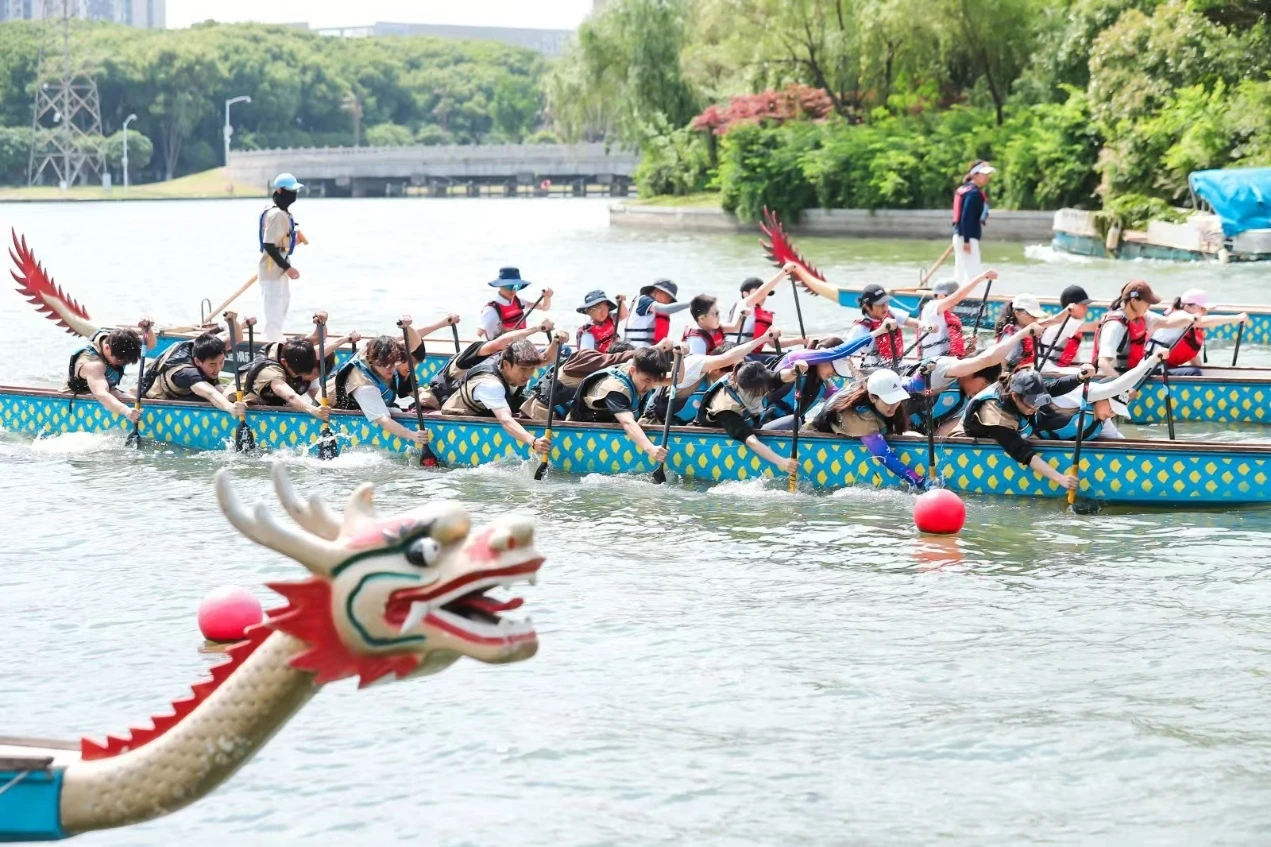
The signature sporting event of the festival has transformed from a local ritual into an international competitive sport. In 2026, major races are scheduled across China and in more than 50 countries worldwide.
- Hong Kong: The Stanley International Dragon Boat Championships draw teams from across Asia and beyond. The race is as much a spectator event as a competition, with beahside food stalls and live commentary.
- Hangzhou: West Lake (Xi Hu) hosts traditional-style races in a scenically iconic setting. The backdrop of Leifeng Pagoda and the lake’s misty atmosphere make this one of the most photographed dragon boat events.
- Foshan (Guangdong): Part of the Guangdong Province competitive dragon boat circuit, known for the most intense and technically demanding races. Local villages form teams that practice year-round.
- International: Dragon boat racing is now competed in North America, Europe, Australia, and Southeast Asia. Cities with significant Chinese diaspora populations — Vancouver, San Francisco, Singapore, and Sydney among them — hold annual races that double as cultural festivals.
Other Customs Worth Knowing
Beyond racing and eating, the festival carries a set of protective and auspicious customs that many families still observe:
- Hanging mugwort and calamus (艾草 and 菖蒲): These two plants are hung on doors and windows. In traditional Chinese belief, their strong scent repels disease-carrying insects and evil spirits. Mugwort is also used to make ai jiu (mugwort wine) in some regions.
- Wearing perfume pouches (香囊): Small fabric sachets filled with aromatic herbs, worn on the chest or tied to a child’s clothing. They are given as gifts between friends and romantic partners, and are believed to ward off evil and bring good health.
- Drinking realgar wine (雄黄酒): An ancient custom in which small amounts of realgar-infused wine were consumed or daubed on children’s foreheads in the shape of the character 王 (king). Today this practice has largely stopped due to health concerns about arsenic in realgar.
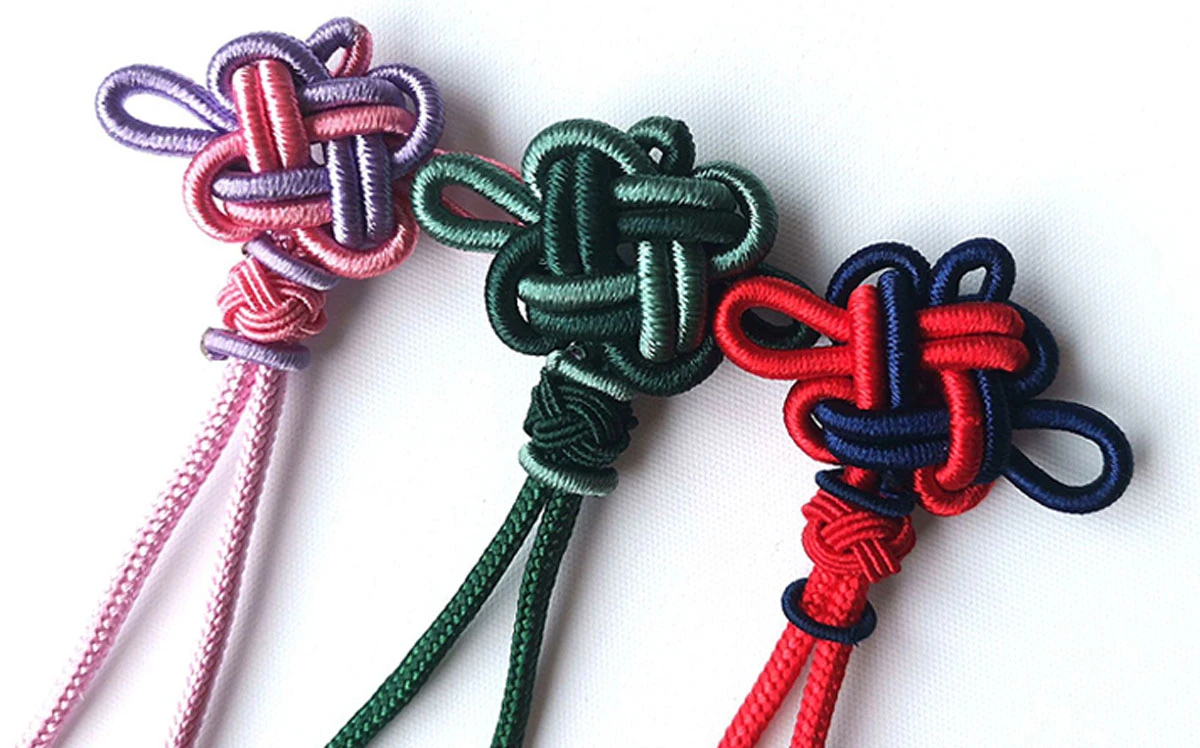
- Five-color silk threads (五彩绳): Worn on wrists and ankles, especially for children. The five colors correspond to the five elements in Chinese cosmology and are believed to provide protection through the summer months.
Wearing Hanfu for the Festival
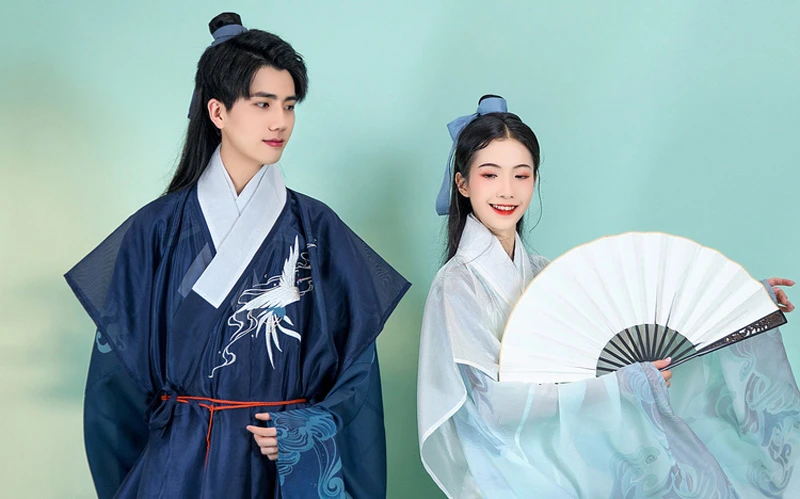
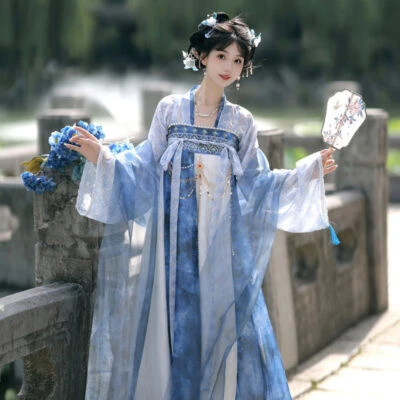
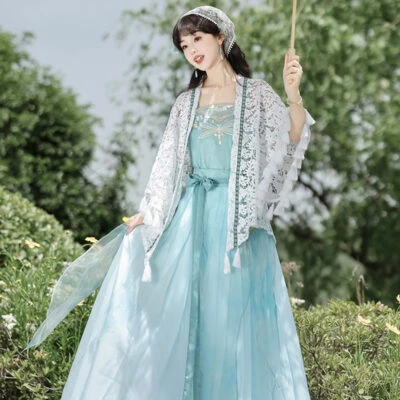
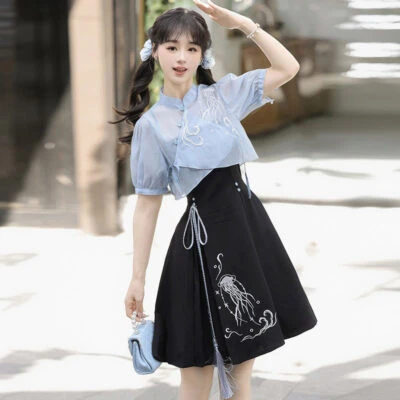
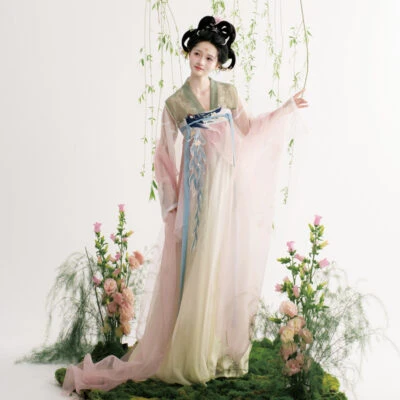
Duanwu is one of the most natural occasions to wear Hanfu. The festival’s association with the Warring States period and Qu Yuan makes Song Dynasty and Ming Dynasty styling the most historically resonant choices, though there is no single “correct” dynasty to wear.
Practical tips for a Duanwu Hanfu outfit:
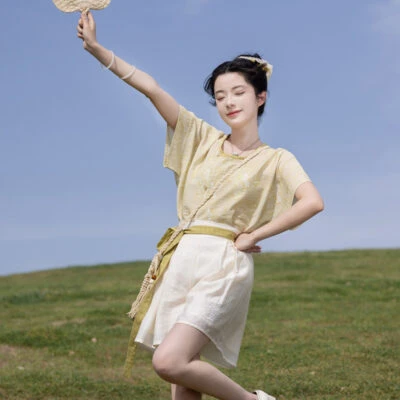
- Fabric choice: June in most of China is hot and humid. Choose ramie (苎麻), thin cotton-linen blends, or silk gauze. Avoid heavy brocade or layered outfits.
- Color palette: The fifth lunar month is associated with warding off poison and disease. Green, blue-green, and white are traditional choices. Avoid heavy reds and golds, which are more associated with Spring Festival.
- Accessories: A small perfume pouch (香囊) is the single most thematically appropriate Hanfu accessory for the day. Jade pendants and simple hairpins complete the look without overheating the wearer.
- Footwear: For riverside or lakeside viewing of dragon boat races, clean white sneakers or cloth shoes are more practical than formal boots. Many Hanfu enthusiasts bring a change of shoes for the outdoor portion of the day.
The Three-Day Holiday (June 19–21, 2026)
The festival grants a three-day public holiday in mainland China. In 2026, the holiday runs June 19 (Friday) through June 21 (Sunday). Domestic travel spikes during these three days, with ancient water towns (Wuzhen, Zhouzhuang, Tongli) and canal cities (Suzhou, Hangzhou) seeing the highest visitor numbers of the early summer season.
For Hanfu enthusiasts, the combination of warm weather, outdoor races, and the cultural resonance of the festival makes Duanwu one of the most actively celebrated occasions of the Hanfu calendar. It is common to see groups of Hanfu-wearing families and friend groups at lakesides and riverbanks across China on the morning of June 19.