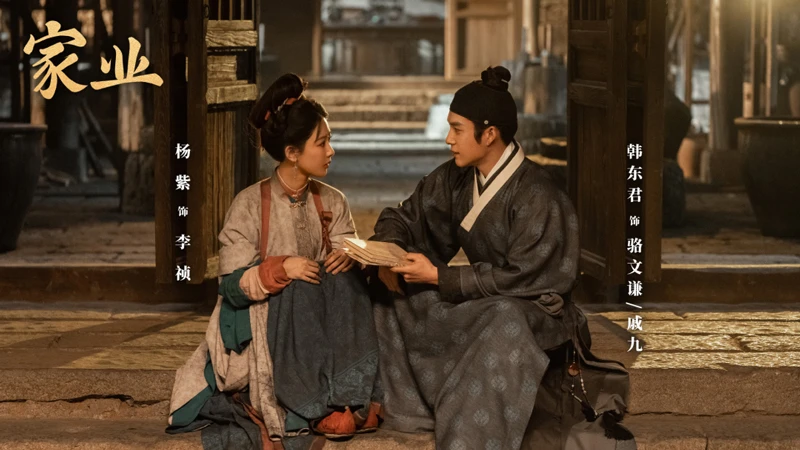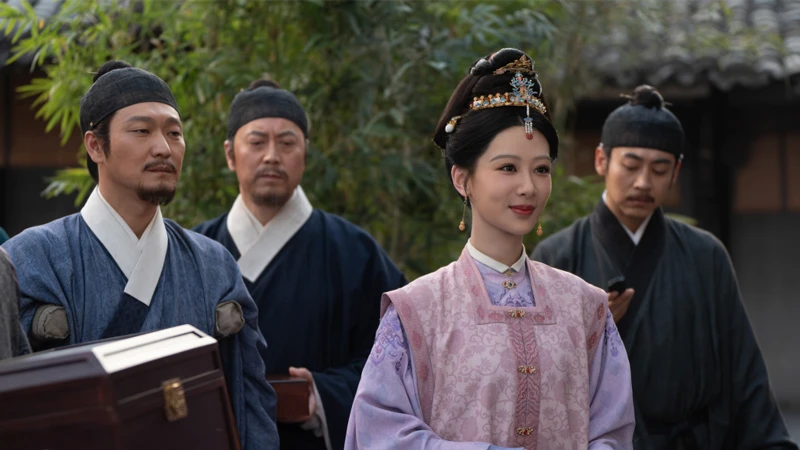
The final episode of The Mo (家业) leaves viewers with a quiet shock. Li Zhen (李祯) does not marry Luo Wenqian (骆文谦). Instead, she watches him from afar as the screen fades. At first, this feels like a loss. But then it settles into something else – a bold, truthful ending. Set in Huizhou (徽州) during the Ming Dynasty (明朝), the drama follows a young woman who fights to restore her family’s ink-making honor.
While most stories would hand her a wedding ring and a happy home, The Mo chooses a different path. It asks: what if a woman’s best ending has nothing to do with marriage? What if her real legacy is her craft, her name, and the ink she leaves behind? This article breaks down why Li Zhen’s unmarried fate is not a tragedy but a triumph.
The Ink War Ends
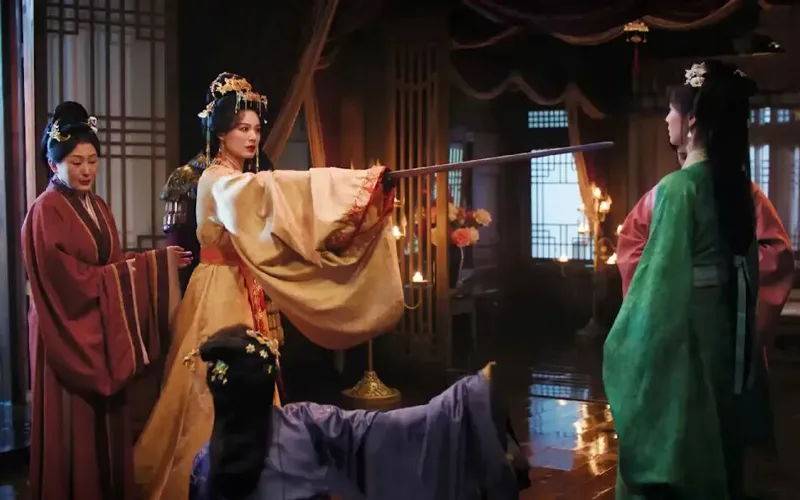
Tian Benchang (田本昌) and his son Tian Bensheng (田本盛) finally face justice. After Li Zhen designs a careful trap, officials catch the Tian family red-handed in illegal overseas trade. Father and son try to blame each other in a messy court fight. Both end up beheaded in Nanjing (南京). The wife and younger son receive ten years of exile. Only Tian Ronghua escapes unharmed. With the Tian family gone, the right to make Tribute Ink falls to the Li family temporarily. Three years later, a real competition begins. The Li family plans to remake their ancestors’ Four Harmony Ink. But a Japanese family named Kuroda enters the contest. Kuroda promises the emperor that if he wins, he will open a port for Japanese trade. For the Li family, losing is not an option – for their honor and for their country.
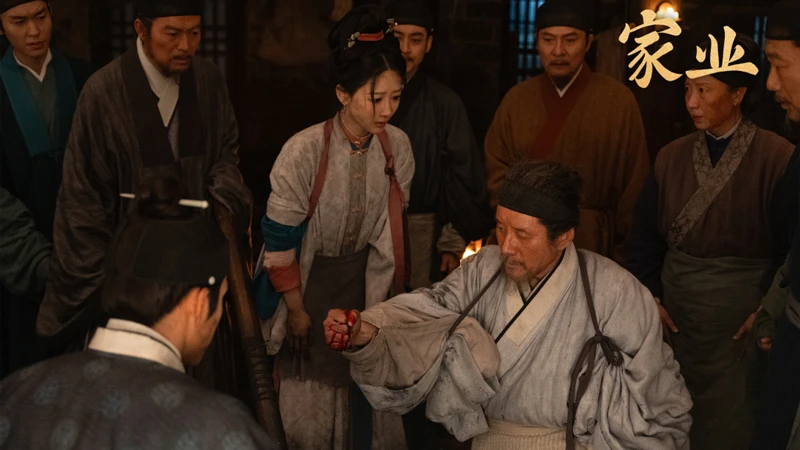
To win, they decide to create Six Harmony Ink. It is a near-impossible recipe. The entire ink-making community of Huizhou comes to help. Master Ba, an elderly craftsman, makes the ultimate sacrifice. He uses his own blood as the final ingredient. The ink succeeds. Li Zhen wins the competition. But Master Ba dies from the effort. His death is peaceful – he smiles as he passes. With all storms settled, the heavy burden on Li Zhen’s shoulders finally lifts. She has saved her family’s name. Now, for the first time, she can think about her own heart.
Li Zhen once believed she and Luo Wenqian had no future together. Years earlier, Tian Benchang revealed a dark truth: Luo Wenqian’s father was the real murderer in the Li family’s tribute ink case from thirteen years ago. Suddenly, a river of blood ran between them. On top of that, Luo Wenqian’s true identity as a spy got exposed. He was exiled to the southwest for twenty years. They said goodbye forever. But fate shifts. A new emperor takes the throne and declares a general amnesty. Luo Wenqian returns after only three years. When the Li family made the Six Harmony Ink, Li Zhen’s own grandfather had already urged Luo Wenqian to be more proactive. Now, with the ink victory in hand, Li Zhen rethinks everything.
Her Own Path
Li Zhen starts discussing marriage with Luo Wenqian. It seems like the happy ending everyone expects. But then the southeast coast explodes with Japanese pirate raids. General Yu calls Luo Wenqian back to the army. He leaves again. Later, the show gives us one final image: Luo Wenqian appears in the distance. Li Zhen sees him. They look at each other. That is it. No embrace. No dialogue. No wedding. Most dramas would fill this scene with tears and vows. The Mo refuses. It feels more like an open door than a closed book. Did they really reunite? The show does not say. And that uncertainty is exactly the point.
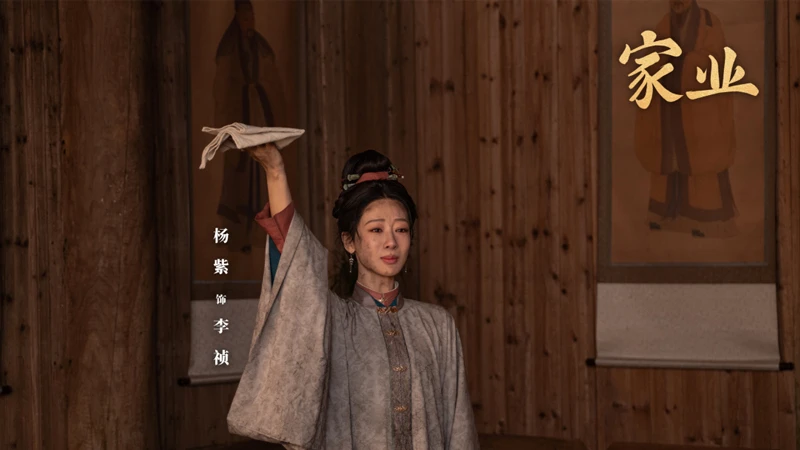
At first, this lack of marriage feels disappointing. But think again. The Mo is not a romance. It is a story of growth through Hui Ink culture. Li Zhen’s personal journey is the main thread. Love is just embroidery on the cloth. Many so-called “strong female” dramas claim to focus on women’s growth, but their real core is love triangles and tearful partings. The Mo gets the balance right. It gives Li Zhen a love line, but keeps it light. Her real ending is this: she leads the Li family to win the title of “Best Ink Under Heaven.” Then she steps back from business. She writes books. She teaches the next generation. That ending – a woman as a master craftsman, a thinker, a teacher – is far more moving than any wedding scene.
Why? Because the first ending sees Li Zhen as a whole person. A skilled human being. The second ending – marriage, children, a peaceful home – sees her only as a woman in the traditional sense. It gives her what society often thinks a woman should want. The Mo rejects that box. Li Zhen does not need a husband to complete her story. She has already completed herself. Her ink will outlast any marriage certificate. Her students will carry her knowledge forward. And that is why she never marries Luo Wenqian in the show. It is not because the writers were cruel. It is because they respected her too much to trap her in a conventional happy ending. What do you think? Was the open ending the right choice for Li Zhen?