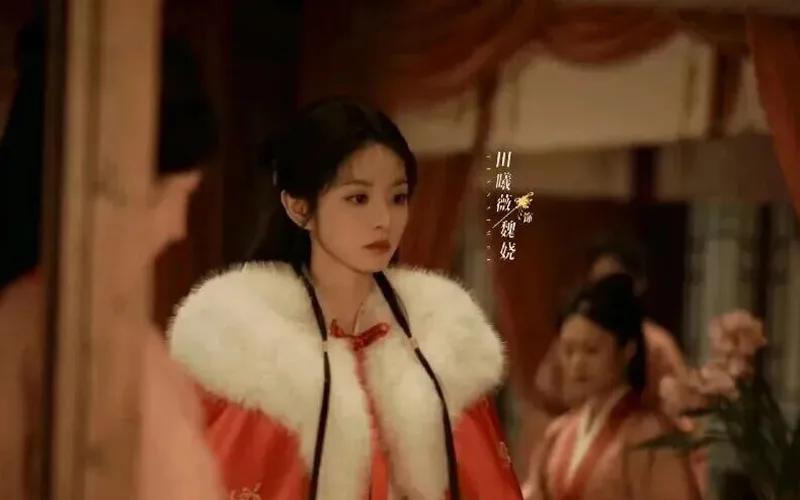
Episode 12 of Where the Mask Ends (嫁金钗) drops the truth: the elegant bride in the Zhou Mansion, Jun Dai (君黛), is not Wei Rao (魏娆). A Chou (阿丑), once a night-soil worker, is the real fourth daughter of the Wei family. The reveal should shock everyone. Yet Lu Zhuo (陆濯) looks almost unsurprised. Why? His calm is not coldness. It is the quiet result of watching, doubting, and falling for the woman in front of him long before the family secret broke. The episode also asks a sharper question: can a borrowed name hide a person’s true temper forever?
Calm Before Proof
Lu Zhuo’s calm begins with evidence, not magic. Before the truth became public, he already felt a mismatch. A Chou’s temper, choices, and way of speaking did not fit the Wei Rao he had known. She fought too hard, refused too easily, and carried a stubborn fire that polite society could not polish away. After the birthday banquet of the British Duke’s wife and the uproar caused by Han Liao and the Rong prince, he had seen enough. He did not know her real name, so he kept his hands tied. Still, his heart had already moved toward the woman who called him a “bad woman” even in his sleep.
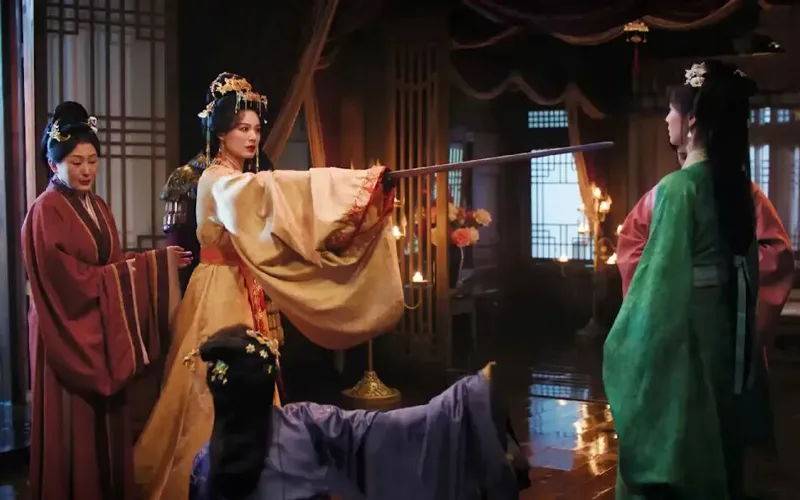
At the family house, Jun Dai’s pleading and Li Zhaoyi’s (丽昭仪) pressure fill the room. They expect him to retreat, or at least hesitate. He does neither. He lifts the imprisoned A Chou and walks out in full view of everyone. His words to Jun Dai are blunt: she broke faith first; she refused the wedding cart then, so she has no claim now. The line cuts off her hope. It also proves his choice was not a sudden rebellion. It was a decision made after months of quiet comparison.
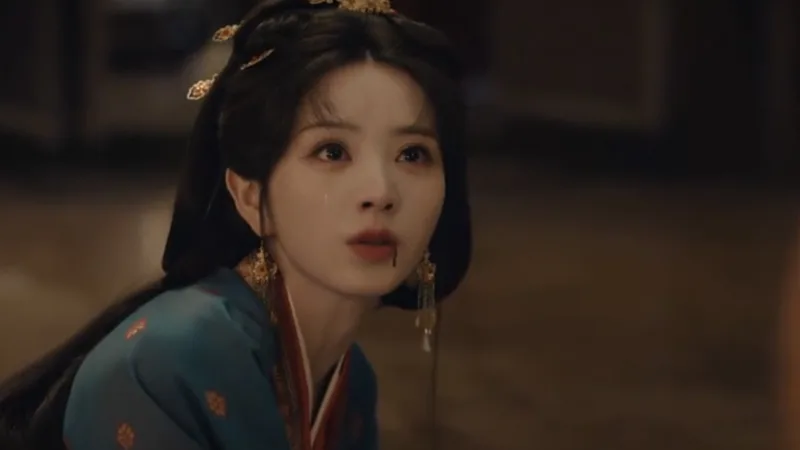
To Lu Zhuo, the wedding was never a costume trick. A Chou rode the cart, bowed at the hall, and stood by him when he was close to death. In his mind, that made her his wife in the sense that mattered. The ceremony may have been arranged by others, but her courage was real. So the label “fake Wei Rao” does not cancel the person he knows. It only explains why she hid. Fans joke that actor Yan An (闫桉) plays a “first-marriage male lead” because Lu Zhuo treats the ceremony as binding. His refusal of Jun Dai is therefore not a plot twist for shock value. It is the moment his private suspicion becomes a public promise.
Three Women, One Temper
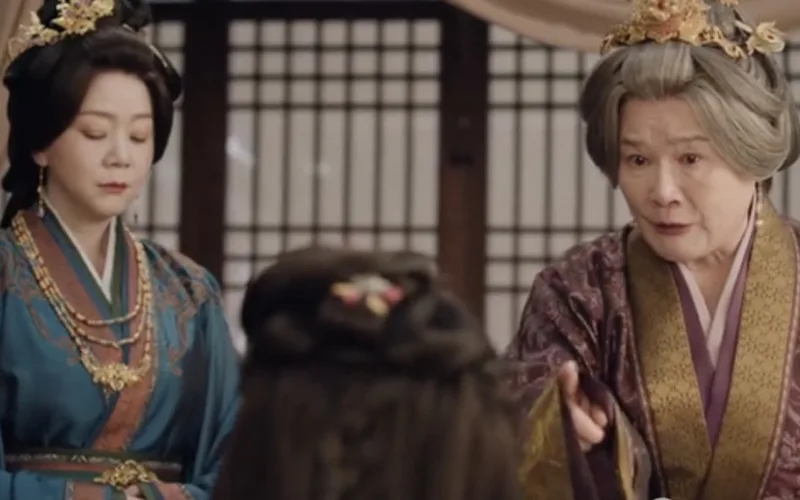
Shou’an Jun (寿安君) is the second person who is not surprised. When she hears A Chou refuse to kneel, beg, or vanish for Jun Dai’s convenience, she remembers Zhou Fu (周芙), her own daughter. Zhou Fu was mocked as a nurse’s child, then widowed, yet she still fought her way into the palace as Li Zhaoyi. The two women share no easy life, but they share a refusal to let birth decide the ending. That recognition makes Shou’an Jun doubt the official story. A night-soil worker with such steel in her voice cannot be a random substitute. Her instinct is not sentimental. It is pattern recognition.
The truth arrives through Chang Fumu (常傅母). Years earlier, Wei Heng’e (魏恒娥) and Guo Yufeng (郭虞凤) swapped the two girls inside the Cheng’an Bo Mansion (承安伯府). Jun Dai took Wei Rao’s name; the real child was handed over to be disposed of. Chang Fumu did not kill the baby. She left a skeleton to satisfy the order and let the child live. Later, afraid of being silenced, she fled. Huo Jue (霍玦) found her. Jun Dai pushed her off a cliff to keep the secret buried. Chang Fumu survived long enough to stare at Jun Dai and cry, “She is fake.” The accusation lands in front of Shou’an Jun and ends the masquerade.
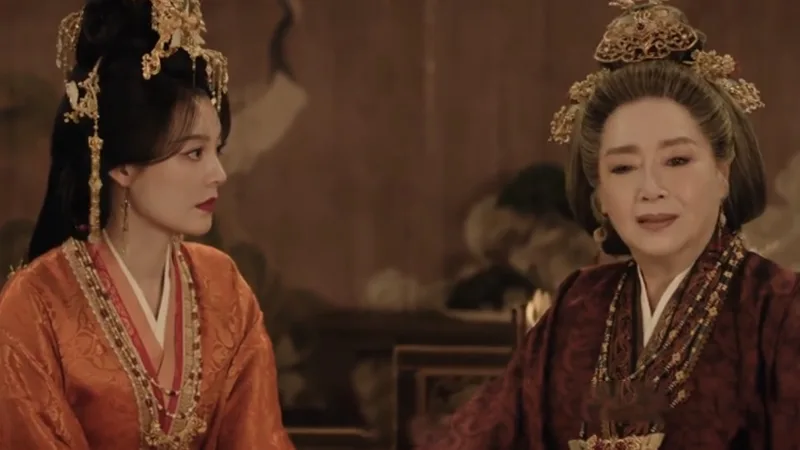
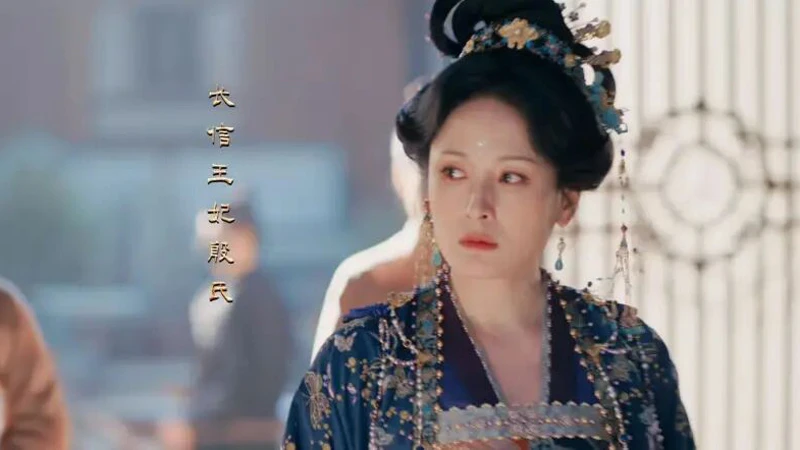
Look at the three generations, and the answer becomes clear. Shou’an Jun climbed out of farm life into a titled role. Zhou Fu moved past widowhood into imperial favor. A Chou reaches Wuan Wengzhu (武安翁主) through grit, not gifts. Their roads differ, but none of them waits for permission to live. Jun Dai is the opposite. She bullies servants, punishes resistance, and treats cruelty as a right. Like her mother, she trusts scheming and taking. A name can be swapped; a title can be borrowed; a wedding cart can be redirected. Temper cannot be faked for long. That is why Lu Zhuo is calm, and why the final reveal feels less like a surprise and more like a locked door finally opening.