
Every day, millions of people queue up for their favorite milk tea—pearls, cheese foam, brown sugar, you name it. But here’s a surprise: your sweet, creamy cup isn’t a modern invention. Long before bubble tea chains took over shopping malls, ancient Chinese were already stirring milk into their tea. They called the frothy bubbles “butterfly eyes.” A Tang dynasty emperor craved it. A princess spread it across the Tibetan plateau. And a Qing ruler drank it from a jade bowl studded with rubies. So the next time you sip your milk tea, remember—you’re sharing a 1,200-year-old obsession.
1. Tang: The First Sips
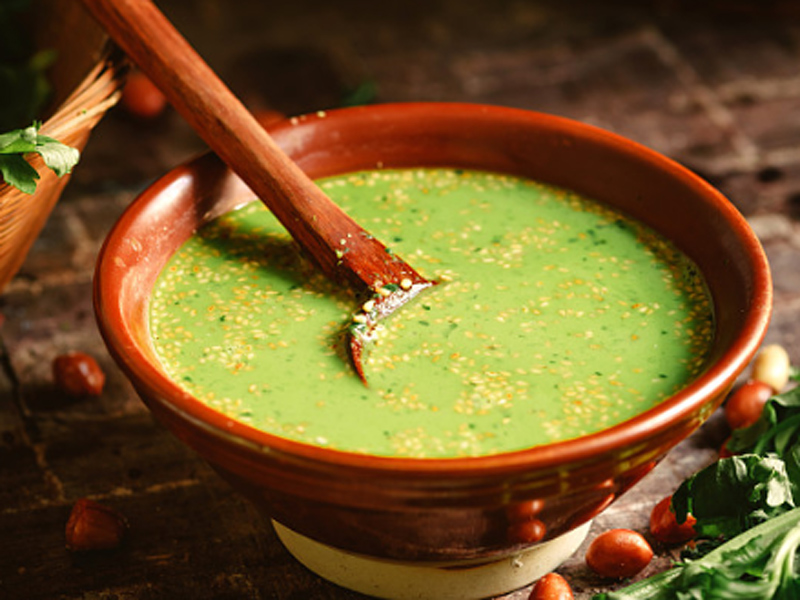
Before the Tang dynasty, people boiled tea with salt, ginger, orange peel, and even scallions. The result was more like a savory soup. Lu Yu (陆羽), the famous “Tea Sage,” hated this practice. In his book The Classic of Tea (茶经), he called such brews “ditch water.” But common folks ignored him. They loved their flavored tea.
Then came the Tang empire, which stretched far and wide. Nomadic tribes from the north and west brought large amounts of milk into the capital Chang’an (长安). Royalty fell in love with dairy. Soon, someone had the bright idea to combine tea and milk. The first milk tea was born.
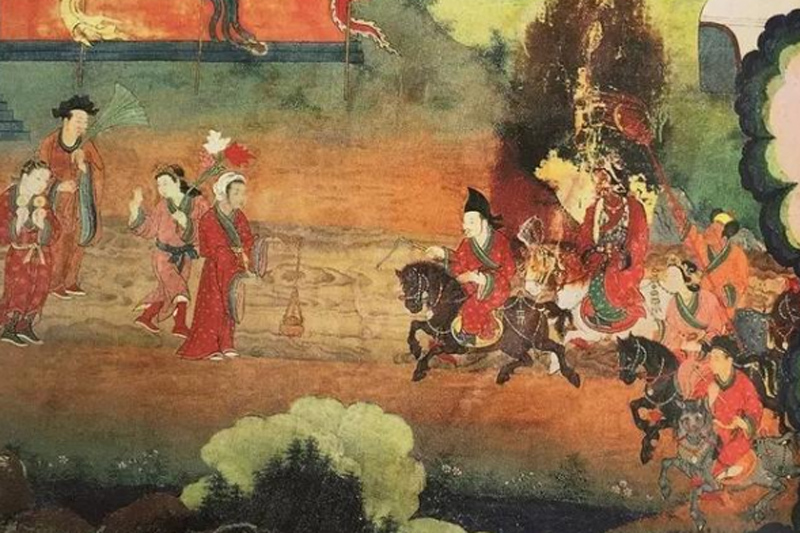
The most delightful evidence comes from Tang Dezong (唐德宗), an emperor who loved his tea with “su” (酥, clarified butter) and pepper. His chancellor Li Mi (李泌) even wrote a poetic ad for him: “Whirling foam turns into a jade-green pool; add butter, and it scatters into glassy eyes.” Those “glassy eyes” were the milk bubbles. Can you see them swirling in your own cup?
2. Song: Art on Foam
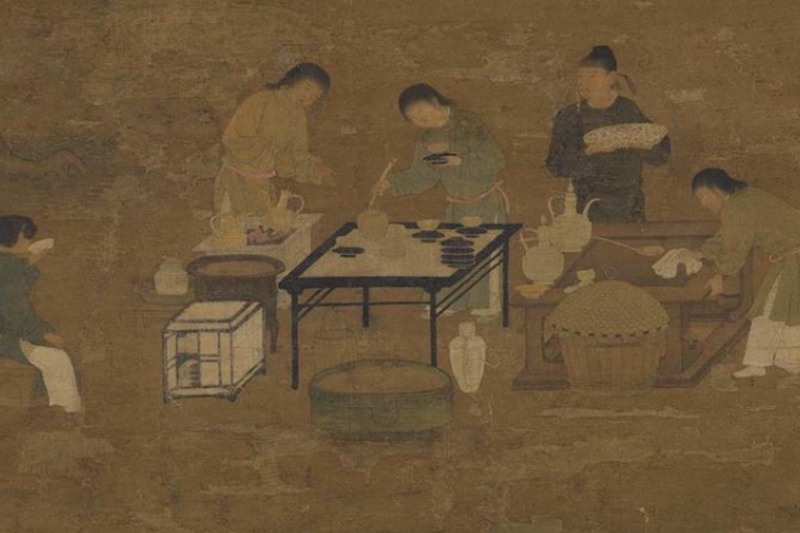
During the Song dynasty, tea became a performance art. People ground compressed tea cakes into powder, poured hot water over it, and whisked vigorously with a bamboo brush. This was called Dian Cha (点茶). The goal? Create a thick, creamy foam on top. Then came Cha Ba Xi (茶百戏)—using plain water to paint pictures or write characters on the foam. Think of it as latte art, but 1,000 years earlier. Song Huizong (宋徽宗), an emperor who loved painting and tea, was a master of this.
But Song people didn’t stop there. They also drank all kinds of Yin Zi (饮子)—herbal, fruit, and spice infusions, similar to today’s fruit teas or Cantese herbal coolers. Dongjing Meng Hua Lu (东京梦华录) lists many: “sugar snow cold Yuan Zi (元子),” “sugar mung bean licorice ice water,” and more. Emperor Renzong (仁宗) was a huge fan of perilla seed Yin Zi. He once held a competition in the imperial academy, and perilla won first place.
Take a closer look at Zhang Zeduan’s (张择端) famous painting Along the River During the Qingming Festival (清明上河图). Near the Rainbow Bridge, you’ll find small stalls selling Yin Zi and fragrant teas. The Song capital was buzzing with tea innovation. Yet, interestingly, most Song elites looked down on adding milk to tea. They considered it rustic. That attitude would soon change.
3. Yuan: More Butter, Please!
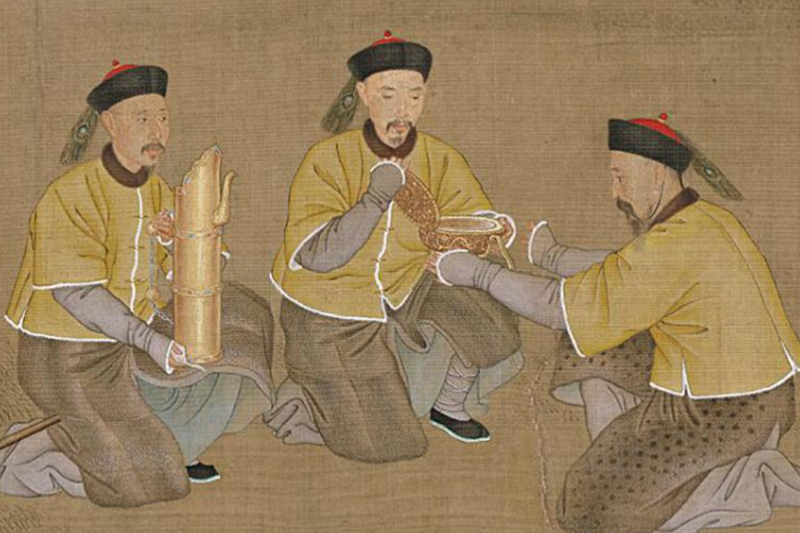
The Yuan dynasty brought nomadic tastes back into fashion. The imperial diet book Yinshan Zhengyao (饮膳正要) records a recipe for Su Qian (酥签): “Take two spoonfuls of ground tea powder, mix with su (clarified butter), and pour boiling water over it. Stir well.” Playwright Ma Zhiyuan (马致远) mentioned Su Qian in his opera Lü Dongbin Drunken Three Times at Yueyang Tower (吕洞宾三醉岳阳楼), insisting that real su was the soul of the drink.
But here’s the kicker. Another Yuan-era encyclopedia, Jujia Biyong Shilei Quanji (居家必用事类全集), offers a bold opinion: “It’s better to have more butter than tea.” That’s right—a 13th-century Chinese writer was basically saying, “Make it creamier!” No debates over whether to pour tea first or milk first. The Yuan solution: throw them both in together and stir.
Meanwhile, in the far west of the empire, a different milk tea culture was brewing. Princess Wencheng (文成公主) of the early Tang had married the Tibetan king Song Zan Gan Bu (松赞干布). She brought tea leaves and taught locals how to boil them with yak milk. Tibetans loved it. Today, people in Tibet, Inner Mongolia, and Xinjiang still drink Suyou cha (酥油茶, butter tea) and salty milk tea—a living legacy of that ancient fusion.
4. Qing: Jade Bowls and Imperial Verse
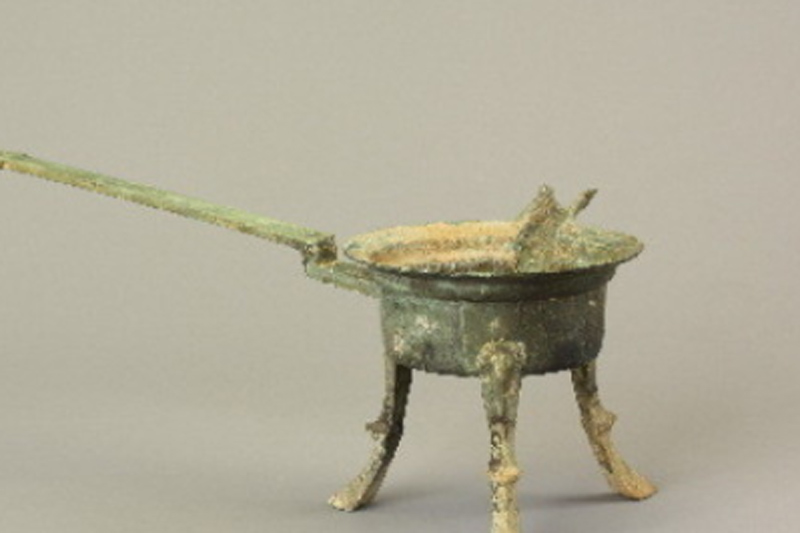
No one took milk tea more seriously than the Qing court. Qianlong (乾隆) Emperor was obsessed. He served milk tea at grand banquets and gifted it to Mongol and Tibetan nobles as a sign of favor. For him, milk tea wasn’t just a drink—it was diplomacy.
To elevate his tea ritual, Qianlong commissioned a special bowl. It was carved from white nephrite, inlaid with gold branches and leaves, and set with 108 rubies as flower petals. Inside the bowl, four large characters read: “Qianlong yuyong” (乾隆御用, Made for Emperor Qianlong’s personal use). He even wrote a poem for his milk tea: “Milk boiled with cow’s milk / Jade bowl like mutton fat / Imperial dignity praised / Tea granted as imperial grace.” That bowl now sits in the Palace Museum in Beijing.
But what about the age-old question: milk first or tea first? The British argued for centuries without agreement. The Yuan dynasty already had an answer—both together. From a Tang emperor’s “butterfly eyes” to a Qing ruler’s ruby-studded bowl, China’s love affair with milk tea is truly ancestral. So go ahead—sip that pearl milk tea and smile. You’re drinking history.
