-
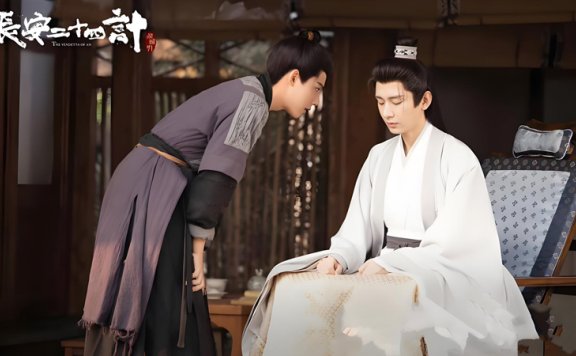
5 Must-Watch Chinese Costume Dramas Shaping a New Narrative Trend
The landscape of Chinese costume drama is undergoing a quiet but significant evolution. As evidenced by five recent standout series, the genre is moving beyond epic battles and fantastical romance toward a new paradigm defined by intellectual depth and narrative precision. These shows—from investigative procedurals to historical political dramas—prioritize specialized knowledge, mature character dynamics, and sophisticated genre blending. Their collective success, often fueled by word-of-mouth rather than sheer promotional might, signals a discerning audience appetite for substance. This trend marks a maturation of the genre, where compelling storytelling is built not on scale, but on the solid foundations of logic, character integrity, and innovative conceptual hooks. The Imperial Coroner 2 (御赐小仵作2) The sequel to the sleeper hit The Imperial Coroner demonstrates that a loyal audience awaits well-crafted stories. The Imperial Coroner 2 reunites the original cast after five years, a rare move that pays off by preserving the unique dynamic fans loved. The series follows the married forensic examiner Chu Chu (楚楚) and her husband, the imperial official Xiao Jinyu (萧瑾瑜), as they lead the judicial department. Their partnership now operates on both professional and personal levels. What sets this show apart is its effortless blend of a tightly-plotted investigative…- 149
- 0
-
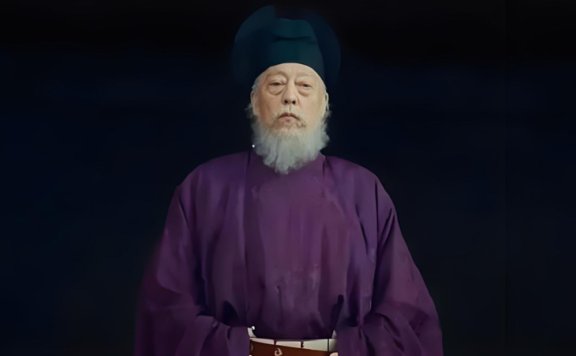
Why Hu Jinsi Served Qian Hongchu but Deposed Qilang in Swords into Plowshares
In the swirling political currents of the tenth-century Wuyue (吴越) Kingdom, depicted in the historical drama Swords into Plowshares (太平年), a minister's loyalty becomes the ultimate test of a ruler's worth. The narrative pivots on a stark contradiction: the powerful minister Hu Jinsi (胡进思) shows utter contempt for one young king, publicly humiliating and ultimately deposing him, yet willingly kneels in submission to another. This is not a simple story of ambition, but a pointed examination of what separates a failed monarch from a successful one. The answer, buried within court intrigues and personal clashes, boils down to a fundamental trait often overlooked in the pursuit of power. Qilang's (七郎) Fatal Flaws From the moment he ascended after his brother's death, the king known as Qilang operated from a place of deep insecurity. He saw Hu Jinsi, a seasoned minister who had served previous rulers, not as a potential ally but as a direct threat to his authority. His first act was to exclude Hu from critical deathbed deliberations, a clear signal of distrust that resonated through the court. Qilang's perception created its own reality; by treating Hu as an enemy, he ensured the minister would act as one. His…- 205
- 0
-
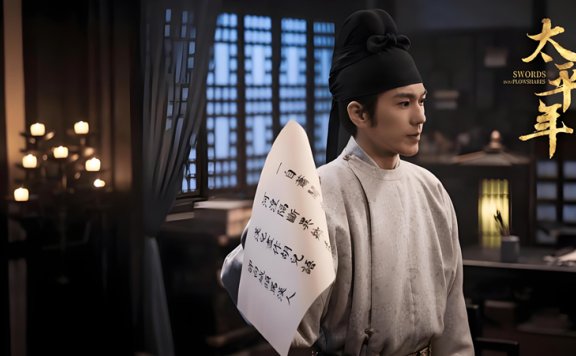
Swords into Plowshares: Why Wuyue Voluntarily Surrendered to Song
As the credits roll on the latest episodes of the historical drama Swords into Plowshares (太平年), viewers are left with a lingering heaviness, a profound emotional residue that transcends typical period-piece entertainment. The show’s stunning visual tapestry, depicting the brutal yet poetically rendered era of the Five Dynasties and Ten Kingdoms period, is merely the gateway. The true power lies in its exploration of a chilling historical paradox: why would a powerful, prosperous kingdom voluntarily dismantle itself? The story of the Qian (钱) family and their fateful decision to surrender the realm of Wuyue (吴越) to the rising Song (宋) dynasty in 978 AD is not just ancient history. It feels like a stark, uncomfortable mirror held up to the fundamental human yearning for peace, posing questions about power, legacy, and the cost of stability that resonate deeply today. A World Drenched in Blood The drama opens a window to an era modern minds can scarcely comprehend. The 53 years of the Five Dynasties and Ten Kingdoms were an unending nightmare of chaos. With regimes rising and falling like waves, warlords proclaimed themselves emperor based solely on military strength. The phrase "the Son of Heaven should be the one with…- 101
- 0
-
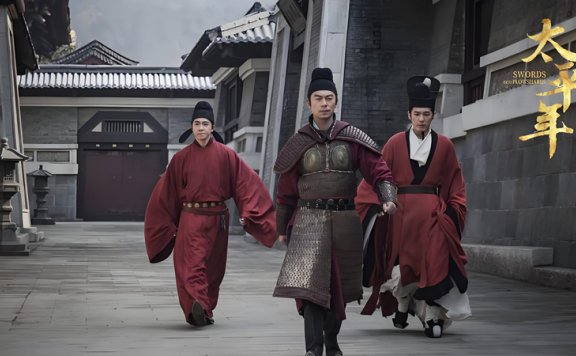
Swords into Plowshares: The Warm Wine Guo Rong Never Tasted
In a time when empires rose and fell like tides, what does a simple wish truly cost? The television drama Swords into Plowshares (太平年) offers a poignant answer, not through grand battles, but in a quiet moment between four souls on a besieged city wall. Set in 946 AD, a year when the Later Jin (晋) dynasty clung to its final days against the Khitan invaders, the series carves its humanity from the intimate spaces between historical upheavals. The scene is Kaifeng (汴梁), the night is the minor New Year's Eve, and the characters are young men whose names would later define an era: Zhao Kuangyin (赵匡胤), Qian Hongchu (钱弘俶), and the one known as Guo Rong (郭荣). Their shared drink under a cold wartime sky becomes the series' emotional heart, a fragile vessel holding their deepest, most impossible dreams. A Toast to Longing The conversation unfolds as a revelation of character. Qian Hongchu speaks of the sea, of legendary creatures and horizons unknown—a wish for boundless freedom. Zhao Kuangyin, the future founder of the So ng dynasty, declares his ambition for martial glory, to be a great general like the legends of old. Then comes Guo Rong's turn. His…- 119
- 0
-
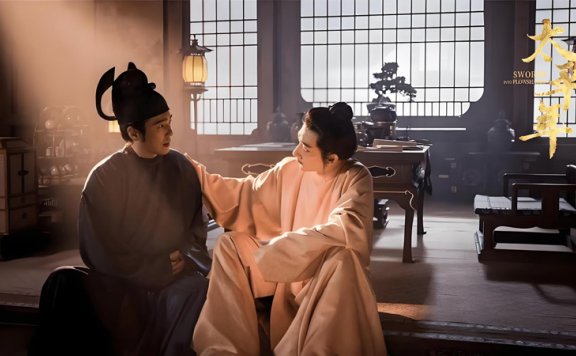
Swords into Plowshares: 3 Men Who Ended the Five Dynasties Chaos
The new historical drama Swords into Plowshares (太平年) is more than a tale of war and politics. It is a profound exploration of how individual decisions, set against the brutal backdrop of the Five Dynasties and Ten Kingdoms period, can collectively redirect the course of history. At its heart are not sweeping armies, but three men whose intertwined destinies engineered China's transition from prolonged fragmentation to unified stability. Understanding the roles of Guo Rong (郭荣), Zhao Kuangyin (赵匡胤), and Qian Hongchu (钱弘俶)—the pathfinder, the architect, and the peacemaker—is the key to unlocking the series' intricate power plays and its central theme: the arduous journey from chaos to peace. 1. Guo Rong The foundation for a lasting peace was laid by a man whose time was tragically short. Guo Rong, portrayed by Yu Haoming (俞灏明), posthumously known as Emperor Shizong of the Later Zhou (后周世宗) , reigned for only six years from 954 to 959. Historians often call him the most capable ruler of his tumultuous era. Inheriting a weakened state, he launched sweeping reforms: revitalizing the military, streamlining bureaucracy, repopulating abandoned lands, and reducing taxes. His efforts brought a period of rare clarity and prosperity to the Central Plains. He…- 90
- 0
-
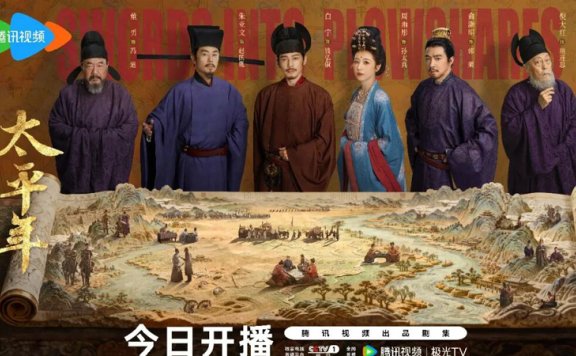
Swords into Plowshares: Humanity in Five Dynasties Chaos
A new drama begins not with a crown, but with the mud on a soldier's boot. Swords into Plowshares (太平年) paints the chaotic transition from the Five Dynasties and Ten Kingdoms era to the Song Dynasty not as a dry chronicle, but as a visceral experience of survival. It focuses on the stark realities faced by people, weaving together the brutal military campaigns of the Central Plains with the tense political machinations in places like Wuyue (吴越). The series has quickly captivated its first viewers. They praise its uncompromising texture and its ambitious narrative scale, which follows the intricate fates of numerous characters and factions. This approach makes the period feel immediate, allowing the audience to sense the precarious turning points of history rather than just observe them from a distance. For a genre often considered difficult, Swords into Plowshares finds its strength in granular detail and human-scale stakes. It sidesteps grandiose pronouncements, instead building its epic stature through the cumulative weight of countless choices made in times of turmoil. The result is a compelling, grounded entry into a seldom-portrayed chapter of the past. When History Breathes Again The screen does not flinch. It presents a world where humanity's thin…- 296
- 0
-
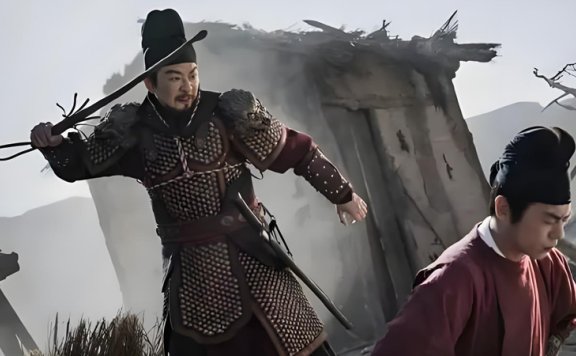
How Swords into Plowshares Breathes Life into a Chaotic Era
In January, the historical drama Swords into Plowshares (太平年) premiered, thrusting viewers into the turbulent and often overlooked period of the Five Dynasties and Ten Kingdoms. Unlike the brief summaries found in history books, this series aims to flesh out the era's complex politics, brutal survival, and fragile hopes. It begins not with grand pronouncements, but with a horrifying act of cannibalism within a starving army, immediately establishing the desperation that defines the age. Over its first episodes, the narrative splits between the violent power struggles of the Later Jin court in the north and the seemingly stable, yet internally fraught, southern kingdom of Wuyue (吴越). This deliberate contrast challenges the very title of the show, asking what "Swords into Plowshares" could possibly look like when the world is unraveling. A Kingdom in the Eye of the Storm While the north burns with overt conflict, Wuyue presents a deceptive calm. Under the rule of King Qian Yuanguan (钱元瓘), it focuses on internal development. However, this stability is paper-thin. The first episodes reveal a court riddled with corruption and secret factions. The royal treasury is empty, siphoned off by officials and shadowy organizations. The death of the king unleashes a silent…- 246
- 0
-
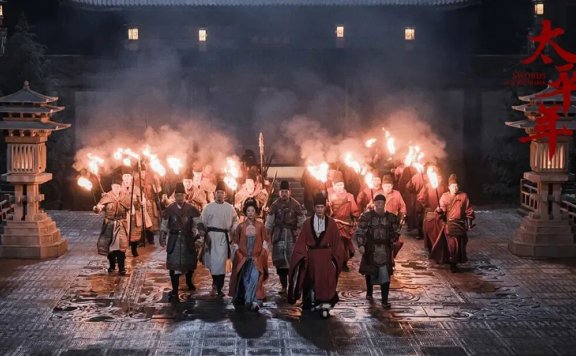
Swords into Plowshares: The Wuyue King’s Sacrifice for a Unified China
What does true leadership look like when an empire is at stake? This is the central question posed by Swords into Plowshares (太平年), a sweeping 40-episode historical saga premiering on China Central Television. Set against the chaotic backdrop of the Five Dynasties and Ten Kingdoms period, the series promises more than just palace intrigue and battlefield heroics. It delves into the profound moral weight of power, asking what a ruler must ultimately surrender for the sake of his people's welfare. With a powerhouse creative team behind acclaimed works like The Red (红色) and The Three-Body Problem (三体), and a cast filled with revered performers, the drama aims to transform dusty historical records into a gripping, human-centered narrative. It frames a pivotal, often-overlooked moment of Chinese unification not as a simple conquest, but as a deliberate, agonizing choice made by a king. Converging Paths The narrative hinges on the intertwined destinies of three ambitious men. Qian Hongchu (钱弘俶), played by Bai Yu (白宇), ascends to the throne of the Wuyue (吴越) kingdom. His reign is defined not by expansion, but by a dogged pursuit of stability and prosperity for his subjects within a fragmented empire. In the north, Zhao Kuangyin (赵匡胤) employs…- 151
- 0
Zhu Yawen
Scan to open current page
-
$CouponsLimitation of use:Expired and UnavailableLimitation of use:
before
Limitation of use:Permanently validCoupon ID:×Available for the following products: Available for the following products categories: Unrestricted use:Available for all products and product types