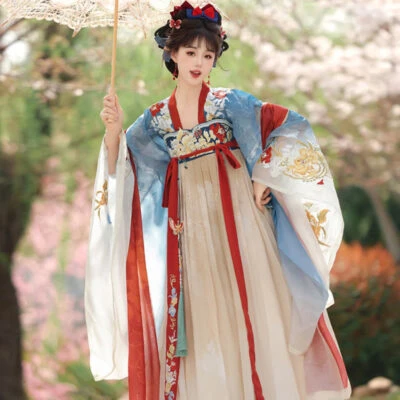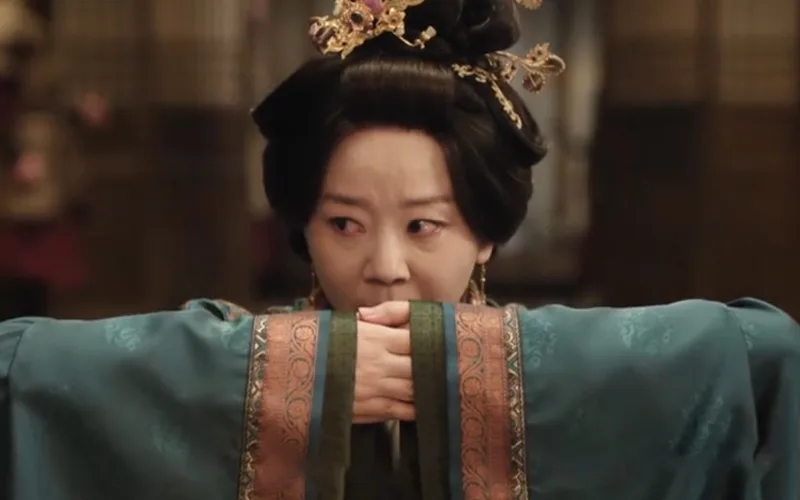
Episode 16 of Where the Mask Ends (嫁金钗) lands like a noisy courtroom with silk sleeves. A longevity lock sits on a table, yet one mother still refuses to see the obvious. The hour keeps asking who owns the truth when family pride is louder than evidence. Zhou Fu (周芙), also known as Li Zhaoyi (丽昭仪), finally faces the swapped-daughter secret, while Wei Rao and Lu Zhuo move toward a separation that neither truly wants. The episode is messy, loud, and strangely moving. It also gives Guo Yufeng (郭虞凤) a line so sharp that it explains a whole lifetime of resentment. Why does a rescued marriage turn into a lifelong wound? And why does a couple who cares keep choosing the exit?
Lock and Lie
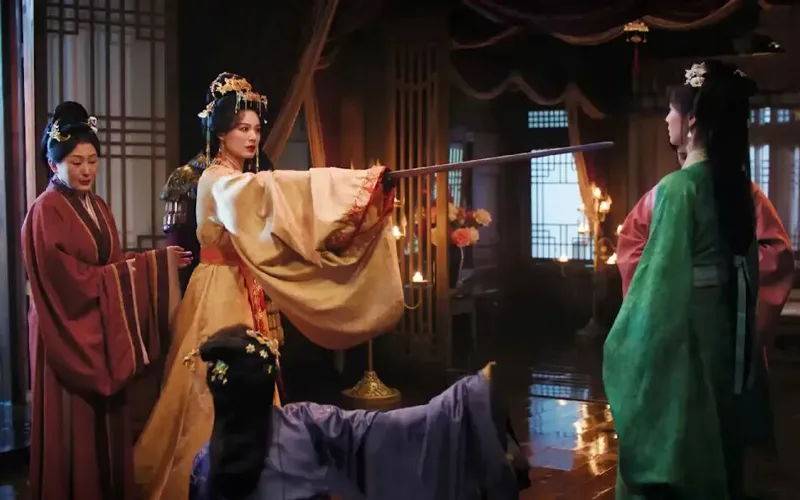
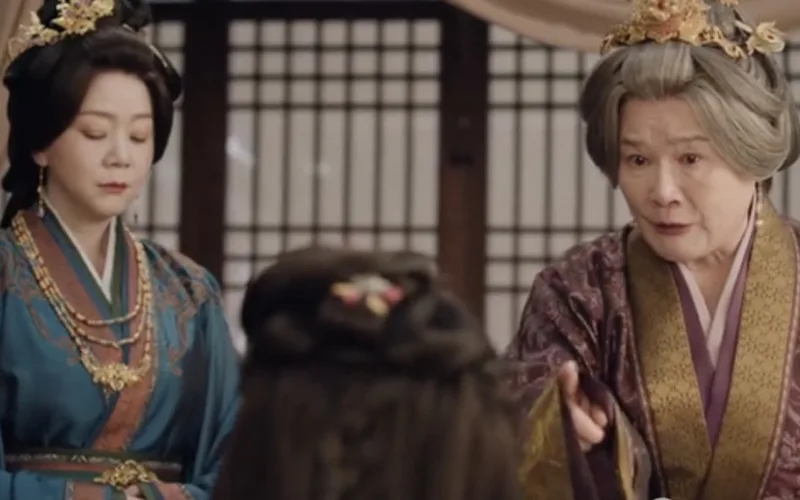
The lock should settle everything, but Zhou Fu clings to Wei Heng’e (魏恒娥) and treats Wei Rao’s claim as a scheme. Whispers from the people around her push her toward a death order. Wei Rao walks forward without begging, and that calm is harder to watch than tears. She came to find a mother; instead, her own relatives corner her. Shou’an Jun (寿安君) arrives just in time and becomes the only elder in the room who speaks with a clear head. Her warning is simple: check the doubt before regret becomes permanent. Of course, the warning comes true.
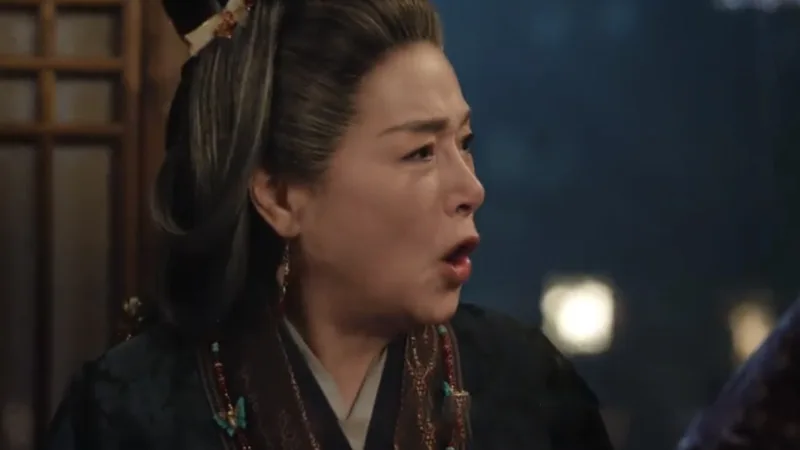
Lu Zhuo does not wait for the family to finish arguing. He rides into Nanshan (南山) at night, captures the second bandit leader, and follows the old trail of the missing nurse and guard. The man names Lü Lun (吕伦), and the steward finally cracks. He admits that Wei Heng’e gave the orders and buried the swap for sixteen years. The truth does not arrive with a grand drumroll; it arrives through a tired confession and a room full of people who should have asked better questions long ago.
“My precious child, loved like a pearl in my palm.” The line returns like a slap. The daughter who should have been treasured was called A Chou (阿丑), worked among night-soil carriers, and dragged herself back to a mother who did not recognize her. Zhou Fu did not just fail to see the truth; she added fresh pain with her own hands. The lock was never the problem. The problem was the refusal to look at the girl standing right in front of it.
Nine Bitter Words
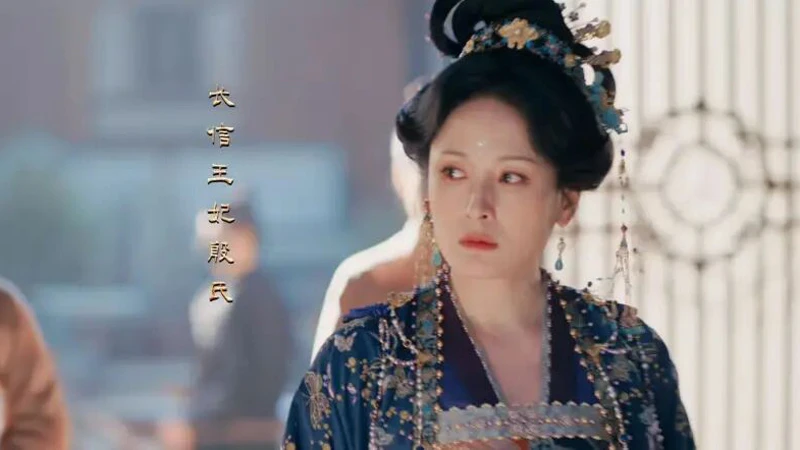
Wei Heng’e confesses, but the deeper hand is still hidden. Lu Zhuo asks the question everyone avoided: if the old matriarch truly cared about her granddaughter, why did no one in the house notice a missing child or a fake one? The answer points to Guo Yufeng. She ran the household accounts and the daily order of the Wei house. Wei Heng’e could not have covered such a large lie without help from inside the walls.
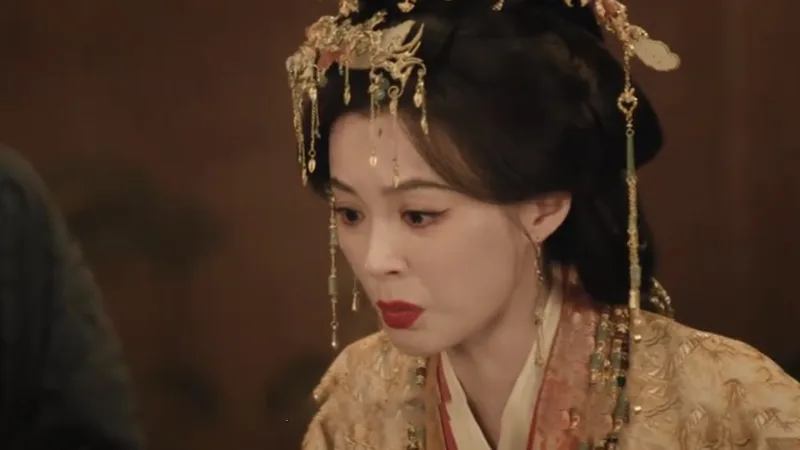
The reason is old and ugly. Wei Jin (魏谨) wanted Zhou Fu, and he took forty blows rather than keep an arranged engagement. To smooth things over, the family gave Guo Yufeng to the elder son as a second wife. She looked at Wei Jin, handsome and stubborn, then at her own greedy husband, and felt sick. Her nine words carry the whole knot: “Saving me was ruining me.” The family thought it had given her a place; she felt it had buried her alive. That daily resentment had to land somewhere, and it landed on Zhou Fu and her child.
Wang Yinan (王一楠) plays that bitterness with frightening control. Her face does not explode; it tightens, and the room shrinks. From her role in The Story of Minglan to this one, she knows how to make a second wife’s grudge feel physical. Guo Yufeng is not a cartoon villain. She is a woman who was traded like a pawn and then learned to use the same board against everyone else.
Divorce, Denied
Lu Zhuo breaks military orders to find Wei Rao’s witness, and Yingguo Gong (英国公) punishes him hard. Wei Rao sees the cost and asks for a divorce. She does not want to keep pulling him into her family’s fire. It is a practical choice wrapped in guilt, but practical choices in this drama rarely stay clean.
Lu Zhuo refuses to let go. Wei Rao, cornered, announces that she has taken a liking to Qi Zhongkai (戚仲恺). He flips the table. The man who once spoke casually about divorce cannot stand hearing it from her mouth. His pride and his heart are both exposed, and neither behaves well.
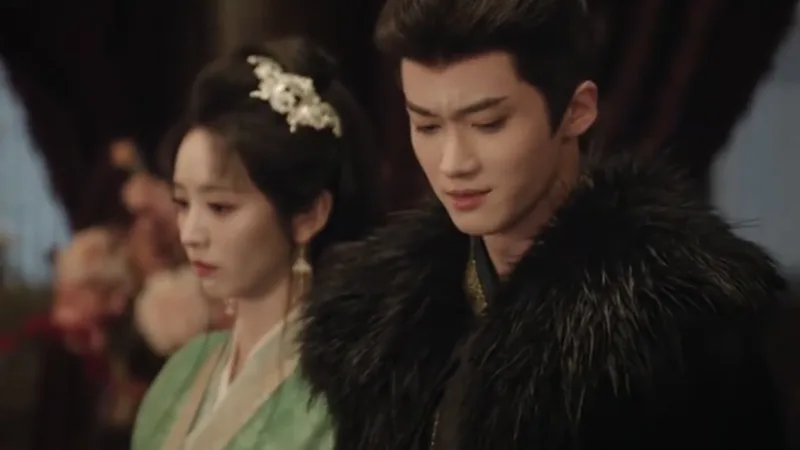
When the imperial decree finally permits the split, Lu Zhuo coughs blood in public and still insists on the last word: today it is not Wei Rao divorcing him; it is he who divorces her. The two of them share the same hard mouth and the same soft center. Even the timing feels cruel. One family storm barely clears before the couple is pushed toward another.
Guo Yufeng hated a marriage arranged for her, yet she helped arrange misery for others. Wei Rao and Lu Zhuo clearly care, but each decides to leave for the other’s sake. The hardest part of marriage may not be love or money. It may be watching other people write the answer to a question only your own heart should settle.