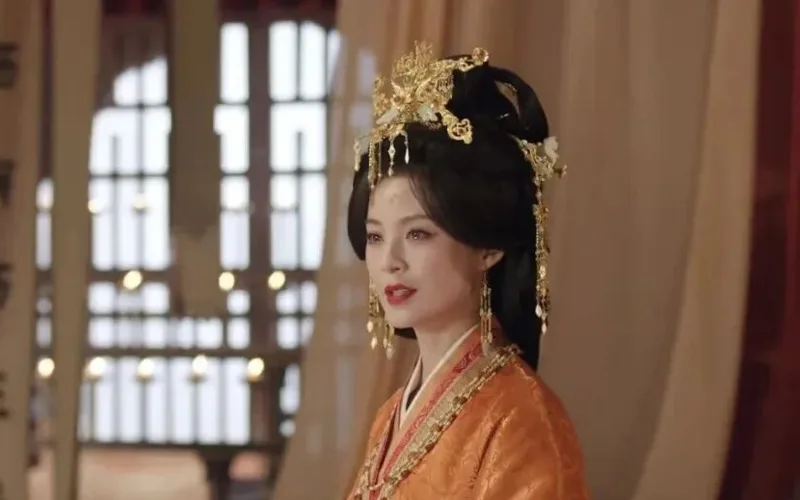
In ancient China, a broken engagement can curdle into lifelong obsession. Where the Mask Ends (嫁金钗) looks like a simple revenge story. Guo Yufeng (郭虞凤) looks like a villain with a simple motive: hatred for Zhou Fu (周芙). Yet her final confession points elsewhere. She admits she wanted to hurt Jun Dai (君黛), not Wei Rao (魏娆). Why? The answer lies less in revenge and more in a wound that never closed: Wei Jin (魏谨). This article reads her choices as jealousy, shame, and unfinished love, not a cartoon grudge.
Broken Betrothal
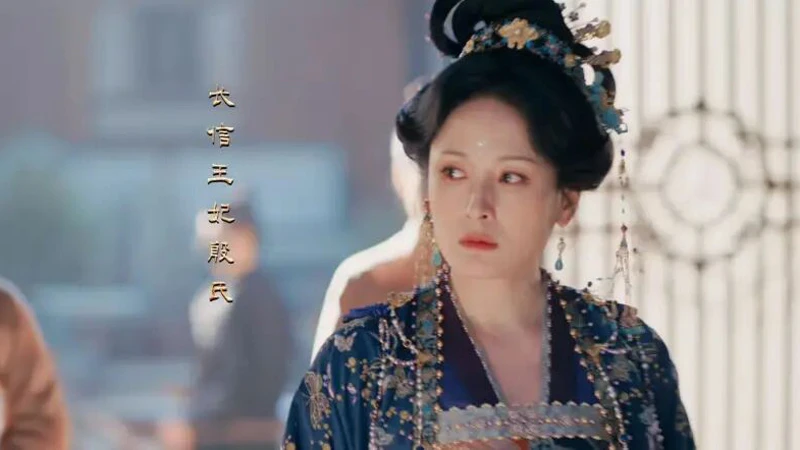
Guo’s early life seemed settled. Her family chose a match she liked: Wei Jin, the Wei son everyone trusted. Then Zhou Fu arrived. The engagement collapsed, and Guo was pushed toward Wei Jin’s older brother—a man she could not respect. The humiliation was public enough to sting and private enough to fester. She did not simply lose a husband; she lost the version of herself that believed she deserved the best. That shame needed a target.
Her marriage placed her inside the same household, so avoidance was impossible. Every meal, every courtesy, every family gathering reminded her of the swap. Zhou Fu became the visible cause, but Wei Jin remained the invisible standard. Guo could curse her rival, yet she could not curse the man she still admired. That split made her anger unstable. It looked like hatred from outside; inside, it was comparison.
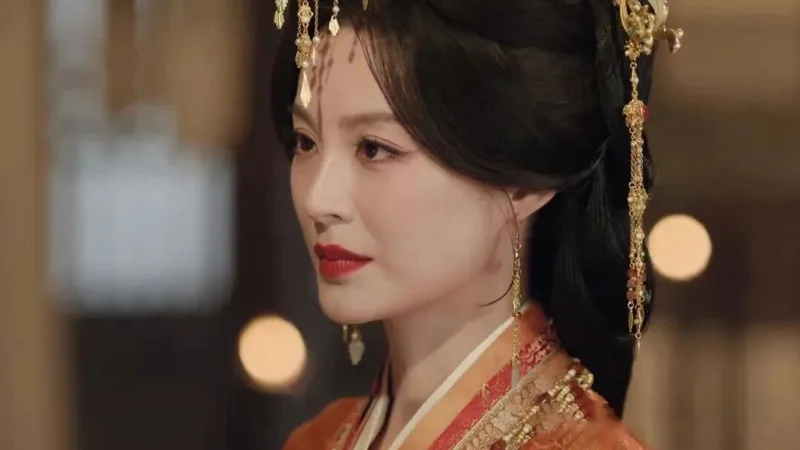
When Wei Jin died in battle, grief did not soften her. It froze him. A dead man cannot disappoint you, argue with you, or choose someone else again. He became a perfect memory she could keep polishing. His daughter, Wei Rao, carried his name and his absence. Hitting Wei Rao would mean hitting the child of the man she mourned—and perhaps the family that had rejected her. But Guo’s final aim was not Wei Rao.
The older brother matters too. Guo’s husband is not the main name in her story, but his position is. She must call him husband, share a roof, and play her part. That daily proximity made the loss concrete. She could not romanticize her sacrifice as tragic; it felt small and sour. Her anger needed a villain with a face. Zhou Fu provided one. Wei Jin provided the ache behind it.
Kindness Stings
Wei Jin’s decency made the wound worse. He did not mock Guo after the broken match. He met her once, refused her offer to stay together, and kept the meeting quiet. Then he smoothed her path with his brother and asked for fair treatment. A cruel man would have been easier to hate. His restraint read as proof that she had missed something rare. Every kind act became a mirror.
This is the cruel logic of regret. If Wei Jin had been selfish, Guo might have settled. If he had been petty, she might have felt justified. Instead, he was honorable, loving toward Zhou Fu, and careful with Guo’s reputation. She could not call him a villain. So she kept asking a silent question: why was I not enough? The question had no answer, and that made it endless.
Zhou Fu’s later marriage to the emperor poured salt into that question. To Guo, Zhou Fu had claimed Wei Jin’s devotion and then moved to the throne. It looked like proof that some women collect the best choices while others are left with scraps. Guo’s jealousy was not only romantic. It was social. Zhou Fu seemed to win twice, and Guo could not stand the scoreboard.
Wei Jin’s one private meeting is crucial. He refused Guo, but he protected her. That mix of rejection and care is hardest to file away. A clean no would let her hate him. A scandal would let her claim victimhood. Instead she got discretion. She got a door quietly closed. That courtesy kept him noble in her mind, and nobility is harder to punish than cruelty.
Targeting Jun Dai
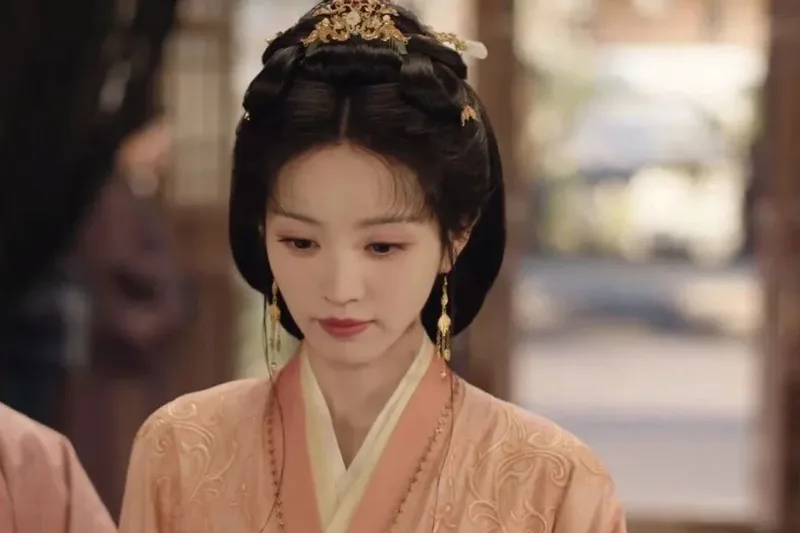
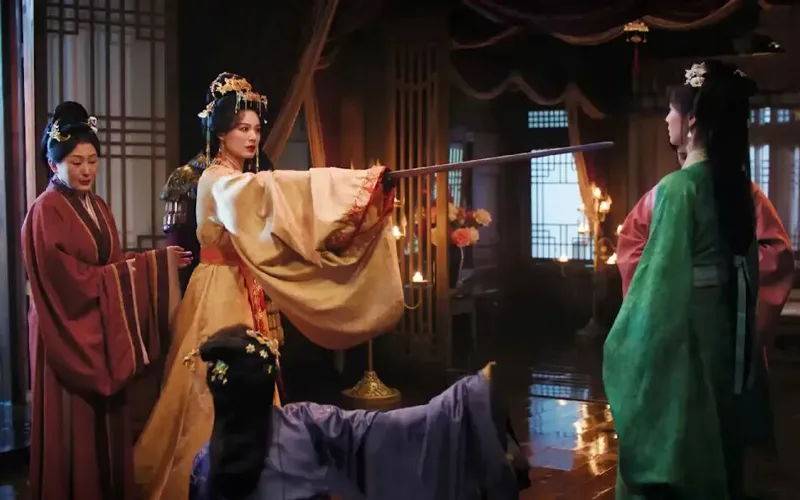
By the end, Guo’s rage needed a body. Wei Rao was the obvious child of Wei Jin, but harming her would strike the dead man directly. Jun Dai offered a different target: a way to wound the living network around Zhou Fu without simply repeating the old rivalry. The choice is twisted but revealing. Guo was not chasing Zhou Fu alone. She was trying to break the arrangements that kept reminding her of her loss.
Her confession that she meant Jun Dai, not Wei Rao, exposes the real engine. Hatred for Zhou Fu was the language she used; resentment toward Wei Jin was the fuel. She could not punish him for dying, for choosing Zhou Fu, or for being good. So she punished what stood near him. The plan was less a strategy than a delayed tantrum, dressed as revenge.
Why Jun Dai rather than Wei Rao? Because Jun Dai belongs to the present. Wei Rao is a ghost’s child; Jun Dai is a rival’s living connection. Guo’s final admission is not a sign of love for either girl. It is a map of her resentment. She strikes sideways, at what she can reach, because the person she truly blames is beyond punishment.
Guo Yufeng is pitiful and dangerous in the same breath. She wasted years guarding a grievance that gave her identity. Two daughters, a household, and her own future mattered less than a man she could not have. The tragedy is not that she loved too much. It is that she turned love into an account book and kept charging everyone else for a debt Wei Jin never owed.