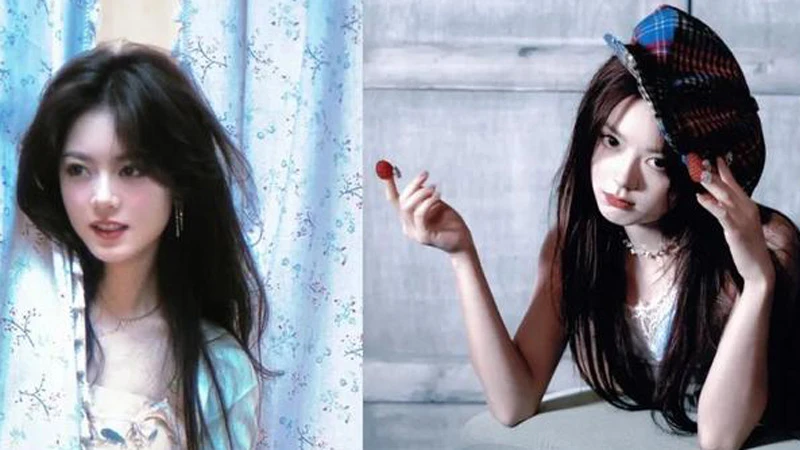
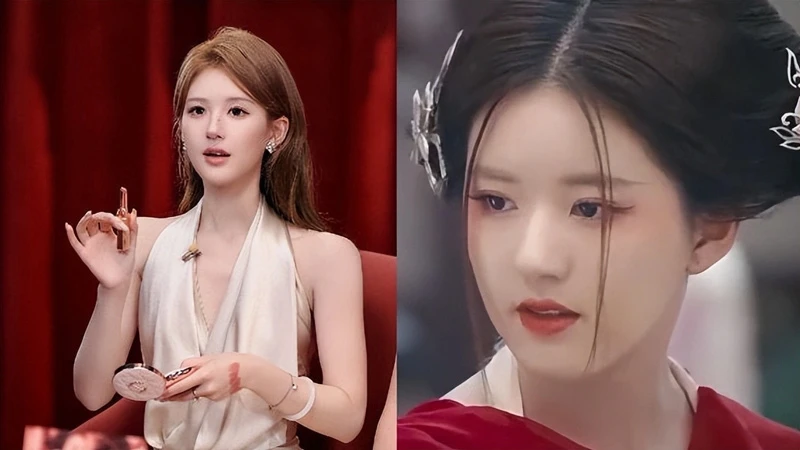
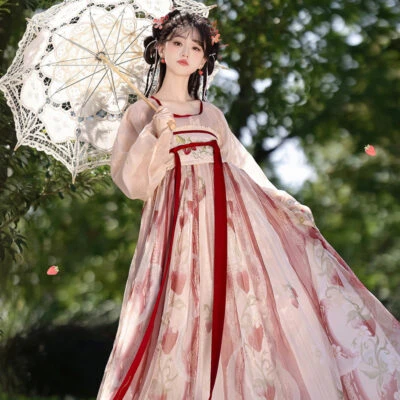
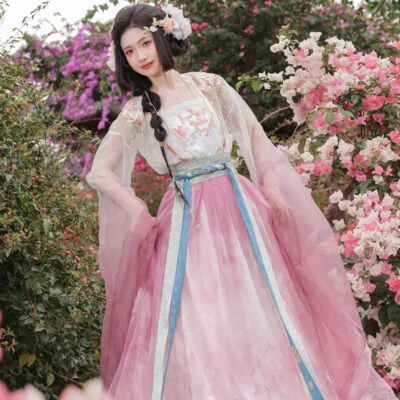
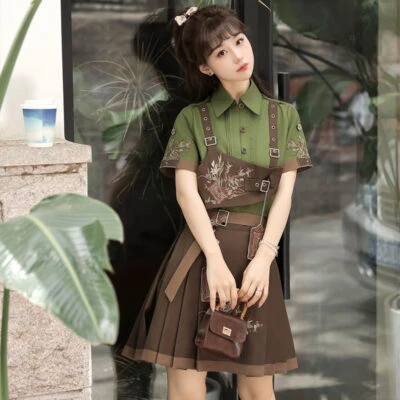
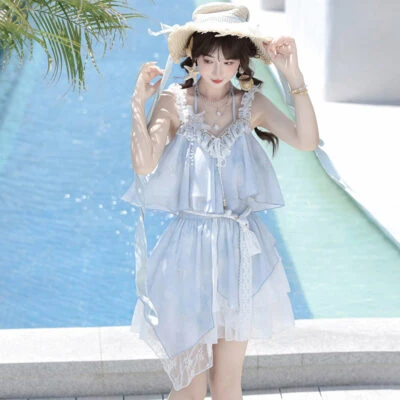
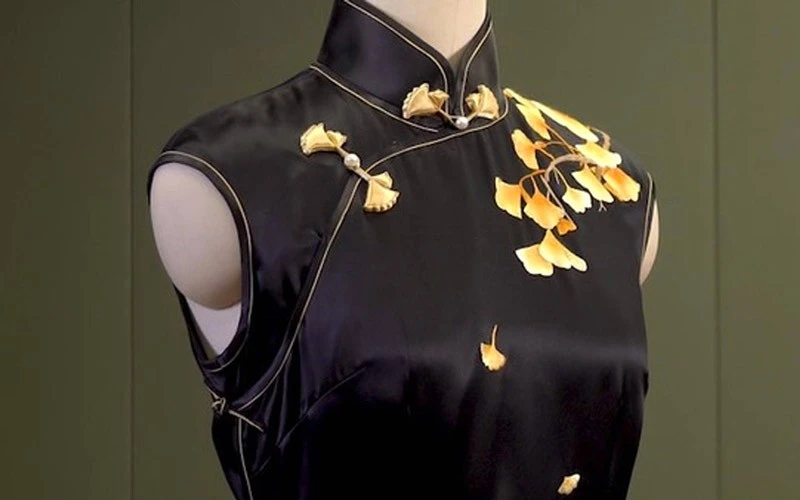
On 13 August 2026, seven ministries issued a joint opinion on upgrading consumer goods, and one clause put textiles and apparel on a line of their own. Three months on, the examples the trade reaches for are no longer just the word Guochao: a Pankou that once held a front closure shut is now sold as a brooch, a hairpin or a chest pendant, pinned to a sweater instead of a coat.
The Clause Itself Runs to a Few Lines
Clause six asks that the sector merge with Chinese traditional culture and that textile-related intangible heritage be protected and passed on; that designer labels and regional brands be developed, world-class brands cultivated, and platforms for firsts and debuts built. The same clause pushes silk, calling for silk capacity to shift from east to west and for silk consumption to expand.
The document gives the sector a high floor. It sets a target of about 60 trillion yuan in total retail sales of consumer goods by 2030, and names textiles among the trillion-yuan categories that must keep growing. A later clause supports time-honoured brands going abroad and heritage products entering duty-free stores.
A second document points the same way. A brand-cultivation plan for textile and apparel covering 2026 to 2028, issued by the industry ministry in May 2026, had already asked for experience-based retail, for silk’s cultural content to be mapped into a narrative system, and for heritage inheritors to co-develop limited and couture lines with brands.
Retail Is Growing, and the Material Changed
National statistics put retail sales of clothing, shoes, hats and knitwear above a designated size at 1.52 trillion yuan in 2025, up 3.2 per cent, and at 1.08 trillion yuan in the first three quarters of 2026, up 4.6 per cent. Tian Lihui, a finance professor at Nankai University, reads the signal as a move away from low-technology, low-margin processing toward higher value added and brand premium.
Dai Yan, a director and deputy general manager of Taihu Snow Silk in Suzhou, locates the change in the cloth: from the dacron blends that once dominated to the silk, Tencel and linen blends buyers now judge by hand feel. The shift runs from basic function to comfort to emotional value, and synthetics carry volume while silk and linen carry premium.
A Closure Becomes a Brooch, a Wedding Becomes an Office
Zhang Bingjing, deputy general manager of the Ruifuxiang silk house in Beijing, gives the sharpest example. The knotted closure that once held a mandarin collar shut is now made into brooches, hairpins and chest pendants that a buyer can wear on a sweater or a coat, which is how a heritage technique enters ordinary dressing. She adds that Chinese dress is moving out of weddings, stage work and travel photographs into offices, parent-and-child outings and everyday social life, with younger buyers arriving to look for a garment they can wear out and keep.
The move matters because the craft becomes a product sold on its own. Unit price falls and frequency rises. In 2025 Ruifuxiang turned the second floor of its main store into a cultural space that shows fabric, explains silk and hosts dressing experiences.
Newer labels work the other way, from a single piece upward. In May a small domestic brand, Shuicaichu, sold a vest called Apricot Grove Spring Swallows that travelled fast online; the founder says traffic reached the order book within weeks and volumes doubled in May and June. The stated aim is to break the assumption that Chinese clothing belongs to festivals, ceremonies and photographs.
Silk firms are putting museums into the product line. Dai Yan says Taihu Snow licensed more than twenty sets of century-old pattern archives from the Suzhou Silk Museum, covering Qing tapestry and Republican-era gauze, works with a dozen museums, and wires local techniques such as Song brocade into a brand built around the idea of a presentable Chinese gift.
Old Houses, New Labels, and a Separate Export Curve
Zhou Ting, of the China General Chamber of Commerce and the KeyCustomer research institute, argues that heritage technique and cultural narrative form a barrier competitors abroad cannot copy, but cultural value becomes demand only when it connects to contemporary life. She credits three forces: culture, as younger buyers look for identity in Chinese material; supply, as a generation of Chinese labels matured in craft, design and storytelling; and generation, as those same buyers are also the distribution.
Old houses have depth and a story but ageing images and stiff innovation; new labels read a niche but lack supply chains and scale. Her division of labour gives old houses the holding role, selling the classic and the scarce, and new labels the differentiating role in category and youth culture, with the two meeting through licensing.
Exports are a separate curve. Federation data put textile and apparel exports at 259.06 billion dollars in the first ten months of 2026, up 6.2 per cent. Taihu Snow went from Amazon to its own storefront abroad to social platforms in Europe and the United States, and now runs both channels, books close to 100 million yuan in overseas revenue in half a year, grew cross-border sales 22.19 per cent in the first half of 2026, and ships to Germany, Britain, the United States and Japan.
Volume is not influence. Zhou Ting says some firms still lean on distribution and are thin on cultural narrative, premium overseas retail and cross-cultural staff. Dai Bingjie, of a Hebei economic and technical cooperation association, wants three ends pulling together: industry lifting quality, capital taking a long view, policy supporting premium ambitions. Tian Lihui puts it more simply: attention from culture, purchase from product, repeat purchase from quality. A Pankou began as a chinese knot pulled tight against cloth; worn alone, it has to be worth keeping for reasons that are not heritage.