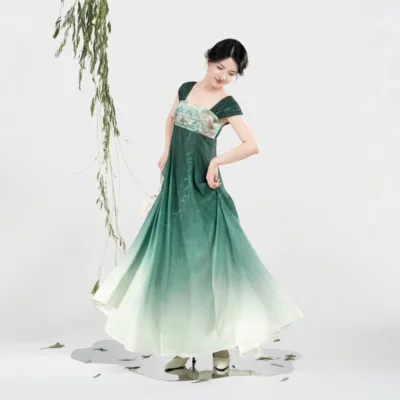
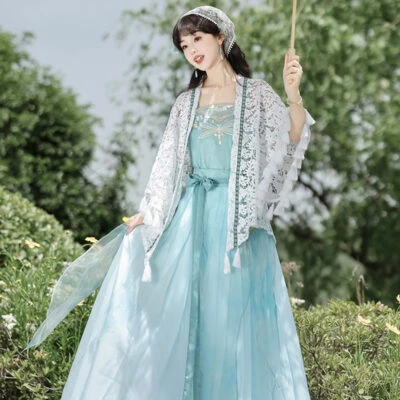
A five-day pop-up on Pitt Street Mall in central Sydney closed on 22 November after doing something that travel advertising rarely attempts: it put the costume on the customer before naming a destination. The venue called itself Kung-Fu House, ran red from the doorway in, and stacked four things into one room, a robot and human martial-arts show, a Hanfu try-on corner, eight booths for Chinese destinations, and a stamp card that tied them together.
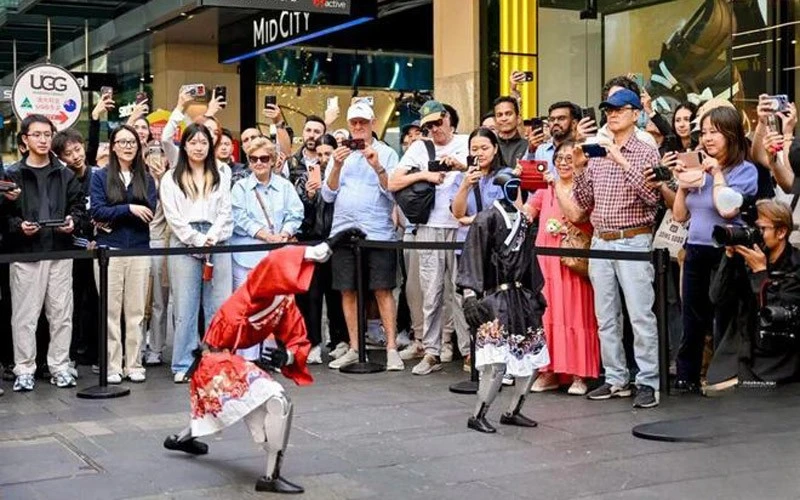
| Dates | 18 to 22 November 2026 |
| Venue | Pitt Street Mall, Sydney |
| What it is | Kung-Fu House, a China inbound-travel pop-up run with Trip.com |
| Entry | Free, open to passers-by |
| Inside | Martial-arts shows, a Hanfu try-on area, eight destination booths, stamp card with gifts |
Eight Booths Instead of Eight Brochures
None of the booths was built to be read. Guilin’s stand, promoting the landscape show Impression Liu Sanjie, asked visitors to sing a line of the film’s folk song back at the staff. Lhasa’s booth explained the khata scarf and taught the greeting Tashi Delek. Sichuan taught one line of local dialect, Changsha turned Yuelu Academy, Aiwan Pavilion and the Liuyang sky theatre into a memory game, and Guizhou’s Huajiang canyon bridge booth taught a few steps of Miao lusheng dance. Chimelong and Zhangjiajie ran quizzes on their own attractions, and a joint Hunan booth connected visitors to overseas social accounts so the conversation could continue after the tent came down.
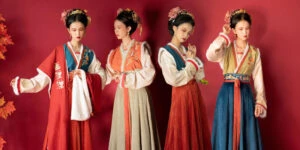
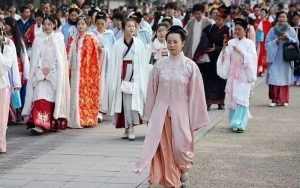
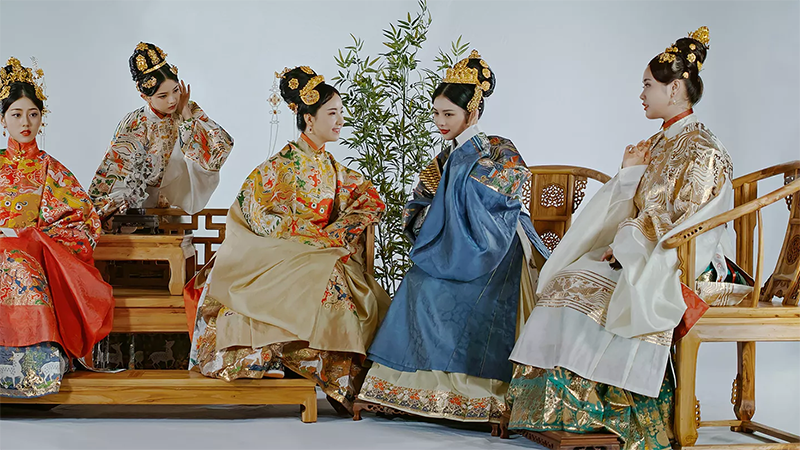
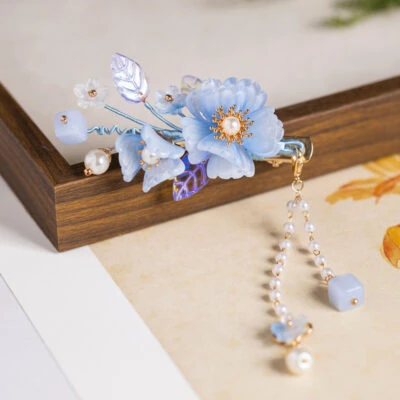
The Hanfu corner was the entry point for most of it. Visitors could put on traditional Chinese clothing, pick up a round fan and have their photograph taken before walking the booths, which reverses the usual order of travel marketing. Costume first, itinerary second. A stamp collected at each stand bought a small gift at the end, so the route had a reason to be walked in full rather than sampled.
Yuan Wei, deputy director of the China Cultural Centre in Sydney, framed the exercise at the opening as people-to-people exchange, calling tourism the most natural bridge between them and martial arts one of China’s clearest cultural signals. He credited the platform for carrying that signal into Australia and linked it to inbound growth and to understanding between the two countries.
The Booking Layer Behind the Booth
The street event was the visible half of a longer chain, and the chain is where the money is actually moved. The day after the pop-up opened, Trip.com Group held its 2026 global partner summit in Sydney with about 2,500 partners in the room, which is the tell: the mall faced people who had not yet decided to go to China, while the conference faced the businesses already receiving them.
Australia earns that attention on the numbers. It has about 27 million people and a GDP per head of roughly 74,500 US dollars, above Britain and Canada, and platform data put it in the top ten inbound source markets for January to March 2026 with orders up more than a fifth year on year and an average stay of 7.2 days. The November timing is deliberate, because Australian Christmas, New Year and the southern summer holidays all fall immediately after it.
The celebrity layer has been running for longer. Jackie Chan was named the group’s inbound tourism ambassador in April 2026, and a Real China promotional film shot in Chengdu, Guilin, Luoyang, Dali and Dunhuang followed, after which third-quarter ticket bookings for those five cities doubled. A separate programme launched in September 2025 brought overseas creators to China to describe destinations in their own languages, with more than 600 creators and 140 global partners involved and, by the company’s count, over 550 million overseas impressions.
Interest still needs a way to be spent. The platform has translated supply from more than 8,000 partners into 24 languages, made 95 per cent of ticket types at major domestic attractions bookable by foreign visitors, and added a label system for hotels that handle inbound guests properly. Between January and June 2026, 139,000 domestic hotels on the platform took inbound bookings, and the number of such hotels in fourth- and fifth-tier cities grew 46.2 and 47.9 per cent, both faster than the national average.
Hanfu as a Hotel Service
The clearest sign that the costume has moved from gimmick to service came from a resort manager on the summit stage. Liu Kaiqiang of Sanya Yintai Sunshine Resort said the hotel, open for more than twenty years and losing on both hardware and price, rebuilt itself around foreign guests; about 90 per cent of its customers now come from overseas and roughly half of those from Russia. After joining an inbound travel ranking this year, he said, its platform traffic rose 42 per cent, gross bookings 36 per cent, and order growth ran at 1.7 times the city average. Russian-speaking butlers, airport transfers and a traditional medicine centre came first; a Hanfu experience and craft sessions were added this year.
His reasoning is the practical version of the street pop-up. A costume needs no language, no preparation and no instruction, and it produces a photograph that guests post themselves, which stretches one afternoon into repeat exposure. Putting it beside butler service and a wellness centre rather than in a seasonal promotion is what makes it a product line.
Deeper routes show the same shift. Li Jiarong of Kunming Yongrun Travel, an inbound operator with more than ten years of experience, said clients have stopped treating big cities as the whole trip; the agency built a separate inbound team in 2025 and now sells small-group custom itineraries around minority architecture and craft in Yunnan, extending into Sichuan, Guizhou and Tibet, with group numbers rising from 68 to 489 and gross bookings from 910,000 to 6.2 million yuan. Zhangjiajie, meanwhile, received 1.29 million foreign visitors this year, up 39 per cent, sold 986,600 tickets to them, up 46 per cent, drew guests from 190 countries and ran 376 staff language classes covering more than 10,000 people.
A China Tourism Academy survey puts cultural experience as the main purpose of the trip for more than six in ten inbound visitors, which is the number that explains why a robe ends up in a mall, a hotel package and a canyon-bridge booth. The pop-up lasted five days. The photographs are still circulating, and they reach a group that no amount of paid media reliably finds: people who had not been thinking about China at all.