In River of No Return (两京十五日), Zhu Zhanji (朱瞻基) must leave Nanjing, reach Beijing within fifteen days, and claim the Ming (明) throne. The road is a chain of ambushes, barges, gates, and bad weather. Around him runs a four-person escort: a streetwise cop, a stubborn official, a clever doctor, and a prince who has never learned how ordinary people talk. Their nicknames sound like jokes. They are tiny keys. Turn them once, and the relationships open.
1. Wu Dingyuan (吴定缘)

Wu Dingyuan is tagged Bamboo Pole (篾篙子) by colleagues in Jinling (金陵). A punt pole looks useful on a boat: straight, long, ready for work. Yet a pole woven from thin bamboo strips can be light and hollow inside. That is the office joke. His father, Wu Buping (吴不平), is the city’s top constable, a man who closes cases others cannot touch. Colleagues assume the son entered Yingtian Prefecture (应天府) through family pull.
On the surface, Wu Dingyuan feeds the joke. He slouches, answers back, and has no grand record. The prefecture expects a copy of his father; it gets a man who knows alleys, barges, and the price of silence. His value sits in what he notices first: a nervous ferryman, a wrong turn, a lie told too smoothly. The hollow pole is not empty; the city hollowed it out.
That nickname sets his tone with power. He does not bow to titles; he tests them. On the road, Wu Dingyuan reads people faster than reports. His father’s shadow makes him seem small, but the journey shows another shape: softness that is not weakness, emptiness that leaves room for judgment.
2. Yu Qian (于谦)
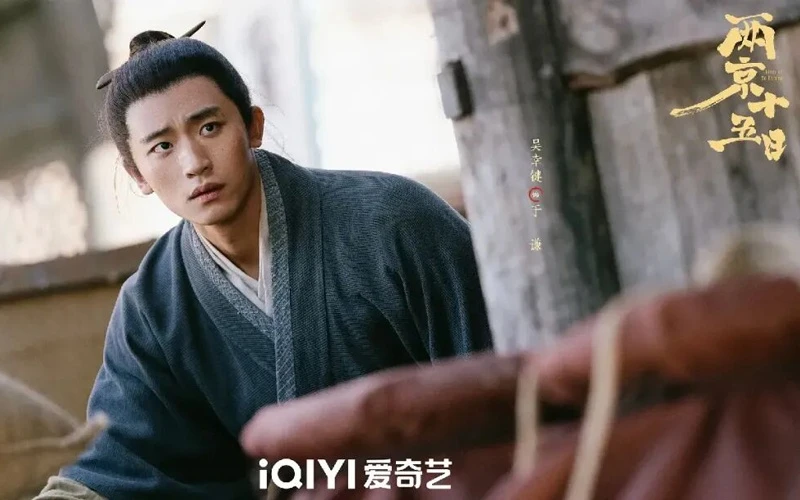
Yu Qian gets the name Little Almond (小杏仁) from Wu Dingyuan, and the joke is a misheard job title. Yu serves in the Messenger Office, a modest post in the Ming bureaucracy. Wu, a low-ranking cop with little book learning, hears the office name as something close to “almond” in local speech. He does not quote Shangshu (尚书). He hears a word and makes it smaller, softer, funnier.
The joke could be cruel, but it is not. Yu Qian is stiff, principled, and easy to tease. He speaks in rules; Wu answers in street logic. The nickname cuts the official down to a snack-sized word, yet it makes him human. He is a young man with a narrow office, a sharp pen, and a dangerous loyalty to the crown.
When the race tightens, the almond stops being funny. Yu’s stubbornness holds the group together when panic could split it. His rules become ropes. Wu’s joke, repeated in tense moments, turns into a private language between two men who would never share a table in calm times.
3. Zhu Zhanji
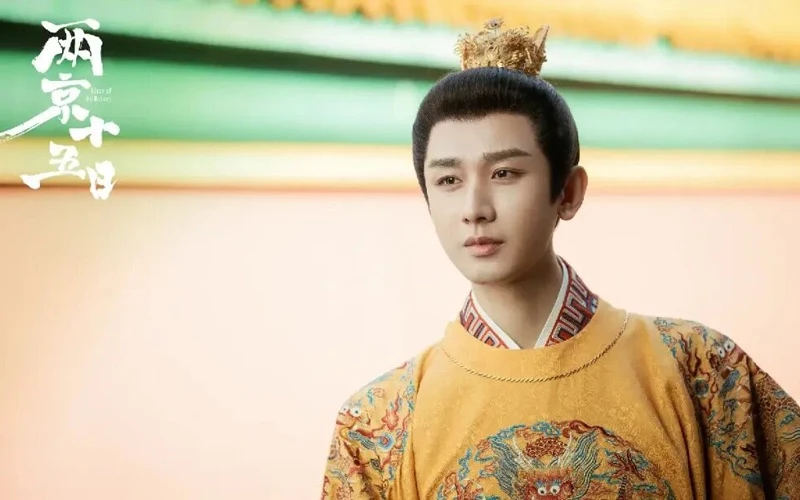
Zhu Zhanji earns the name Big Radish (大萝卜) from Wu Dingyuan, who dares to tag a crown prince. In Nanjing speech, a big radish suggests a person who is honest, blunt, and too solid to bend. Wu hears palace phrases: “I,” “we,” “the throne.” The words are walls. Wu does not accept walls. He sees a young man raised in a box, forced to ask strangers for help.
The prince does not know what the nickname means. That is part of the joke. Zhu Zhanji thinks he is hearing rough local color; Wu is quietly measuring him. The name strips away the golden frame. It asks whether the heir can become a person before he becomes a ruler. On the boat and in the rain, the answer changes. He learns to listen. A command is not a plan.
By the end, the radish image feels less like an insult and more like a test. A radish is plain, rooted, and hard to dress up. The prince must become useful without the palace polishing every sentence. Wu’s nickname is rude, but it points at the lesson: survival does not care about your title.
4. Su Jingxi (苏荆溪)
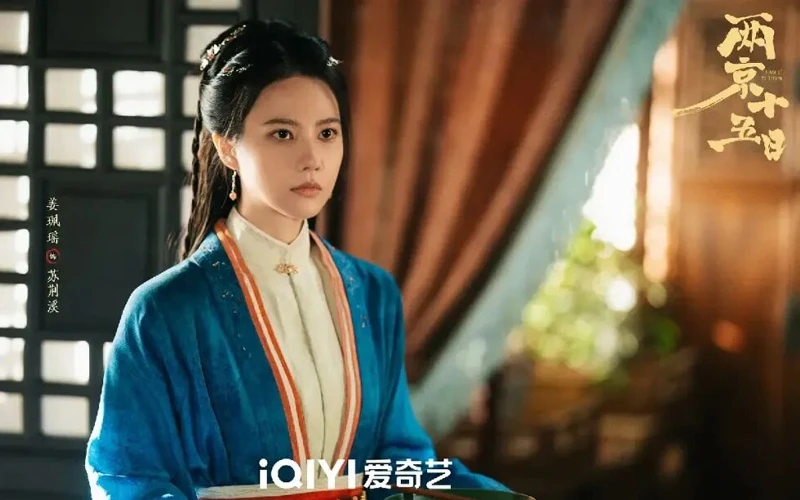
Su Jingxi is called Medicine Granny (药婆婆) by Wu Dingyuan. The name comes from what everyone sees: a medicine box on her back, silver needles in her hand, powders in paper. She patches wounds, checks pulses, and keeps her voice low while the men argue. “Granny” sounds old-fashioned, but it carries trust. In a group losing blood and time, the person with the box stops a small cut from becoming a farewell.
The nickname also gives her room. Su Jingxi is not a fragile passenger. She is a worker with tools, and the road needs her. Wu’s humor, often sharp, is gentler here. He teases her trade, not her body or background. That choice says something about his code. He respects skill, even when he gives it a funny hat.
Her name stays quiet, but its effect is loud. While the men chase gates and horses, she watches bodies for poison, fever, and exhaustion. The “granny” is not a grandmother in age; she is a keeper of practical mercy. In a story about fifteen days, mercy is not soft. It is another form of speed.