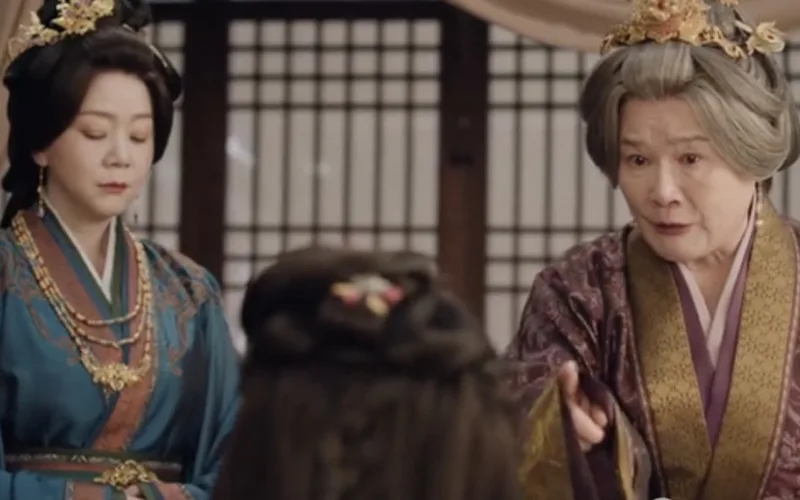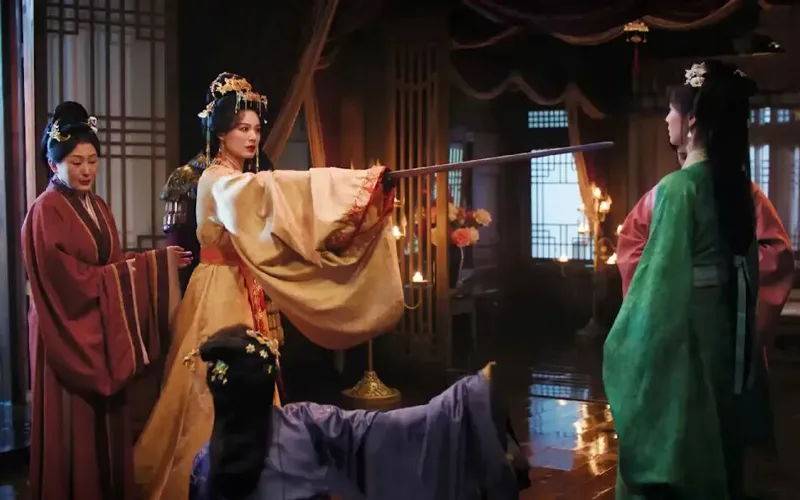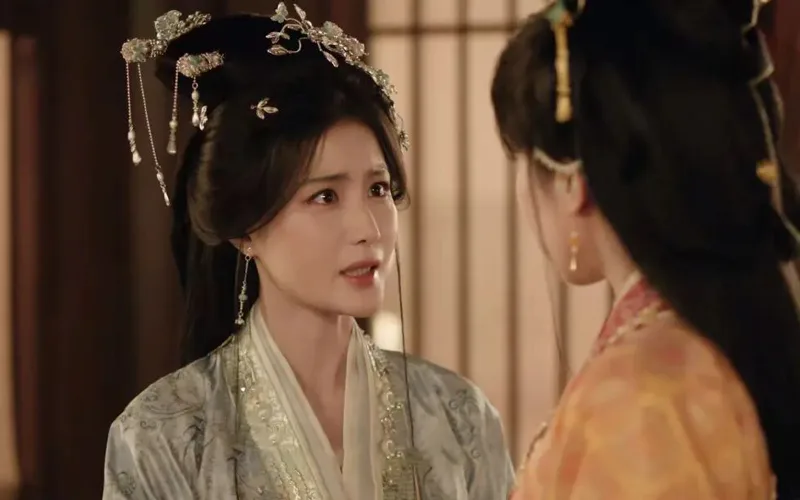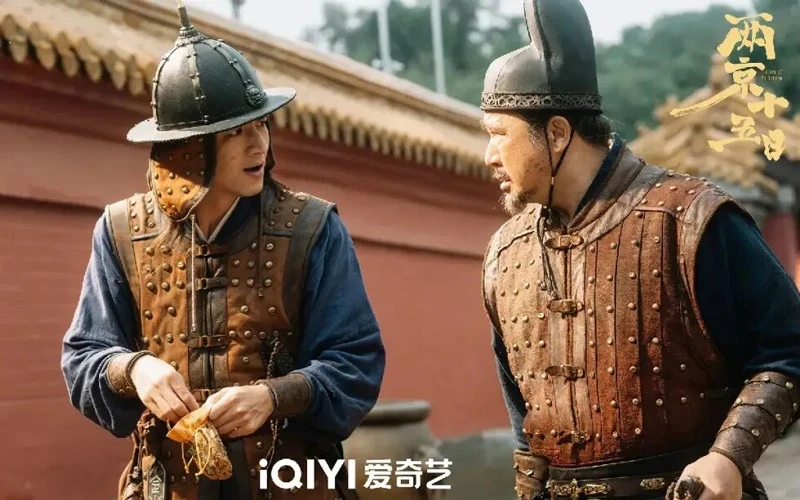
At Huibo Tower (汇波楼) in Jinan (济南), a prisoner hears a sentence that splits his life in two. Tang Saier (唐赛儿) says he is not Wu Dingyuan (吴定缘); he is Tie Fuyuan (铁福缘), third son of Tie Xuan (铁铉). The man who has spent fifteen days guarding Zhu Zhanji (朱瞻基) carries the blood of the family the Ming court destroyed. River of No Return (两京十五日) uses a courier race to ask a sharper question: what happens when duty, hate, and pity share one body? The novel’s answer is not a clean moral.
A Name in Ashes
Tie Xuan once held Jinan against Zhu Di’s (朱棣) rebel army. When cannons threatened the wall, he raised the founding emperor’s memorial tablet above the battlements; the attackers dared not fire. The city still fell. The victors executed him, killed the men, and sent the women to the court brothel. A small boy fell into a river during the escape. The water took his memory before anyone could take his name.
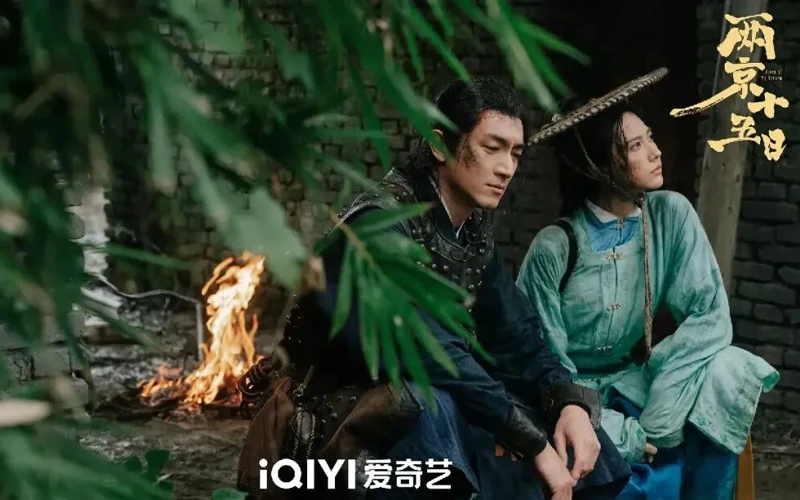
Zhong Eryong (钟二勇), then a constable, pulled the child out. He later called himself Wu Buping (吴不平), and the boy became Wu Dingyuan. The nickname “Bamboo Pole” followed him through taverns and alleys. A wound at the back of his skull brought headaches that made him drink. A limp marked his leg. That leg was ruined while he dragged a drowning boy from the Qinhuai River (秦淮河); the boy was Zhu Zhanji, grandson of the man who had erased his family.
He agreed to escort the prince north for two reasons he could say aloud: three hundred taels from his father, and revenge for his foster father. Neither reason survives a second look. The money cannot justify death, and the revenge story proves he does not know who his foster father truly was—or who he himself is. He is a constable with a borrowed name, guarding a target he should hate.
Fifteen-Day Race
In Nanjing, the treasure ship explodes at East Water Gate. Zhu Zhanji is thrown into the river, still clutching a cricket jar. Wu pulls him out. A secret letter gives the prince fifteen days and 2,200 li to reach Beijing before the throne changes hands. The race is not a parade. Sulfur hides in a sedan, explosions overturn boats, and poison waits in food. Every mile turns the prince into a more vulnerable man and the constable into a more dangerous one.
Each clue dies before it speaks. A suspect is shot by the eunuch Zhu Buhua (朱卜花) just as the prince demands a live capture. Someone inside the court is passing messages. In a Yangzhou (扬州) water prison, salt merchant Wang Ji (汪极) traps the prince and Wu; Su Jingxi (苏荆溪) drugs the guards and drags them out. At Huai’an (淮安), Wu breaks a dam to save the others and is swept away, his head struck again.
Then the White Lotus Sect captures him. Tang Saier offers him a title: son of Tie Xuan, figurehead for a Shandong uprising. The sect’s real managers want a banner, not a leader. With the name restored, loose pieces click into place: his foster father’s secret meetings, his mother’s fate, his brothers’ executions. The trail does not end in the rivers and inns. It climbs into the palace.
Fire at Changling
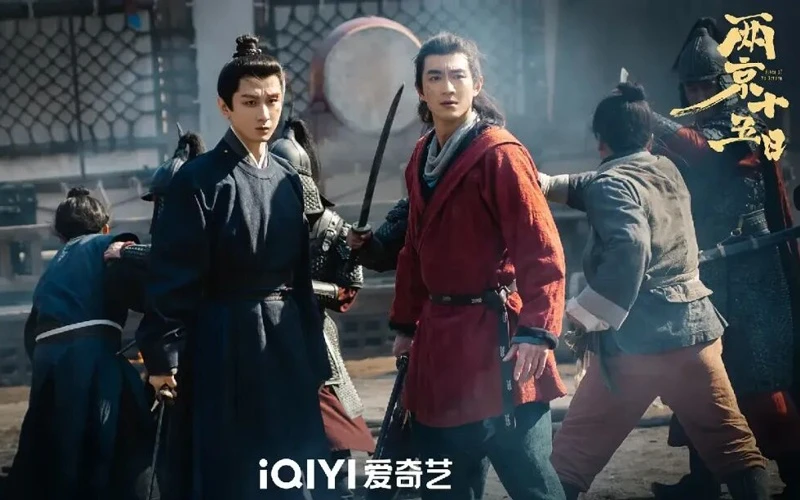
In a Zhenfu Division (镇抚司) cell, the prince and the constable sit separated by a wall. Zhu Zhanji wants to live, return, and pay his debts. Wu wants an answer that no reward can buy. On the boat, Su Jingxi carries silver needles and her own case: a friend’s name on a burial list. Yu Qian (于谦), a low-ranking official, argues about the state, not the sovereign. Four people, four motives, one road. The wall makes honesty easier and trust impossible.
They reach Beijing. Zhu Zhanji takes the throne and offers Wu a reward. Wu refuses. Face to face with the emperor, he lays out the Tie family’s ruin and the long suffering of Jingnan (靖难) orphans. The emperor listens and says nothing. The silence is not peace. It is the sound of two histories refusing to fit into one room.
Su Jingxi goes to Changling (长陵). Fire breaks out in the Ming Tower. Wu walks toward it alone. He does not shout, and no one stops him. He enters the flames and stays beside her. The man who saved his enemy’s grandson chooses, at last, a death that belongs to no dynasty. The fifteen-day race ends; the reckoning does not. What remains is smoke over Changling and a name no edict can clean.