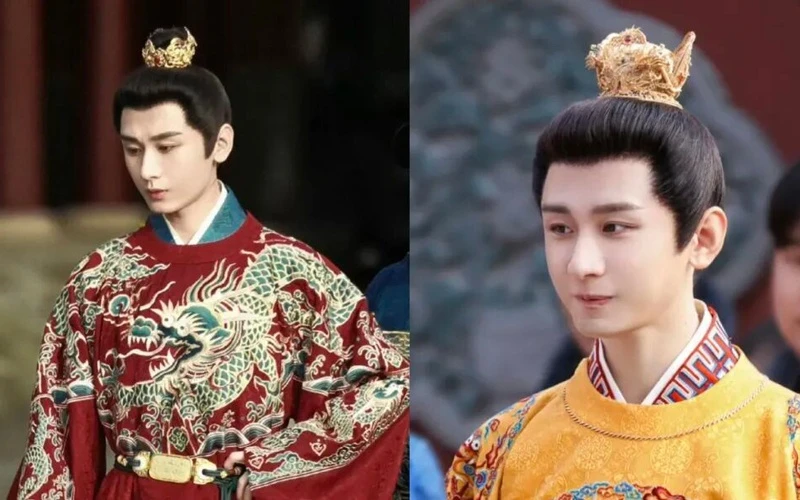
A single headpiece can stop a scene. When Cheng Yi (成毅) appears in River of No Return (两京十五日), viewers noticed something familiar: the crown on his head looks like a museum object they had just seen. That reaction says a lot. Modern costume dramas are no longer satisfied with shiny fabric and pretty hair. Audiences now ask sharper questions. Is that crown real? Is the belt correct? Did the production team study the Ming dynasty, or just borrow a vague “old China” look? The answer is more interesting than a simple yes or no.
Crown Under Scrutiny
The crown is not pure invention. Its model is a Ming double-dragon pearl beam crown, a rare piece held by the Hong Kong Palace Museum (香港故宫文化博物馆). It was the museum’s first received artifact, part of 946 gold and silver objects donated by Meng Die Xuan (梦蝶轩). That background gives the object real weight. Yet the screen version makes a visible change: the double-dragon pearl motif sits at the front, while the original places it at the back. Some viewers call this a mistake. Others see a camera-friendly adjustment. The production team has not fully settled the debate, and that silence keeps fans talking.
The original crown is a small lesson in goldwork. Six beams support the body, which rises into a rounded dome and rests on a flat oval base. A pair of wings extends behind, and the finest work lives there. Fine gold wire forms two five-clawed dragons curling around a fire pearl set with red stones. Bats and lotus flowers decorate the front, both popular auspicious signs in old design. Even better, the dragon heads and pearl are connected by springs. When the wearer moves, the dragons tremble slightly. That tiny motion turns metal into life and shows how skilled Ming goldsmiths were.
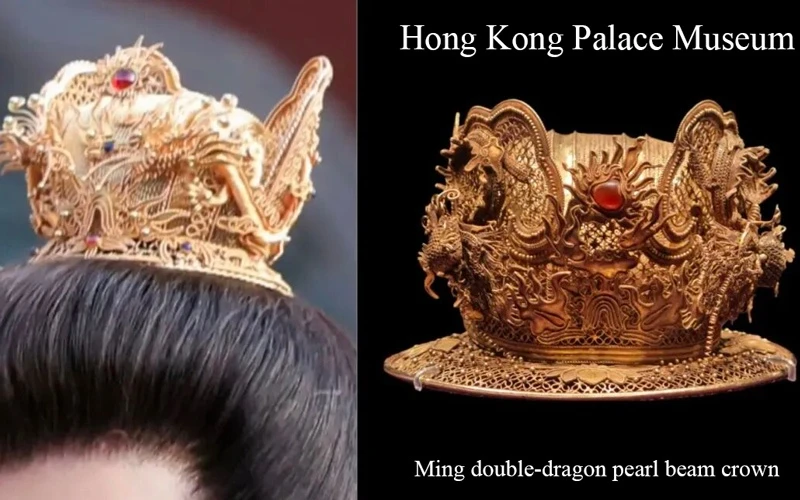
For television, such details matter because they reward close looking. A viewer can pause, compare, and argue. The crown becomes more than decoration. It becomes a clue. Is the drama trying to be accurate, or merely inspired? The answer may sit between those poles. A costume must survive camera angles, lighting, and movement. Moving a motif can help viewers recognize it faster. Still, once a production borrows a famous museum piece, it also invites exact comparison. That is the risk and the pleasure of historical design.
Belt Rules
The belt carries just as much meaning. Ming officials wore several kinds: a leather belt for formal robes, a bundle belt for ordinary dress, and a silk belt for lighter occasions. The leather belt followed strict rules. Princes and their consorts needed jade leather belts for ceremonial dress. Rank was not a private choice. It was written into the outfit, and officials could read it at a glance.
The plaques on a leather belt (带銙) also followed a hierarchy. Jade stood at the top, then gold, silver, copper, and black horn. Many plaques carried gems as well. Jade belts were reserved for the highest rank, and a first-rank official could wear one. A simplified ring version worked like a modern waistband or an old belt hook. It looked less formal, but it still told people who you were.
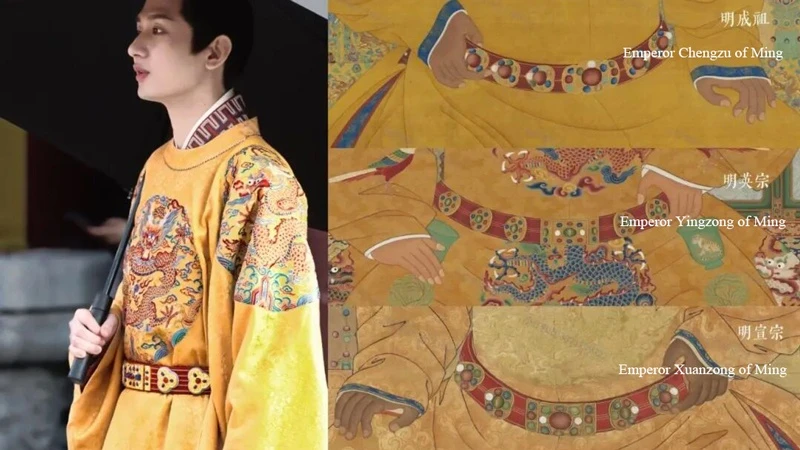
Early Ming belts loved gem inlay. Different colors shone together, matching an old idea that five colors together signaled good fortune. Yet a fully decorated belt was long and stiff. It could not hug the waist like cloth. So in the mid and late Ming, many ceremonial belts were tied but not tightened. Officials fixed their robes with cords under the arms and let the belt hang as a ritual object. It might slide up or droop forward, so they often steadied it with a hand. The familiar stage gesture of lifting the robe and holding the belt was not opera fantasy. It reflected real court manners.
Why It Matters
This level of detail changes how a costume drama feels. A crown and a belt can turn a scene into a quiet history lesson without stopping the story. Viewers who have visited a museum may suddenly connect a glass case with a moving character. That spark is powerful. It also raises expectations. Once one drama gets the beam crown and the hanging belt right, others cannot rely on generic “ancient” style.
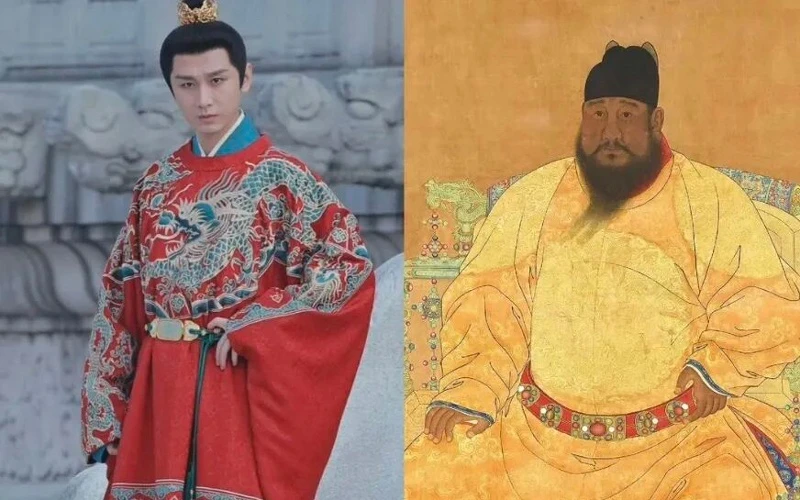
Accuracy and drama do not always agree. A motif moved to the front may be a practical choice, not a careless one. The real test is whether the production can explain its choices. If it can, viewers may accept the change. If it cannot, the detail becomes a flaw. Either way, the conversation is healthy. It shows that audiences care about craft, rank, and ritual, not just handsome costumes.
So why did Cheng Yi’s look win praise? Because it invited people to look closer. The crown has a museum source. The belt has rules behind it. The smallest spring and the loosest hanging plaque carry meaning. For viewers, the fun is not simply spotting a pretty outfit. It is asking whether the past on screen can survive a curious eye. This drama has made that question visible, and that is already a win.