A treasure ship explodes outside Nanjing, and Zhu Zhanji (朱瞻基) crawls out with smoke in his lungs and a deadline at his heels. His father is dying. Rebels are closing around Beijing. He has fifteen days to reach the throne. Four people join the dash, each carrying a private ledger. The men get swords and slogans; the women get consequences. Their endings matter because the same fire does not touch everyone alike.
1. Su Jingxi (苏荆溪) – Ash and Escape

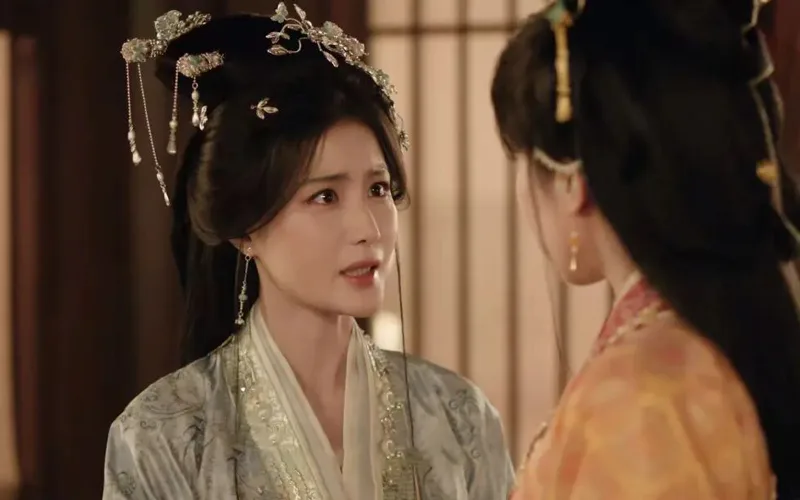
Su Jingxi enters as a doctor with a list. Her friend Wang Jingshu (王景姝) was sent into the palace, then into a burial queue after the Yongle Emperor (永乐帝) died. A white cord ended her at twenty-one. Her family gained status; Su gained a target. A charity clinic gives Su cover near Zhu Buhua (朱卜花), the eunuch she blames. She joins the prince because the road can carry revenge.
Her list shrinks to flesh and paperwork. Zhu Buhua dies by poison. Zhang Quan (张泉), the empress’s brother, is pushed toward Ming Tower and its flames. Above him sit people she cannot arrest: Empress Zhang, the Hongxi Emperor (洪熙帝), and the dead Yongle Emperor. Zhu Zhanji promises punishment, then sends Zhang Quan away to quiet the scandal. Family beats justice. Su stops expecting the palace to keep its word.
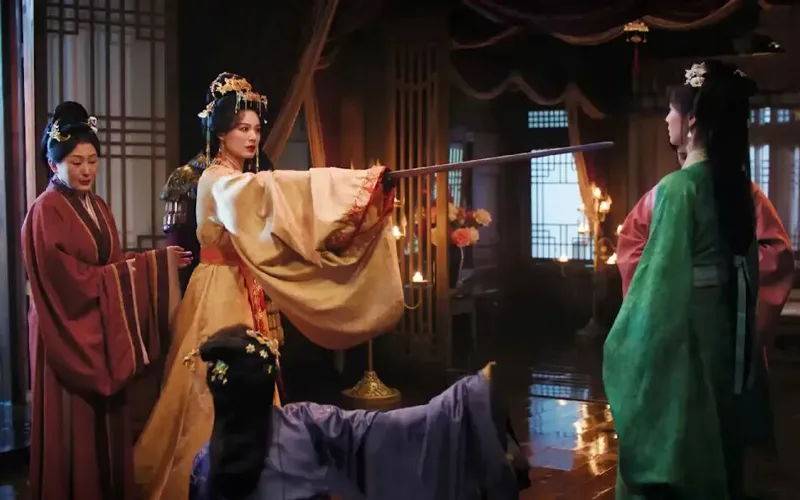
On the night Ming Tower burns, she turns the building into a verdict. Guards and servants die with Zhang Quan. Su and Wu Dingyuan (吴定缘) walk into the fire. Later, no bones are found. Zhu Zhanji writes eight words: close the case, stop searching. That order is a door left unlocked. Su’s death releases her from her own name. The woman who wanted a blood debt leaves ash and a life nobody can file.
2. Empress Zhang – The Quiet Winner

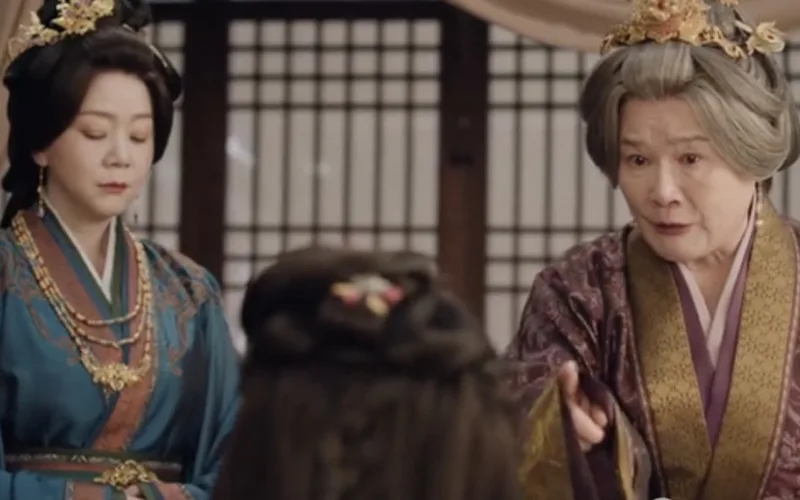
Empress Zhang does not run or shout. When the Hongxi Emperor is dying, she uses her seal without the required countersignature and gets word to Nanjing. When rebels claim Zhu Zhanji is dead, she stalls. Delay becomes armor. She keeps the court from tipping into Zhu Gaoxu’s (朱高煦) hands. Her power is procedural, patient, and placed where a nervous court must look.
Her record is not clean. She knows about the burial system and lets it stand. Zhang Quan handles Wang Jingshu’s palace entry; Empress Zhang accepts the arrangement. She never lights the fire or ties the cord. She simply sits above the machinery. That distance is the point. The system needs people who look away, sign, and wait.
After the fire, Zhang Quan is dead, Su and Wu are missing, and Empress Zhang is untouched. Zhu Zhanji takes the throne. The burial practice continues. She becomes empress dowager and outlasts the storm. Calling her the winner is accurate, but cold. She wins because the board was built beneath her feet. The fire lights other women’s choices; it only warms her chair.
3. Zuo Yehe (昨叶何) – Guardian Turn
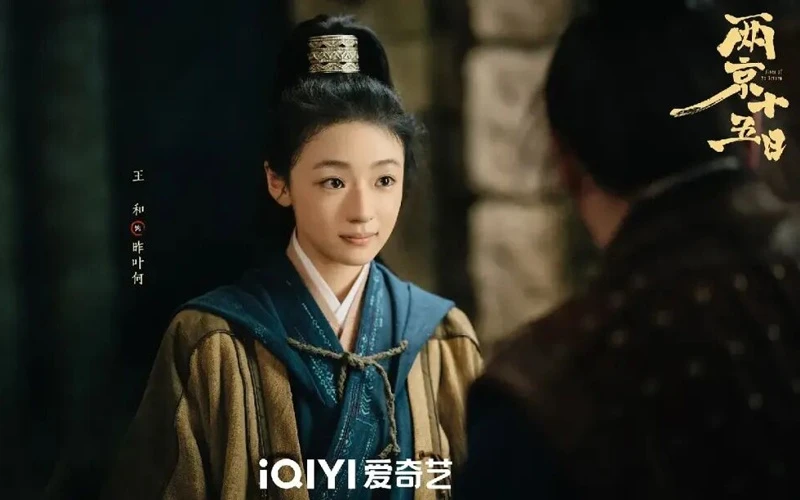
Zuo Yehe first appears as a strategist for the Iron League, snacking while arranging ambushes. Hunger shaped her. Tang Sai’er (唐赛儿) saved her during famine, and the White Lotus Sect gave her a place. She hunts Zhu Zhanji’s group and lands heavy blows. Then Wu Dingyuan’s hidden parentage becomes useful to Tang, who names him a leader. Zuo’s target becomes an asset. She keeps one question: who keeps ordinary followers alive?
She sees Zhu Gaoxu spending her people as disposable pieces. That settles it. She stops chasing Wu and starts protecting him. Twice she saves his life. The switch looks sudden only if you ignore her history. She has no romance for banners. A banner must gather people, feed them, and keep them from being crushed. Wu can be that banner. Her loyalty is to survival, not bloodline.
After Ming Tower burns, no bodies appear. The likeliest hands pulling Su and Wu from the smoke belong to Zuo and the league’s remnants. Many expect her to take the top seat. She does not. She stays a guardian, watching a temple and the people she chose. It is the softest ending here, and maybe the most practical. She ends fed, useful, and needed. For a child of famine, that is not a small win.
4. Wu Yulu (吴玉露) – Prayer Prison
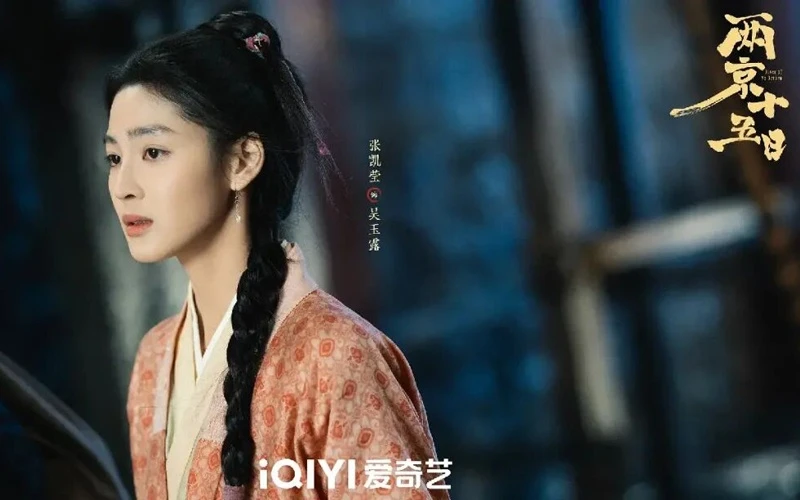
Wu Yulu has no plan for the throne or revenge. She is a constable’s daughter, Wu Dingyuan’s nominal sister, a girl who does chores and waits for the men. The Iron League grabs her to pressure her father. At the White Robe Nunnery, Tang Sai’er fills her head with faith and belonging. The girl who was nobody becomes a believer. That is not rescue. It is capture with incense.
When Tang Sai’er is hit by an arrow, Wu Yulu prays. Prayer does not fix the wound. Zuo Yehe puts a dagger in the girl’s hand and calls it a final duty. Wu has never killed a chicken. She cries, shakes, and still drives the blade in. The scene is not a triumph. It is a door closing. Afterward, she refuses Wu Dingyuan’s help and stays with Tang’s body, chanting as if repetition could rebuild the room.
Zhu Zhanji offers her a good marriage. She refuses. The new emperor can open a gate, but he cannot bring back the world Tang Sai’er gave her. Wu Yulu remains at the White Robe Nunnery, stuck between a past she cannot rejoin and a future she cannot imagine. The fire outside does not reach her. Something else already burned her clean. Her ending is quiet, but it is not peace.