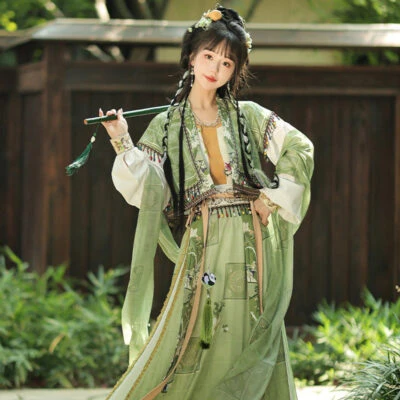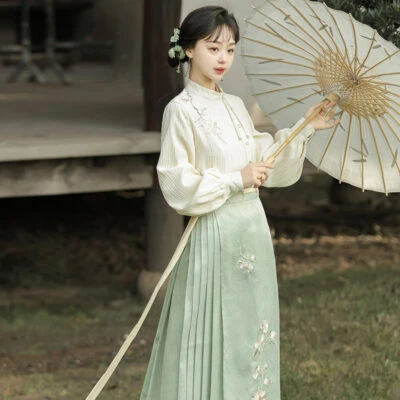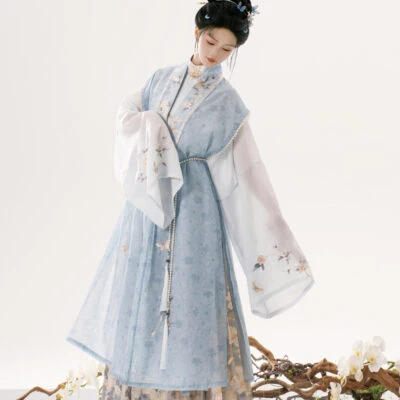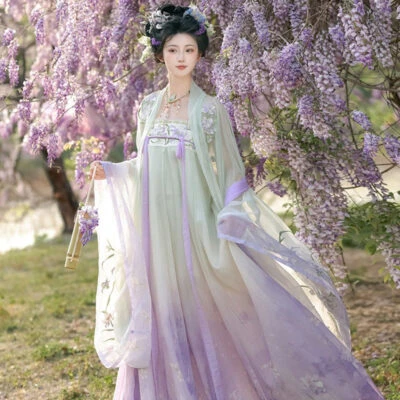
On the first day of the tenth lunar month, many Chinese families pause for a quiet duty. This year it falls on November 9. They think of ancestors, prepare warm clothes in paper form, and speak softly about people no longer at the table. The day is Winter Clothing Festival (寒衣节). It has no giant sales, no loud countdown, no candy-filled games. That may be why it slips past so many calendars. Yet its question is simple: when winter arrives, who do we still remember? The answer matters more than the smoke, and it can be given in a kitchen, a window, or a short phone call.
Quiet November Call
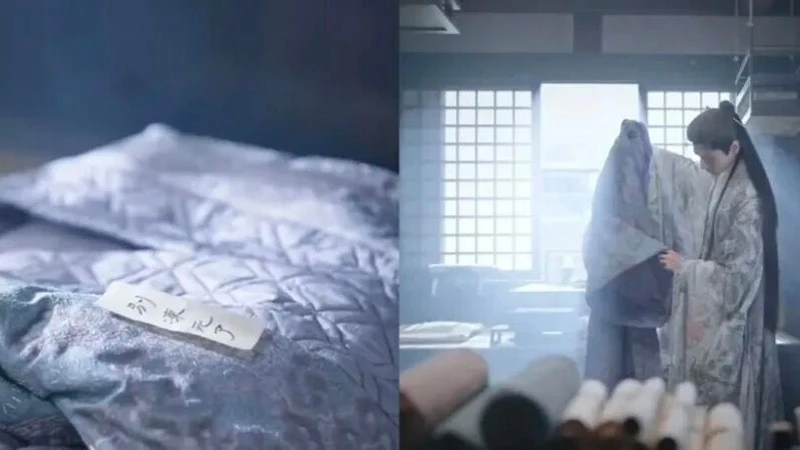
The custom reaches back to the Zhou Dynasty. Old farming wisdom said that after the seventh month the heat begins to leave, and by the ninth month families should prepare winter clothing. Rulers changed into heavier robes to announce the cold season. Women sewed for children and elders. Harvest gifts were offered to ancestors, with thanks for food and a wish for a safe winter. Some old calendars called it a day for giving clothes. Its logic was practical and tender: winter is coming, so let no one be forgotten in the cold.
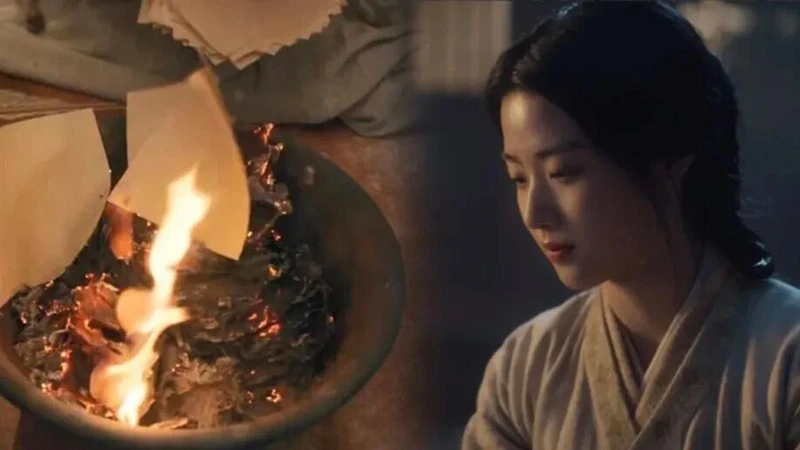
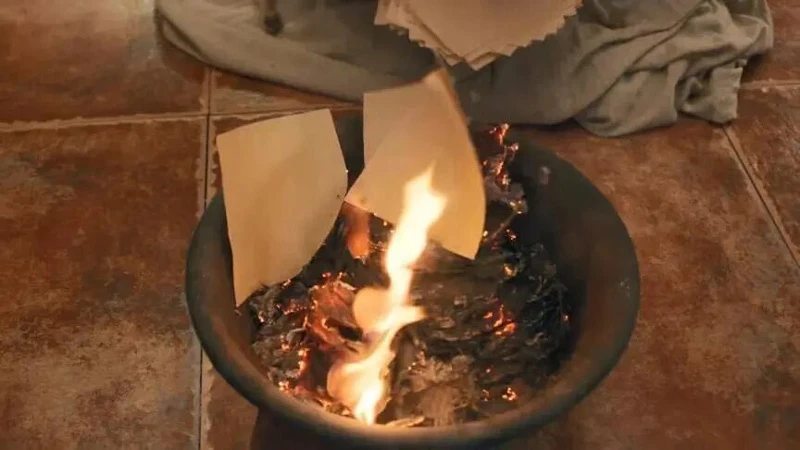
On the day itself, families burn paper garments, sometimes paper wrapped around cotton, a stand-in for quilts and padded coats. People hope the paper burns fully and cleanly. If a corner remains, they feel uneasy, as if a sleeve failed to arrive. That care is not empty theater. It is grief with hands. It is the living trying to send one more layer of warmth across a border no parcel can cross. The flame is brief; the wish is not, and neither is the name whispered beside it.
Quiet festivals lose easily to noisy ones. Cold Food Festival (寒食节) is often confused with a spring grave-visiting day. Flower Festival (花朝节) has no fixed date and is often reduced to marketing. Winter Clothing Festival sits in the same shadow. Still, a day can survive without fireworks. It needs only a few people who remember the date, tell the story, and keep a small lamp burning. Forgetfulness is not fate. It is a habit, and habits can be changed.
Paper Warmth
Sending winter clothes is a message in code. It says: the wind is sharp here, so I hope it is not sharp for you. It says: I do not want you to be cold or lonely. In Chinese families, affection often travels sideways. People may not say “I miss you” at dinner. They ask if you have eaten, if your coat is thick enough, if your room is warm. The paper coat carries that same language. It is awkward, practical, and deeply sincere.
This reserve does not mean distance. It means memory is kept in the body: in a certain dish, a repaired sleeve, a name spoken before a bowl is filled. Ancestors are not asked only for protection. They are told that the living still know where they came from. No matter where work takes us, or how far death stretches the room, the connection remains. Chinese feeling rarely shouts. It sits quietly in the chest, then shows up as action.
Today, not everyone wants to burn paper. Other choices can carry the same care. Put a warm yellow lamp on a windowsill and let it glow until bedtime; write a name and a wish beside it. Cook a dish an ancestor loved and set one extra bowl and pair of chopsticks. Add a winter coat to your own wardrobe and call an elder about theirs. These acts are small, but they turn memory into time. They make grief useful without making it loud.
Remember Without Smoke
The festival reminds us that speed is not the only clock. In a week full of deadlines, a single evening can be reserved for someone gone. No grand ceremony is required. A lamp, a meal, a name in a notebook, a short walk under cold air—any of these can hold a memory. The point is not to perform sadness. The point is to give remembrance a place to stand.
Forgetting rarely happens in one dramatic moment. It happens through a hundred unopened dates. A holiday disappears when no one cooks for it, no one tells its story, no one asks a child to remember. The reverse is also true. A holiday returns when one person lights a lamp, when one family sets an extra bowl, when one friend asks, “What is that day?” Small repeats are stronger than grand speeches. They keep a door open between then and now.
So the question returns: do you still remember Winter Clothing Festival? If yes, what would you say to the people you miss? You do not need a perfect answer. You can simply add a layer of warmth where you are. Wear the coat. Cook the meal. Say the name. Let the quiet date find you again. Winter is coming, and memory can be a kind of shelter.