Payday arrives. Your banking app refreshes, the balance jumps, and you relax. The number is virtual, yet it feels solid. Now imagine losing that app, the card, the ATM, even a paper passbook. You have a few copper coins and a small silver ingot. Where do you put them? Ancient Chinese households faced this exact puzzle, and their answers were stranger, smarter, and more practical than a modern wallet.
1. Bury It Deep
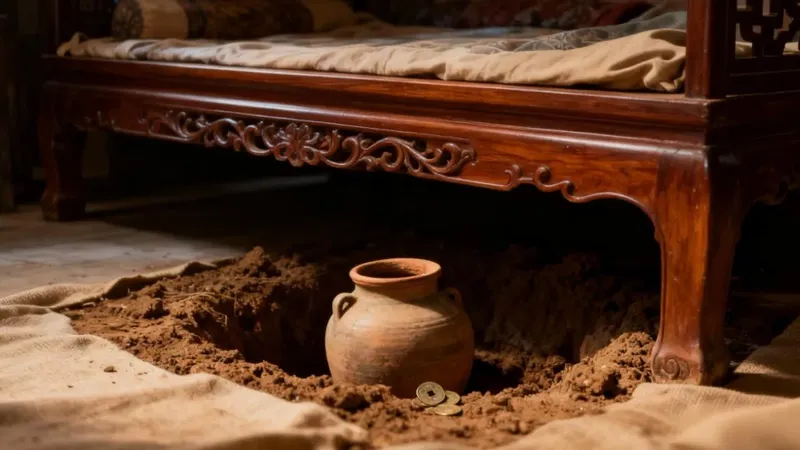
The simplest vault was dirt. A farmer wrapped coins in cloth, dug a hole near a wall or tree, dropped the bundle in, and stamped the soil flat. Wealthy families buried silver; ordinary families buried copper. The hiding spot had to be memorable. Forget it, and your savings became a permanent underground account with no service counter. Archaeologists still uncover such hoards: coins and ingots left by owners who fled wars, died suddenly, or simply never returned. The earth kept the secret for centuries, then handed it to a museum.
This method had obvious flaws. A thief with a shovel, a plow that hit metal, or a new house foundation could erase your fortune. Damp soil corroded coins. Buried cash earned nothing. It was storage, not growth. Still, it required no clerk, no fee, and no trust in a stranger. For many people, that was enough. The logic resembles hiding cash under a mattress today: crude, risky, but immediately understandable. Safety meant secrecy, and secrecy meant a map inside your head.
Some hoards were huge. War refugees sometimes buried jars of coins and hoped to come back. They rarely did. The result is a time capsule of daily life: which coins circulated, how people wrapped valuables, what they considered worth protecting. A hole in the ground was not elegant finance. It was survival logic, written in mud.
2. Smash the Piggy
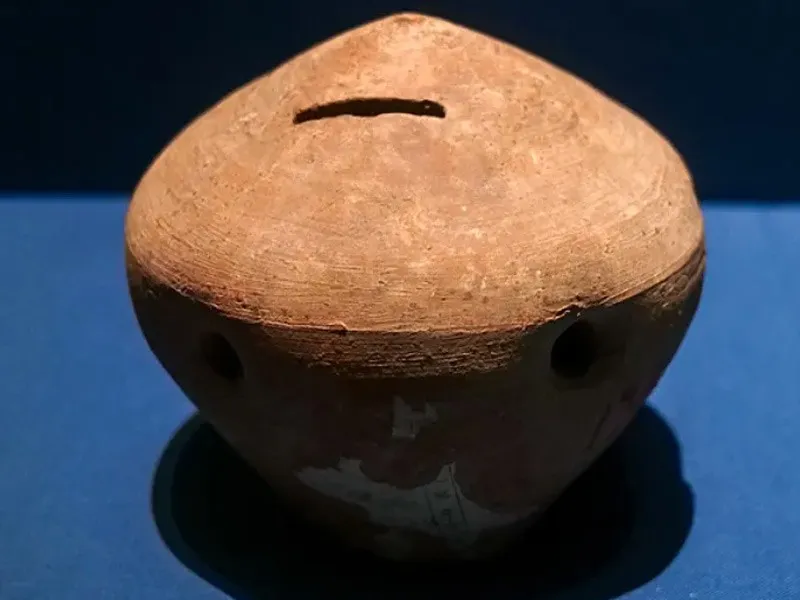
Clay jars from the Han Dynasty had a slit on top. You pushed coins through the slit. The jar swallowed them and refused to give them back. When it was full, you broke it with a hammer. The name Puman (扑满) captures that bargain: fill it, then smash it. The object was a piggy bank with a harsh exit policy. Its genius was physical commitment. You could not raid it at midnight for snacks or a new robe. Saving became a one-way door.
This blunt tool worked across society. An official might keep one on a desk; a farmer might hide one under a bed. No paperwork, no minimum deposit, no clerk. The jar enforced discipline better than a lecture from a parent. Modern fixed deposits use rules and penalties; the puman used clay. When the jar finally cracked, the owner got a small ceremony and a pile of coins. The broken pieces went out with the trash, but the habit stayed.
Puman also shows how ordinary objects carry financial ideas. A container can turn spending into waiting. A slit can turn a coin into a future purchase. No bank branch needed. The design is almost comically simple, yet it answers a timeless question: how do you protect savings from your own impulses? Sometimes the best lock is not a password. It is a jar that must be destroyed to open.
3. Trust Paper Slips
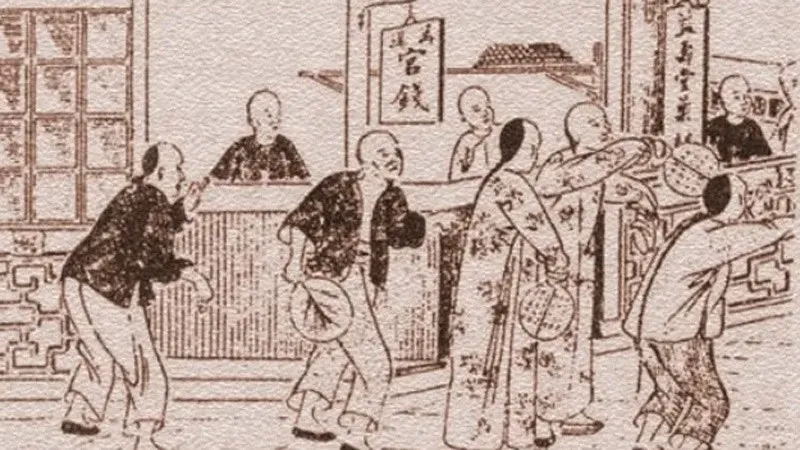
Bigger money needed bigger trust. During the Tang Dynasty, deposit shops called Guifang (柜坊) stored coins for customers and issued receipts. Bring the slip, collect your cash. The shop charged a fee and sometimes lent funds at higher interest, earning a spread. That looks familiar: deposits, withdrawals, loans. The guifang was not a modern bank, but it occupied the same mental space. A customer was trading direct control for a written claim and a locked strongroom.
During the Song Dynasty, commerce expanded and paper became more ambitious. Merchants in Sichuan created Jiaozi (交子), early paper notes tied to exchange. Carrying heavy coins across long roads was miserable and dangerous. A merchant could deposit metal, take paper, travel, and redeem it elsewhere. The paper itself was nearly worthless; the promise behind it was not. Later, Qianzhuang (钱庄) and Piaohao (票号) pushed the idea further. Shanxi draft banks built networks where a deposit in Beijing could be collected in Guangzhou.
Trust needed armor. Draft banks used secret codes, watermarks, handwriting checks, and split passwords. A forged slip could fail at several gates. The system was not instantaneous, but it moved value without moving metal. A traveler on the Silk Road might carry a folded note instead of a heavy chest. That paper required confidence in an institution, a name, and a network. Ancient finance was already selling something invisible: reliability.
4. Store Real Goods
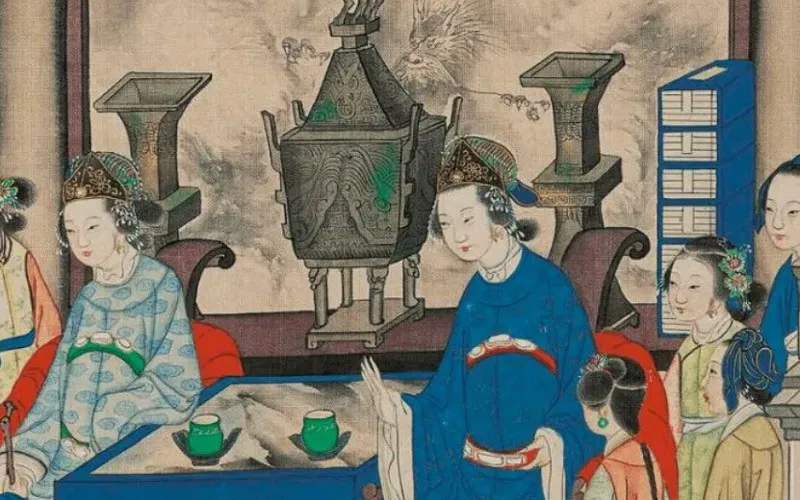
Coins could lose value. Grain rarely became useless. Ancient households therefore saved in goods: millet, cloth, silk, silver bowls, gold hairpins. A full granary was both savings and insurance. In a bad harvest, grain could feed a family or be sold at a high price. Cloth worked as money in some periods, so bolts of silk sat in storerooms like cash reserves. A painted scene from Dream of the Red Chamber hints at such storerooms. Wealthy families held metalware that could be melted or pawned in an emergency. Their balance sheet was visible, heavy, and edible.
This broader idea of savings explains why “bank card” is too narrow a lens. A card is a claim on purchasing power. Ancient people held claims too: a receipt from a guifang, a draft from a piaohao, a jar of coins, a sack of rice. Each answer solved the same problem: carry today’s security into tomorrow. The forms differed because the risks differed. Grain protected against famine; paper protected against distance; buried silver protected against theft, at least until the shovel found it.
So the next time your banking app shows a higher balance, picture a merchant centuries ago patting a folded draft inside his robe. He had no card, no signal, no password reset. He had a system of trust and a deep wish to keep what he earned. The tools changed. The instinct did not. Saving is never just about money. It is about making the future feel less fragile.