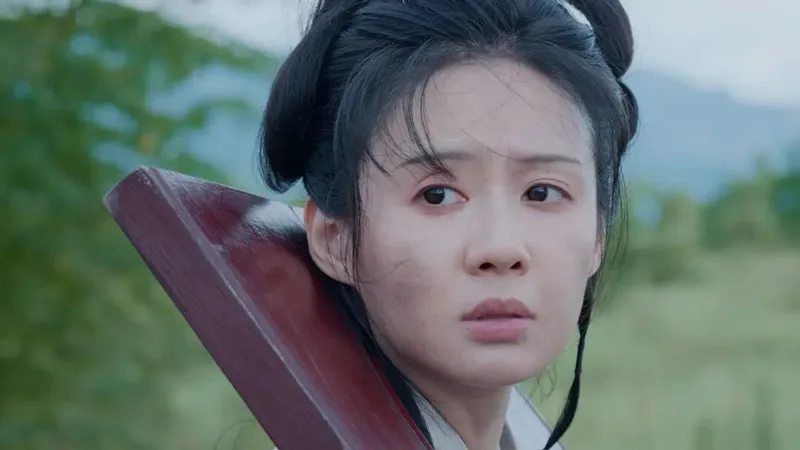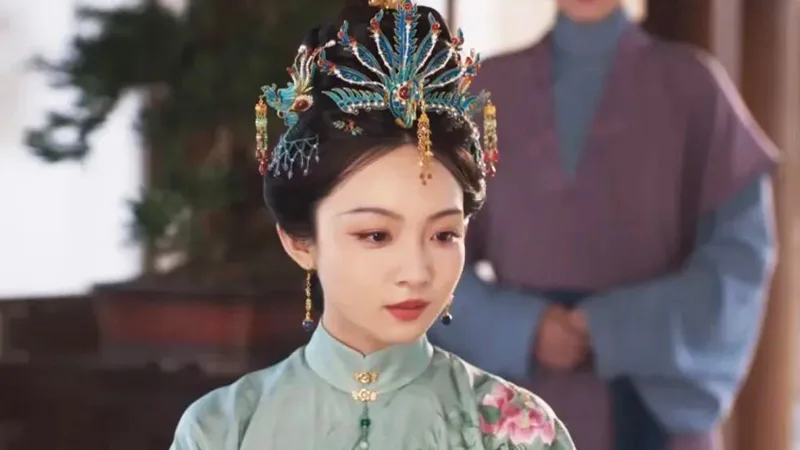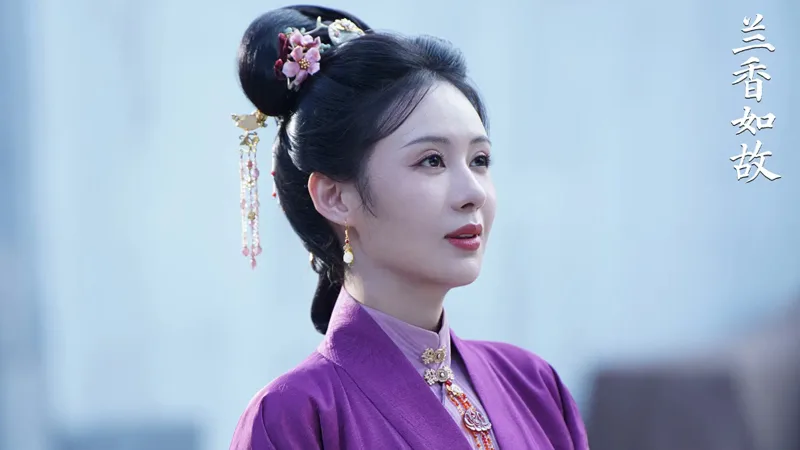
Against the Current (兰香如故) places two brilliant women inside a society that treats them as property, pawns, or threats. Xu Lanxiang (许兰香) and Du Cuique (杜翠雀) share humble origins, sharp minds, and knowledge of medicine and human nature. Neither has a powerful family to shield her. Both learn early that hunger, humiliation, and silence can shape a life. Yet their responses split like two roads after a storm. One digs down, preserving a private code. The other reaches out, grabbing whatever power she can. Their story is not a simple contest of good versus evil. It asks a harder question: when the cage is locked, what do you do with the key you cannot reach? The answer lives in daily choices, especially on the worst days.
Inward Roots
Xu was born Shen Jialan (沈嘉兰), a legitimate daughter of a prosperous house. Overnight, her family is destroyed. She survives as a third-class maid in Lin Manor. The fall could have turned her bitter. Instead, she hides her learning and watches. She studies paintings, laws, ledgers, and the small tells of people around her. Her aim is not revenge. It is survival, protection for her foster parents, and a conscience she refuses to sell. When trouble comes, she asks how to solve it, not whom to sacrifice. Even kneeling in snow, punished and mocked, she cries, then roots herself like wild grass. She accepts help, but she does not use people as tools. She competes, but she does not rob. That restraint is not weakness. It is a decision made again and again, when bitterness would be easier.
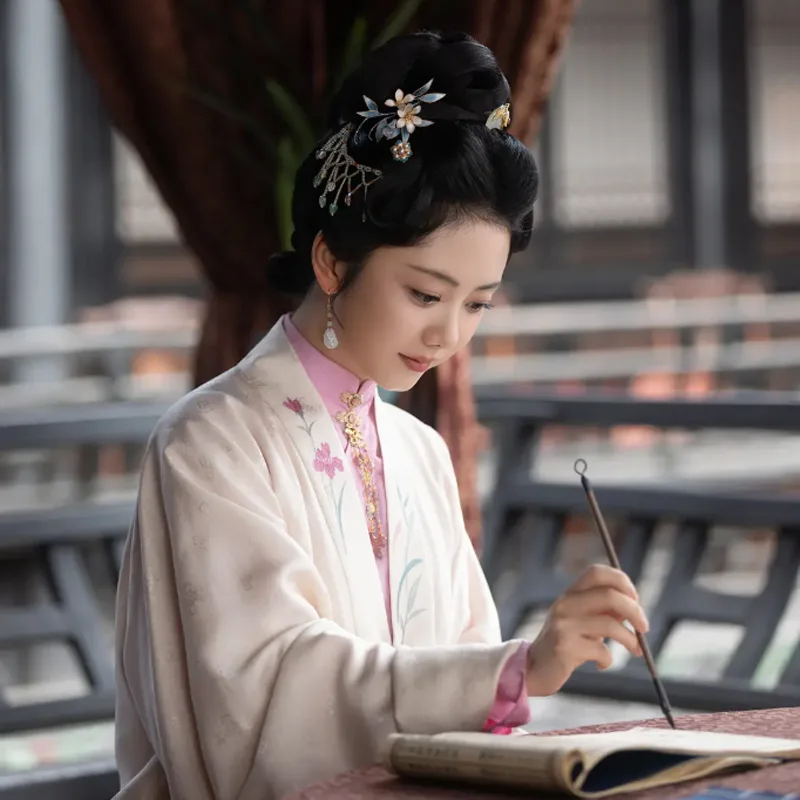
Her power grows slowly. In one crisis, she reads a hidden meaning in a painting. In another, she untangles a false account. Each victory is small, but each one proves she can stand without crushing someone else. She understands that influence can be borrowed without bloodshed. She earns favors, not through flattery, but through usefulness and nerve. When she finally gains enough merit, she buys freedom for her foster parents from slavery. Later, she becomes the mistress of Lin Manor. Yet she does not stop there. She writes The Shen Family Records (沈家记), preserving the truth of her lost family. Memory, for her, is not a weapon. It is a lamp. It guides her without burning down the people walking beside her.
What makes Xu different is not talent alone. Many people in the drama are clever. Her difference is direction. She aims her intelligence at repair. She refuses to let suffering define her relationships. She does not pretend the past is painless, but she will not let it poison every future. That choice costs her. Patience is slower than revenge. Rooting takes longer than raiding. Still, the life she builds has weight. It cannot be blown over by rumor or rank. She becomes dangerous in a quiet way: not because she destroys rivals, but because she cannot be bought, broken, or made to hate the wrong person.
Outward Hunger
Du enters the same manor under a debt of gratitude. Her brother once saved a Lin family member. She is a military household daughter, clever and exact. Safety is possible. She could live modestly, even peacefully. But she decides that a woman without status must climb by clinging to power. Other people become stairs. At the Spring Welcome Banquet, she designs a larkspur-flower hair ornament, spreads rumors, and tries to force a marriage into the Lin house. The scheme fails because Xu calmly pulls it apart. Instead of learning from the failure, Du treats it as proof that the world only respects force. From that moment, her intelligence stops being a gift. It becomes a blade she sharpens for anyone who stands in her way.
Humiliation does not teach Du. It hardens her. She poisons the household and manufactures a plague, risking the old, the weak, and the innocent. All to clear a path. Her brother dies to protect her, but his sacrifice cannot stop her ambition. During exile, she slips away. Later, she joins sea pirates and fuels chaos, chasing a throne built from corpses. She tells herself that the world has limited resources, so every gain must be taken from someone else. Winning becomes her only answer to pain. But a victory built on poison, betrayal, and borrowed force is never stable. The higher she climbs, the more fear she carries.
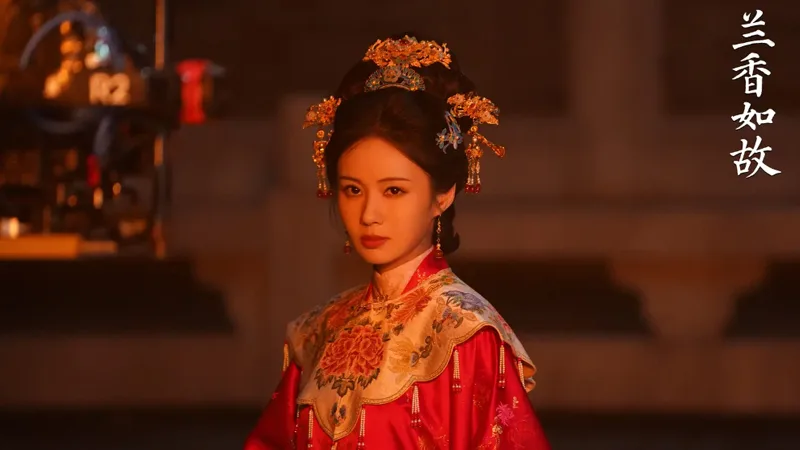
Du’s tragedy is not low birth. It is her interpretation of low birth. She turns every wound into a reason to dominate. When she looks at Xu, she sees a mirror she cannot bear. Xu began nearby, perhaps even lower, yet she refused to climb over bodies. That contrast stings more than any insult. If Xu can stand without corruption, then Du’s cruelty was never fate. It was a choice. This is why she hates Xu so intensely. The other woman does not simply threaten her plans. She exposes the lie that survival requires predation. Du wants to be proof that only wolves win. Xu quietly becomes proof of something else.
The drama’s real warning reaches beyond its historical setting. Many women today live inside invisible cages: money pressure, family duty, public judgment, workplace bias. Hard days can push anyone toward two moods. One says, “I will become stronger inside.” The other says, “I will take what I am owed.” The first path is slow and often lonely. The second looks fast, but it plants mines under every step. Xu and Du do not offer a fairy tale. They offer a mirror. Our starting point is not chosen for us. Our response is. Suffering alone builds nothing. The belief we bring to suffering builds a life. Roots may ache, but they hold. Hunger may roar, but it never rests.