The third chrysanthemum show at Kongwang Hill in Lianyungang opened on October 17 and runs to November 15, combining flower displays with performances, craft challenges and an evening light programme. Nearly 400 varieties and more than 20,000 pots are set out along the hill paths and around the site’s carved stones.
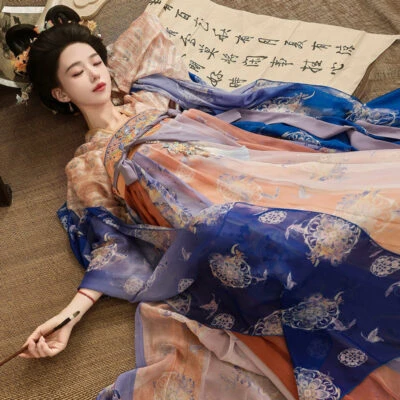
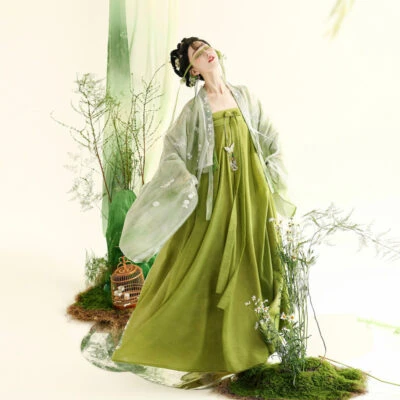
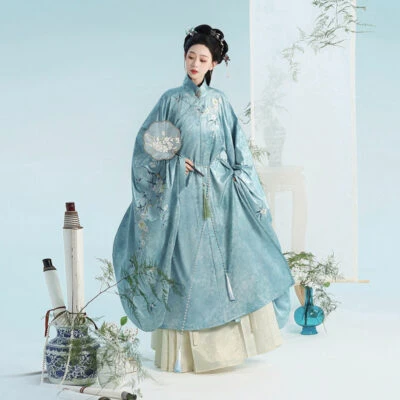
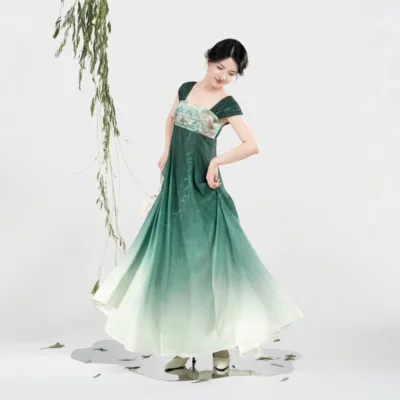
Weekend crowds arrived early, and among them were Hanfu wearers moving along the same paths as the flower beds. Liu, visiting with her family, said the combination worked: chrysanthemums across the slope, the cliff carvings behind them, and a light show after dark, enough to fill a day.
Six Arts, Set Up as Obstacles
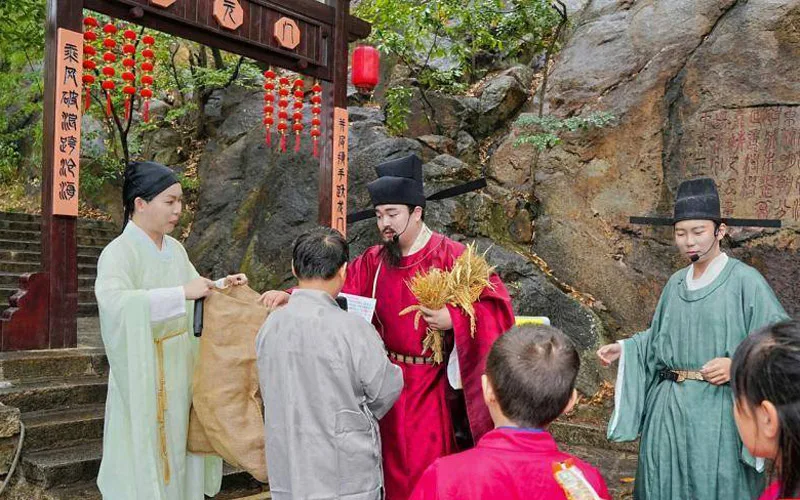
Programming borrows a classical list and turns it into tasks. Visitors take on challenges such as identifying a sound, striking a gong for a prize and tracing characters carved in the rock, collecting coin-shaped tokens called “Brother Square-Hole” as they go. The tokens are exchanged for gifts at a pavilion. The design intent is plain enough: ritual, music, archery, charioteering, writing and arithmetic are turned into things a visitor has to do with their hands rather than read on a panel.
At Longdong square a staged play, “Farewell at Yellow Blossom, Autumn Fragrance”, draws on the Ming official Wang Tong leaving his post at Haizhou and inscribing a poem in the Dragon Cave. Performance, period music and audience recitation carry the line about moonlight on the cave and yellow blossom filling the autumn air. A winding-water tea seat beside it serves chrysanthemum tea without charge, and visitors sit by the channel with a cup.
A market on the north lawn aims at every age. The scenic area brought in a hospital of traditional Chinese medicine for consultations, baduanjin instruction, herbal displays and health teas; retro games and a “Confucius says” quiz rotate through the afternoon; and a magistrate’s garden banquet and the Wangshan market trade chrysanthemum pastries, light meals, heritage crafts and local design goods.
A Hanfu Contest With an Online Round
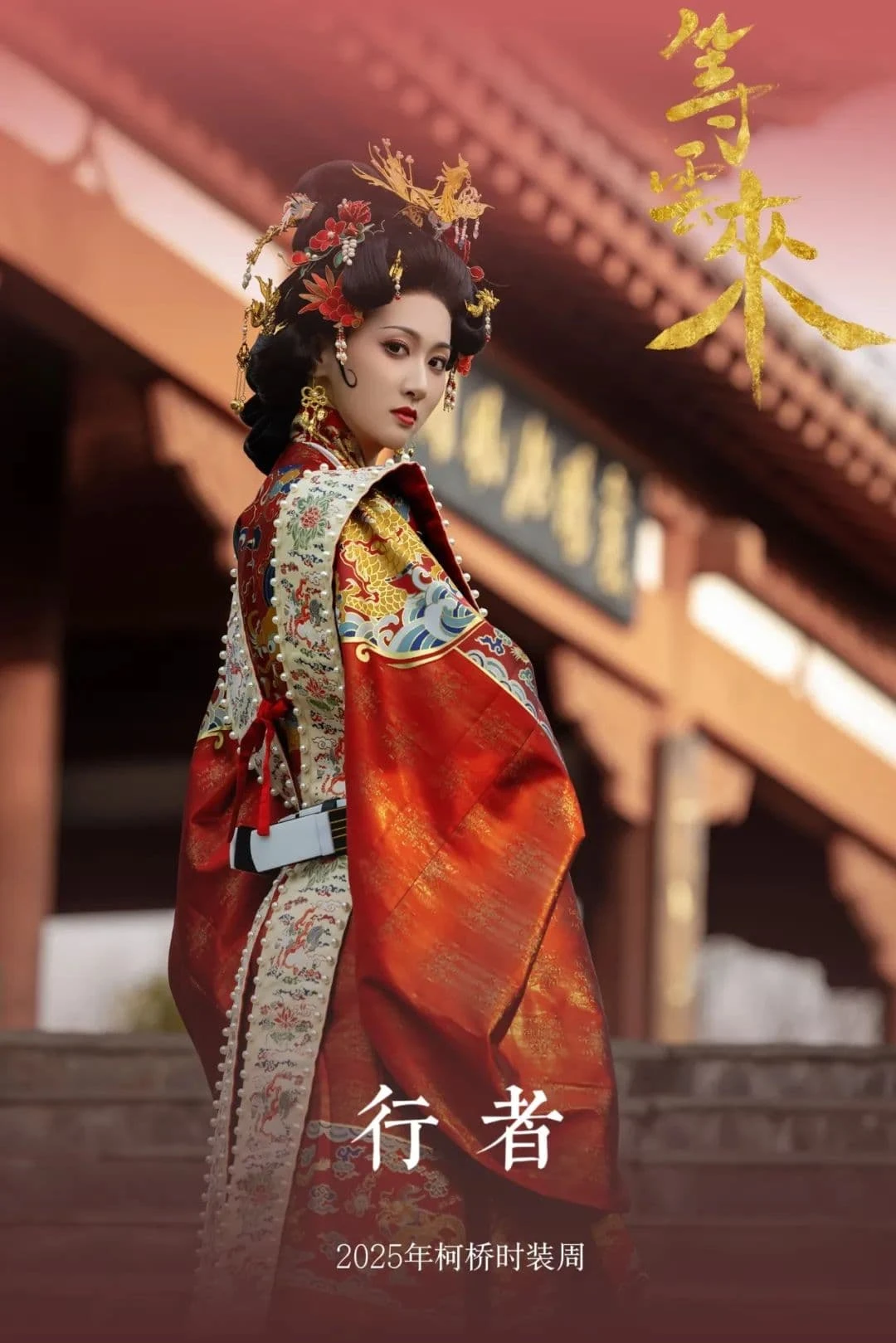
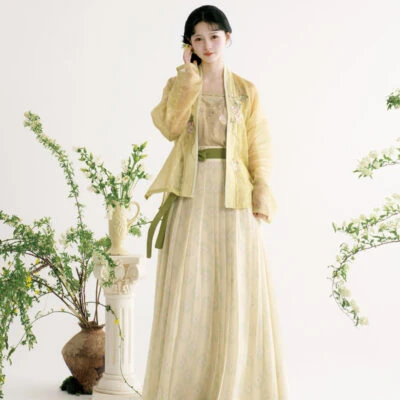
The Hanfu contest is the part of the programme closest to dress. It runs in two stages, an online preliminary and an on-site final, and on opening day Hanfu wearers paraded the whole hill, stopping for photographs with visitors.
What is worth noticing is how Hanfu is used here. It is not stage costume but the outfit people walk the site in. The paths, the stone steps below the carvings and the paving at Longdong square are the actual ground being walked and photographed, and chrysanthemums hold their colour for weeks in dense layers, which pairs naturally with the patterns and palette of woven cloth. A scenic area supplies a backdrop and a story, and dress supplies participation and dwell time.
Evening programming follows the same logic. A hill-wind concert and guofeng dance run in sequence, light projections play across the Dragon Cave inscriptions and the cliff figures, and a hilltop cafe keeps a folk singer on stage, so the day runs from flower viewing into performance and music. Weekends add a character-based quest, Hanfu promenades and a book-for-vegetables exchange.
The Rock Carvings Under the Flowers
Kongwang Hill takes its name from a tradition that Confucius climbed it to look at the sea. What the hill actually holds is a group of Eastern Han cliff-carved Buddhist figures, widely treated as one of China’s earlier sets of such carvings, together with the Dragon Cave inscriptions and later stone texts that make up Haizhou’s documentary layer in physical form. The flower show lays its main route along the paths around those stones, which is why the programme keeps returning to the phrase “textual experience”.
Choosing Wang Tong for the play follows the same reasoning. His poem is attached to a specific rock on this hill, and a carving is a piece of evidence that can be pointed at, while a performance is a version that can be watched. Put together, a line of verse gets off the page and back onto the slope where it was cut.
For anyone planning a visit, the practical details are straightforward. The site is Kongwang Hill in Haizhou District, Lianyungang, open daily to November 15. Daytime is for flowers, carvings and the craft challenges; late afternoon brings the play and the tea seat; after dark the projections and the concert take over. Weekends add the quest and the Hanfu promenade, and anyone entering the contest has to clear the online round first.