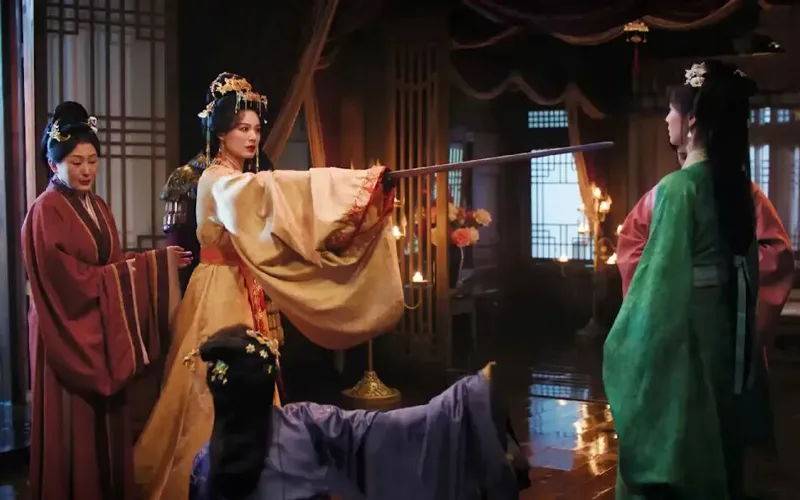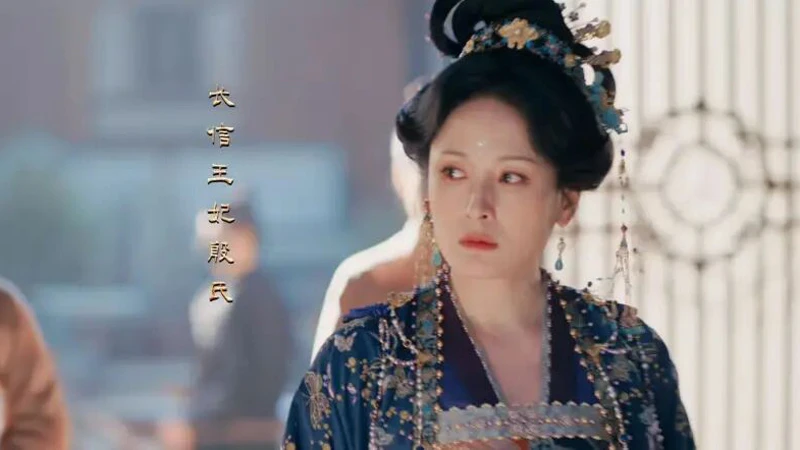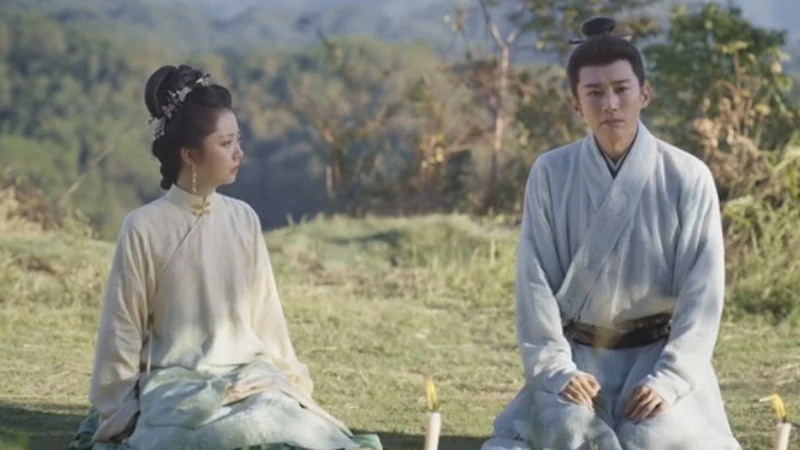
In Where the Mask Ends (嫁金钗), a noble wedding becomes a trap. Wei Rao (魏娆) is promised to Lu Zhuo (陆濯), a young lord who rides home from war more dead than alive. The palace orders a rush marriage to change his luck. She fears widowhood, so she finds A Chou (阿丑), a night-soil girl with a matching face, and sends her into the Lu Mansion as a substitute. The wedding night shocks everyone: he wakes. His body recovers fast. When the couple returns for a family visit, Wei Rao tries to burn A Chou and take back the title. Grandma Wei stops the fire and keeps the substitute in place. Why would an elder protect a stranger over her own blood? The answer is not soft. It is a hard deal with fear, usefulness, and control, played out in one rich house where every servant hears too much.
The Threat Is Real
A Chou gives Grandma Wei a sharp warning. She says a handkerchief carrying the swap’s truth lies beside Lu Zhuo’s pillow. If she dies, the Lu family will read it. The marriage came with an imperial order; hiding a fake bride means cheating the court. That is not gossip. It can drag the Wei house into disgrace, strip its rank, and put every branch at risk. Grandma Wei may rule a large household, but she cannot gamble with the lives of servants, sons, and cousins. Saving A Chou is the cheapest way to bury the secret. The threat works because it turns a private crime into a public weapon. Still, fear alone cannot explain why the old woman does not simply lock A Chou away and silence her later. She needs the girl alive, but she also needs to know whether the girl can think.
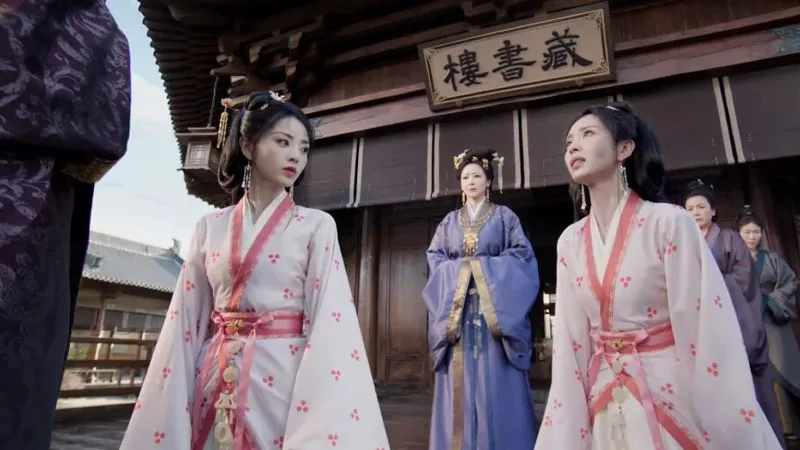
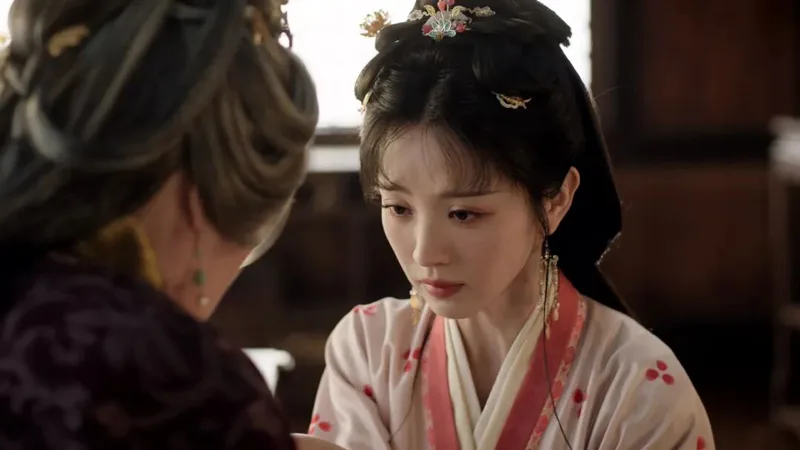
The second reason sits in the women themselves. Wei Rao is loud, cruel, and quick to spend other people’s safety. A Chou is calm. When she explains how she protected herself, she shows she can read danger, buy time, and keep a secret. Grandma Wei sees a girl who can survive a hostile house. A noble bride does not just wear silk and smile. She manages servants, elders, money, and reputation. One careless word can turn a wedding into a feud. Wei Rao treats the Lu house as a stage for her temper. A Chou treats it as a field of threats. The old woman is choosing a manager, not a favorite. In her eyes, blood is a fact, but competence is a tool. A tool that breaks is worse than one borrowed.
Wei Rao’s fire makes the choice easier. She nearly turns a quiet swap into a public scandal. To reclaim a title, she risks the whole clan. That is not courage; it is appetite without brakes. Grandma Wei can no longer pretend her granddaughter is merely spoiled. The girl has become a liability. A Chou, by contrast, has already proved that she can hold two families together under pressure. She is not noble by birth, but she is useful in the only way that matters to a clan elder: she can keep the roof from falling. The rescue is cold arithmetic, not sudden affection. It also warns the rest of the house that recklessness has a price. Grandma Wei pays that price with a borrowed bride.
Who Really Rules?
The third reason is authority. The swap was arranged by Wei Rao’s aunt and known by her mother. Grandma Wei was kept outside the room. In a large clan, secrets are power, and this secret made her look blind. If she lets Wei Rao win after such a trick, every younger member learns that the old woman can be bypassed. Next time, the gamble may be worse. Punishing the plot protects her voice in the house. Saving A Chou also gives her a witness and a debt. The girl owes her life to Grandma Wei, so the girl will listen. The old woman is not only judging a bride; she is repairing the chain of command. A house that ignores its elder is already cracking.
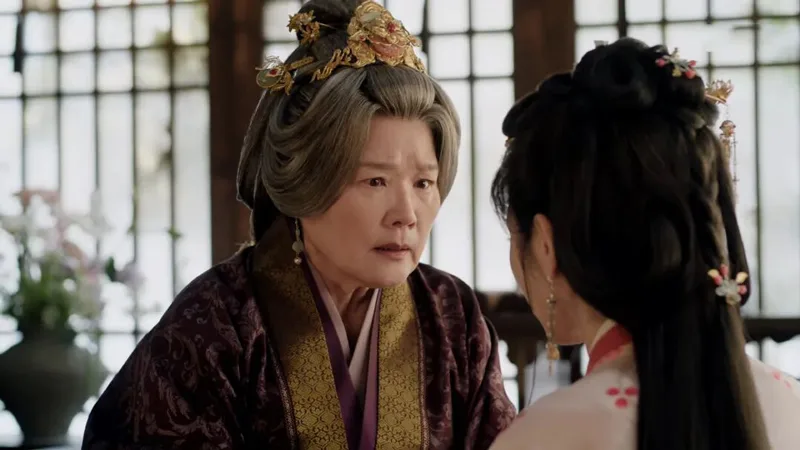
There is also a flicker of conscience. Grandma Wei may be severe, but she does not want a girl burned alive to hide a lie. Unlike Wei Rao, she can see the cost of a corpse. Still, mercy is not the main dish. She uses the rescue to scold recklessness, shield the Wei name, and keep her hand on the family’s reins. Her choice is neither pure kindness nor pure cruelty. It is the decision of someone who has spent years weighing people by what they can hold. A Chou can hold a secret. Wei Rao can only hold a grudge. The old woman saves the first and teaches the second a lesson she may never learn.
The show quietly compares this with The Story of Minglan (知否). A truly loved girl is taught judgment, patience, and limits. Wei Rao was indulged until appetite became her guide. Grandma Wei’s rescue of A Chou exposes a sad truth: she values the Wei future more than the granddaughter she helped spoil. Viewers can debate whether fear, ability, or authority moved her most. The answer likely includes all three. A Chou lives because she is useful, because exposure is deadly, and because Grandma Wei refuses to lose the room. The fire fails, but the old order survives. That is the uneasy prize. It is also a warning: in this family, love is not enough unless it can keep the gate shut.