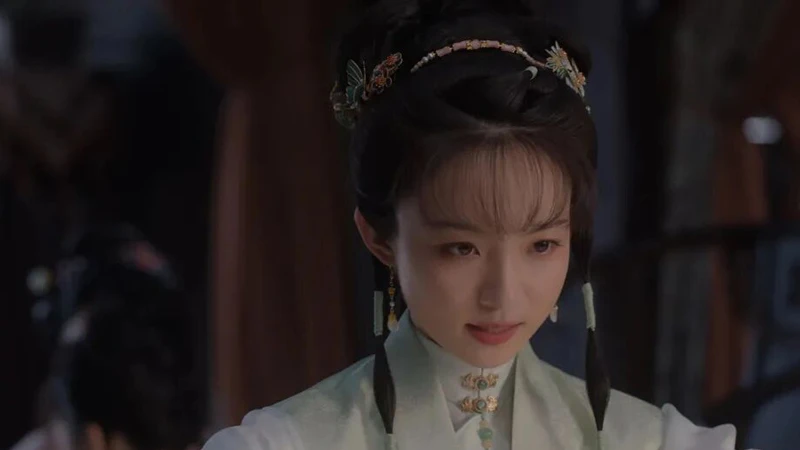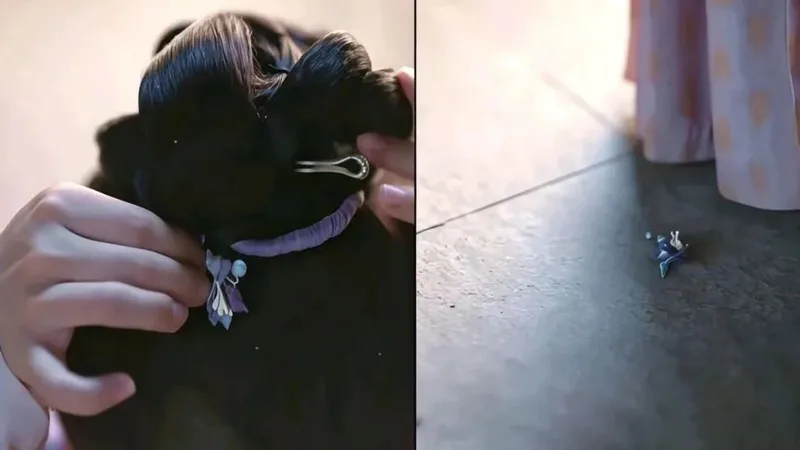
A dropped hairpin can speak louder than a speech. In Against the Current (兰香如故), Xu Lanxiang (许兰香) lets a small floral ornament fall in front of her grandmother. She says nothing. The old woman understands at once: be careful of Du Cuique (杜翠雀). That tiny object is not a pretty extra. It is a warning, a rank marker, and a script. In Tang and Song customs, hair flowers followed strict rules. Men, matriarchs, unmarried daughters, and personal maids each wore different shapes, colors, and sizes. On one head, a flower can show power, youth, obedience, or ambition.
1. Men’s Honor
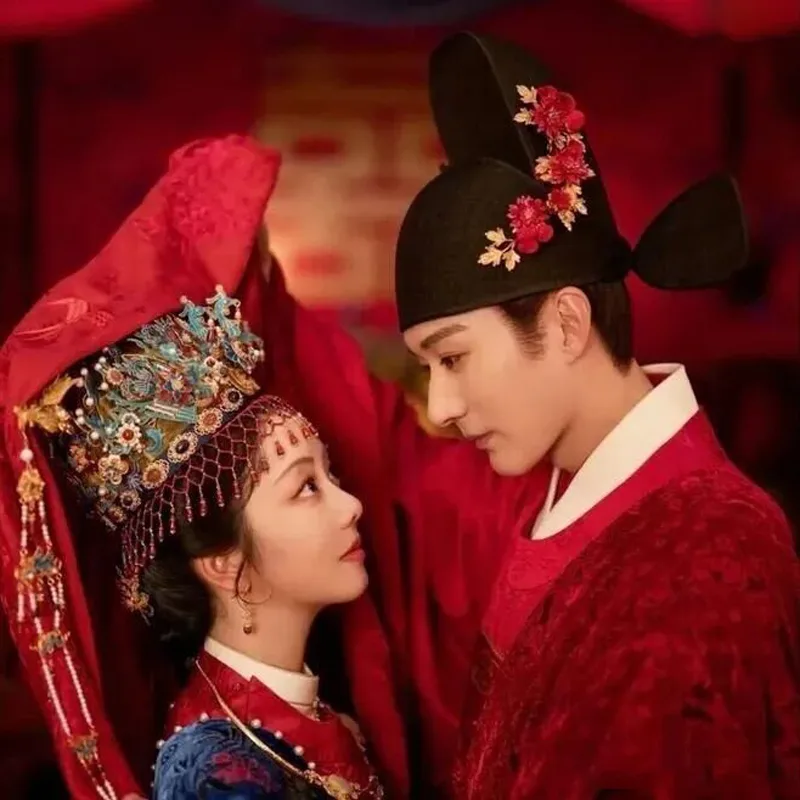
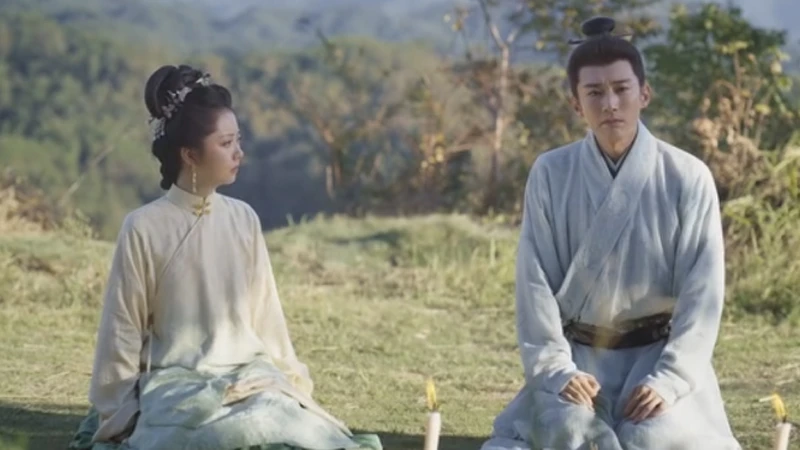
Male characters with flowers may surprise modern viewers. In Tang and Song times, however, a man’s hair flower was not about looking soft or pretty. It marked ceremony, status, and achievement. Only a few moments allowed it: passing the imperial exam, attending a palace banquet, or celebrating a wedding. The ornament stayed small, plain, and controlled. It had no swinging tassels, no bright peony, no delicate charm. A modest bloom on a scholar’s cap said he had a future, a name, and a duty.
That rule explains why the men in Against the Current never wear flowers casually. A flower on a man is a public statement. It tells other people that he has entered official life or that his family has reached a proud moment. The color is restrained. The material is simple. The shape is neat. Nothing invites a second glance, yet everyone who knows the code reads it instantly. It is less decoration than a badge.
For a man, the pin carries no romance. It carries reputation. He may wear it for one day, but its meaning follows him much longer. In the drama, these small ornaments quietly tie male ambition to family honor. A flower can celebrate success, but it can also remind a man that rank must be carried with restraint. That is the first layer of the show’s hair language.
2. Mistress’s Poise
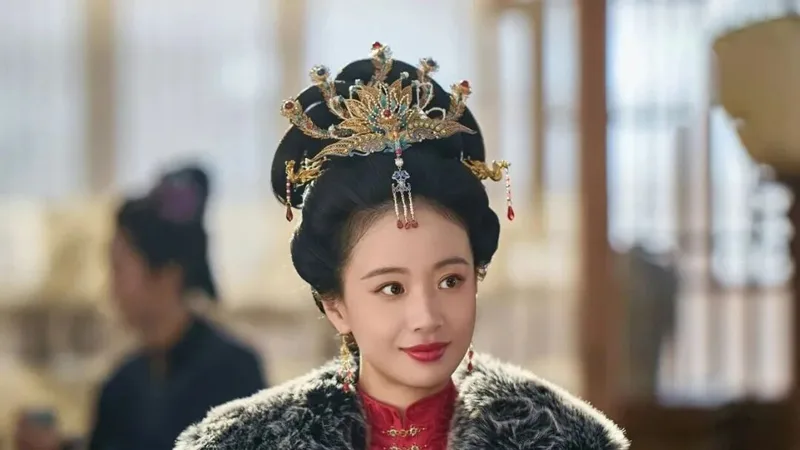
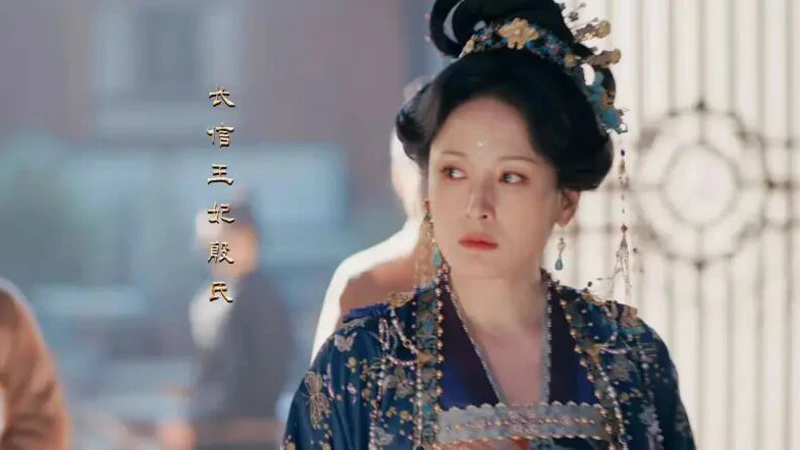
The grandmother and other married mistresses wear the most grounded ornaments in the household. Their floral pins are larger, simpler, and heavier in tone. They often use jadeite or plain gold. Tiny scattered flowers, flowing tassels, and candy-bright colors are avoided. A married woman who manages an estate must appear calm, not playful. Her hair flower does not chase fashion. It establishes order. When she enters a room, the ornament should make people lower their voices, not gasp at its beauty.
These women wear their pins high on structured buns. The shape is clean. The color is deep. The message is firm. A mistress speaks for the family budget, the marriage plans, the servants, and the family name. Her hair flower says she can hold all of it without panic. It is not there to flatter her face. It is there to remind everyone that the house has a center.
This is why the dropped pin in Against the Current works so well. Xu Lanxiang does not need to accuse anyone. She only lets the object fall where the grandmother can see it. The older woman knows the grammar of hair ornaments. She reads the absence, the placement, the timing. A mistress’s own severe pin gives her the authority to act. The small flower becomes a quiet weapon.
3. Maiden’s Bloom
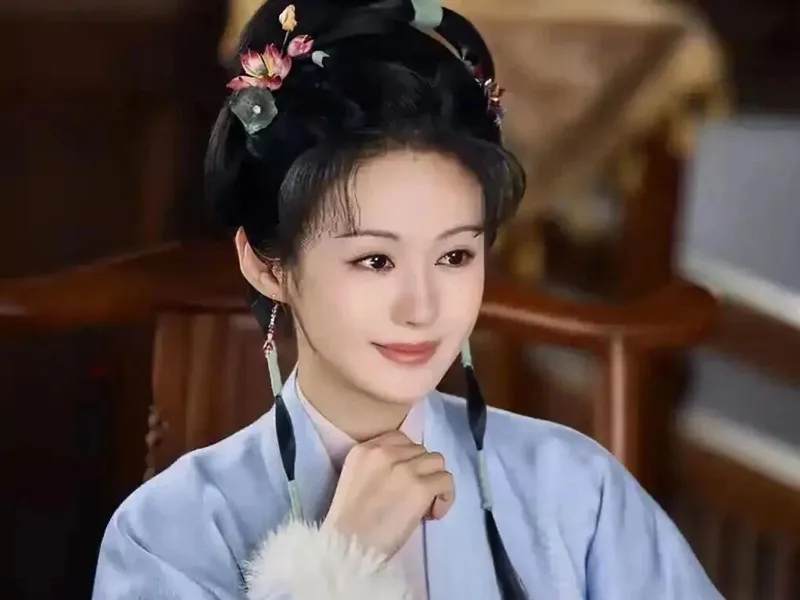
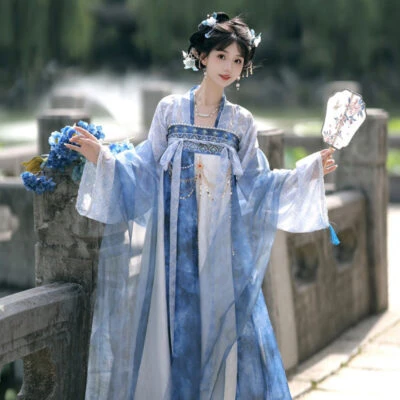
Unmarried daughters have the most varied and beautiful hair flowers. Du Cuique and her peers wear soft, bright colors, full petals, and light layers. Their pins may hold two blossoms at different angles. They may have thin tassels or small dangling beads. The effect is lively but still controlled. These girls are not running the household, so they can show more emotion. Their ornaments speak of youth, courtship, and hope.
In old custom, a flower often stood for the young woman herself. A fresh bloom, a half-open bud, a petal turned by wind: each could hint at feeling. A maiden’s hair flower was allowed to be charming because her future was still open. She had not yet become a wife, a mother, or a manager of servants. She could be lovely without being powerful. She could be watched without being fully judged.
Yet the show does not treat these pins as innocent decoration. A color can signal confidence. A missing flower can signal worry. A new style can signal a secret. Her choices are never random. Her hair flowers make her look delicate, but they also reveal a mind that wants more. In this way, the ornament becomes a small stage for her desires.
4. Servant’s Restraint
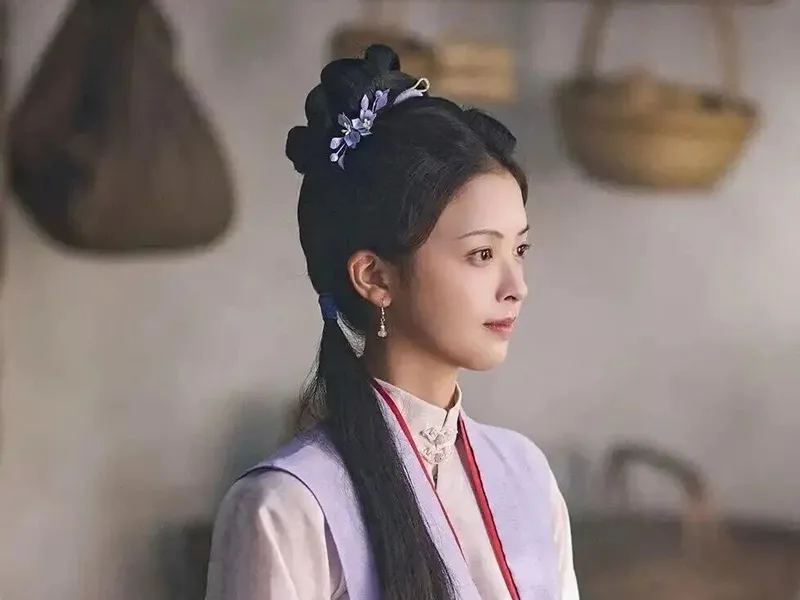
Personal maids follow the strictest rule of all. Their floral pins must be tiny, pale, and plain. Most are single-petal flowers in white or light colors. They cannot use gold, tassels, pearls, or complex craft. The old principle is blunt: a servant must not outshine a master. A maid’s job is to be clean and proper, not elegant. If her hair flower becomes noticeable, she has already crossed a line.
When Xu Lanxiang lives as a maid, her small pale flower is exactly right. It does not compete with the young ladies. It does not challenge the mistresses. It shows that she understands the household and her place inside it. The pin is modest, but it is not meaningless. It protects her. It lets her move through rooms without attracting the wrong attention. In a strict house, invisibility can be a skill.
One flower, one rank. One pin, one world. Men wear honor. Mistresses wear poise. Maidens wear youth. Maids wear rules. Against the Current turns these tiny objects into clues, shields, and warnings. The beauty is not only in the flower. It is in the precise way each person wears it. That is the quiet power of Chinese hair ornament: a small bloom can carry a whole order, and a single fall can change a story.