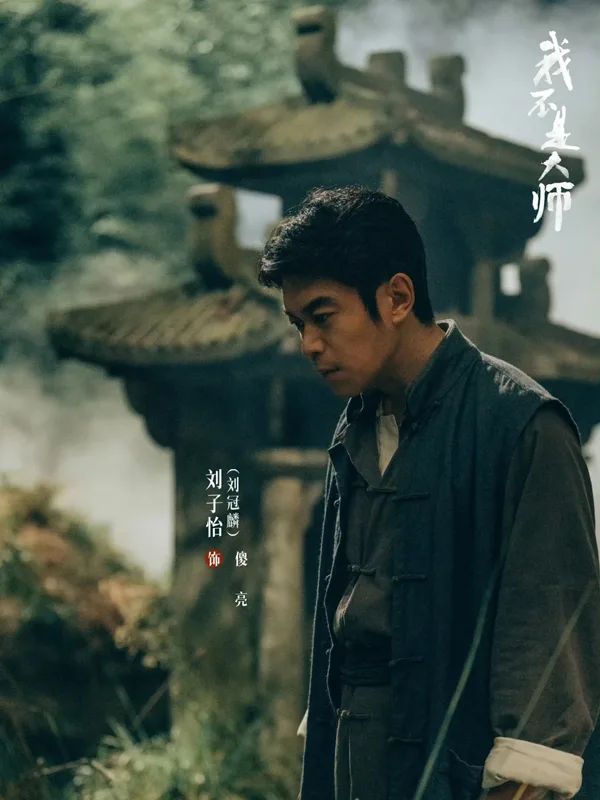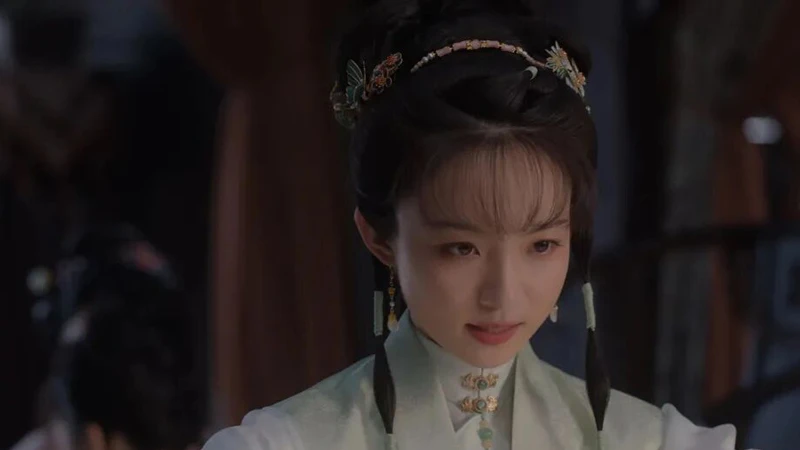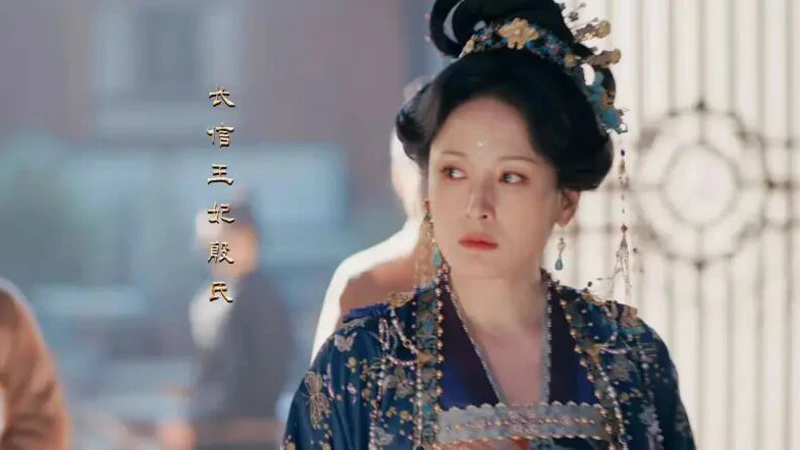
The most unsettling trick in A Prophet (我不是大师) is not a ghost, a curse, or a sudden murder. It is Tianxiang Sect (天相派), a wandering outfit that hides behind fortune-telling and feng shui while picking pockets, breaking families, and swallowing lives. In Republican-era China, such groups were not pure fantasy. People consulted diviners, believed in spirits, and trusted omens. Scammers learned to turn that trust into a business. They did not work alone. They worked like a trained crew, with watchers, actors, planners, and cleaners. That is why the sect feels less like a plot device and more like a trap you could step into on any old street.
A Real Machine
What makes Tianxiang Sect land so hard? It feels real. Its members are not wild-eyed villains shouting threats. They gather facts first. Someone studies the target’s habits, debts, fears, family, and friends. Someone else plays a friendly stranger, a worried neighbor, or a helpful official. Another group builds the scene: a fake temple, a lucky coin, a warning from a dead ancestor, a crisis that only the sect can solve. Then comes the quiet part. Once the mark is hooked, others arrive to collect money, property, and silence. The whole thing runs like a machine with many hands. No single person has to be brilliant. The system does the work.
That system is why escape is so hard. A lone cheat can be doubted. A whole organization is harder to see. When Shangguan Chengming (上官诚明) becomes a target, he is not facing one liar. He is facing a web. Jiang Feiyan (江飞燕) is sent close to him, but she is only one piece on the board. Behind her, people are checking his history, testing his weaknesses, and shaping a story that fits him exactly. They know what he wants, what he dreads, and what he will refuse to believe. Then they feed him a lie that sounds like the answer to his prayers. By the time he understands, the damage is already done.

The cruelty is personal. The sect does not rely on magic. It relies on fear, greed, superstition, and love. Those feelings are ordinary. That is what makes the trap so effective. A person may think, “I am only talking to one kind stranger.” In truth, every word is being measured by a team. Every move is watched. Every doubt is answered before it can grow. The victim is not fighting a person. The victim is fighting a plan with many authors. That is the horror at the heart of the show. It is not the unknown that destroys people. It is their own hopes, turned into weapons against them.
Anyone, Everywhere
Tianxiang Sect does not stay in back alleys. It slips into every class. A member can be a neighbor, a friend, a cousin, a coworker, a boss, or a business partner. The person pouring tea may be listening. The person offering help may be setting the price. Even family is not safe. Shangguan Chengming’s own mother belongs to the sect. That detail cuts deeper than any chase scene. The one person a child should trust above all others is part of the long con. His life is not ruined by a stranger. It is built on a lie from the beginning. That is why the sect feels so cold. It does not need to break down the door. It is already inside the house.
This idea of total reach gives the drama its bite. The sect does not only want money from one rich fool. It wants influence, information, and access. It plants people in shops, homes, offices, and marriages. It turns trust into a tool. When a target looks around for help, the helper may already be on the payroll. When a target tries to run, the road may already be blocked. The fear comes from being outnumbered without knowing it. The victim sees a normal street, a normal meal, a normal conversation. The audience sees a stage filled with actors. That gap between what the victim knows and what the viewer knows makes every scene tense.
Still, the sect raises a fair question: what is the final goal? Money explains some of it. Greed is simple, and the group clearly enjoys emptying pockets. But the story hints at more. Links to the Qian (钱) family, the tobacco trade, and powerful circles suggest that cash is only fuel. The sect may be serving a political aim, or a larger scheme that has not fully shown its face. That uncertainty is good for suspense, though it also risks becoming too vague. A terrifying organization needs a clear purpose as well as a wide reach. If the show answers that question well, Tianxiang Sect could become one of the most memorable cons in recent drama.