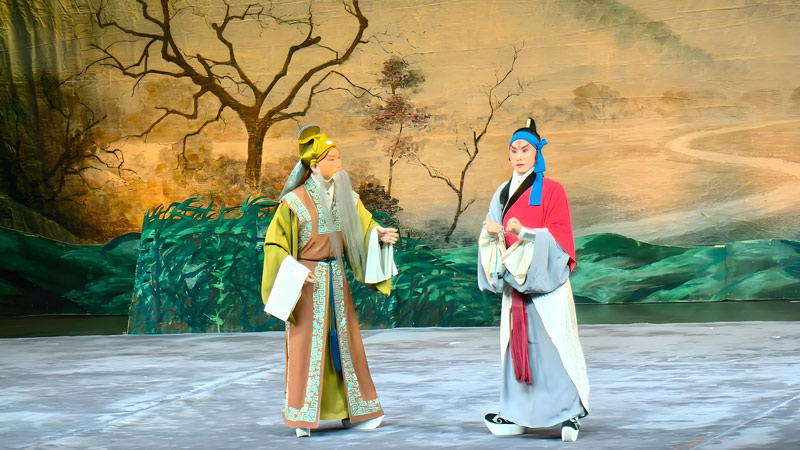
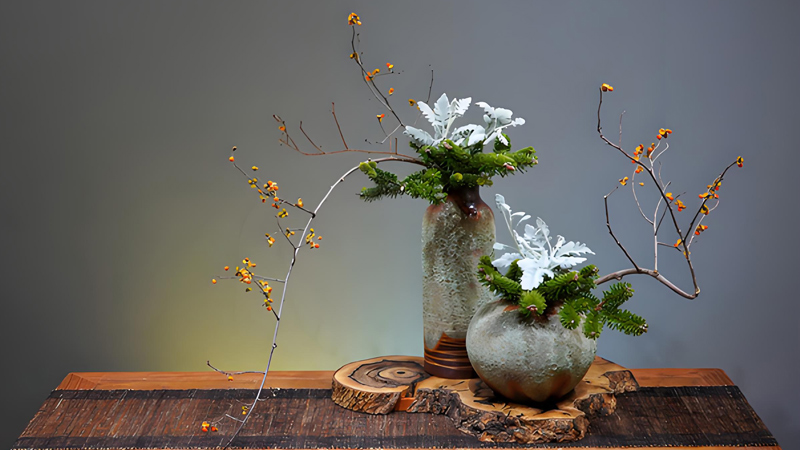
For four nights around National Day, the China National Arts and Crafts Museum handed its floor to people who make things rather than to a professional troupe. Between October 3 and 5, the museum, which also carries the name China Intangible Cultural Heritage Museum, staged four holiday performances of Keyiguan (可以观), a public-education programme it built to move heritage off the shelf and into the room.
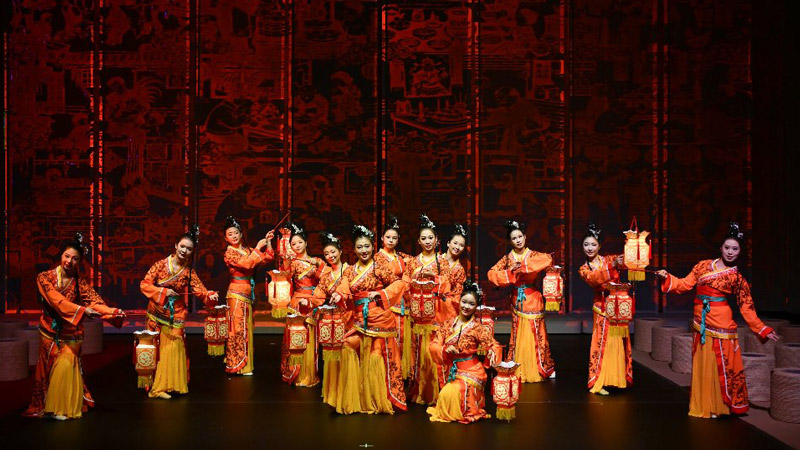
Four Seasons on One Stage
The name comes from the Analects, where the poems are praised as something that “may inspire, may be observed, may bring people together, may give voice to grievance”, and the programme borrows the sense of seeing clearly and moving the heart. Rather than file the crafts one by one, it follows the seasons: four chapters, Spring Tea, Summer Porcelain, Autumn Dye and Winter New Year, thread together more than 20 heritage items.
Nine of those sit on UNESCO’s intangible heritage lists: Chinese seal engraving, Chinese calligraphy, Chinese paper-cutting, the Guqin, traditional tea-making and its related customs, sericulture and silk craftsmanship, Longquan celadon firing, the 24 solar terms and the Spring Festival. Eight more are national-level items, among them Miao embroidery, Song brocade weaving, Dongyang wood carving and dragon dance. Spring brings the freshness of tea-country work, summer the tempering of porcelain, autumn the poetry of plant-dyed cloth and winter the warmth of New Year custom, with poetry, the qin, song and dance set beside traditional lantern craft, as fish lanterns parade and bowls and trays turn in the hands of the performers.
Where the Seats Become the Stage
Nothing about the staging keeps the usual wall between performer and audience. Those on stage are not trained dancers but heritage carriers, high-school students and young volunteers from across the country, veterans holding a craft and teenagers carrying it on inside the same frame.
Beyond the performance the museum runs a heritage market where visitors talk with the makers face to face and, on showing a ticket stub, try the crafts by hand, which turns a single show into a search for roots.
Wang Chenyang, party secretary of the museum, said the programme uses the 24 solar terms as its thread so that people feel heritage as something present in daily life, something they can join and try at any time. He added that threading the seasons rather than listing items one after another is the view of heritage the show hopes to leave behind: not an exhibit behind glass but a way of living that can be felt and entered.
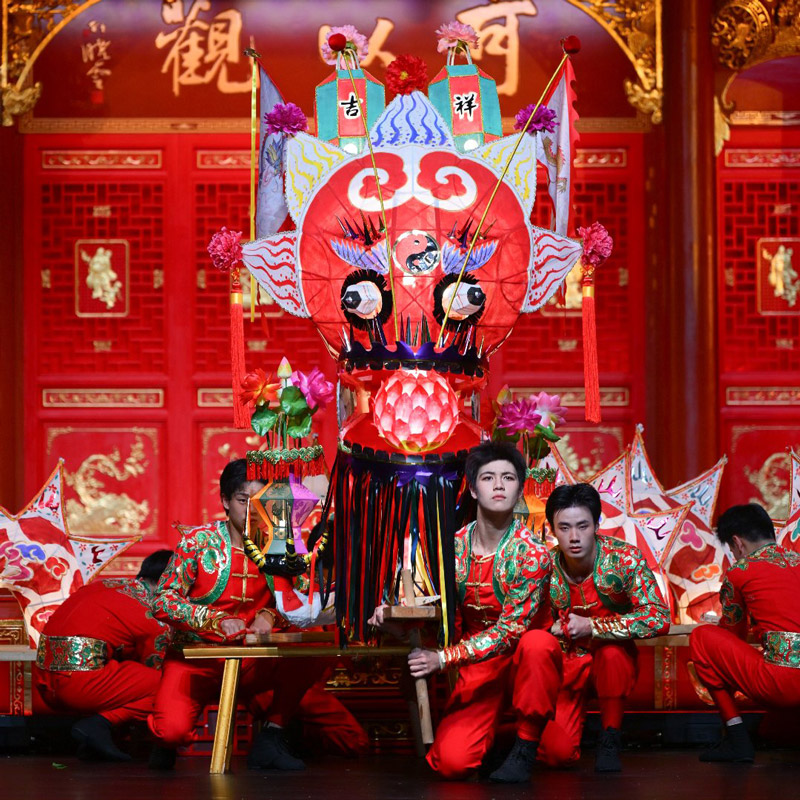
Back by Demand, and Beyond Beijing
It is not the programme’s first outing. Its summer premiere filled the house every night and prompted many viewers to post their own accounts and call for a return; answering that demand, the National Day run came back. According to the museum, the holiday edition recruited young people from the public, trained them free of charge and staged the result, and after each performance issued the participants a “young heritage envoy” certificate.
The same holiday lifted hands-on heritage in other cities. At the Hangzhou Living Craft Hall, craft experiences and folk-skill displays drew a steady stream of visitors, and in the national-level oil-paper umbrella workshop guests followed carriers from threading the ribs to painting the canopy, step by step through a craft of more than 400 years and over 90 processes. At the Sansu Shrine Museum in Meishan, Sichuan, poetry gatherings and heritage sessions stayed busy and Dongpo-themed goods sold well, while in the rubbing area visitors copied Su Dongpo’s brushwork for themselves. Work that can be watched, touched and joined, the pattern suggests, is becoming a new engine of holiday spending.