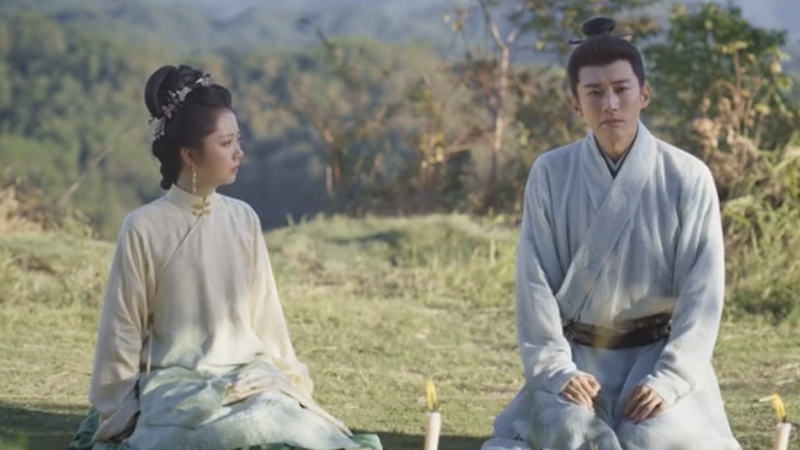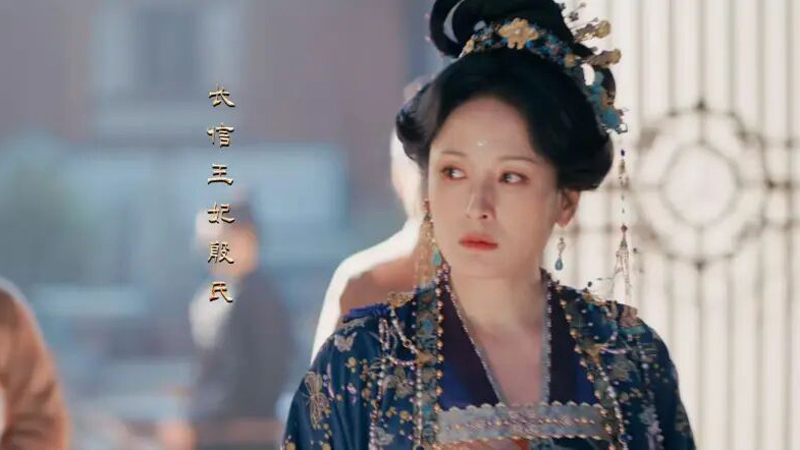
At first glance, A Prophet (我不是大师) looks like a revenge tale set in the Republican era. Then its finale arrives, and the floor drops. Shangguan Chengming (上官诚明) finally steps into the truth, yet victory tastes like ash. Jiang Feiyan (江飞燕) has her own plan, and the audience waits for a clean win. Instead, every major player loses something that cannot be returned. The drama does not hand out easy comfort. It asks whether a person can enter a crooked game and leave clean. That question hangs over the last episodes, sharp and uncomfortable. The result is a finale that lingers because nobody walks away whole.
Revenge’s Dark Mirror
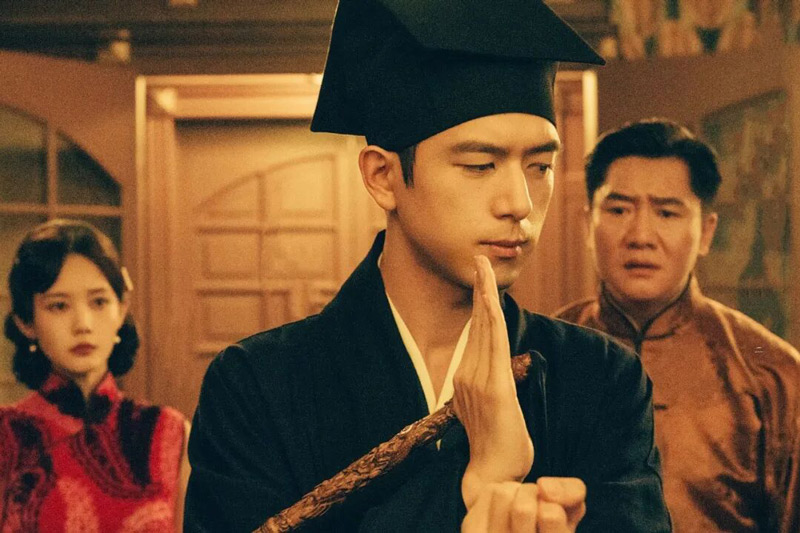
Shangguan Chengming believes he can use the trap itself to flip the board. He enters the scheme with fire in his chest, certain that sacrifice will buy justice. But the deeper he goes, the more he starts to resemble the people he hates. His enemies may have wanted exactly that. A man who bends too often does not simply snap back. He becomes a shape made by pressure. Revenge gives him direction, but it also eats his gentleness, his judgment, and his ability to trust. By the time he sees the pattern, the pattern has already claimed him. That is the cruelest twist: he is not only hunting a plot, he is being shaped by it.
Jiang Feiyan sets a new game of her own. She reads people well, plans several moves ahead, and expects emotions to stay where she puts them. Then her own heart refuses the script. She calculates almost everything, but she cannot calculate the moment she begins to care. That small human crack changes the board. He is stuck inside an old design; she is caught inside a new one. Neither can simply walk away. Their choices keep colliding with the damage caused by the original fraud. The drama makes this tension personal, not abstract. Every glance, silence, and missed chance carries the weight of what has already been broken.
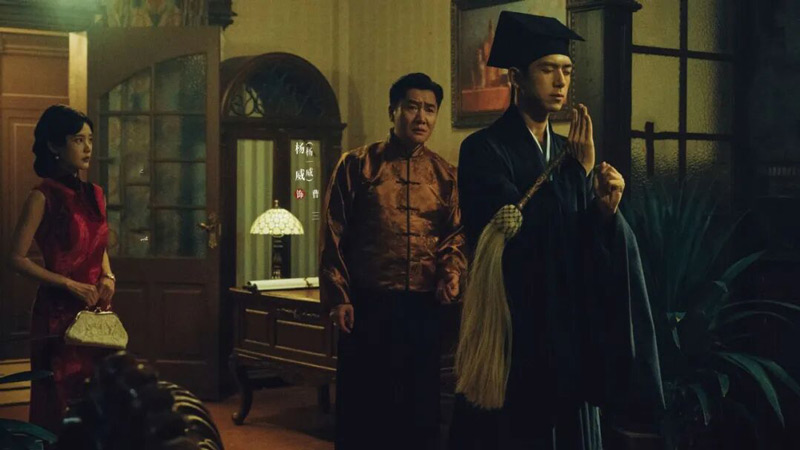
There is a quiet irony running through the middle chapters. People scheme for status, safety, revenge, or love, and the more they grasp, the less they hold. Honesty, when it appears, feels almost reckless. Yet it is also the only thing that cannot be faked forever. His identity finally surfaces, but the reveal does not free him. It only shows how many doors were locked from the inside. Her new plan works on paper, until her feelings refuse to stay in their assigned place. The drama keeps returning to this idea: a perfect plan can still fail because people are not pieces.
By the end, the Tianxiang Sect (天相派) falls apart. Zu Ye (祖爷) and several Batou who enabled the cruelty are gone. Some die in internal bloodletting; others are dragged to execution grounds. The devoted Er Batou (二坝头) chooses self-destruction rather than obey an order to kill Jiang Feiyan. It is messy, abrupt, and strangely fitting. A clean courtroom ending would feel false here. This is a story built on lies, so the collapse is ugly. The final episodes may rush certain beats, but they do not pretend that justice arrives neatly wrapped. The cost is visible, and no one gets to stand above it.
No One Wins
The hardest pill is that Shangguan Chengming and Jiang Feiyan do not end up together after their great enemy falls. They separate and walk into different futures. Many dramas force a family reunion, asking viewers to believe that national wounds and personal betrayal can vanish after one smile. A Prophet refuses that trick. Jiang Feiyan took part in the fraud that destroyed his family. Such a barrier does not melt because the plot says so. The choice to keep them apart gives the ending more air. It hurts, but it also respects the damage. Love can exist beside grief and still not be enough to build a shared life.
Some viewers may call the finale rushed. The sect crumbles fast, and several villains exit without long speeches. Still, speed fits the story’s nervous pulse. These people lived by sudden moves and hidden knives, so their downfall should not feel like a slow courtroom drama. What matters is the emotional bill. He gets revenge, but not peace. She survives her gamble, but not with the man she loves. The bad actors fall, yet the good ones are not repaired. That imbalance is the point. A story about a con should not end with everyone suddenly honest, happy, and healed.
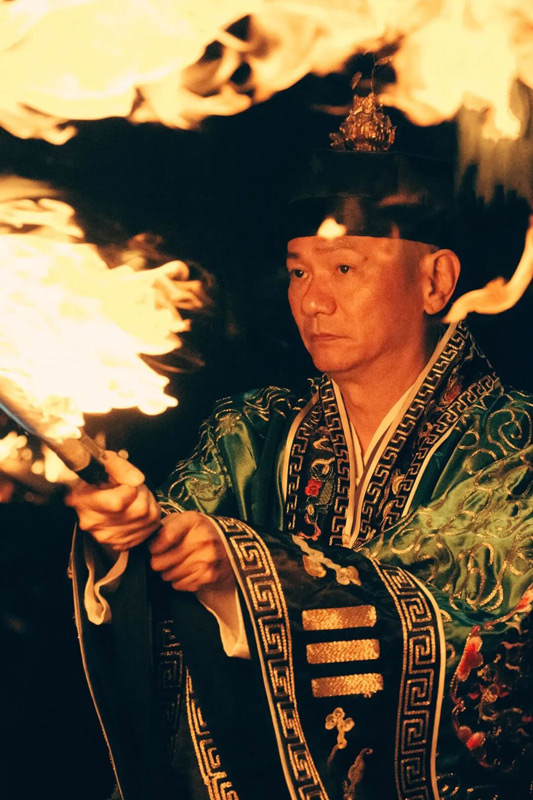
The show works because its setup avoids the usual grooves. It begins with a con, and that con drives every relationship, threat, and emotional turn. The Republican era setting gives the story a tense backdrop, yet the script does not lean only on costumes and old streets. It lets deception power the engine. Li Yitong (李一桐) and Li Xian (李现) are both surprises here. They are well-liked actors with strong recognition, even if they are not always pushed as top traffic names. Their performances feel controlled, wounded, and specific. They make the characters’ bad decisions believable, which is no small feat.
Off screen, both carry a calm, understated presence in work and career choices. That quiet quality makes their pairing more interesting, not less. On screen, the chemistry lands with unexpected force. They look good together, yes, but the pull is deeper than pretty faces. They make viewers understand why two people might risk everything just to enter the same dangerous game. If you have not finished the finale, set aside time and watch it in one go. The ending may not soothe you, but it will stay with you. That, in its own way, is a victory.