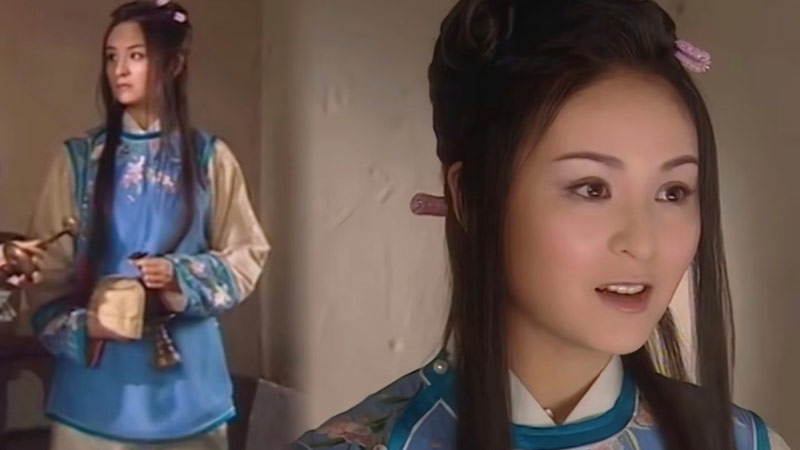
Twenty-two complete outfits for a single character — that is the detail standard viewers are celebrating in a rewatch wave around Secret History of the Crown Prince, the 32-episode Qing-court drama directed by You Xiaogang. Actress Dai Jiaoqian’s character Ruyu, a folk girl who enters the palace, received a wardrobe that moves from street-common casual wear through quiet domestic dresses to the codified banner-style court dress of the deep palace, plus sleepwear and a special white-haired look. A viewer’s recent outfit-by-outfit breakdown of all twenty-two sets has drawn fresh attention to how much craft early Chinese costume dramas invested in a single role.
Across the whole set, the palette avoids loud clashing color blocks in favor of low-saturation soft pink, lake blue, moon white and light purple; fabrics alternate between matte cottons and glossy satins; and the silhouettes track the different dressing habits of a commoner woman and a palace woman, with hair ornaments — small flower pins, beaded coronets — rotating with the scenes.
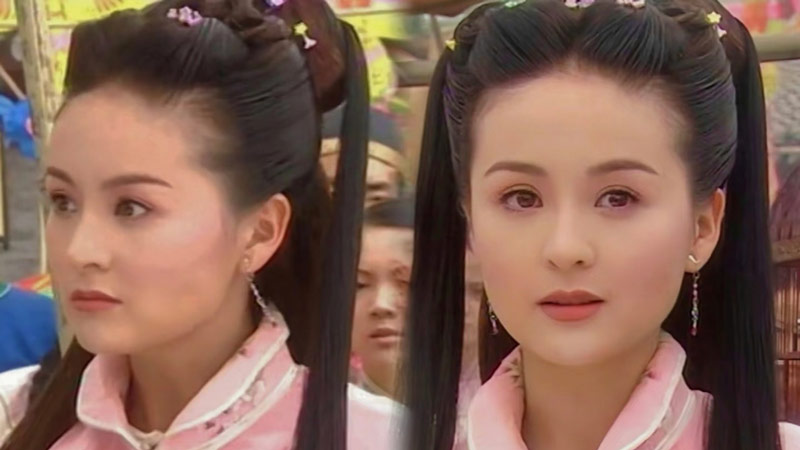
The first three outfits form one gradual series. Look one: a light-pink round-lapel turn-collar vest over a blue pleated skirt, the vest embroidered with pale floral branches, layered on a cream narrow-sleeve chemise, the skirt a translucent lake-blue pleated cotton, hair in twin hanging braids dotted with tiny pink flowers — light fabrics for market wandering. Look two repeats the pink vest and blue skirt with shifted embroidery placement, pink fabric pieced at the cuffs, staged for street encounters and outdoor movement. Look three keeps the base pairing but concentrates the plum-blossom embroidery, changes the hair to a half-updo anchored by a single white silk flower with two long strands falling loose — a quieter register for courtyard tea and seated conversation.
Look four is a blue floral beadwork vest set: a sapphire-blue vest printed with pink-and-white leaf-and-flower motifs edged in tiny beads, over a beige self-patterned long-sleeve shirt and matching trousers, hair simply pinned with two pale-purple pins, the heavier fabric built for housework and temporary lodging. Look five, a plain white chemise-and-skirt sleeping set, strips away embroidery and ornaments entirely — hair loose and partly braided, worn in the night-solitude lamp scenes. Look six pairs a dusty-purple turn-collar floral vest with a glossy blue shirt: soft pink-purple ground covered in large blooms over a sapphire satin shirt, hair in a tidy hanging braid, the register for receiving guests in the residence.
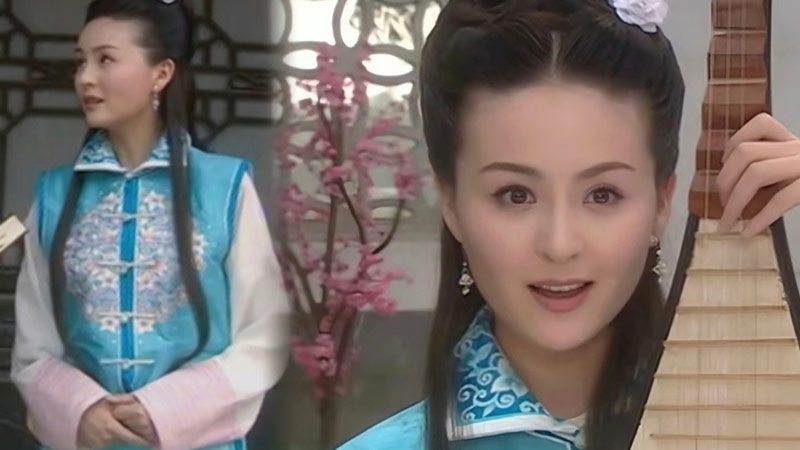
Looks seven through ten compose a sea-blue medallion series. Seven: a sea-blue turn-collar medallion front-opening vest set, one-piece lake-blue satin gown with white scrolling-flower medallions at the collar, white-bound edges, hair half-gathered with a white silk flower, the long line for formal calls and courtyard meetings. Eight reteams the blue vest with a pink shirt — the medallion centered, over a pale-pink self-patterned sleeve — the warm-cool balance of night prayers and moonlit talks. Nine, the first blue-vest-with-white-shirt-and-blue-skirt version, adds a pale-pink pieced cuff and lake-blue pleated skirt, hair half-up with white flowers, the bookish register of qin playing and quiet sitting. Ten reuses the combination with different fabric luster and a shifted collar scroll layout, the full pink flower-comb set in the hair, worn for travel outside the palace walls. Eleven closes the block with a pink self-patterned sleeping gown, shadow-on-shadow motifs, hair fully loose for heavy-hearted night scenes.
From look twelve the wardrobe enters the palace system. Twelve: a moon-white glossy satin jacquard waist-cinched vest set, pale-silver satin with hidden patterns, V-shaped blue binding at the neckline, a sapphire wide belt pulling in the waist, over a pure-white crossed-collar gown, hair in a formal palace half-updo with a blue-pink gradient flower tassel crown — the first silhouette with deep-palace bones. Thirteen pairs a deep-blue shirt with a pink long vest cut with a curved diagonal lapel, sapphire satin stand-collar beneath, yellow-blue contrast trim on placket and cuffs, floral embroidery covering the cuffs, a pierced interlocking-branch beaded coronet — the day-to-day audience-and-walking dress of palace life. Fourteen is a light-pink glossy jacquard vest set with blue-green woven belt and long tassel earrings, the register of idle days and morning greetings. Fifteen: deep-blue shirt under an eggplant-purple waist-cinched vest scattered with purple blooms and edged in teal-blue, a cold quiet palette for low spirits and private confessions.
Looks sixteen and seventeen are one outfit in two states. Sixteen: pink shirt under a water-blue floral waist-cinched long vest, full-field daisy embroidery, blue binding, matching belt, beaded coronet with long drop earrings — the palace garden stroll. Seventeen repeats the embroidery, cut and fit exactly, changing only the hair to pure white: a disciplined white updo with two white strands falling, the transformation mark of the story’s late turn, where the same clear clothes now carry desolation.
The final five run the closing arc. Eighteen: a wisteria-purple straight-lapel long gown in one piece with large pale-purple blooms and a vermilion wide belt, curly pierced silver hair ornaments, a clean straight column for leaving the palace and solitary thought. Nineteen: cream yellow against sky blue — a satin gown with vertical-texture shimmer fabric pieced at collar and placket, hidden florals on the blue, formal stand collar, pierced rhinestone coronet, worn for formal palace visits and close attendance. Twenty: a pale-red water-ripple half-sleeve set, flowing ripple patterns across the cloth with a short Banbi (半臂) vest above and a lavish crown-shaped rhinestone headdress, reserved for ceremonial occasions. Twenty-one returns to a pale-pink chemise-and-skirt sleeping dress, soft and collarless, the private rest look inside the palace. Twenty-two ends the series in white: a long front-opening gown scattered with fine pearl self-patterns, hair in the arc’s signature high white coiled updo — the image the finale is remembered by.
Read this way, the wardrobe is narrative tool, not ornament: no exaggerated pile-up of decoration, but fabric weight, color temperature and pattern placement doing the work of separating a folk girl from a palace woman, scene by scene. Early costume dramas, the argument goes, were willing to grind out dozens of differentiated looks for one role so that clothes could advance the story — an approach worth revisiting in an era of templated costume design.