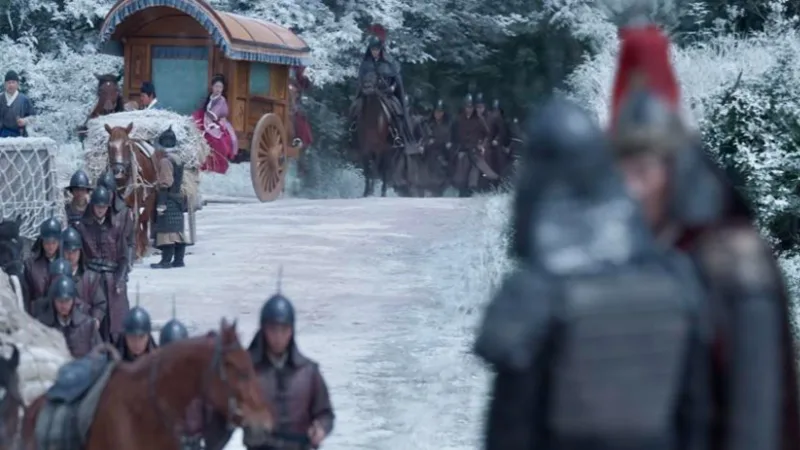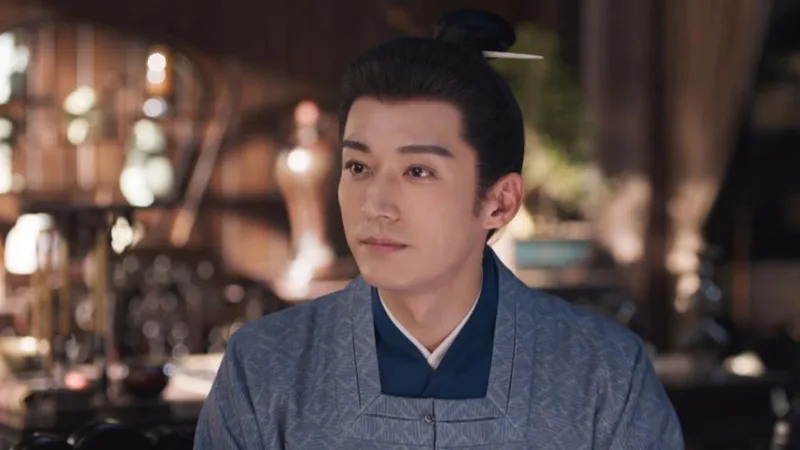
In Against the Current (兰香如故), the New Emperor barely appears, yet his shadow falls over every choice. Lin Jinqi (林锦岐) returns from six years on the frontier with military merit, asking only one reward: permission to marry Xu Lanxiang (许兰香), a maid just freed from military registration. Jinling (金陵) calls it madness. The Lin family protests. Court officials laugh.
The Emperor agrees at once. That speed should have warned them. A ruler does not grant a strange marriage because he is kind. He grants it because it costs him nothing and binds his most dangerous general to a woman with no family army behind her. The wedding looks like love. It works like a chain.
Gifts as Chains
The marriage barred Lin Jinqi from the one alliance the throne feared. The Zhao (赵) family and the Dai (戴)family were already tied by marriage. If Lin Jinqi had taken a noble bride, those houses could have merged into a power bloc. By giving him Xu Lanxiang, the Emperor made sure no great clan would stand behind him. The edict was not a blessing. It was a lock. Lin Jinqi believed he had used imperial favor to defeat his father’s authority and to rescue the woman he wanted. The Emperor saw something else: a sharp blade that had already cut through family duty, tradition, and court manners. A blade like that must be kept close—and caged.
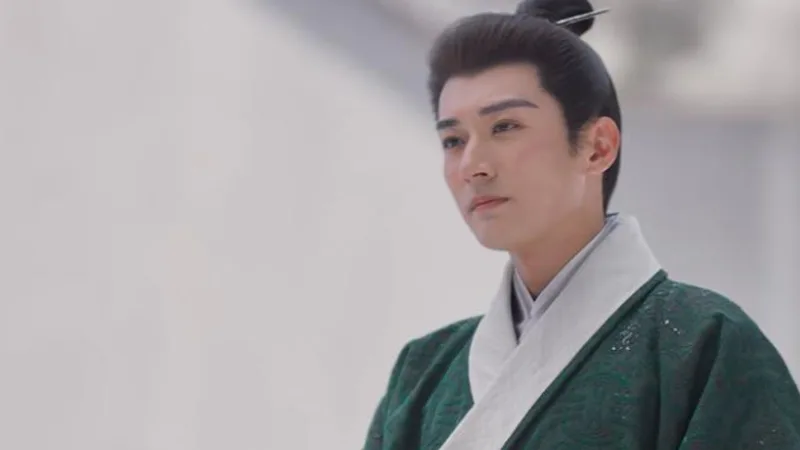
Then came the house. The Emperor gave Lin Jinqi the old Shen (沈) family residence as his new home. That house belonged to Xu Lanxiang’s slaughtered family. Every door he opened, every courtyard he crossed, would remind him of blood. The gift said: your honor stands on buried bodies, and your loyalty can become evidence against you. Lin Jinqi did not read the message. He saw a grand residence in the capital, a proof that the Emperor trusted him. He moved in with servants, banners, and hope. The walls, however, were not welcoming him. They were waiting.
His grandfather, Lin Zhaoxiang (林昭祥), had warned him the night before they left. “If your father disapproves, use the Emperor’s power to press him down,” the old man said. Then he added, “Serving the throne is like serving a tiger.” Lin Jinqi heard the words but did not let them slow his horses. He thought merit was armor. At Qian Fuwei’s (钱抚卫) banquet, he noticed hands sliding toward weapons and toes lifting for a lunge. He smiled, said his wife was waiting nearby, and rode away. It was quick thinking. It saved him from one dinner. It also proved he still mistook a small trap for the real hunt.
The real order sent him to the Shenji (神机) Battalion to destroy Prince Han’s (汉) powder store. Only then did Lin Jinqi see the design. Prince Han planned rebellion, but the Emperor wanted more than one rebel prince dead. He wanted everyone near Prince Han erased. If Lin Jinqi lit the fuse, the blast would kill the prince’s followers and likely kill Lin Jinqi too. If he succeeded, the throne was safe. If he died, the court could mourn a loyal martyr and pay his family a pension. The soldiers were not enemies on a battlefield. They were the Emperor’s own pieces, used once and discarded. Killing had been dressed as an imperial command, and that made it colder than any sword.
Three Small Signs
Xu Lanxiang was the only one who smelled the danger early. She did not rely on rank or secret letters. She watched habits break. Commander Tian, a man who loved opera and attended a performance every month, left without hearing a single song. A mind carrying a hidden order has no room for music. In Wanping (宛平) County, every dog in one village died in a single night. Dogs bark at strangers. If a whole village’s dogs vanish, someone moved troops in darkness and feared the noise. The Lu (鲁) family abandoned easy work and rushed to repair sewers beneath the capital. The sewers were an excuse. The digging was the point.
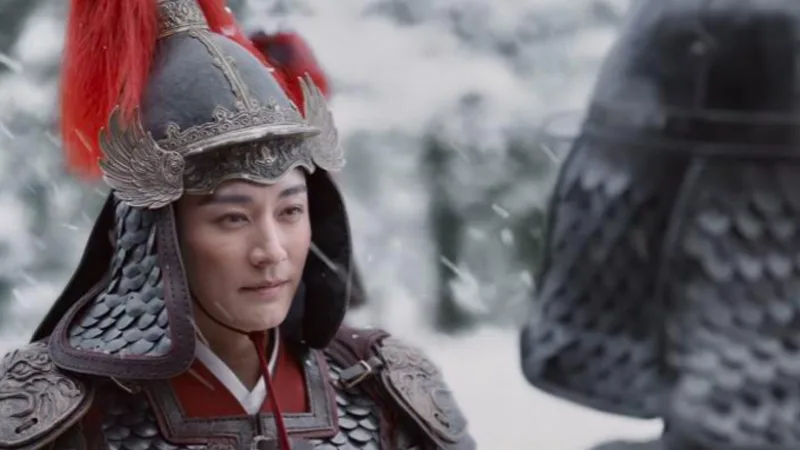
Put together, the three signs pointed one way: Prince Han was preparing to rebel. Xu Lanxiang had never studied military texts. She understood people, routines, and the wrongness of small things. From a silent opera fan, dead dogs, and sudden sewer work, she built a picture that Lin Jinqi’s officers missed. When he left, he kissed her hard and told her not to leave the house. He could not explain the fear in his own body, but the kiss carried it. Later, he lay in snow, bleeding too much. If she had obeyed him completely, he would have died there. She slipped toward the Shenji Battalion and found him.
What saved him was not imperial mercy or a comrade’s loyalty. It was the woman he had pulled into the deadly game. In the white snow, his blood was the loudest color. A man who served the court almost died by the court’s design. He completed the task, but the task itself was meant to leave no witness alive. Lin Jinqi survived, yet safety lasted only a moment. Old wounds returned, and he died around fifty. Xu Lanxiang, still in her thirties, held the Lin household together and lived as a widow for thirty years. He tied a red thread around both their wrists and said, “Tell Yue Lao (月老) to remember this person. In the next life, do not choose wrongly.” The thread looked romantic. It left her with decades of silence.
Lin Jinqi entered the capital believing he walked toward glory. He walked into a grave prepared with patience. Xu Lanxiang pulled him out once, but she could not stop the wheels of power from grinding through the rest of his life. The trap was never one sudden moment of murder. It began the day he accepted the summons. After that, every step followed a track laid by someone else. The Emperor never lifted a knife. He did not need to. His gifts, his orders, and his silence did the work. And the only person who saw the pattern was the woman history would later call merely a widow.