Hangzhou stages the 13th China Grand Canal Temple Fair from 12 to 15 November, and for the first time the programme spreads across eight waterside blocks instead of one. Entry is free; the canal boats are ticketed separately.
| Dates | 12 to 15 November 2026, four days |
|---|---|
| Venue | Eight blocks along the Grand Canal in Gongshu district, Hangzhou: Yunhe Tiandi, Dadoulu, Qiaoxi, Xiaohe, Xiaohe Park, Fuyicang, Yunhe Yingxiang and Dong’an Dayunhui |
| What it is | Markets, stage shows, craft workshops, scripted games and night lighting, with a different programme in each block |
| Hours | Giant puppet parades at Yunhe Tiandi on 14 November at 14:00, 15:30 and 20:00, and at Xiaohe Park on 15 November at 14:00, 17:00 and 19:00. Costumed characters and bubble-fish parades on both weekend days at 12:30, 15:00 and 17:30 |
| Tickets | Fair entry free; canal cruises at 59.9 yuan by day and 89.9 yuan at night |
| Organisers | Hangzhou Commerce and Tourism Canal Group, and the city’s gardens and cultural relics bureau |
| Getting there | Yunhe Tiandi, the main site, occupies a former shipyard on Xiaohe Road; the blocks can be walked in sequence or linked by water bus |
Each Block Keeps Its Own Programme
Repeating one lineup in eight locations would have been cheaper, and the organisers did the opposite. Yunhe Tiandi takes the opening ceremony on 12 November and then runs bands, singalongs, magic and bubble shows for four days, with a giant Don Quixote puppet working the crowd. Dadoulu, a stretch of late-Qing and Republican housing at the old wharf, splits its craft market into a handmade side and a performance side: 15 stalls run by rural women’s craft charities, 26 local workshops and 46 food vendors on one side, folk dance, string music, magic and a fish-lantern procession on the other.
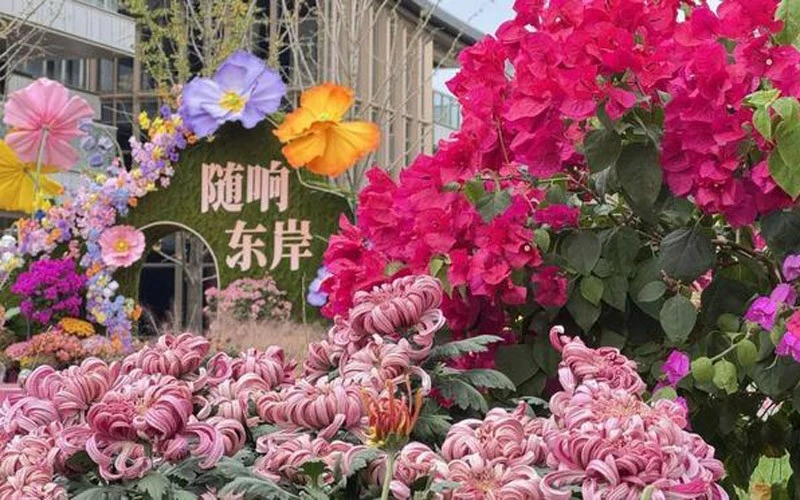
Xiaohe turns itself into a live game. The first two days belong to zither music and court-style dance; the last two to a scripted trail in which visitors take a fair banknote, trade lines with costumed characters, and win more notes at pitch-pot and kickball before exchanging them for festival merchandise. Xiaohe Park, converted from an oil depot, keeps its tanks and lets a market wander between them without a fixed route. Yunhe Yingxiang aims at families with magic, live pop and open-air film, and lights a large golden carp and a wishing tree after dark. Dong’an Dayunhui, on the east bank, pairs a market with a chrysanthemum show and tent-based craft sessions.
At Fuyicang, Stalls for Hanfu and Accessories
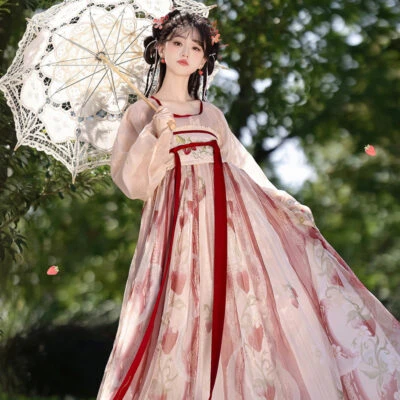
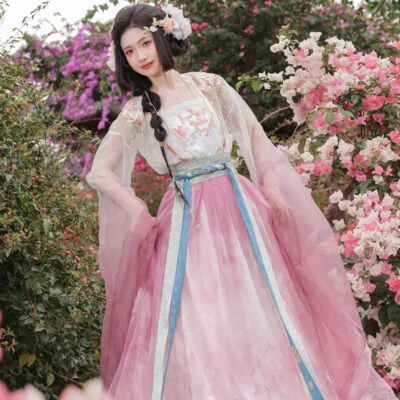
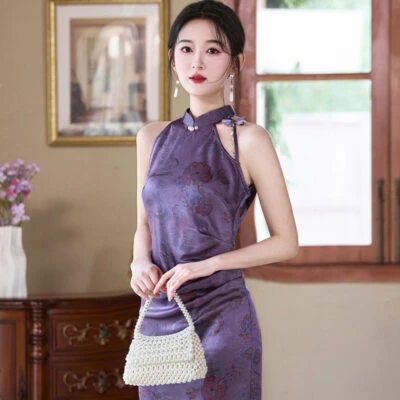
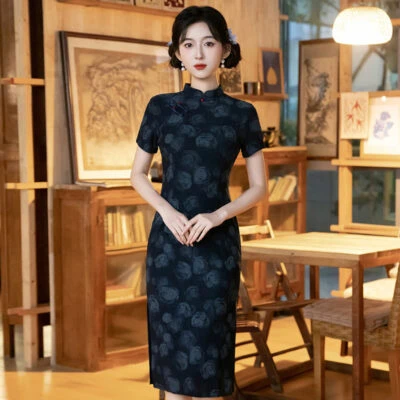
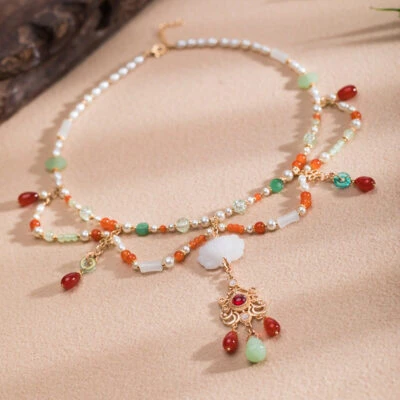
The block worth a detour for dress buyers is Fuyicang, a Qing-dynasty grain warehouse that stored Jiangnan rice for the canal barges and now runs as a cultural venue. Its Han-style market gathers sellers of Hanfu, guofeng accessories and handmade pieces in one walled yard, which is the practical difference from shopping online: garments can be tried on, fabric can be handled, and prices can be compared across stalls in an afternoon.
That concentration matters because sizing in traditional Chinese clothing depends on cut rather than on a numbered label. Bringing a familiar piece to hold against a new one tells a buyer more about fit than any photograph. The courtyard also does part of the work, since a granary built for bulk storage gives the stalls open ground and shade that a shopping street cannot.
Kingfisher Inlay and Bamboo Weaving at Qiaoxi
Qiaoxi, on the west bank at Gongchen Bridge, holds the densest run of craft workshops in the city, and this year its programme runs six strands: a food market, heritage snacks with Song-style tea, theatre pop-ups, hands-on craft, matchmaking gatherings, and a costumed parade of newspaper boys and rickshaws. The part that needs planning is the craft hall, which opens four short courses: seal carving, kingfisher-feather inlay, fuse beads and bamboo weaving.
The four differ sharply in difficulty. Seal carving is cut in reverse and admits no correction once the blade goes in. Bamboo weaving depends on the order of warp and weft, and a wrong base means unpicking the whole panel. Fuse beads reward patience rather than skill. Kingfisher-feather inlay, a metalwork branch that sets feather under metal to produce colour, relies on the material for its blues and greens instead of pigment. All four turn out a finished piece within half an hour, which suits visitors; only seal carving and bamboo weaving carry a learning curve steep enough that a single session barely reaches the edge of it.
Eight blocks share a stamp trail that ends at Fuyicang, so a visitor who starts at the main site can finish among the clothing stalls without a second trip. Thirteen editions of the fair have turned a heritage corridor into a walkable route: a granary sells dress, an oil depot holds a market, a shipyard frames a stage. That conversion works because the buildings were raised for gathering in the first place, warehouses for volume and wharves for crowds.