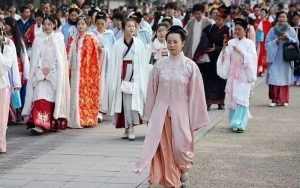
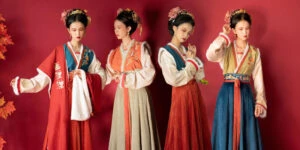
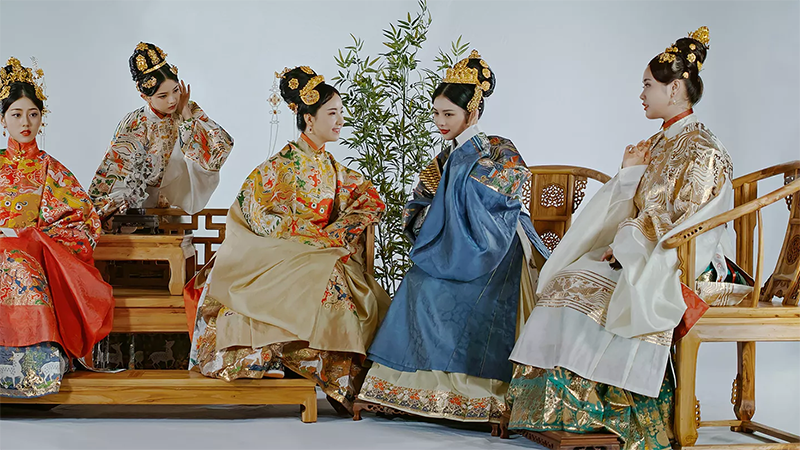
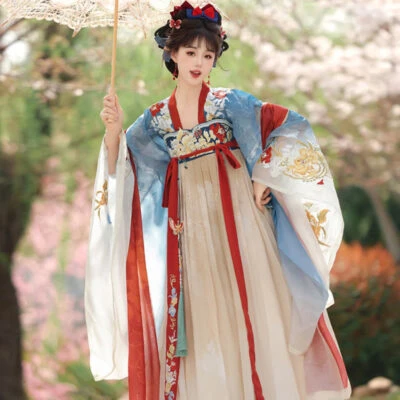
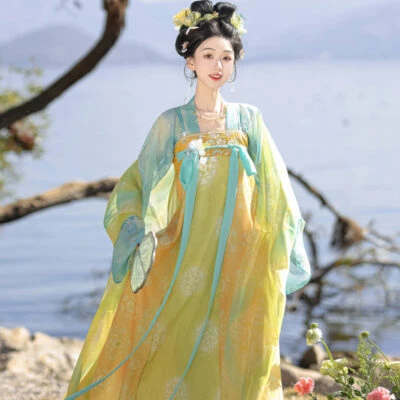
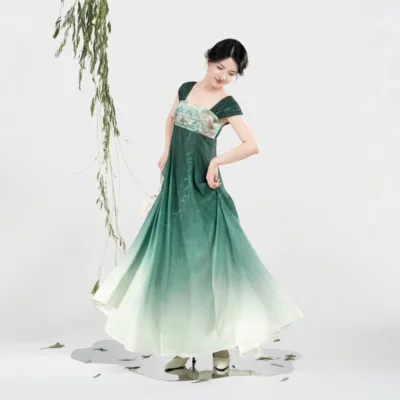
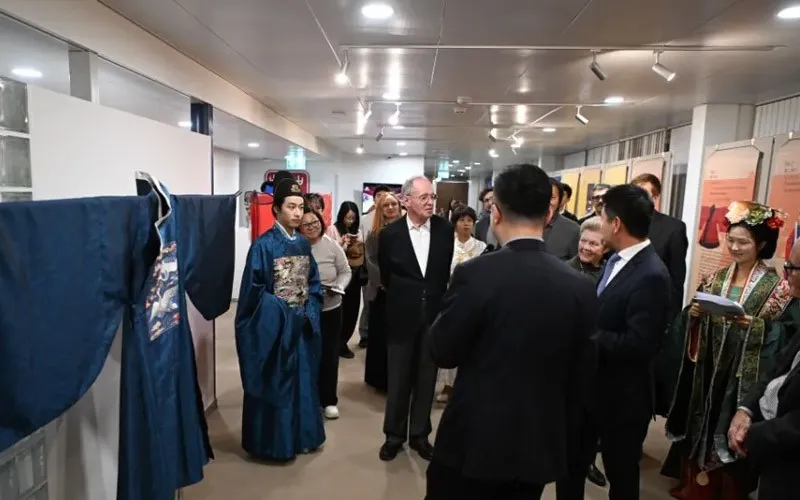
A Shandong ancient costume exhibition opened on 30 October 2026 at the China Cultural Center in Bern and runs to 31 December, two months in all. Twenty illustrated panels and ten reproduction Ming outfits carry the display, and on opening day Hanfu societies from five countries walked twelve sets of historical dress down a runway set beside the static cases.
| Dates | Opened 30 October 2026, running to 31 December, two months |
|---|---|
| Venue | China Cultural Center in Bern, Giacometti-Strasse 15, 3006 Bern, Switzerland |
| What it is | “Hometown of Confucius, Friendly Shandong: Ancient Chinese Costume Culture Exhibition”, a project under this year’s ministry-province cooperation plan |
| Hosts | Supported by the Chinese embassy in Switzerland, jointly hosted by the China Cultural Center in Bern and Shandong’s culture and tourism department, organised by Shandong Museum, with the Shandong Costume Design Association and Jinan International Communication Center assisting |
| Structure | Three sections: the intellectual origins of dress culture, the Ming dress system, and inheritance and innovation |
| Scale | Twenty thematic panels and ten reproduction Ming garments; twelve sets of historical dress on the runway and ten static pieces on opening day |
| Also on site | Lu brocade products, and a rubbing zone where guests pull their own print of a Fuwa mascot |
Three sections, one argument about ritual
The exhibition is not laid out dynasty by dynasty. It runs in three parts. The first handles ideas, showing how dress became a vehicle for ritual order. The second handles rules, matching rank, occasion and colour to one another. The third handles technique as it exists now. One set of objects and panels serves all three, so a visitor reads garments and, through them, the system that governed who could wear what. For ming dynasty clothing that record is unusually complete, since rank, colour and occasion were all written down and can still be checked against surviving pieces.
Ten reproduction Ming garments are the most direct carriers of that system. Labels carry specific entries, among them an ochre-red woman’s robe worked with a phoenix roundel on entwined lotus, credited to Shandong Museum. A round badge is the circular patch sewn to the chest and back of a robe, woven or embroidered with birds or beasts and selected by rank. That level of detail is the point of a reproduction: originals are mostly excavated or handed-down silks, fragile, acutely sensitive to light and humidity, and in practice unable to travel, so reweaving and re-embroidering by the original method is the only way to put construction in front of an overseas audience.
Five countries, twelve sets on the runway
The opening ceremony’s moving section was organised by the Shandong Costume Design Association. Models came from Hanfu societies in Germany, France, Switzerland and Italy as well as from overseas social media figures, and twelve sets of historical dress went out in sequence against ten static pieces. The association describes the Bern stop as the 44th on its Chinese Costume World Tour and its twentieth major show of 2026. Its president, Zhou Jin, brought Lu brocade products to the venue, and the adjacent rubbing zone let guests take home a print they had made themselves.
Among those attending were Cui Ke, counsellor at the Chinese embassy in Switzerland and director of the China Cultural Center in Bern, and roughly 100 guests from Swiss cultural, arts, education and media circles, including heads of the Swiss intangible-heritage fashion association, a Sino-Swiss multicultural exchange association and the Bern Chinese school. Official framing described dress as the connecting thread for telling Shandong stories to a Swiss public, and spoke of using the current Hanfu wave to bring traditional Chinese dress further into international view.
Why overseas dress shows lean on reproductions
Silk is the hardest category of museum object to move. Silk fibre ages faster under light, dyes respond to swings in temperature and humidity, and excavated textiles often survive as fragments that risk damage the moment they are unrolled. Domestic loans between museums already cap run length and illuminance; taking the same material across a border is harder still. That constraint explains a pattern visible in most overseas exhibitions of traditional chinese clothing, where reproduction, panel and reconstruction research travel together as a package.
A reproduction is not a stand-in for the real thing so much as a carrier of a different kind of information. Cutting, stitching and pattern layout are difficult to convey in text and easy to read from an object that can be inspected at close range. Visitors can judge how much a show actually tells them by checking three things: whether labels state rank and occasion, whether reconstruction notes name their basis in an excavated piece, a transmitted image or a written source, and whether any part of the craft can be handled. The Bern display answers all three, and with almost two months left on the calendar, readers in Switzerland or planning a European trip have time to use that checklist.