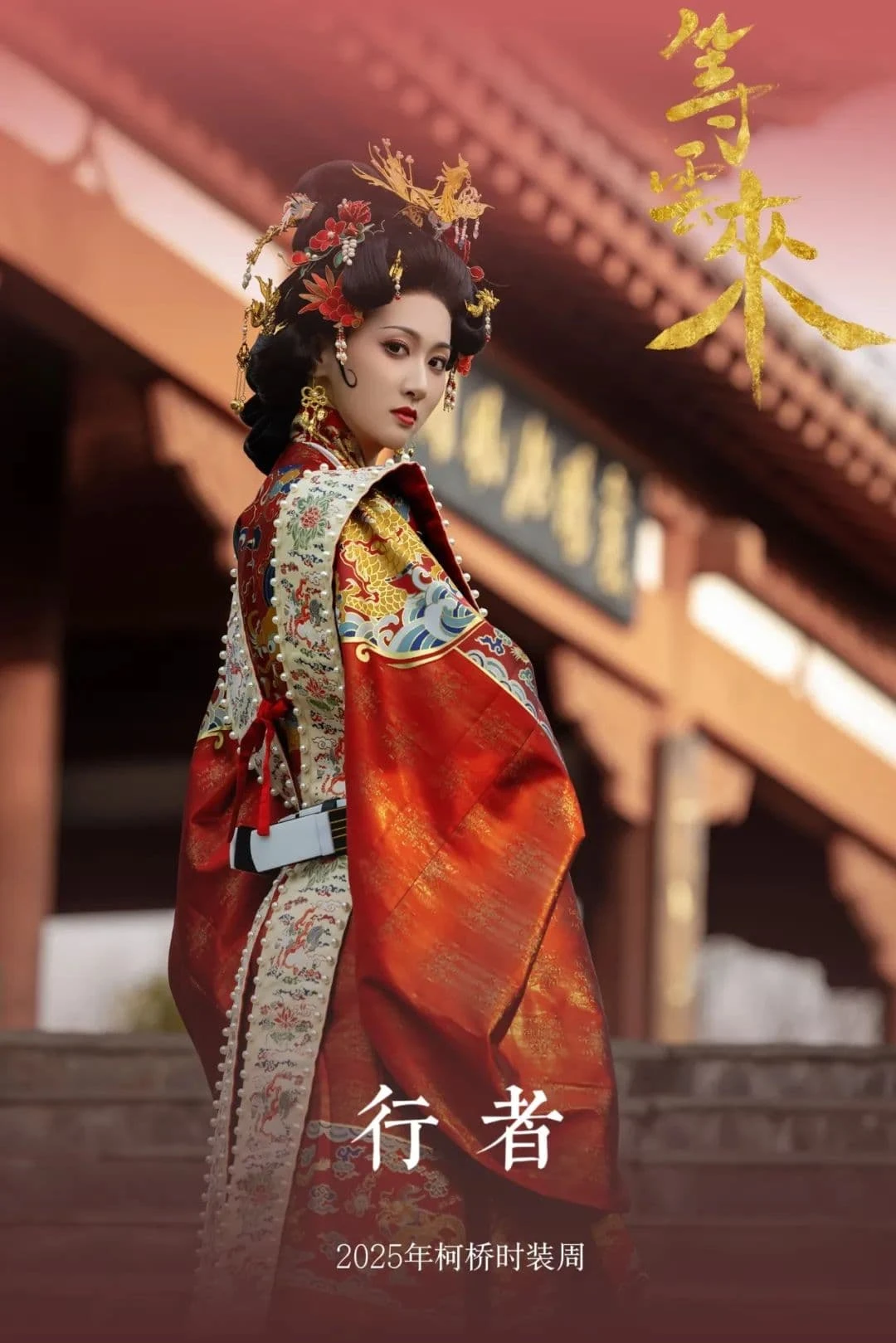
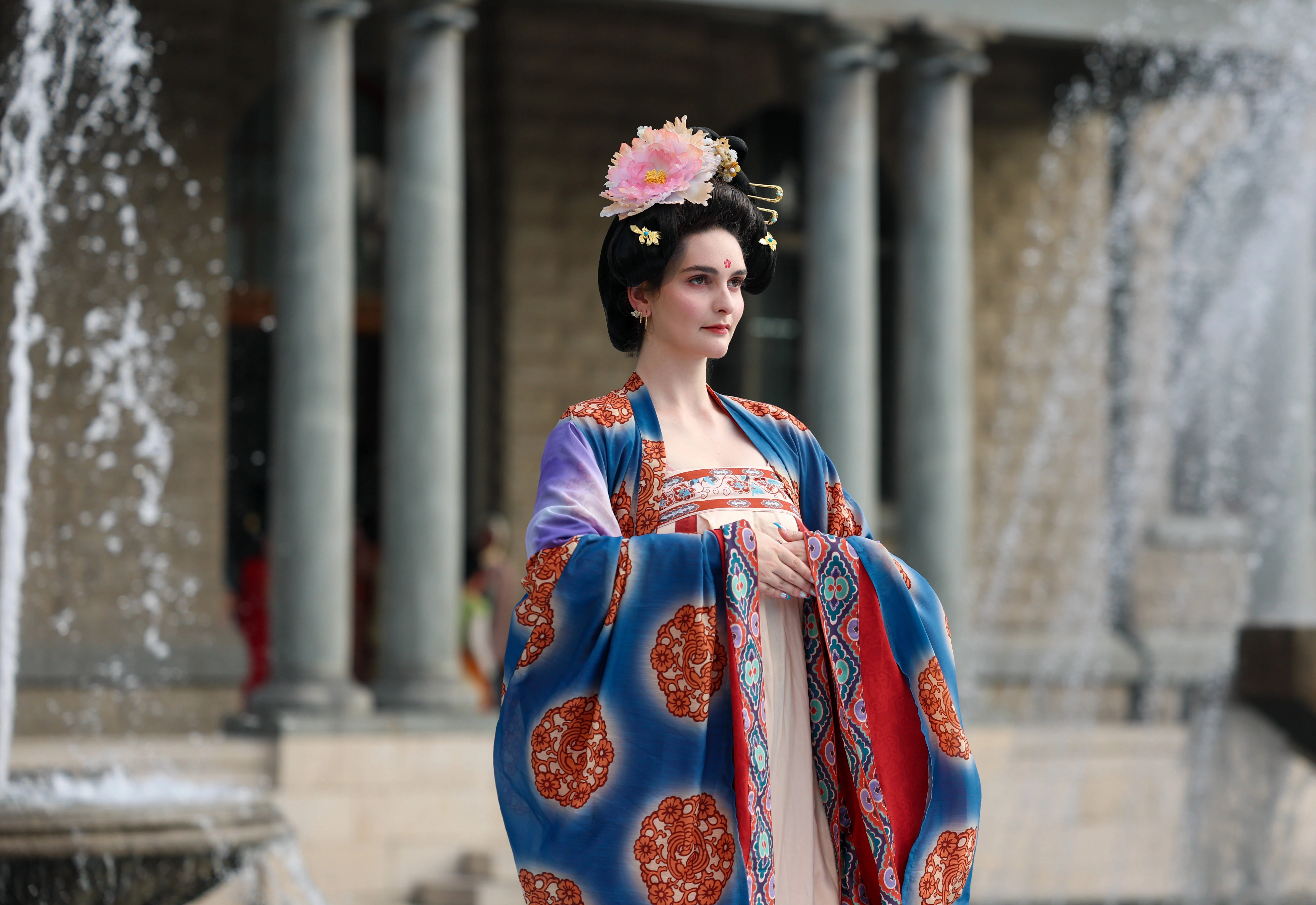
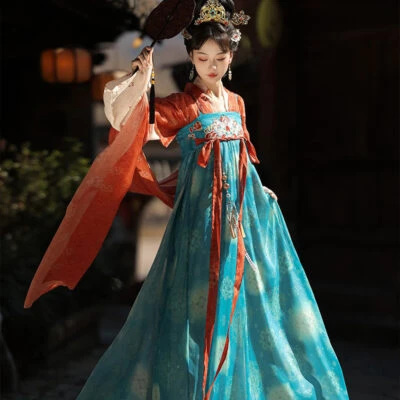
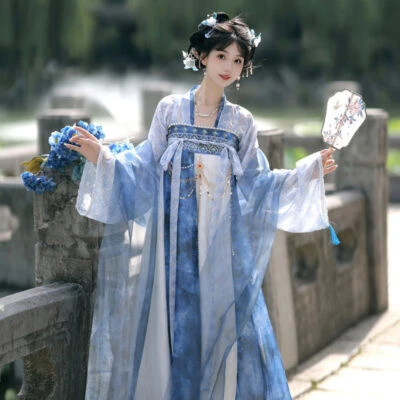
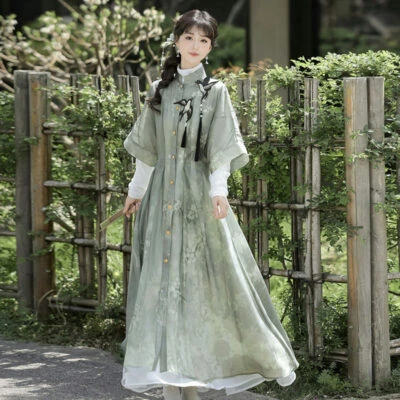
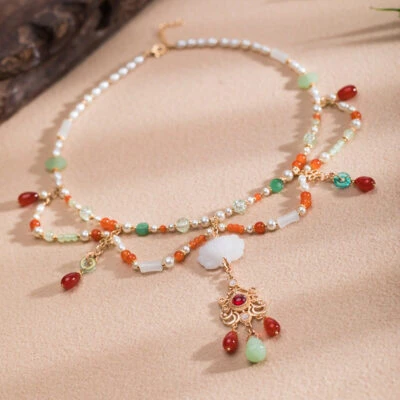
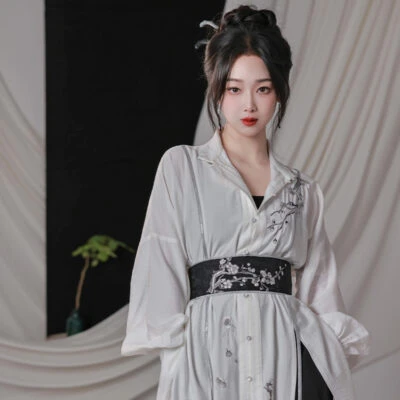
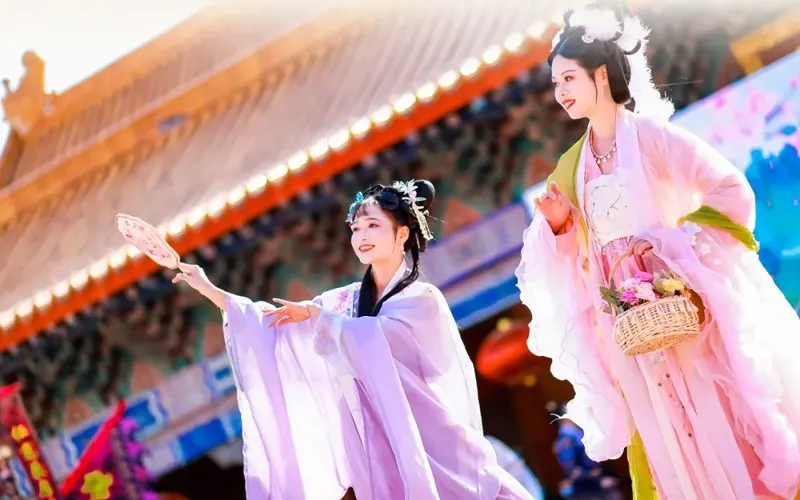
Nanhai Film Studio in Foshan will admit visitors for 1 yuan on 7 and 8 November 2026, on one condition: they arrive in a full Hanfu outfit with hair and makeup finished. The park also published what does not qualify, naming qipao, Qizhuang, modified Hanfu, Tang-style shirts, Xinzhongshi clothing and non-Hanfu cosplay, and staff check outfits at the gate before selling the ticket.
| Dates | 7 and 8 November 2026; the ticket is bought and used on the same day |
|---|---|
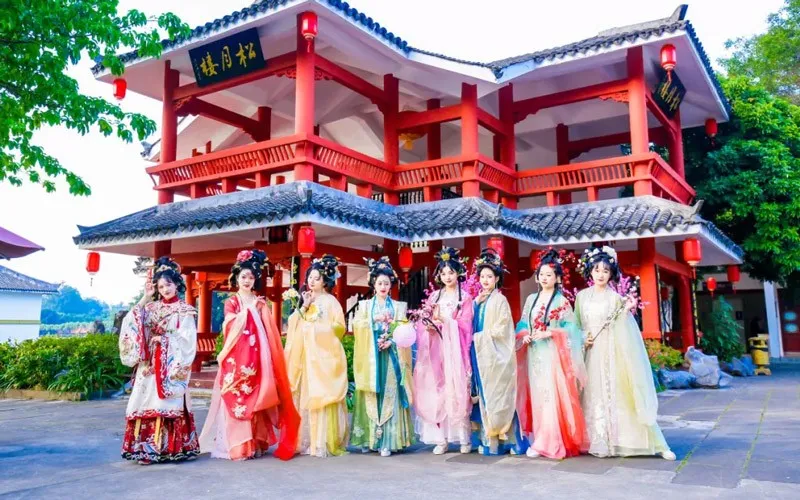
| Venue | Nanhai Film Studio, Nanhai district, Foshan, Guangdong, a 4A-rated park with palace, Jiangnan water-town and Hong Kong-style street sets |
| What it is | “Yingcheng Fenghua, Shengshi Nichang” 2026 Hanfu Culture Festival, a dress-themed event for Hanfu wearers nationwide |
| Tickets | 1 yuan for visitors in full Hanfu with hair and makeup; follow the park account and forward the official announcement; verified on site, screenshots rejected; no booking |
| Dress code | Qin-Han, Jin, Tang, Song and Ming forms accepted; qipao, Qizhuang, modified Hanfu, Tang-style shirts, Xinzhongshi and non-Hanfu cosplay not accepted |
| Programme | Twelve Flower Deities, a Three Heroes city patrol, live water battles, NPC quest lines, a Hanfu culture hall, a lucky draw |
| Nearby rates | Autumn-holiday family ticket 90 yuan against a 145 yuan list price, 11 to 15 November; out-of-town students free 14 to 22 November, adults 45 yuan |
What counts as Hanfu at a Foshan dress-code gate
Hanfu is the traditional dress system of the Han Chinese, organised by flat-cut panels, a crossing collar that closes to the right, and ties or hidden fastenings instead of shaped tailoring. Its historical range ends with the Ming dynasty. A gate cannot check a definition, though, so the park turned the idea into three conditions a staff member can apply on sight: the outfit must belong to a named dynastic form, it must be complete, and the styling must match.
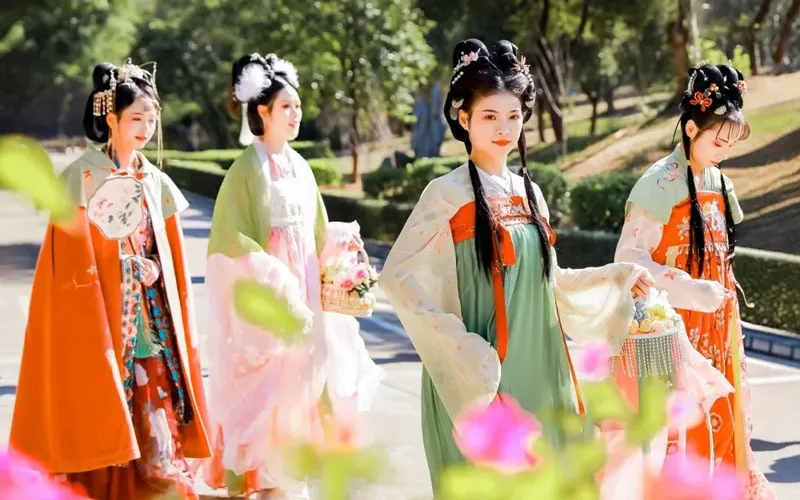
Five dynastic ranges are accepted, listed as Qin-Han, Jin, Tang, Song and Ming. Completeness is the harder condition. One top, a coat thrown over everyday clothes, or Hanfu elements sprinkled into a modern outfit all fail, and the park says so in as many words. Hair and makeup count as part of the requirement rather than as a bonus, because an unstyled head reads as costume rather than as dress.
Why bother with an operational test at all? Because “Chinese style” is wide enough to cover a wedding qipao, a souvenir jacket and a period-drama outfit, and a venue that wants a particular crowd has to draw a line it can defend. Writing that line as a list of refusals is the cheapest way to do it: every refusal can be explained, argued with, and checked in a doorway.
The six garments the gate turns away, and why
The six exclusions are not a random set. Each one fails the same test in a different way, and the park’s wording maps onto a structural reason rather than a matter of taste.
| Qipao | Formed in Shanghai in the first half of the 20th century; standing collar, knotted closures, shaped waist, side slits. Its tailoring is Western-derived and its date falls after the Hanfu timeline closes |
|---|---|
| Qizhuang | The Manchu banner robe system. It developed alongside Hanfu rather than out of it, and the two are separate lineages |
| Modified Hanfu | Keeps part of the form but changes fabric, silhouette or construction for daily wear; the park requires the full form, so modified versions fail on completeness |
| Tang-style shirt | The modern Chinese jacket named after the 2001 APEC summit in Shanghai; standing collar, front opening, knotted closures, contemporary cut |
| Xinzhongshi | A contemporary design direction that may borrow any traditional element; it is not a dress system, so there is no form to verify |
| Non-Hanfu cosplay | Character costume, serving a fictional role rather than a dress code; the form can be altered freely |
Read together, the rulings separate three things that English tends to bundle as traditional Chinese clothing. Hanfu is a system whose forms can be dated and specified. Qipao is a modern garment that carried traditional vocabulary onto Western tailoring. Xinzhongshi is a design method rather than a wardrobe.
In practice the distinction matters more than in theory. A qipao can be entirely right at a wedding and still fail a Hanfu entry rule; a modified Hanfu can be well made and still be incomplete. Neither is being judged as inferior, only as a different category, which is the part most online arguments about the subject miss.
The Tang-style shirt is the clearest example of a modern garment wearing old vocabulary. It took its name from the 2001 APEC summit in Shanghai, where leaders posed in matching jackets, and its standing collar, front opening and knotted closures come from the Qing and Republican wardrobe rather than from the Tang. A visitor wearing one has chosen something Chinese, but not Hanfu, and the park’s list treats that difference as a fact rather than an insult.
How a 1-yuan ticket actually gets checked
Price is only the first gate. The park published a two-step procedure. Visitors follow its WeChat account and forward the official announcement, with reposts from other accounts explicitly rejected. They then go to a designated ticket window during the event, where staff compare the outfit against the rules and look at the phone screen. Screenshots do not count. The ticket is valid on the day it is bought, and no reservation is needed.
Measured against the park’s ordinary autumn pricing, the 1-yuan figure behaves like a filter rather than a discount. Its holiday policy sells a family ticket at 90 yuan against a 145 yuan list price from 11 to 15 November, and admits out-of-town students free from 14 to 22 November with accompanying adults at 45 yuan. Both of those chase family volume. The Hanfu ticket chases a particular kind of visitor, and uses near-zero price plus a styling requirement to find them.
What the park receives in return is material. A crowd that has already solved its own garment, hair and makeup produces processions, footage and photographs without the venue hiring a cast. Paid short-drama shoots work on the same logic, bundling a script, full styling, set photography and edited footage into one purchase, which extends a visit into a performance.
Why form beats style: the Ming test case
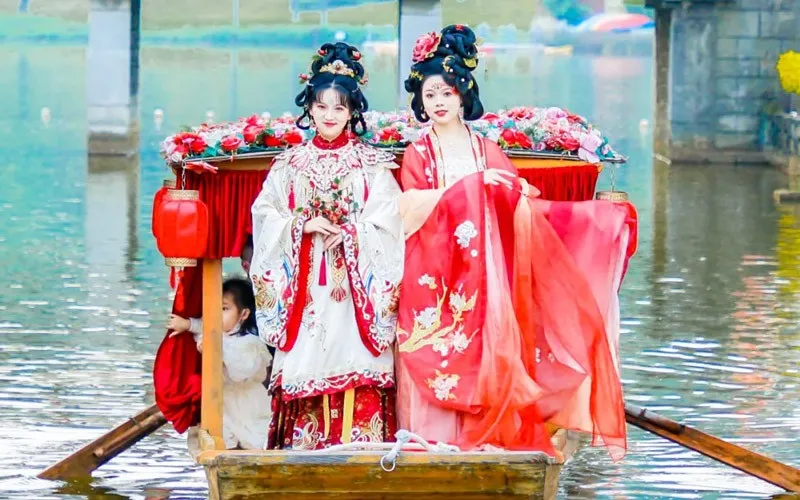
Ming dynasty clothing is where the test becomes concrete, because the pieces are named and their construction is documented. A round-collar robe, an Aoqun of jacket and skirt, a Mamianqun with its smooth front panel and pleated sides, a daopao: each has a known cut and a known set of occasions. A reviewer can ask whether the parts belong together and whether the construction is right.
That specificity is also why “looks ancient” fails as a standard. Silk, a crossing collar and wide sleeves do not add up to Hanfu if the cut does not resolve into a dynastic form. The reverse holds as well: a plain cotton robe in the Ming style, built on correct panel construction, passes without a single embroidered motif.
Requiring hair and makeup follows from the same principle. A form includes its finishing, and a Ming outfit over loose modern hair reads as an attempt at costume. Venues that skip this step end up admitting anything vaguely flowing, which is how the phrase “Hanfu event” gradually stops meaning anything at all.
Hanfu, qipao and Xinzhongshi are three systems
Placing all three on one timeline clears up most of the confusion. Hanfu is a dress system organised by form: crossing collar, ties and hidden fastenings, flat cutting, a range that stops at the Ming. Qipao is a product of 20th-century urban modernisation, shaped tailoring with the standing collar and knotted closures carried over as vocabulary. Xinzhongshi is a contemporary approach that may use any traditional element and answers to no specification.
All three sit inside traditional Chinese clothing as a loose category, so casual mixing does no harm. Trouble starts when a rule has to be applied, whether that rule is a free-entry policy, a competition entry or a form study, because then only the first of the three has something to verify. Visitors planning to use the 1-yuan ticket can read the exclusion list backwards: pick one complete dynastic form, add hair and makeup, and leave mixing and modification for afterwards.