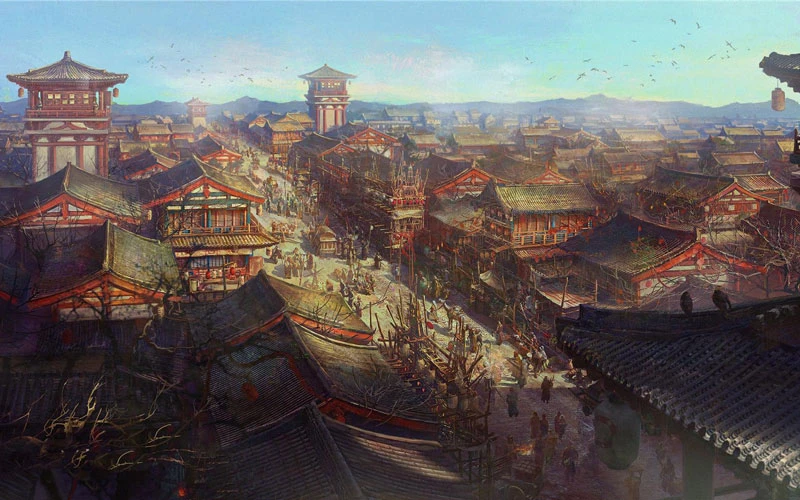
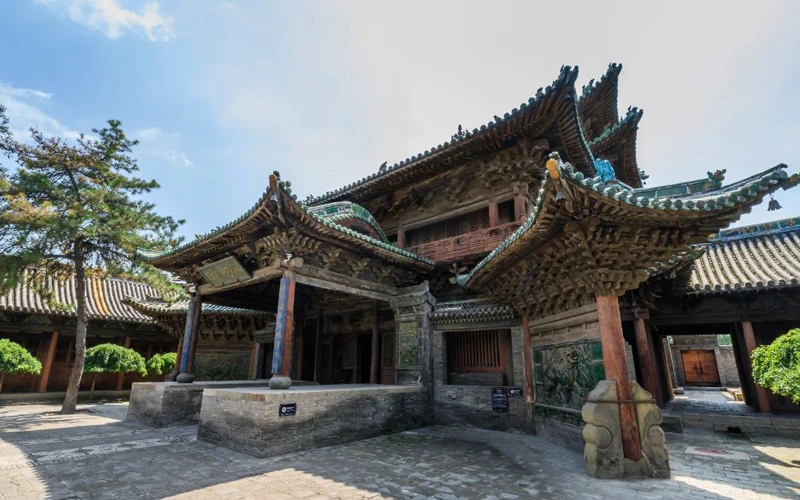
Chinese short dramas have mostly travelled abroad as platform product: vertical, fast, made for phones. A mountainous city in Anhui has now pushed a different unit across the border, its own scenery, and wrapped it inside a costume plot. On 10 October 2026 at nine in the morning, a period micro-drama commissioned by Huangshan Tourism Development and co-produced with China Literature went live at home and on four overseas platforms at once.

A Scenic Lake Written Into the Plot
The series, Hanmen Guojiu, adapts a winning entry from a writing competition the two partners ran together. Its premise is a modern doctor of Chinese medicine who wakes up inside a fictional dynasty, treats his way into favour and navigates court politics. During shooting the crew moved into the Taiping Lake scenic area, one of the attractions operated by the listed tourism company, and folded lake and mountain footage into the storyline rather than treating landscape as backdrop.
Distribution is the part worth reading closely. Domestic viewers get it through the Hongguo app and Douyin’s native feed, with Douyin and WeChat mini-programmes carrying it as well. Overseas it runs on toonscroll, melolo, minishorts and YouTube, with dedicated social accounts pushing clips. Huangshan’s own summary of the shift is blunt: promotion used to ask people to look, and now it tries to make them follow.
Building a Yearly Slate Instead of a One-Off Shoot
A single commission would be a one-off bet, and this is not one. Building on a 2024 partnership signed at China Literature’s creator conference, the two sides have committed to a slate for this year: two custom overseas-facing tourism dramas, one premium AI animation series and seven standard AI animation series. The stated aim is content that carries a region, with scenic areas written into scripts and local products placed inside them.
That approach differs from how most Chinese cities have entered the format. Dozens of municipalities are competing with subsidies to attract short-drama production capacity, which tends to buy a shoot and little else. Co-developing intellectual property instead turns a landscape into something that can be reused across seasons. The two production lines divide the labour: live action carries narrative and emotional weight, while AI animation carries volume and genre range, holding an overseas account’s posting rhythm at industrial speed. Our earlier reporting on how a Chinese short-drama studio went global traces the platform side of that same machinery.
Numbers the Overseas Run Has Not Produced
What is public so far stops at launch. Neither the partner nor the platforms have released play counts by territory, and Huangshan has not published any change in Taiping Lake visitor numbers attributable to the series. For tourism commissions of this type, the lag is normal: effects usually show in scenic-area data within a quarter after a series finishes, not during its run.
That leaves the thesis untested rather than proven. The format argument is real, since a vertical episode is short, hook-dense and cheap to subtitle and distribute, which makes it easier to finish than a destination film and easier to forward than a travel guide. Whether a viewer who follows a doctor through court intrigue will later book a trip to the lake is a separate question, and it is the one the next quarter’s numbers have to answer. For viewers arriving through costume drama rather than tourism, our selection of Chinese short dramas is a better entry point than a municipal campaign.