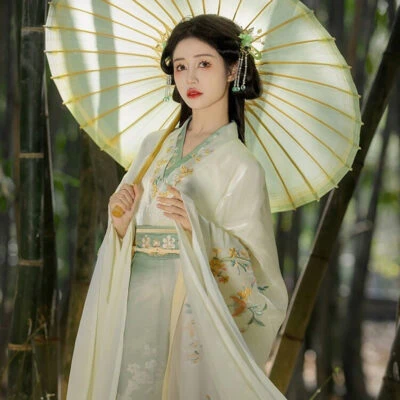
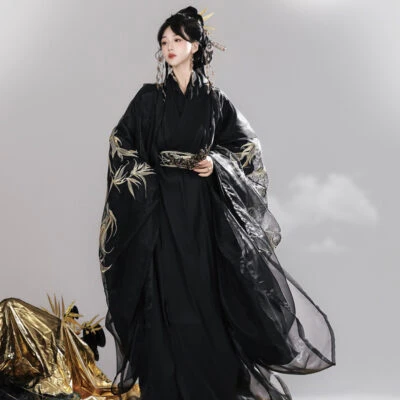
The 2026 Guangdong Intangible Cultural Heritage Week and the Foshan Autumn Colour processions ran on the nights of Oct 23 and Oct 24, sending 38 acts and 17 floats along a route of roughly 3.3 kilometres in Chancheng and Nanhai, two of the city’s five districts.
| Dates | 23–26 October 2026; processions on the nights of 23 October in Chancheng and 24 October in Nanhai |
|---|---|
| Venue | Foshan, Guangdong; Zumiao paifang square in Chancheng and Tingyin Lake Square in Xiqiao, Nanhai |
| What it is | Opening of the 2026 Guangdong Intangible Cultural Heritage Week plus Foshan’s annual Autumn Colour procession |
| Scale | 38 acts, 17 floats, six theme chapters, six fixed performance points, a route of about 3.3 km |
| Running time | Processions 19:30 to 22:00; about 80 minutes of set pieces at the main venue, about 150 minutes for the whole parade |
| Tickets | Free along the route |
| Road closures | Zumiao, Lianhua, Fuxian, Renmin and Jianxin roads closed from 18:30 on 23 October, released stretch by stretch |
| Heritage fair | 23–25 October across three sites in Chancheng and Nanhai |
Chancheng’s leg stepped off from the paifang square of the Zumiao, the ancestral temple at the centre of the old town, and the second night repeated the programme at Tingyin Lake Square in Xiqiao, Nanhai. Six theme chapters and six fixed performance points carried a narrative the organisers labelled depart, gather, move forward. The province’s culture and tourism department and the Foshan municipal government are the hosts, and events run across all five districts.
Watching is free from the pavement, and the city handles the crowding by closing the parade streets in stages as the tail of the procession passes. A theatre series runs alongside at the Qionghua Grand Theatre: Xinjiang’s Jiashi song and dance on Oct 24, a regional opera programme on Oct 25 and a troupe from Medog in Tibet on Oct 26.
Hanfu Students Behind a Float
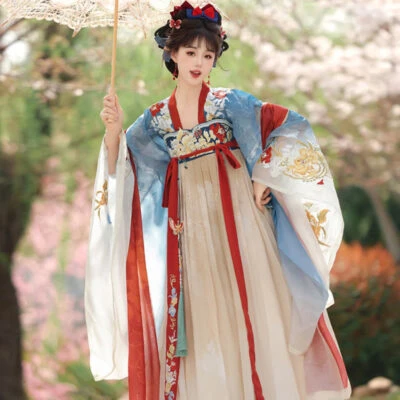
Behind a float themed on a century of local pottery walked the Zumiao Wonderful Tour mass formation, and inside it a group of students from the Benevolent Chinese Dress Society at Foshan University’s School of Humanities, invited by the organisers. Their ranks were the most photographed civilian block of the night, standing between the floats and the pavement crowd.
“It was hot today, and rehearsing and marching in Hanfu was genuinely stuffy,” member Yuan Pengzhi said. “But for Hanfu, which I love, it was worth it.” He added that he joins Hanfu display events regularly and wants more people to know both the dress and the cultural argument behind it. Marching in the city’s own festival, he noted, put a young crowd’s enthusiasm inside the ritual rather than beside it.
Several firsts sat on the same route: door-god prints from Foshan’s New Year pictures, a giant lettuce float borrowed from the Xingtongji walk, sculptor Wu Xinkun’s horse-themed New Eight Steeds, the internet-famous Big Bay Chicken, a flying turtle-fish, domestically built AI robots, a giant lobster dance from Shantou’s Ximen and Guochao stilts theatre. Hanfu parades of this kind are now routine in Chinese cities, with Chengdu’s Hanfu parade day and the Xitang Hanfu Culture Week as two other formats.
The Rite That Comes Before the Parade
Autumn Colour is built rite first and music after. On the morning of Oct 23 the autumn sacrifice at the three gates of the Zumiao restored the nine-part Ming ceremony, folding in Yue opera, brewing and local food; about 500 guests attended, among them overseas visitors, overseas Chinese community leaders and compatriots from Hong Kong and Macao.
That evening the community drinking rite opened on the Wanfu stage terrace with the same invited group. For a reader outside China the sequence explains the dress code: once a ceremony is restored to Ming form, costume, insignia and procession order stop being performance and become part of the rite. A Hanfu formation can then stand inside the procession without looking bolted on.
A Route That Outlasts the Week
Living heritage runs on a shorter clock. The heritage fair took about 60 projects from across the province and from partner cities to three sites over three days, wiring in online warm-up, photo spots and AI displays to join looking, trying and buying. Chancheng released a 77 million yuan package of discounts, laid out ten themed walking lanes and worked with NetEase’s Onmyoji on a lion-dance theme.
What lasts past the four-day window is the walking network. The Zumiao, Lingnan Tiandi, the Zhenggang lanes in Shiwan, the water tower garden in Zhangcha and the Luoshen art village in Nanzhuang are now linked as one route. Floats are dismantled and costumes go back into storage, but the streets stay, which is why the procession works as a seasonal entry point into the old town rather than a single night’s show.