Article
搜索结果:
-
The Evolution of the Wei Shang in Chinese Fashion
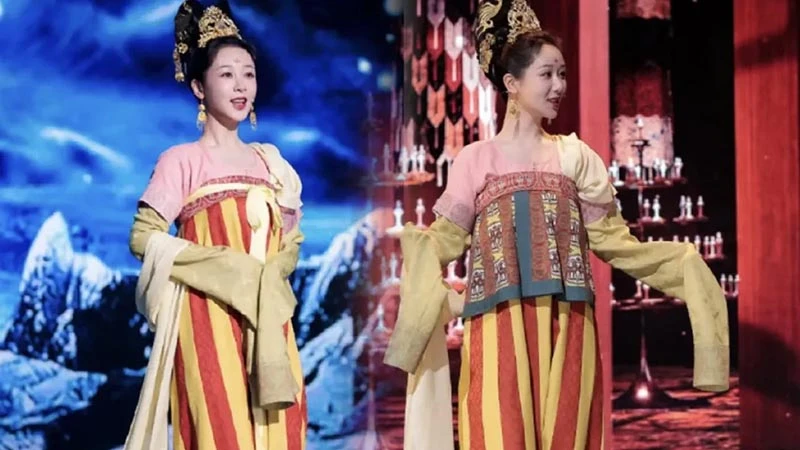
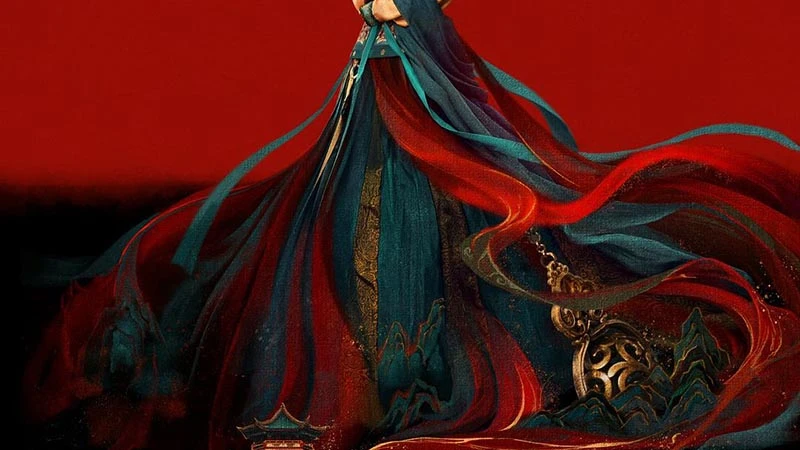
In the recently aired historical drama Flourished Peony (国色芳华), eagle-eyed viewers noticed something peculiar about Dong Jie’s (董洁) character, Feng Xiaoyi (冯小姨): she wore a curious piece of fabric draped across her chest, resembling what modern audiences might jokingly call a “butt curtain.” This accessory, however, is far from a mere costume quirk—it’s a revival of the Wei Shang (围裳), a centuries-old fashion staple from the Tang Dynasty (618–907 CE). What Is a Wei Shang? The Wei Shang, often referred to as a “waist skirt” or yao qun (腰裙), is a versatile garment that wraps around the waist or hips. Historically, it served both decorative and functional purposes. According to The Dictionary of Ancient Chinese Clothing, the Wei Shang was a short skirt worn around the waist, while scholars like Ruan Li (阮立) from Shanghai University describe it as a wide band tied at the hips, often secured with decorative knots or beads. In simpler terms, the Wei Shang is a layered piece of fabric that adds depth and structure to an outfit. Its design can range from a single piece of cloth to multiple panels stitched together, often pleated or embroidered for added flair. From Waist to Chest: A… -
The 1500-Year-Old Striped Skirts That Rival Modern Fashion
In the bustling streets of modern cities, striped skirts have become a staple of contemporary wardrobes. But what if we told you this trend was mastered—and arguably perfected—over 1,500 years ago in China? Recent archaeological discoveries and historical dramas like Kill My Sins (掌心) have reignited fascination with ancient Chinese striped skirts, revealing a sophisticated fashion legacy that continues to inspire today. The Striped Skirt Revolution: A 7th-Century Innovation Contrary to popular belief, striped skirts were not born on Parisian runways or New York streets. The earliest examples emerged during China’s Han Dynasty (206 BCE–220 CE) and evolved into a cultural phenomenon by the Tang Dynasty (618–907 CE). These were no ordinary garments: Engineering Elegance: Unlike modern printed fabrics, Tang-era striped skirts (poqun, 破裙) were painstakingly assembled from narrow, hand-dyed fabric strips—sometimes as many as 90 panels stitched together. Optical Illusions: Ancient tailors strategically used vertical stripes and color contrasts (like black-white or red-blue) to create slimming silhouettes, predating modern "bodycon" aesthetics by over a millennium. Functional Fashion: Excavated artifacts from tombs like Bi Jiatan Huahai (毕家滩花海墓) reveal skirts with pleats and adjustable waistbands, blending artistry with practicality. How Tang Women Wore Stripes The Tang Dynasty’s striped skirt craze reached… -

Decoding Wang Churan’s Hanfu
During the CCTV Spring Festival special Golden Snake Dance: The Flavor of Chinese New Year (金蛇起舞•中国年味), actress Wang Churan (王楚然) made a stunning appearance in traditional Hanfu attire. However, it wasn’t her flowing robes that caught the audience’s attention—it was her hairstyle. Two neatly trimmed strands of hair framing her face led some viewers to question: Was this a nod to Japanese hime cut (公主切), or a genuine representation of ancient Chinese fashion? The Truth Behind the Hairstyle The hairstyle in question, known as chuishao ji (垂髾髻), dates back to the Han (206 BCE–220 CE) and Jin (266–420 CE) dynasties. Historical artworks like Admonitions of the Instructress to the Court Ladies (女史箴图) and The Wise and Benevolent Women (列女仁智图) depict women with high buns adorned with strands of hair neatly trimmed at the temples. This style, often enhanced with hairpieces, was a hallmark of aristocratic fashion during the Eastern Han Dynasty. The chuishao ji wasn’t just a random choice—it was a deliberate aesthetic statement. The trimmed strands, known as fenshao (分髾), were meant to frame the face elegantly, creating a balance between structure and softness. Archaeological findings, such as jade carvings from the Warring States period (475–221 BCE) and murals… -
Ancient T-Shirt: A Fashion Trend from the Tang Dynasty
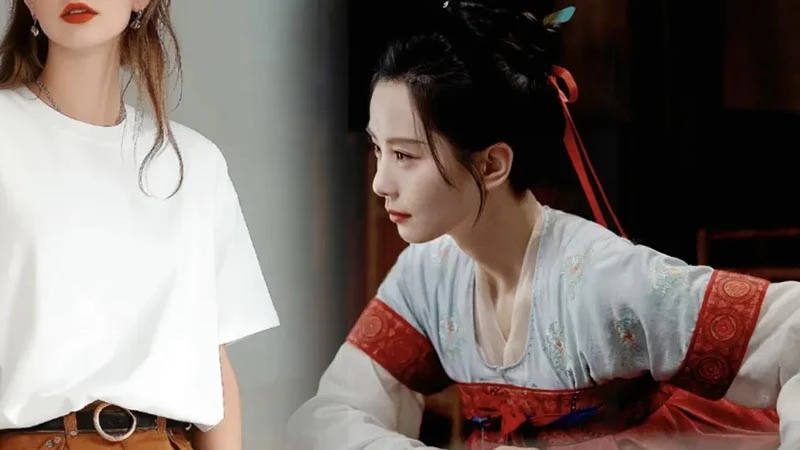
In the world of historical Chinese dramas, costumes are more than just clothing—they are a window into the past. Recently, eagle-eyed fans of actress Liu Shishi (刘诗诗) noticed something intriguing about her wardrobe in her latest period drama: a garment that looks strikingly similar to a modern-day T-shirt. This piece, known as the tanling banbi (坦领半臂), is not a contemporary addition but a fascinating example of Tang Dynasty (618–907 AD) fashion that has stood the test of time. What Is a Tanling Banbi? The tanling banbi is a traditional Chinese garment that combines a wide neckline (tanling) with short sleeves (banbi). The tanling neckline, often compared to a modern scoop or boat neck, is characterized by its deep, open cut, sometimes extending to the chest. This design, which dates back to the Tang Dynasty, was particularly popular among women for its comfort and elegance. The banbi sleeves, which end at the elbow or higher, make the garment practical for daily wear, especially in warmer weather. What sets the tanling banbi apart from modern T-shirts is its construction. Unlike a T-shirt, which is typically pulled over the head, the tanling banbi features a front opening secured by buttons or ties. This… -
The Role of Hanfu in Chinese Literature and Classical Texts
Hanfu, the traditional attire of the Han Chinese, is more than just a piece of clothing—it is a symbol of culture, identity, and history. Throughout Chinese history, literature and classical texts have played a crucial role in shaping and preserving the significance of Hanfu. From ancient poetry to Confucian philosophy, Hanfu is often depicted as a marker of virtue, status, and national pride. But how exactly has Hanfu influenced Chinese literature, and what role does it play in classical texts? Let’s dive into the intricate relationship between Hanfu and Chinese literary traditions. The Symbolism of Hanfu in Classical Chinese Literature Hanfu is not just a form of dress—it is a representation of Confucian ideals, social order, and aesthetics. In classical Chinese literature, Hanfu is often used as a symbol to convey deeper meanings about a character’s identity, social status, and moral values. Hanfu as a Reflection of Status and Virtue In many ancient Chinese texts, clothing is an essential marker of a person’s role in society. The “Book of Rites” (礼记), one of the Confucian classics, describes in detail the appropriate attire for different social classes and occasions. Hanfu was more than fashion—it was a reflection of an individual's virtue… -
Finding Fabrics: "Thrifted" Hanfu Materials
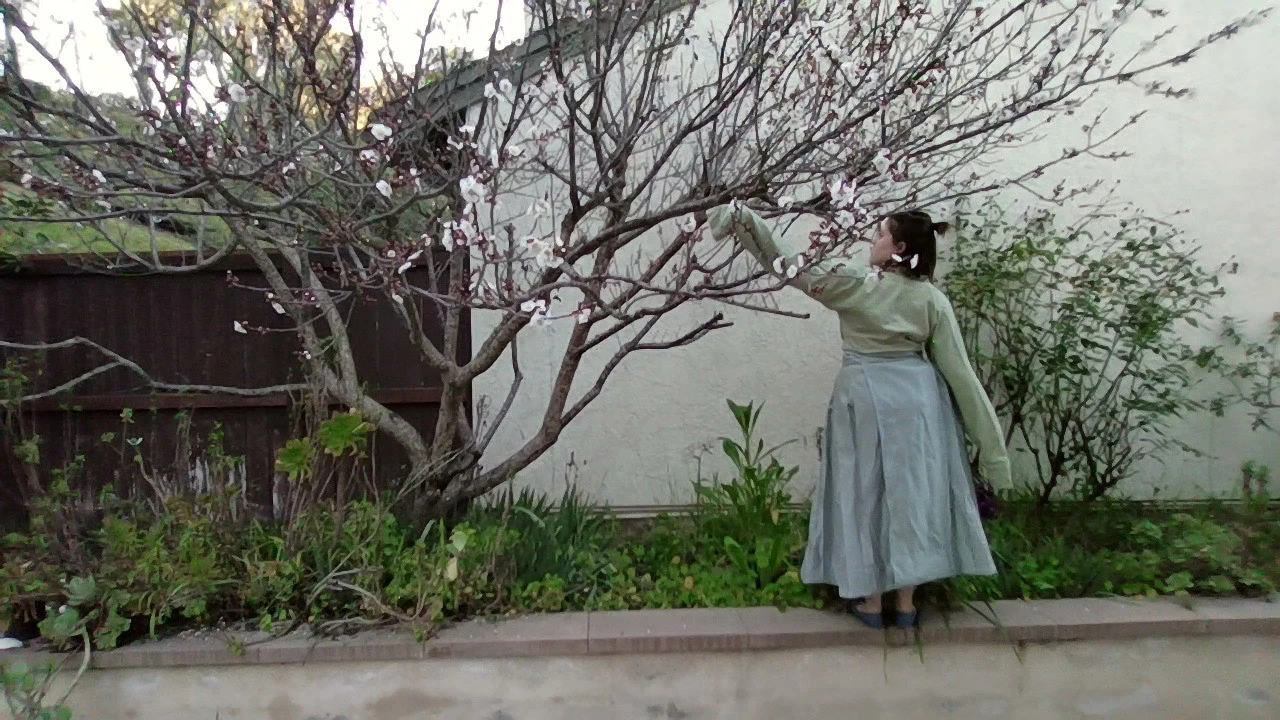
Why should hanfu makers turn to thrift stores? For the deals, of course! -
Footbinding - The High Price of Beauty
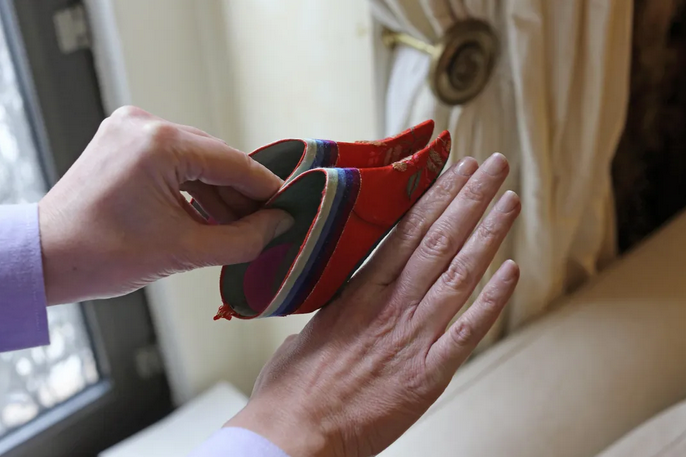
Foot binding (simplified Chinese: 缠足; traditional Chinese: 纏足) was the Chinese custom of breaking and tightly binding the feet of young girls to change their shape and size for aesthetic purposes. Feet altered by footbinding were known as lotus feet and the shoes made for them were known as lotus shoes. It has been estimated that by the 19th century 40–50% of all Chinese women may have had bound feet, rising to almost 100% among upper-class Han Chinese women. The lotus flower, a symbolically significant flower across Eastern countries and religions, is associated with beauty, enlightenment and rebirth. Every morning the lotus flower emerges elegant and pure from muddy waters. In Buddhism, the white lotus flower is symbolic of Bodhi, or, being awakened. Thus the lotus is also a symbol of desire and fertility. History: Footbinding was an extremely painful and debilitating cultural practice, existing in China from the 10th century until the establishment of the People’s Republic of China in 1949. First practice was documented in the Southern T'ang Dynasty (937-956 AD), although some poetry from the Han Dynasty (206 BC-AD 220) suggests that small feet were culturally preferred before documentation of the custom. The exact origin of… -
Ancient Inspirations: How Chinese Art Shapes the World Today
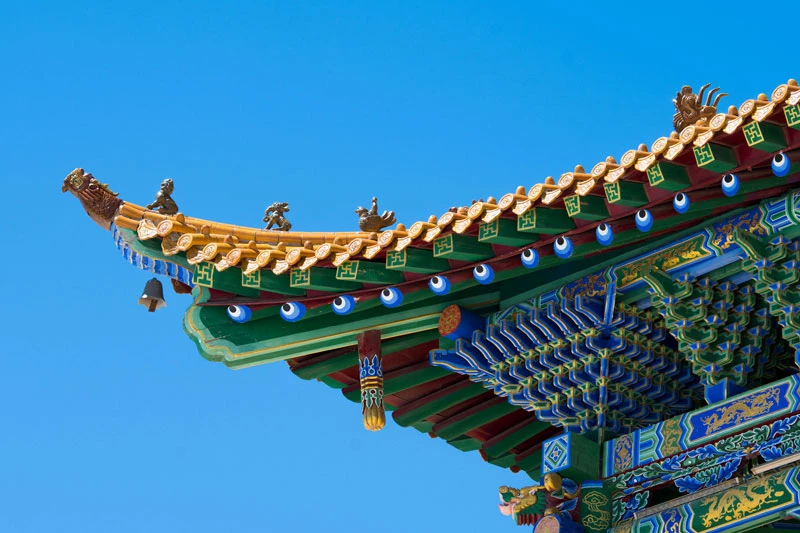
For centuries, Chinese art has served as a foundation for creative expression across the globe. From intricate ink paintings to elaborate porcelain designs, its influence can be seen in modern architecture, fashion, and even digital media. As students explore art history, they will find that Chinese artistic traditions continue to inspire contemporary artists, sculptors, and designers worldwide. The historical significance of Chinese art offers a rich source of study material for college learners seeking a deeper understanding of artistic evolution. Studying Chinese art is not just about appreciating aesthetics—it also teaches critical thinking and cultural awareness. Whether working on assignments in school or conducting independent research, students will uncover fascinating artistic techniques that date back thousands of years. These methods, such as calligraphy and landscape painting, still impact creative fields today. By incorporating these artistic principles into their own work, students can gain valuable insights into the power of cultural expression. For students facing tight deadlines, conducting thorough research on this topic can be overwhelming. A deep dive into ancient Chinese art requires analyzing historical influences, understanding symbolism, and comparing past and present artistic techniques. To ease the burden, learners can pay for high-quality research paper at WritePaper, ensuring they… -
From Tradition to Trend: Evolution of Chinese Fashion
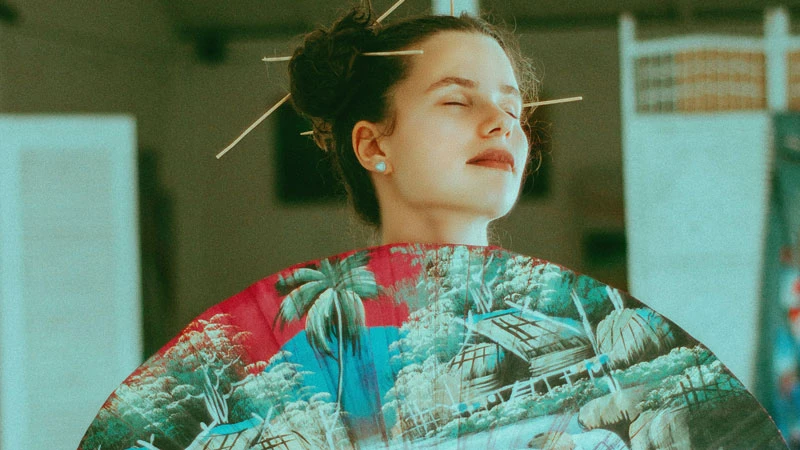
Fashion is a reflection of history, culture, and identity, evolving alongside society. Chinese fashion, in particular, has undergone a remarkable transformation, shifting from traditional attire to modern, globally influenced styles. This evolution is deeply connected to social changes, economic growth, and cultural exchanges with the world. Understanding how Chinese fashion has changed over time provides valuable insights for students interested in history, art, and design. For centuries, China’s clothing styles were shaped by dynastic rules, Confucian values, and regional influences. The Hanfu, Tang suit, and Qipao symbolize different eras, each with unique materials, patterns, and meanings. These garments carried social significance, often indicating class, status, and occupation. However, as China opened its doors to modernization and globalization, traditional clothing slowly gave way to contemporary designs influenced by Western trends. Today, fashion in China blends tradition with innovation, creating styles that appeal to both young students and professionals. The rise of street fashion, sustainable clothing, and high-end Chinese designers has positioned China as a fashion powerhouse. Many students now explore this transformation in college, studying fashion history, design, and business as part of their assignments. This shift not only reflects aesthetic changes but also highlights the deeper impact of culture on… -
Yang Zi Stuns in Ming Dynasty-Inspired Hanfu
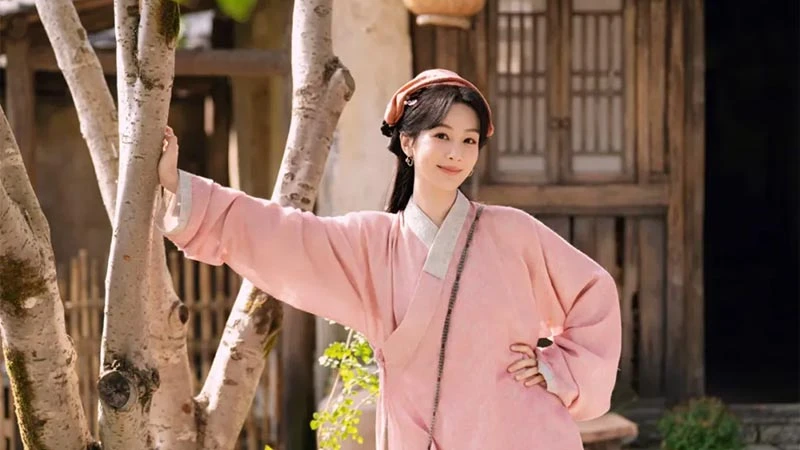
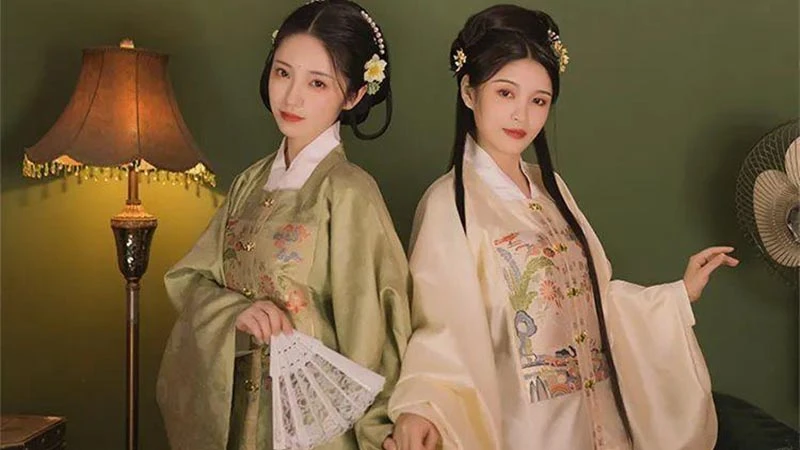
Chinese actress Yang Zi (杨紫), known for her versatile roles in television dramas, has once again captured the public’s attention—this time, not for her acting, but for her impeccable fashion sense. Recently, the star shared photos of herself dressed in Hanfu, traditional Chinese clothing, to celebrate the Lantern Festival. The images, which quickly went viral, showcased Yang Zi in two stunning Ming Dynasty-inspired outfits, sparking discussions about the modern revival of Hanfu and its place in everyday fashion. A Nod to Ming Dynasty Elegance Yang Zi’s Hanfu choices are rooted in the Ming Dynasty (1368–1644), a period known for its rich cultural heritage and distinctive fashion. The two outfits she wore are variations of aoqun (袄裙), a traditional style consisting of a top (ao) and a skirt (qun). The first ensemble features a soft pink ao with a crossed collar, paired with a gray pleated skirt. The second look is a refreshing green ao with a front-opening design, layered over a subtle red undergarment, creating a harmonious yet striking color contrast. What makes Yang Zi’s outfits stand out is their accessibility. Unlike the elaborate Hanfu often seen in historical dramas, her choices are tailored for modern wear. The muted tones—pink,… -
Xi'an's Hanfu: Youth Embrace Ancient Chinese Cultural Aesthetics
The vibrant city of Xi'an, historically known as the cradle of Chinese civilization, has witnessed a cultural renaissance of sorts. In recent years, the streets and landmarks of this ancient city have become a living museum of traditional Chinese fashion—particularly Hanfu, the traditional clothing that dates back to the Han Dynasty. What was once considered an artifact of history has now made a bold return to the streets, worn by young people in daily life and by tourists looking to engage with Chinese heritage in a deeply immersive way. This resurgence has sparked interest worldwide, making Xi'an one of China's leading cultural hubs. In this article, we delve into the multifaceted role of Hanfu in Xi'an, its relationship to cultural confidence, and the broader implications for China's cultural identity today. Xi'an, known as the ancient capital for over 13 dynasties, is a city where history and modernity collide. For thousands of years, the city has been a center of political, cultural, and economic power in China. The Han and Tang dynasties, in particular, left an indelible mark on the city’s legacy, contributing to an atmosphere filled with ancient cultural relics and awe-inspiring architectural wonders. With the rise of Hanfu,… -
Hanfu Blogger Shares Cultural Exchange Journey
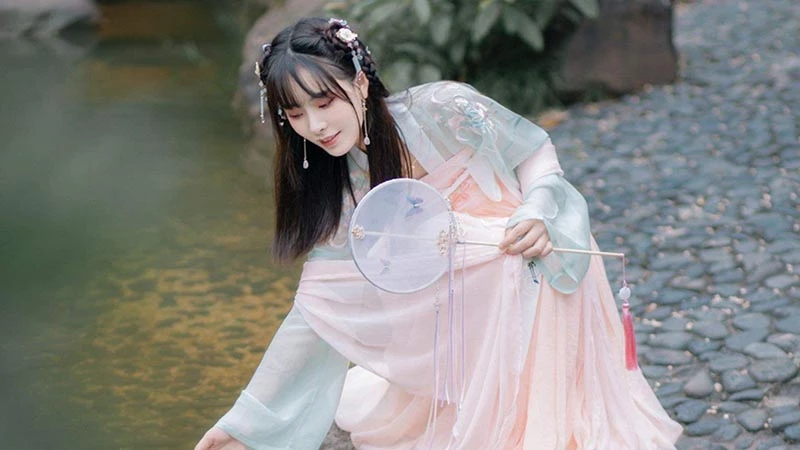
In recent years, the ancient beauty of Hanfu, the traditional attire of China, has transcended its niche roots to become a global sensation. With hashtags like “Sharing the Beauty of Hanfu with the World” trending across social media, Hanfu has emerged as a symbol of cultural pride and a bridge between history and modernity. This revival is fueled by passionate advocates, like influencer Zhou Sisi (周思思) better known as “Si Miao (思喵) hose journey into the world of Hanfu exemplifies the blend of history, art, and personal expression fueling this movement. Zhou Sisi, a renowned Hanfu blogger with over 400,000 followers across platforms, recalls her first brush with Hanfu as a fascination with its aesthetic appeal. However, her interest deepened as she delved into the history behind these garments. “When I first started wearing Hanfu, I only admired its beauty,” Zhou explained. “But as I explored its historical roots, I became captivated by the eras it represented.” Zhou’s preferred styles include Tang and Ming dynasty recreations, each offering unique insights into the people and culture of those periods. For instance, Tang dynasty Hanfu, with its flowing and inclusive designs, reflects the openness and grandeur of one of China's most cosmopolitan… -
Zhang Ziyi's Iconic Qipao in the Screen
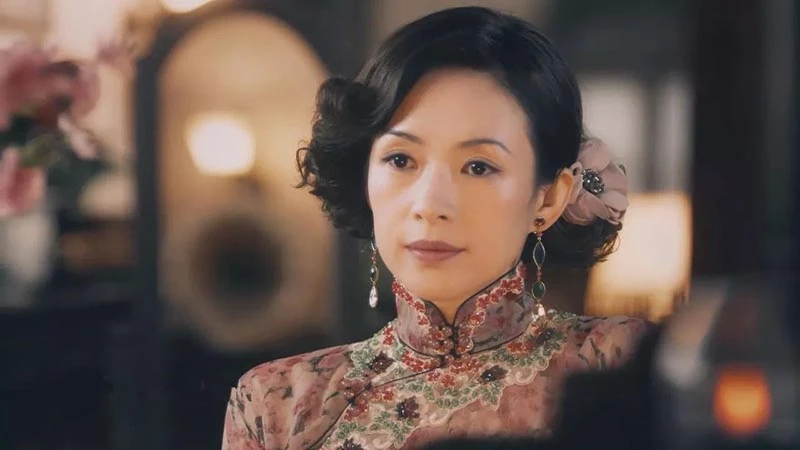
In an episode of the Chinese show The Birth of an Actor (演员的诞生), Zhang Ziyi (章子怡) and Zhou Yiwei (周一围) re-enacted a classic scene from the 1988 film Rouge (胭脂扣). To perfectly embody the characters, Zhang Ziyi borrowed two qipaos from costume designer Zhang Shuping (张叔平), famous for his work on The Grandmaster (一代宗师). This homage to the qipao, one of China's most iconic garments, invited a closer look at its cultural resonance and its timeless ability to embody feminine grace. As we explore the evolution of the qipao, it's clear why this traditional attire remains a powerful symbol of both beauty and heritage. The Qipao: More than Just a Dress The qipao, known for its sleek silhouette and elegant cut, has long been a symbol of Chinese femininity. Its high collar, tightly fitted bodice, and side slits beautifully emphasize the figure, and it has become a symbol of grace and allure. What makes this garment truly stand out is its ability to reflect the wearer's personality, from its material and pattern to its accessories. In the case of Zhang Ziyi's re-interpretation of the qipao in Rouge, the combination of the outfit's delicate floral design and its minimalist elegance captures… -
The Latest Hanfu Trend in Modern China
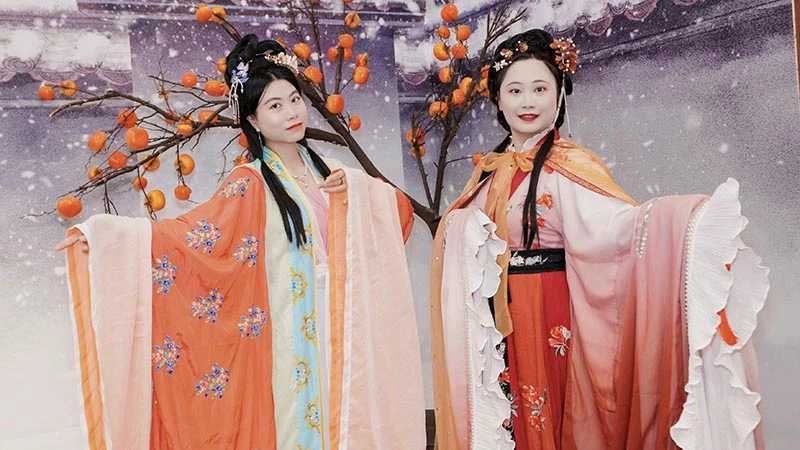
The revival of Hanfu, traditional clothing of the Han ethnic group, has become a defining cultural trend in modern China. From parks to shopping malls, young enthusiasts can be seen wearing the elegant, flowing garments, reflecting both aesthetic appreciation and cultural pride. This phenomenon is more than a passing trend; it signifies a deeper connection to history and tradition. Hanfu’s history is a testament to the cultural evolution of the Han people. Broadly speaking, it encompasses various traditional styles developed over millennia, absorbing elements from different ethnic groups. Narrowly defined, it often refers to garments from the Han Dynasty, which established core stylistic elements such as crossed collars, wide sleeves, flat cutting techniques, and the use of silk or hemp materials. While Hanfu adapted and evolved, these fundamental characteristics remained unchanged, highlighting its ability to blend innovation with tradition over 2,000 years. This adaptability is a key reason why Hanfu has endured and now resurges as a symbol of cultural pride. The Challenges Facing the Hanfu Movement Despite its historical roots, the modern Hanfu movement is not without controversy. The rapid growth of the Hanfu market, now valued at over 10 billion RMB, has led to significant challenges. Some designs… -
Breathing New Life into Wei-Jin Hanfu
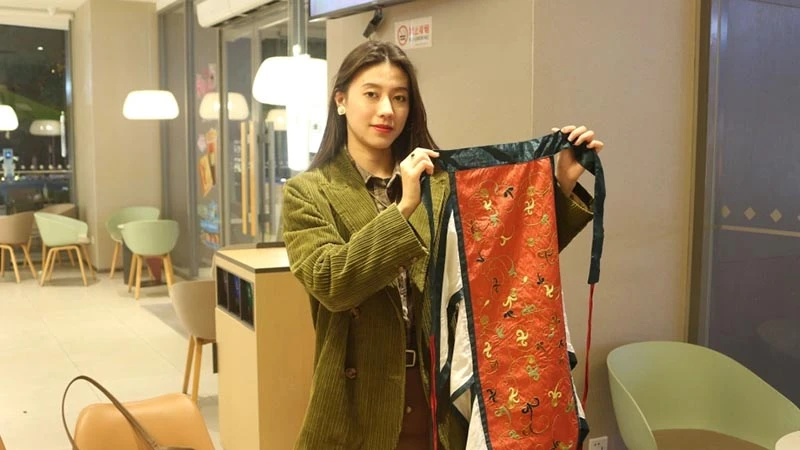
In a world increasingly captivated by modern fashion, a young designer at Wuhan Textile University is proving that ancient styles can be just as enchanting. Li Yanjun (李艳君), a graduate student with a passion for traditional Chinese culture, has recreated the flowing garments of the Wei-Jin period, inspired by the legendary Luo Shen Fu painting (洛神赋图) by Gu Kaizhi (顾恺之). Her meticulous work, showcased in a serene photoshoot at the Qingchuan Pavilion (晴川阁), has garnered widespread acclaim, with her video on Bilibili amassing over 14,000 views. A Vision of Wei-Jin Hanfu Li's recreation draws directly from the Luo Shen Fu painting, a celebrated Eastern Jin masterpiece illustrating the romantic tale of Cao Zhi and the goddess Luo Shen. The attire, known as the "zaju chuishou" (杂裾垂髾) ensemble, includes a flowing daxiushan (大袖衫, large-sleeved robe), a banbi (半臂, short-sleeved garment), a biji (蔽膝, knee cover), and a ruqun (襦裙, skirt). Li spent 40 hours intricately embroidering a crimson biji with starry cloud patterns, a design chosen to reflect the ethereal nature of the goddess. “The biji is more than just an accessory,” Li explained. “Its triangular drape was key to the elegance and symbolism of Wei-Jin attire, marking status and adding… -
Dong Mingzhu's Hanfu Experience in Cao County
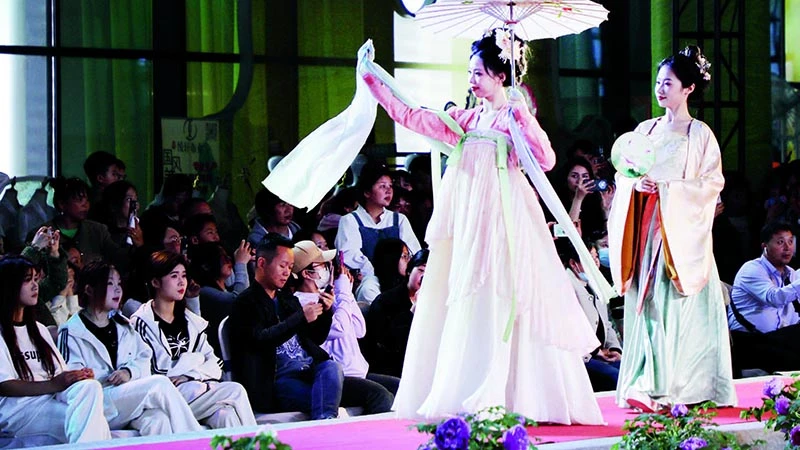
It was an ordinary day in the historic streets of Luoyang when Dong Mingzhu (董明珠), a celebrated Chinese business leader, donned her first Hanfu—a pale blue Ming-style ensemble that caught the eyes of onlookers. Just eight days later, she returned, this time wearing a regal Tang dynasty outfit that matched her commanding presence. Accompanied by her friends, each draped in their chosen styles, Dong’s adventures became a viral moment for Hanfu lovers across China. While Dong’s choice in Hanfu showcased her unique personality, the quiet star of her story was an unassuming county in Shandong—Cao County (曹县). The Hanfu she wore, like many others seen in ancient-style photoshoots or festivals, originated from this lesser-known corner of China. The Small Town with Big Hanfu Dreams Located in southeastern Shandong, Cao County has undergone a cultural and economic metamorphosis. On the surface, it remains humble—far from the bustling touristy image one might expect. But venture fifteen kilometers to Daji Township, and you step into a thriving hub of creativity and entrepreneurship, where small shops handle everything from fabric cutting to digital printing and logistics. Once famous for its mass production of performance costumes, Cao County has emerged as a center of affordable… -
The Craft of the Chinese Bamboo Hat
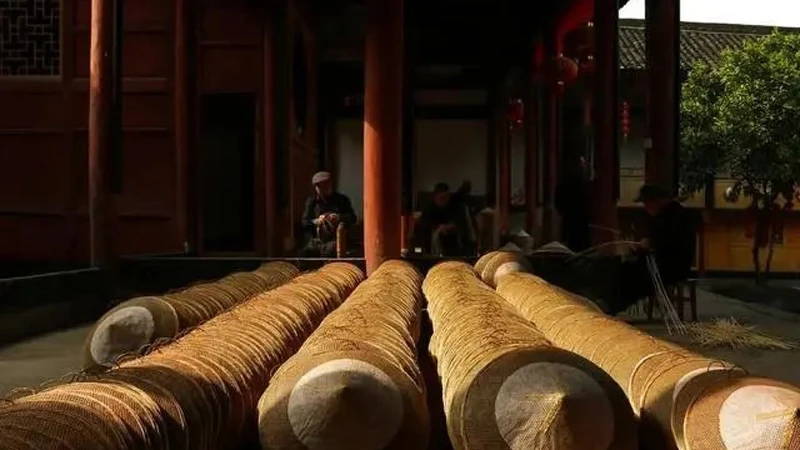
Nestled in the heart of Zhongfang Town (中方县), China, there is an enduring tradition that has long symbolized the region's deep connection to both nature and craftsmanship—the bamboo hat, or "douli (斗笠)". This simple yet elegant headgear, often depicted in poetry and art, holds a special place in Chinese cultural heritage. The bamboo hat has become more than just a functional accessory; it is a timeless symbol of the region's ingenuity, resourcefulness, and respect for the natural world. As you wander through the charming streets and alleyways of Zhongfang, you'll notice a unique sight. At almost every corner, residents are busy crafting these iconic hats, weaving together bamboo strips with remarkable skill. Some sit at the doorways of their homes, others at small wooden stools, each person using their hands to bring the bamboo to life, patiently creating what will soon be a work of both form and function. The bamboo hat's origins can be traced back to the Han Dynasty, but it reached its peak during the Ming and Qing Dynasties. Legend has it that during the reign of the Qianlong Emperor, artisans spent years perfecting the art of hat-making, experimenting with different materials and techniques. What began as… -
Xinjiang's Famous Food, Naan Round Flatbread
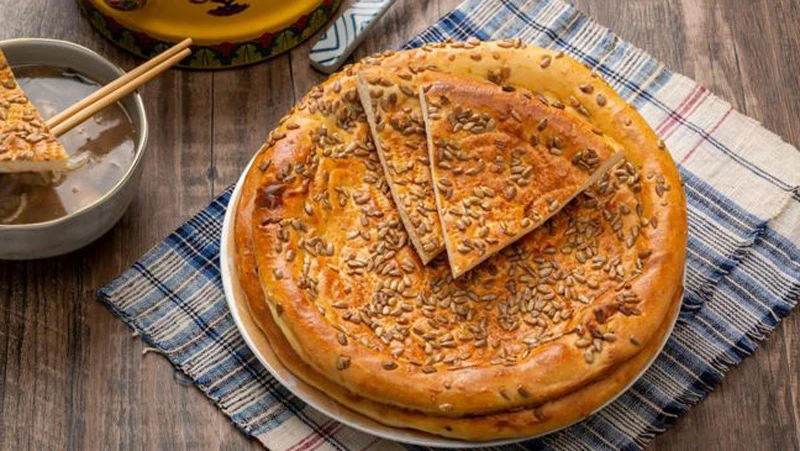
When you visit Xinjiang, the rich and diverse culinary culture is a must-experience, with one food standing out: "naan" (馕). This round flatbread is more than just a staple—it's an integral part of the region's history, culture, and daily life. While Xinjiang's cuisine varies across regions, naan remains a constant, bridging the vast cultural and geographic diversity. It's almost a rite of passage for visitors to leave Xinjiang with naan tucked in their bags, an edible souvenir of sorts. But for those unfamiliar with this bread, the first question often arises: "Why does it look so dry and hard, and yet why do locals love it so much?" The answer is simple: "naan" is far more than just food. It's an experience, a memory, and a taste of home that lingers in the heart long after the last bite. The term "naan" itself has its roots in the Persian word for bread, and its evolution is closely tied to the region's cultural exchanges. The "naan" we know today closely resembles the ancient "Huping (胡饼)" bread mentioned in texts from the Han dynasty, which the people of the Central Plains adored. The most significant difference between ancient and modern naan is… -
The Heart of Hanfu in Melbourne, Australia
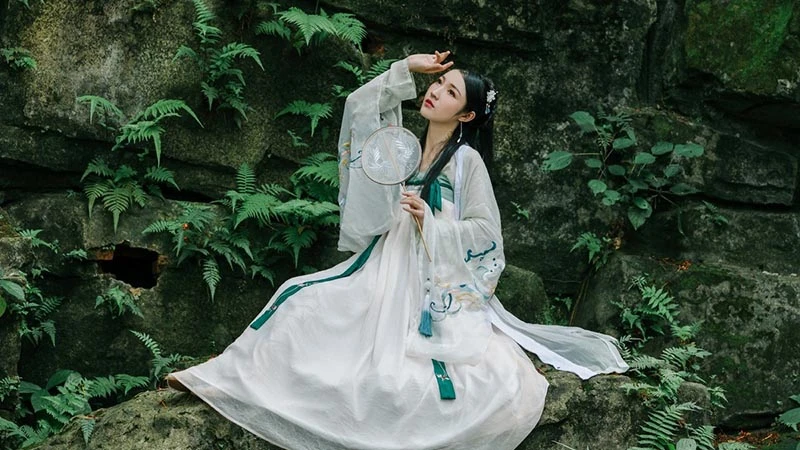
On a clear day in Melbourne, Australia, a picturesque scene unfolded as a group of students adorned in flowing Tang-style skirts hosted a cultural gathering. This unique event introduced the charm of Hanfu—traditional Chinese clothing—to a diverse audience, creating an unforgettable celebration of heritage, artistry, and community. Hanfu’s growing popularity in Melbourne owes much to the dedication of a unique community. Originally founded as a student interest group at the University of Melbourne, the Melbourne Hanfu Society has blossomed into a citywide organization, welcoming members from various universities and walks of life. Jin Qianying (靳倩莹), a graduate student in urban planning and the society's president, reflects on this evolution: “Initially, we were a small university club. Over time, more people outside our campus became interested in Hanfu, so we expanded our reach to all of Melbourne,” Jin explains. At a recent cultural gathering, the society transformed a park into a space for cultural immersion and social connection. Attendees dressed in Hanfu posed for photos, exchanged stories, and bonded over a shared passion for tradition. “Many participants said they not only experienced the beauty of Hanfu but also met like-minded individuals,” Jin adds. Reviving the Past, Inspiring the Present Hanfu’s revival… -
Dunhuang Echoes: A Timeless Fashion Odyssey
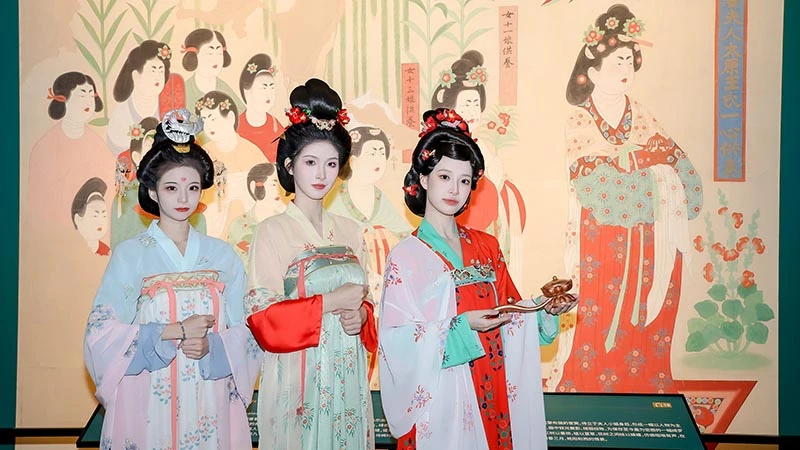
The 2024 Dunhuang Art Exhibition The highly anticipated Dunhuang Art Exhibition: "Why Dunhuang?" (何以敦煌) has captivated audiences since its opening on September 20th at the China Art Palace, drawing over 100,000 visitors from both China and abroad. The exhibition has sparked a wave of interest in traditional Chinese culture in Shanghai, and on November 23rd, it launched the "Hanfu Week" theme event, offering a unique opportunity for attendees to experience the beauty of ancient Chinese attire firsthand. In a stunning presentation, 18 Dunhuang ambassadors, wearing meticulously restored costumes based on the murals from the Dunhuang Research Institute, paraded in a fashion show titled "The Walk-Out Dunhuang Murals." The show brought to life the vibrant, ancient world of Dunhuang, giving visitors an unforgettable experience that spanned across time and space. Dunhuang Hanfu Week Set against the backdrop of the grand China Art Palace, an enormous floor-to-ceiling mural depicting the "Three Rabbits with Lotus Flowers" greeted visitors. This symbolic artwork guided them into the magical world of Dunhuang, where the ambassadors seemed to emerge directly from the murals, walking through the desert sands of the Silk Road, and inviting guests to embark on a visual journey. With their graceful steps and elegant…