Article
搜索结果:
-
Festivals & Hanfu: A Seasonal Style Guide
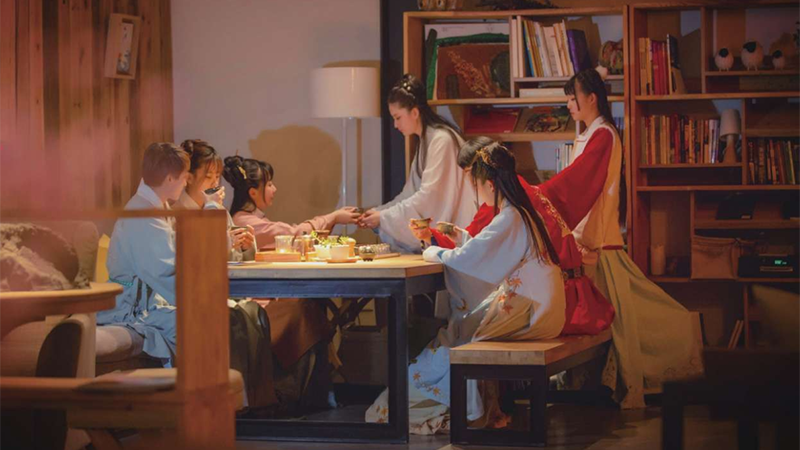
Ancient Chinese wisdom distilled clothing choices into simple truths: light robes for summer, padded jackets for winter. But look closer, and you’ll find a nuanced system—24 solar terms (节气), 72 micro-seasons (物候), and festivals each demanding specific colors and motifs. This wasn’t just practicality; it was a silent dialogue between humans and the rhythms of nature.. Chapter 1: Lunar New Year (春节) The tradition of wearing new clothes for the Lunar New Year is widespread in Chinese culture. Regardless of social class, people are expected to wear their finest attire to usher in the new year. For officials and those of higher status, formal ceremonial clothing is a must. The colors of these garments—red, blue, yellow, white, and black—offer a range of options, but certain traditions guide their use. White is typically worn for mourning, red symbolizes celebration, and yellow was reserved for emperors after the Tang Dynasty. Red, blue, and black are more common, with red standing out as a symbol of prosperity, joy, and good fortune. Throughout the New Year festivities, red decorations such as firecrackers, lanterns, and spring couplets (春联) fill the environment, creating an atmosphere of happiness and festivity. Red has become the hallmark of wealth… -

The Over-the-Top Sleeves of Historical Dramas: Style or Inconvenience?
If you've ever watched a historical drama and wondered how anyone in those flowing, oversized sleeves could manage to go about their daily life—let alone eat, fight, or even use the restroom—you're not alone. The sight of characters gracefully strolling through scenes, their sleeves billowing out like sails, can seem a bit comical at times. But are these oversized sleeves a true reflection of ancient attire, or just a modern cinematic effect designed for flair? Understanding the "Big Sleeve" in Historical Fashion The term "wide sleeves" or "broad sleeves" has become almost synonymous with traditional Chinese clothing, especially in popular depictions of Hanfu in historical dramas. But here's the first thing to clarify: this feature is not a universal characteristic of all Hanfu garments. Instead, it’s a defining element of the ceremonial or formal robes, often worn by people of high social status, such as royalty or high-ranking officials. The expansive sleeves were meant to highlight the wearer’s identity, power, and elegance, signaling a person’s nobility or importance. Outside of official events or ceremonies, though, everyday clothing was designed for practicality, not drama. The oversized sleeves often seen in TV shows are a more recent trend driven by visual aesthetics,… -
The Costume Conundrum of Ming Dynasty in 1566
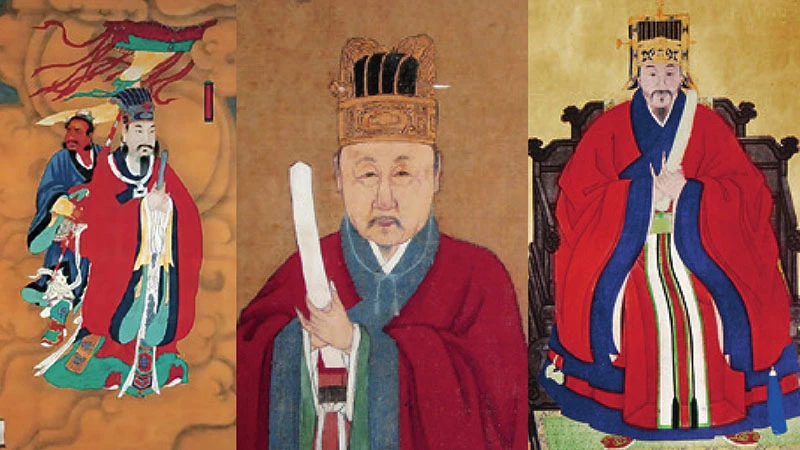
As a history enthusiast and frequent viewer of period dramas, I’ve noticed a troubling trend: even well-received shows often stumble when it comes to historical accuracy in costumes. Ming Dynasty in 1566 (大明王朝1566), a political drama lauded for its intricate plot and acting, is no exception. Despite its sky-high ratings, the series fails to accurately portray Ming-era official attire—a surprising misstep given the wealth of surviving records and artifacts from the period. Historical Accuracy vs. Creative Liberties The drama revolves around court politics, featuring emperors, ministers, and bureaucrats. Ming official clothing, meticulously documented in texts like the History of Ming, leaves little room for ambiguity. Yet the show’s costume design strays far from reality. Take the officials’ headwear, for example. The odd, box-like crowns worn by characters resemble a simplified version of the Longjin (笼巾), a ceremonial headpiece reserved for nobility—not regular officials. According to the History of Ming, the Longjin was part of formal court attire (chaofu, 朝服) worn during grand ceremonies. It included intricate accessories like jade or gold cicadas, pheasant feathers, and layered silk bands. Yet in the show, the design feels cheap and anachronistic—closer to a generic “ancient official” costume bought in bulk for low-budget productions.… -
The Cloak: Style vs. Practicality in Historical and Modern Dramas
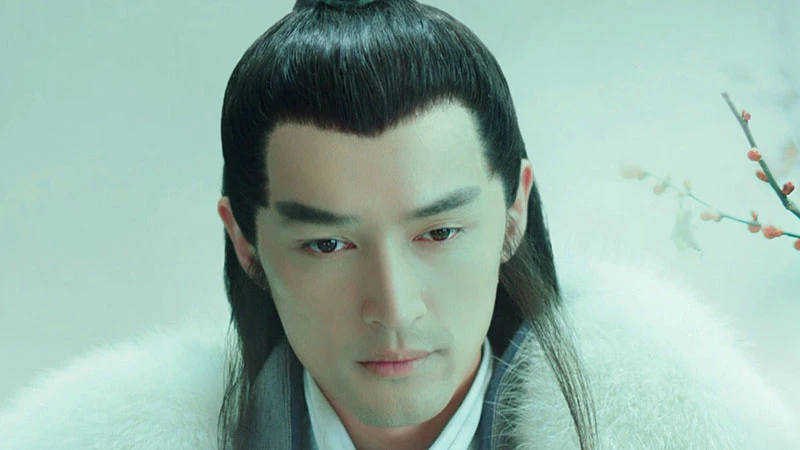
If there’s one thing historical dramas love, it’s a good cloak. Flowing, dramatic, and effortlessly elegant, the cloak has become a staple in costume design, draping over generals, scholars, and noblewomen alike. But as striking as they look on screen, one can’t help but wonder—do these cloaks actually keep anyone warm? Take Nirvana in Fire (琅琊榜) as an example. The protagonist, Mei Changsu (梅长苏), spends most of his time wrapped in thick fur-lined cloaks, yet somehow, he always looks like he’s one chilly breeze away from freezing solid. Viewers have joked that he must have succumbed to hypothermia long before the series’ dramatic conclusion. So what’s the deal? Are these cloaks truly as impractical as they seem, or is there more to their historical evolution? Cloaks in Costume Design Cloaks have long been favored by costume designers for their cinematic effect. They add movement to a character, create an air of mystery, and make even the most unassuming figure look imposing. In Nirvana in Fire, Mei Changsu’s fur-lined cloaks emphasize his frailty while still giving him an air of quiet authority. But do these garments serve their intended function, or are they just glorified fashion statements? The answer, unfortunately, leans… -
The Unexpected Modern Appeal of Ming Dynasty Fashion
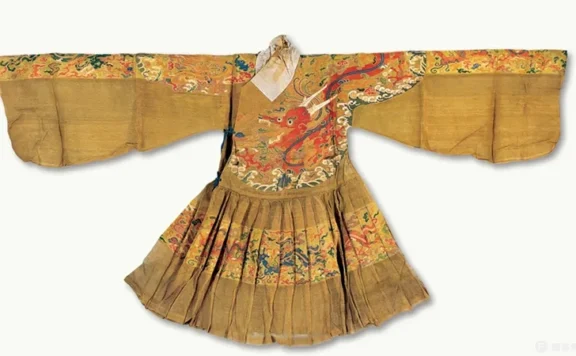
If you spotted a character in a historical drama twirling in a pink, pleated dress and thought, Wow, that looks surprisingly modern, you're not alone. The outfit in question, featured in The Glory (雁回时), closely resembles a contemporary flared dress, but it actually belongs to a category of Ming Dynasty garments known as tieli (贴里). This style, along with the similar yesa (曳撒), reflects a fascinating blend of influences, practicality, and visual appeal—so much so that modern designers could easily take inspiration from it. Tieli vs. Yesa: Not Just for Women At first glance, tieli and yesa might look like elegant, structured dresses, but in the Ming Dynasty, they were primarily worn by men. Both originated under the influence of Yuan-Mongol styles but were later adapted into Han Chinese fashion. The key difference? Yesa features a smooth front panel known as a Mamian (马面), while tieli is characterized by full pleats from top to bottom. These structured garments were designed for mobility, making them popular choices for officials, scholars, and even military figures. While women occasionally wore these garments, it was often as part of cross-dressing trends in dramas or plays, where they took on male roles. Today, it’s not… -
Ming Dynasty Jewelry in "Nirvana in Fire 2"
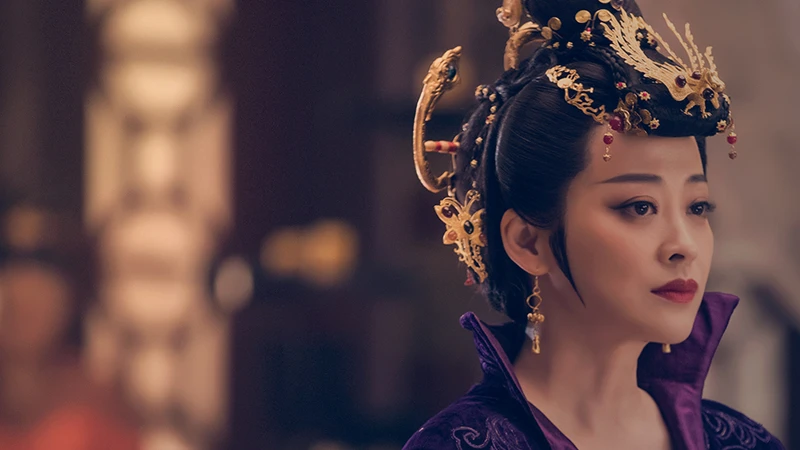
As someone deeply passionate about historical clothing and accessories, people often ask me: "Does your knowledge of ancient fashion ruin your enjoyment of period dramas?" The answer is—quite the opposite! In fact, it adds another layer of enjoyment, turning each viewing into a treasure hunt for accurate details (or amusing anachronisms). Take "Nirvana in Fire 2" (琅琊榜之风起长林), for example. The series boasts stunning visuals, but as I watched, I couldn't help but notice a curious detail—the jewelry worn by characters like Empress Xun (荀皇后) and the Grand Lady of Laiyang (莱阳太夫人) bore striking similarities to Ming Dynasty designs. However, their application in the drama was... unconventional, to say the least. It appears that the production team sourced historically inspired pieces but missed the mark on how they were actually worn. Filigree Gold Phoenix Hairpins One of the most eye-catching pieces worn by Empress Xun is a set of three gold phoenix hairpins (累丝嵌宝石金凤簪). These exquisite accessories have a real-life counterpart: they are modeled after jewelry unearthed from Ming Dynasty imperial tombs in the western suburbs of Beijing. These tombs, unfortunately looted and excavated long ago, left behind only fragments of their once-lavish burial artifacts, yet what remains showcases remarkable craftsmanship.… -
A Glimpse Into The Mangpao in The Glory
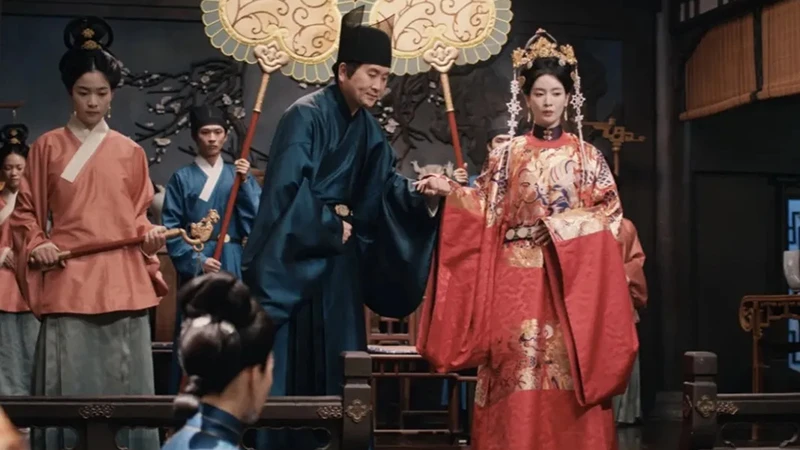
The opulent red gown worn by the character of Empress Miao in the historical drama The Glory (雁回时) has left viewers in awe. With its vibrant crimson hue, intricate details, and dramatic silhouette, it conjures up images of Dream of the Red Chamber (红楼梦), especially the scene where the imperial consort visits the imperial court in a ceremonial outfit. Could it be a nod to a regal garment from the Ming Dynasty, the mangpao (蟒袍), a dress that exudes both power and ceremony? The outfit Miao Guifei (苗贵妃) wears in The Glory isn't just any costume—it's an interpretation of the mangpao, a traditional Ming Dynasty ceremonial gown typically worn by high-ranking officials and imperial family members. The gown’s structure is a perfect balance between grandiosity and elegance, characterized by its round collar, long robe length, and the iconic mang (蟒) dragon motif embroidered onto the fabric. The mangpao was often reserved for the most important occasions, worn by figures of the highest stature, such as empresses or consorts. In the case of Miao Guifei, the attire suggests not only her high rank but her formidable presence—no wonder viewers felt like this was more than just a royal entrance; it had… -

Why Costume Dramas Has Same Clothes?
If you've seen the stills of costume dramas like Moyu Yunjian and For the Sake of the Hidden Fragrance, you'll notice that director Yu has a particular preference for one type of clothing style: the shirt and skirt ensemble. It's the most common style in traditional Chinese clothing and also the easiest to mass - produce and replicate. It's like wearing hundreds of different - colored shirts. Can you really not get aesthetically tired of it? Styles of Shirt and Skirt The upper part of the shirt and skirt can be in the styles of cross - collar, front - closing, or shallow cross - collar. The lower skirt is usually a split skirt or a pleated skirt. Simply put, if you change the fabric and color of the upper shirt and the lower skirt respectively, it counts as a new set of clothes. The dynasties when the shirt and skirt were most popular were the Tang and Song dynasties. The styles of the shirt and skirt in these two periods were different. In the Tang Dynasty, the skirt was tied high to the chest, showing a luxurious and noble style. In the Song Dynasty, the skirt returned to the… -

A Date with Hanfu in the Spring Breeze
On March 29, 2025, as the 'Spring Festival Elder' Luoxia Hong from Langzhong and famous lyricist Fang Wenshan jointly opened the door, the 2025 Langzhong Hanfu Festival grandly kicked off at the Chengqing Gate in Langzhong Ancient City, Sichuan. The event, themed 'Roaming in Langzhong with Hanfu, Spreading the Glory of Chinese Culture', attracted thousands of Hanfu enthusiasts from all over the country to gather in Langzhong Ancient City for the 'Dynasty Carnival'. It was a feast that allowed people to glimpse the beauty of Hanfu across thousands of years. The term 'tongpao' refers to contemporary Hanfu lovers. At 9:30 a.m., the 'Spring Festival Elder' Luoxia Hong, dressed in Hanfu and holding a celestial globe, started the event, accompanied by the dance of twenty - four flower fairies. Various phalanxes, including those representing the Han, Three Kingdoms, Tang, Song, and Ming dynasties, as well as wedding, twelve flower fairies, intangible cultural heritage peddler, Hanfu merchant, parent - child, public, and flag phalanxes, paraded in turn. More than 1,000 Hanfu enthusiasts, with delicate makeup and elegant accessories, showed the classical and elegant beauty of Hanfu to the fullest. The 'Dynasty Carnival' was based on China's excellent historical culture, with elements such… -

Bai Lu vs Li Yitong: Same Little Fox Fairy Hanfu
In many ancient costume or xianxia (仙侠) dramas nowadays, the same costume stylist is often used, so it's easy to have some "dressing alike" situations. Bai Lu and Li Yitong not only wore the same clothes but also had the same hairstyle. They both had the little fox makeup and styling. Moreover, there is only a four - year age gap between Li Yitong and Bai Lu. Many people even say they look like twins and sometimes can't tell them apart. But with the same Hanfu and hairstyle this time, unexpectedly, Bai Lu looks more like Li Yitong's elder sister. Analysis of Bai Lu's Hairstyle and Appearance in Xianxia Drama First, let's look at the hairstyle. There are two frizzy ponytails on the head, highlighting the little fox's liveliness and playfulness. Double ponytails also make one look more innocent. Xianxia Hanfu usually has a slightly exaggerated beauty, creating an effect of a mountain elf. Bai Lu is just like this. From afar, she looks exactly like a little fox from the forest taking its first step into the world, lively and a bit cute. Bai Lu's face and figure are quite ordinary. With a face shape more like that of… -

What's the Best Material for Cheongsams?
The cheongsam, hailed as the 'second skin' of Chinese women, owes its charm not only to its exquisite tailoring but also to the texture of its fabric. The material of a cheongsam directly determines its comfort, aesthetics, and suitability for different occasions. So, what material is the most suitable? This article combines traditional craftsmanship with fashion trends to reveal the golden rules of cheongsam material selection. I. Top List of Classic Materials: Eastern Charm from Tradition to Modernity 1. Silk: A Synonym for Luxury and Heritage Advantages: Silk cheongsams are known for their softness, skin - friendliness, breathability, and moisture absorption. The natural luster can perfectly present the drape and noble temperament of the cheongsam. Traditional silk fabrics such as double - crepe, habutai, and Hangzhou gauze are especially suitable for summer receptions or banquets, looking as light and elegant as a 'walking work of art'. Points to note: They require professional dry - cleaning and should be protected from direct sunlight and friction to avoid snagging. 2. Satin: The First Choice for High - End Cheongsams Features: Fabrics like brocade and antique satin have a natural high - end luster. When paired with intangible cultural heritage techniques such as… -

Qingdao's Ronghua Aunts Bring Traditional Crafts into Fashion
The national trend has swept through the streets, and one can always catch two distinct charms in the fluttering skirts - the qipao is as graceful as an ink - colored peony, while the Hanfu unfolds like a landscape painting. This is not just a choice of clothing but a profound exploration of how Eastern aesthetics can thrive. Time - honored Codes in Stitches Qipao: A Poetic Declaration of Body Awakening In 1920, on Shanghai's Avenue Joffre, tailors used a copper ruler to measure the contours of the new era. The improved qipao tightened its wide sleeves, locked a bit of reserve with a standing collar, yet revealed a hint of allure through its side slit. The women in gossamer - silk qipaos in Eileen Chang's works walked on the Bund in high - heels, and each step echoed the call for freedom on the cobblestones. Today's silk qipaos still shine. Craftsmen at the Hangzhou Silk Museum have embedded Suzhou - embroidered peonies into the texture of acetate fiber, allowing ancient craftsmanship to blossom on modern fabrics. Hanfu: A Contemporary Narrative of a Thousand - year - old Civilization At the foot of the Xi'an City Wall, girls in cross… -

How Did Caoxian Become the Center of Hanfu Industry?
Caoxian: The Rising Star in the Hanfu Industry Caoxian was once well - known for producing dance costumes and photography studio clothing. In recent years, the Hanfu industry has emerged as a new cultural calling card, and now Caoxian has become the 'cosmic center' of China's Hanfu industry. From its humble beginnings to continuous growth, transformation, and rapid rise, Caoxian's Hanfu has won the favor of countless Hanfu enthusiasts with its unique charm and exquisite craftsmanship. It has become a leader in the national Hanfu market, leading the trend of the Hanfu industry. Walking into Daji Town in Caoxian, you can feel a strong Hanfu cultural atmosphere. In the streets of Sunzhuang Village in Daji Town, busy Hanfu entrepreneurs can be seen everywhere. Among them, there are former photography studio photographers, housewives, and newly - graduated college students. It is these entrepreneurs who have opened a new chapter in Caoxian's Hanfu industry with their wisdom and courage. The Evolution of Caoxian's Clothing Industry In the 1990s, the clothing industry in Sunzhuang Village, Caoxian, quietly started, mainly producing photography studio clothing and dance costumes. At that time, clothing enterprises gradually gained a foothold in the market with their exquisite craftsmanship and… -

Gulnazar in Wei and Jin Dynasty Hanfu
Gulnazar looks like a dragon princess in the Hanfu of the Wei and Jin Dynasties. She is like a flower without fragrance but is beautiful enough. In terms of beauty, Gulnazar definitely belongs to the high - value group in the entertainment circle. It's said that Xinjiang people tend to look old as they age, but this doesn't seem to apply to Gulnazar. Her skin remains delicate and resistant to aging. This set of Hanfu has amazed many people. It gives a strong sense of a dragon princess appearing. As a Xinjiang native, Gulnazar has a natural exotic charm, with bold and delicate facial features. She is a typical gorgeous beauty. The blue long - sleeved Ru Hanfu of the Wei and Jin Dynasties exudes an air of elegance and luxury everywhere. The Hanfu is also exquisitely made. Beautiful clothes should be worn by beautiful women, and the Hanfu will then be endowed with a soul. The spacious long sleeves give a sense of security and add a touch of playfulness. There is a thin shirt and embroidery on the outside. It not only has a good texture but also looks very noble. At the same time, it adds a… -
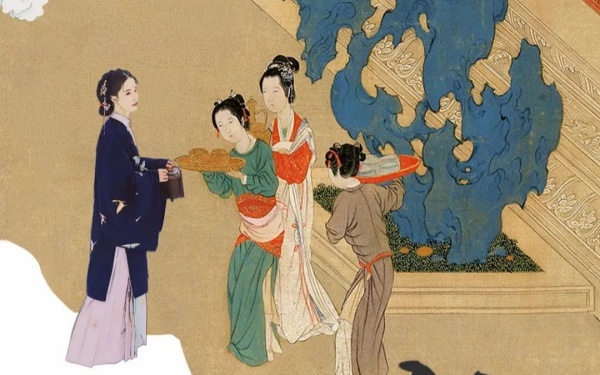
A Hanfu Class in Chengdu City
In the long history of the ancient Chinese land, China enjoys the great reputation of being the “Country of Elegant Attire”, the “Land of Beautiful Costumes”, and the “State of Etiquette”, all of which are closely related to Hanfu. In modern life, Hanfu is not an everyday outfit. We can often see it only in large - scale traditional celebrations, exquisite photo shoots, and ancient - costume TV dramas. So, what kind of etiquette connotations are hidden behind Hanfu, which carries thousands of years of culture? Let's explore the profound world of Hanfu culture to find the answer. Hanfu, the traditional clothing of the Han ethnic group with a millennium - long inheritance, is based on the essence of the Four Books and Five Classics and has followed the traditions in the Records of Carriages and Attire for thousands of years. The ceremonial robes have always adhered to the etiquette norms with few major changes over time. On the other hand, the daily clothing of the common people has become increasingly diverse as time goes by. As the unique traditional ethnic clothing of the Han people, Hanfu has a history of more than 4,000 years. Nourished by the wisdom and… -
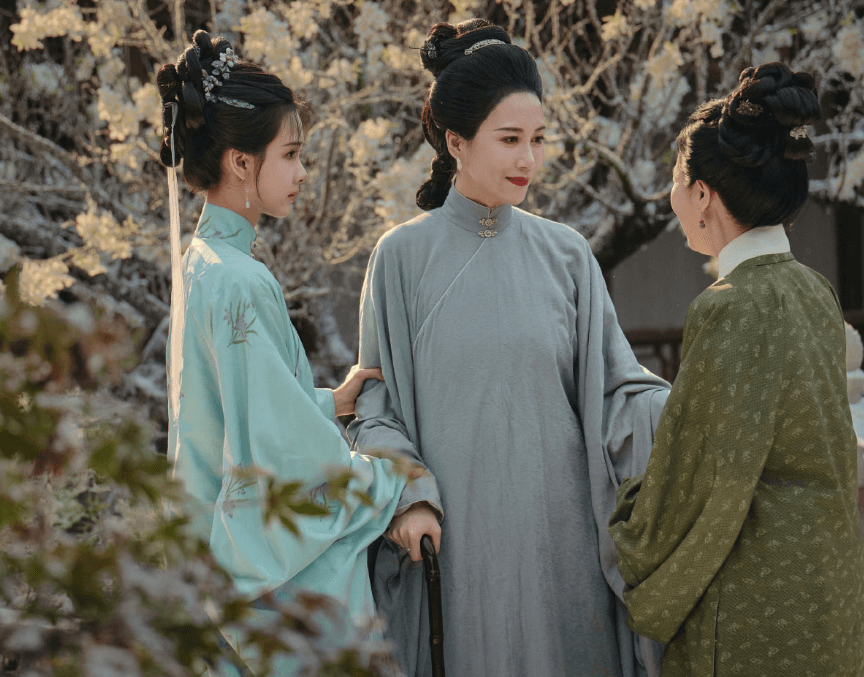
Tang Yan Made Another Hit in Costume Drama
As March is almost over, the domestic drama market has reversed its downturn and become increasingly lively. The drama When Yan Returns premiered suddenly and quickly climbed to the top of the national heat list. The suspense drama The Chess Player, in which Wang Baoqiang starred after a 12 - year hiatus, also received a lot of positive feedback. These two dramas are already dark - horses, but the real highlight is yet to come. The Unparalleled Nian took the top spot on the hot list right after its premiere. Initially, people thought it was just another old - fashioned and bad (xianxia drama, a genre of Chinese fantasy drama), but after binge - watching 6 episodes, they were hooked. It seems that there's going to be a new hit in the xianxia drama genre! 1. Outstanding Plot and Stunning Visuals The Unparalleled Nian tells the story of Ji Tanyin (played by Tang Yan), the unparalleled goddess, who is entrusted by the heaven to retrieve the divine artifact "The Left Hand of God" from Yuan Zhong (played by Liu Xueyi), the great priest of the Youhu Clan. The two go from scheming against each other to falling in love and… -

Japanese & Korean Tourists Flock to Shanghai for Hanfu Photoshoot
On Ninghui Road in Yu Garden Mall, Kaede from Tokyo, Japan, and her friend are experiencing Hanfu photography in Yu Garden. As spring arrives, the 2025 Shanghai Yu Garden Mid - Spring Flower Festival has kicked off, attracting numerous Chinese and foreign tourists. According to the news from Yu Garden Mall, starting from the Mid - Spring Flower Festival, the upgraded Huancai Yu Garden Light Show combined with Chinese - style performances has officially launched. During this flower festival, accompanied by five sets of Chinese - style music, Yu Garden will use the core buildings in the central square, Nine - Bend Bridge, and Golden Square as the background to present a spring flower scene with dynamic floodlights. Recently, when the reporter visited Yu Garden, it was found that at nightfall, the dynamic lights in the garden blended with the flower scene and Chinese - style performances, swaying gracefully. Whether on Ninghui Road, known as the "ceiling of Chinese aesthetics", or in the central square and Golden Square where Chinese - style dances and ancient music are performed irregularly, tourists in Hanfu can be seen everywhere. Regardless of nationality and language, they not only integrate with the immersive Chinese -… -

Tang Yan's First Ancient-Style Photo Shoot
At 41, Tang Yan has challenged an ancient-style photo shoot for the first time. Soon, we'll also see her last ancient-costume drama. At this age, it's no longer suitable for her to play in ancient idol dramas. Tang Yan, if you're being kidnapped, just blink. She managed to break free from the label of an ancient idol drama actress and upgrade to a serious drama actress because of the drama The Longest Day in Shanghai. Acting in an ancient idol drama again will easily make her a target of ridicule. In ancient idol dramas, we look for handsome men and beautiful women. Although Tang Yan takes good care of herself, her age is still quite obvious. If she gets mocked, it'll be hard for her to recover. We hope she has good luck this time; otherwise, it'll damage her newly-established image. This is Tang Yan's first ancient-style photo shoot, and she's currently the only one among the 85-generation actresses to do so. It's full of a sense of sophistication and is different from those cheap Hanfu photo shoots, instantly raising the bar. Tang Yan's outfit is a collision between modern and ancient styles. A high-end blue feather dress paired with… -
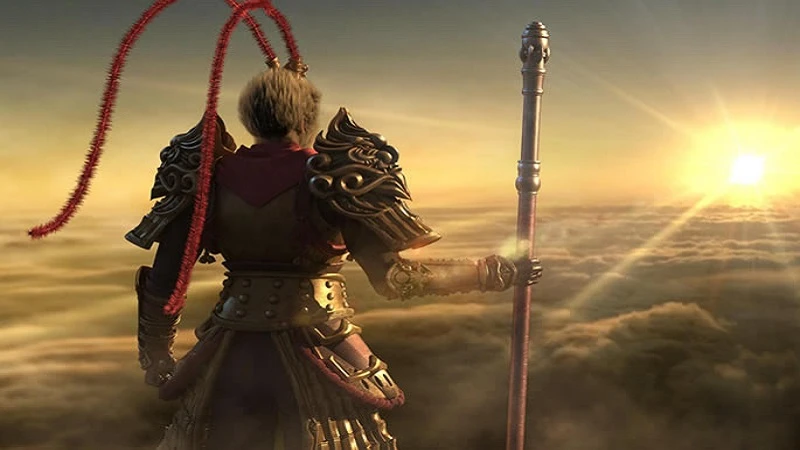
Why Wukong Defied Becoming a Divine Mount
In the celestial hierarchy of Journey to the West (西游记), divine mounts (神骑) occupy a paradoxical role: they are both exalted and enslaved. Lions, elephants, and golden-haired beasts—once fearsome demons—are collared, neutered, and pressed into service by bodhisattvas and sages. Their domestication symbolizes Heaven's power to redeem chaos into order. Yet one figure stands apart, unbroken and unbridled: Wukong, the Monkey King. The Anatomy of a Divine Mount Heaven's stables are not filled by chance. To qualify as a mount, a creature must meet strict criteria—criteria Wukong shattered with every swing of his staff. The Biology of Submission Divine mounts are almost exclusively quadrupeds: lions, elephants, oxen, or horses. Their four-legged stance signifies stability, a biological pragmatism for carrying gods across realms. Wukong, however, is a bipedal primate—a mimic of humans who stands upright, wields tools, and laughs at gravity. His very anatomy rebels against the concept of being "ridden." In Chinese symbolism, monkeys represent the restless "heart-mind" (xinyuan), a metaphor for desires that resist control. To mount him would be to tame the untamable, a paradox even the Jade Emperor's bureaucracy couldn't resolve. The Politics of Punishment Divine mounts are not born—they are made. Take the Nine-Headed Lion, a… -
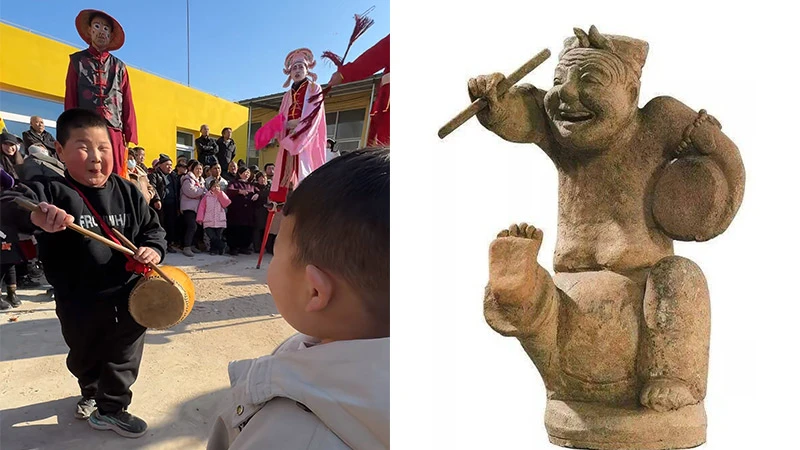
When Digital Native Kids Crave Retro Childhoods
In a village square in Shandong province, 11-year-old Huang Ruoxi stomps her feet with precision, sending reverberations through a set of drums arranged like celestial constellations. Her round cheeks flushed pink, two buns tied atop her head, she performs the Pan Drums Dance (盘鼓舞)—a 2,000-year-old Han Dynasty drum dance nearly lost to history. Meanwhile, 1,000 kilometers north in Hebei, 8-year-old Gao Haoran channels the spirit of Eastern Han storytellers, his comically exaggerated facial expressions and thunderous Martial Drumming (武鼓) drawing comparisons to China's iconic 2nd-century Shuochang Yong (说唱俑, Speaking and Singing Figurines). These children—dubbed "retro kids" by Chinese netizens—are sparking a cultural reckoning. Amid a sea of Gen Alpha peers glued to TikTok clones and mobile games, they've become unlikely ambassadors for traditions stretching back millennia. Social media floods with comments: "She's stepped straight out of a textbook illustration!" and "This kid's vibe is so…pre-2010s!" The phenomenon reveals a generational paradox. While China's youth are often stereotyped as digital natives addicted to virtual worlds, a growing cohort is reviving folk arts through school programs, family legacies, and yes—viral videos. UNESCO reports a 37% increase in China's intangible cultural heritage apprentices under 18 since 2020. From dragon dances in Guangdong to…